Why Beard Growth Looks Patchy Even With Regular Oil Use
Are you using beard oil, but it is still quite patchy? Understand why growth patterns, skin health, and lifestyle factors stop your beard from fully filling in, despite consistent grooming efforts.
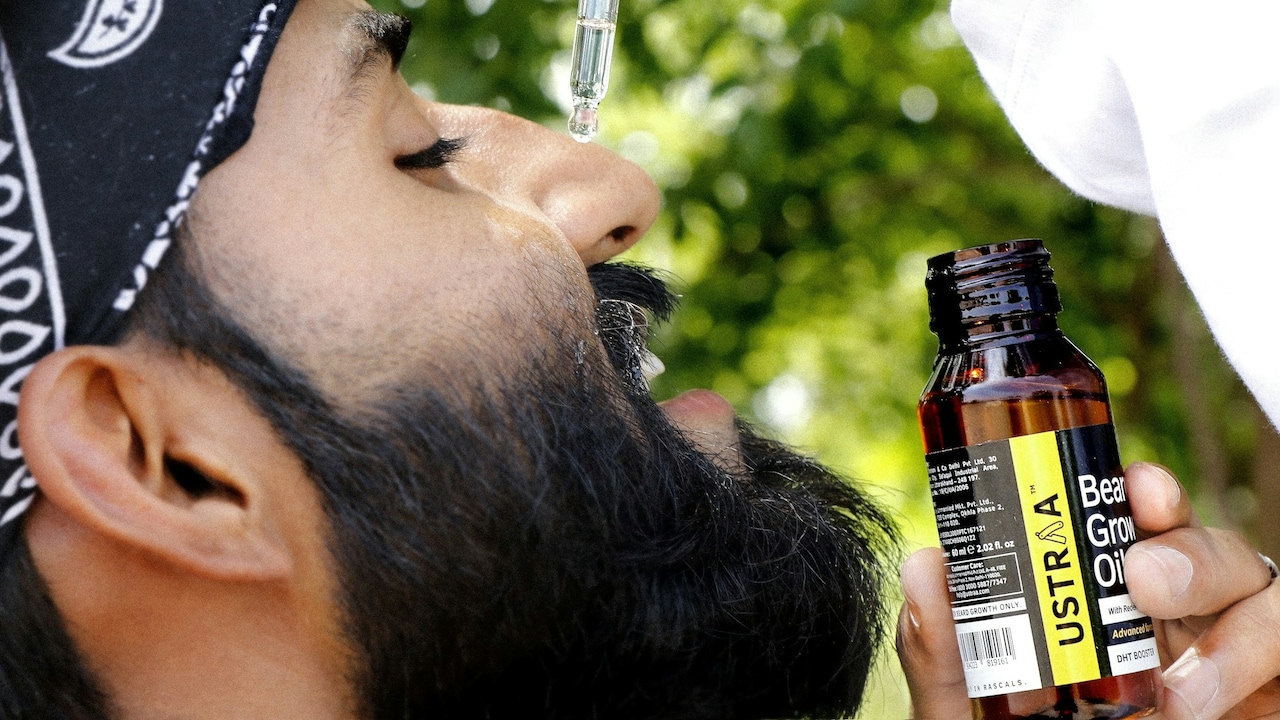
If you're using beard oil but its still patchy, know the real reasons it isnt filling in evenly.
Beard oil has become a daily ritual for many men. A few drops warmed between the palms, massaged carefully into the beard, followed by a hopeful glance in the mirror. Naturally, expectations rise. Thicker growth. Faster coverage. No gaps.
Then comes the frustration. Weeks turn into months, yet certain areas refuse to fill in. The chin thrives while the sides struggle. Friends suggest new oils, barbers recommend massages, and online ads push miracle serums.
Here's the truth. Beard oil is a support act, not the main hero. It conditions hair and skin, but it does not override biology, habits, or health. Patchy growth often has deeper roots that oil alone cannot reach.
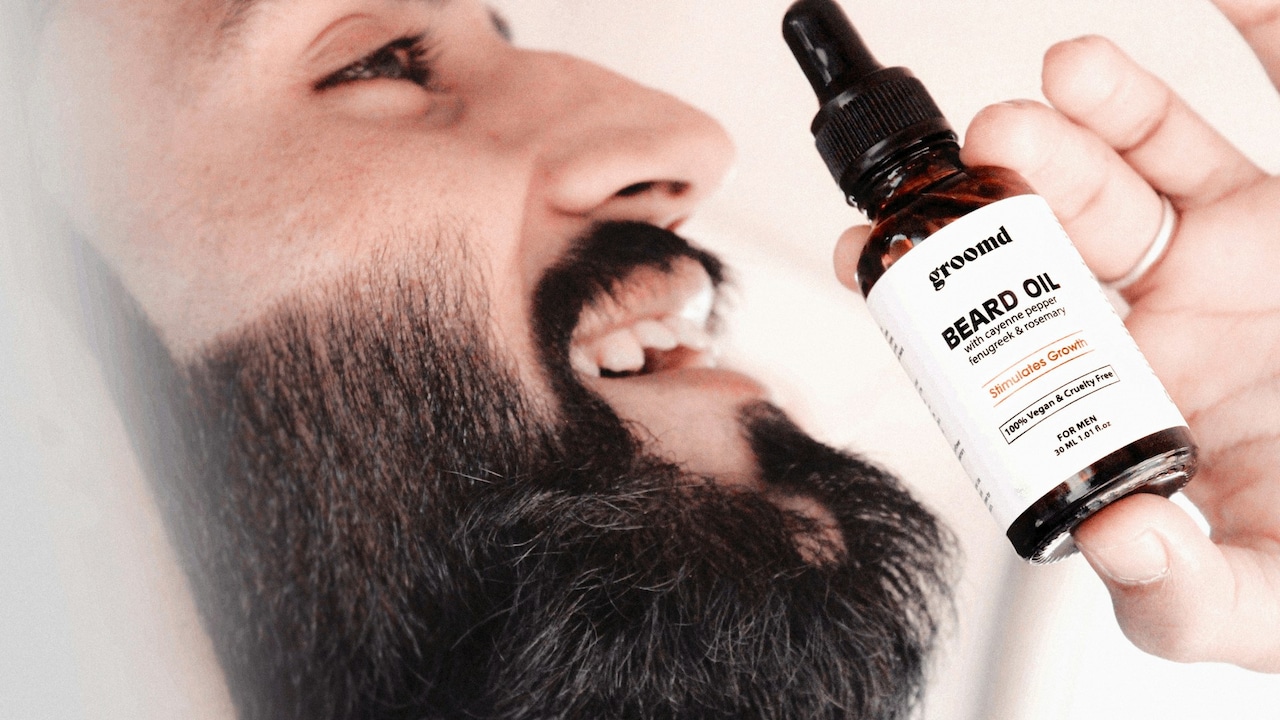
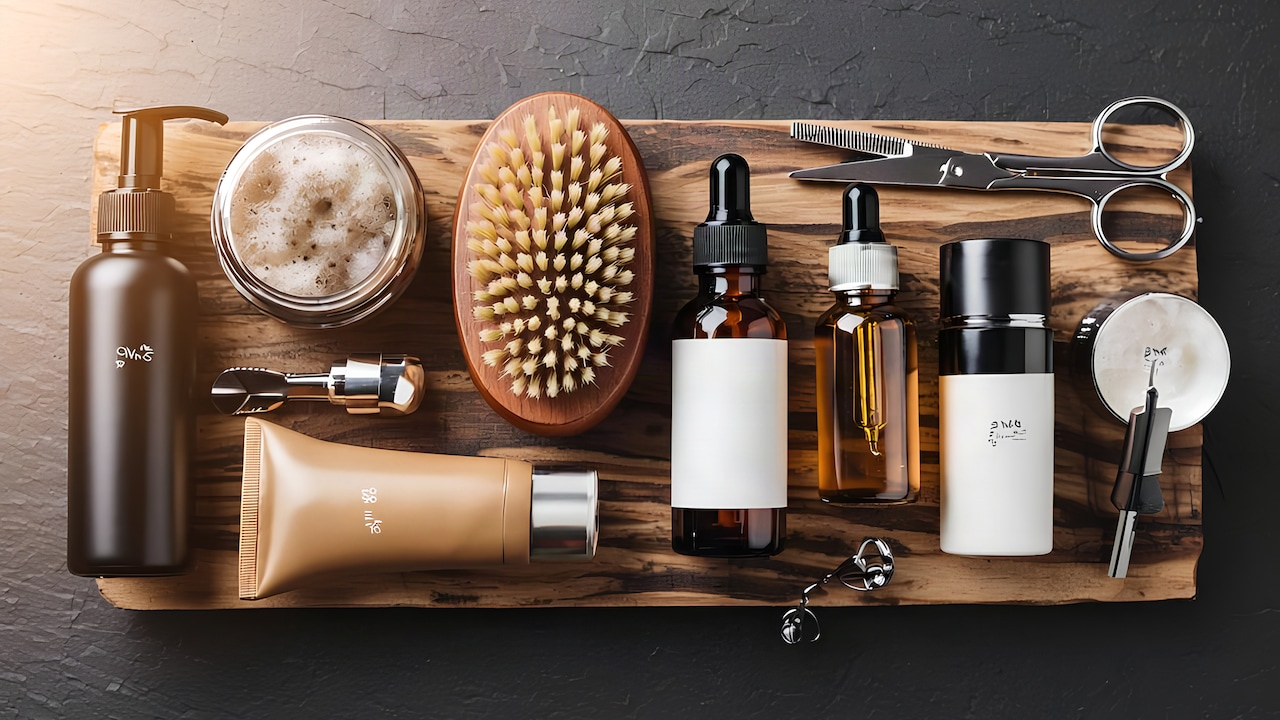
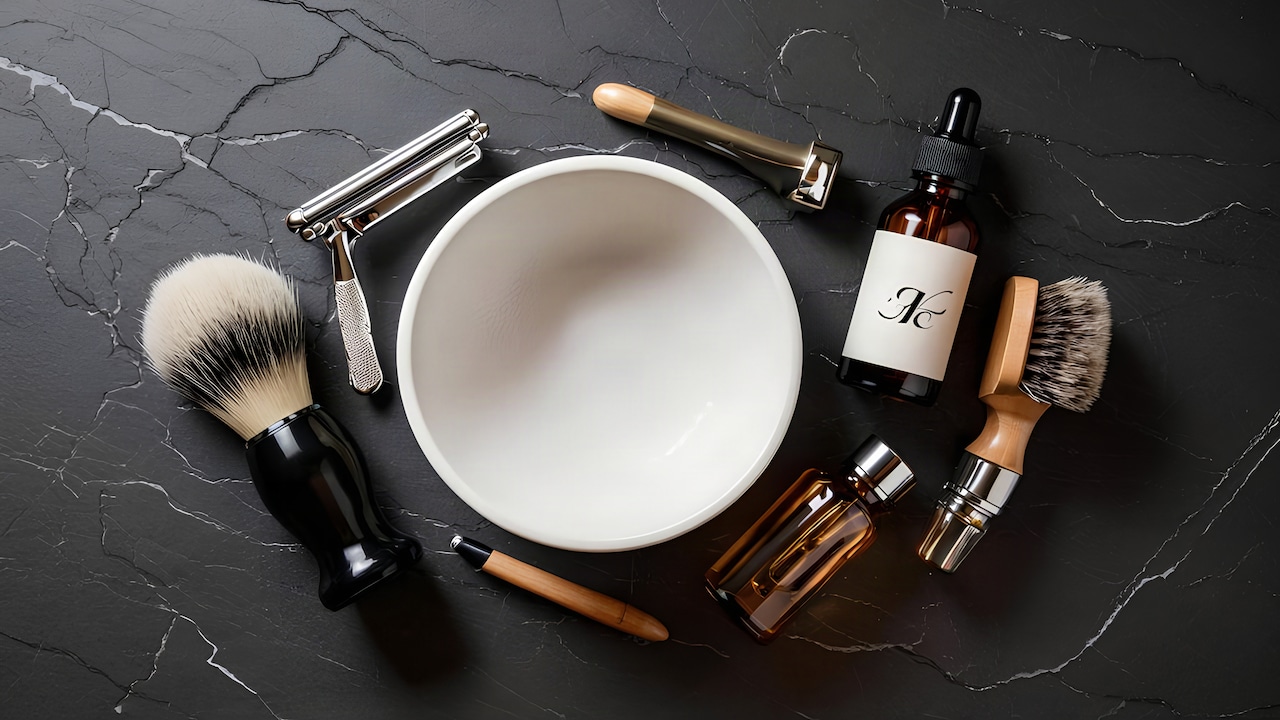
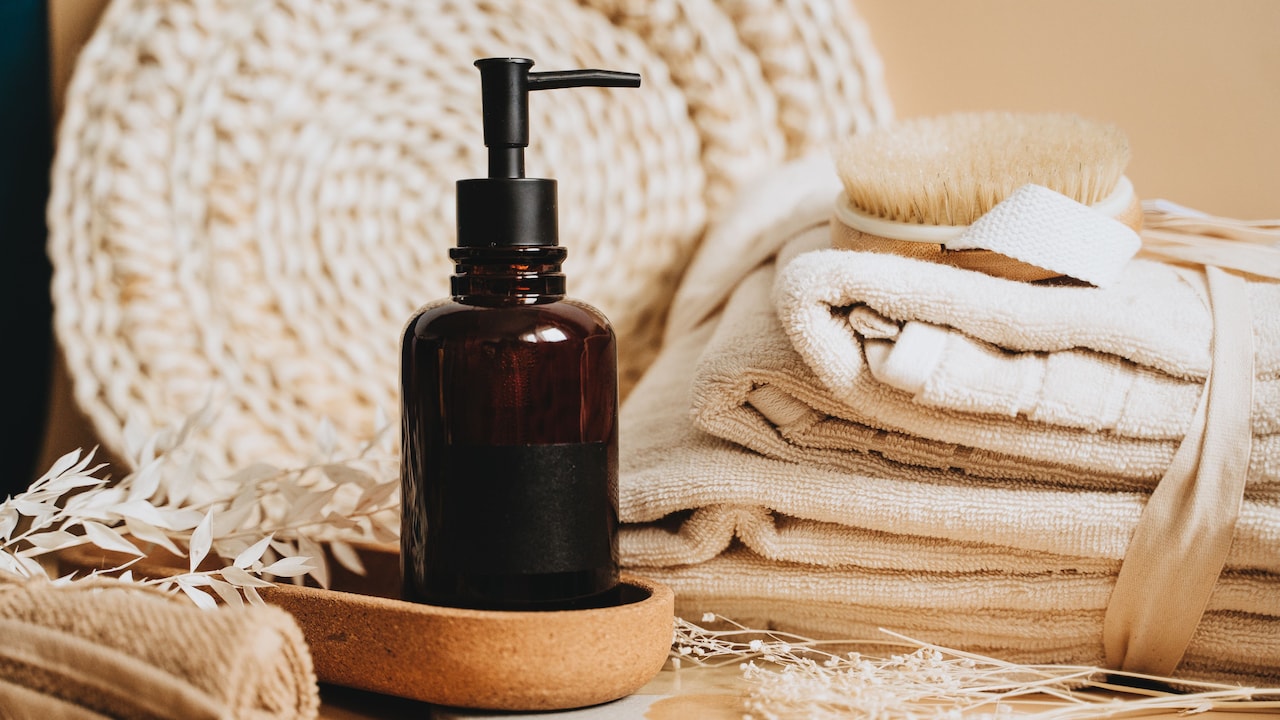
Common reasons you might be seeing a patchy beard even after using a beard oil every day; Photo Credit: Unsplash
Understanding these reasons can save time, money, and disappointment. More importantly, it helps build realistic expectations and smarter grooming routines. Let's break down the most common reasons beard growth stays patchy, even when oil use is consistent. Here is why beard growth looks patchy even with regular oil use - genetics, follicles, hormones, inconsistent grooming and more.
Also Read: 10 Benefits Of Beard Oil: A Game-Changer For Men's Grooming Routine
What Beard Oil Can, and Cannot, Do for Uneven Beard Growth
1. Genetics Decide the Blueprint Before Oil Enters the Picture
No oil can rewrite genetic instructions. Beard growth patterns are largely inherited, just like height or hair texture. Some men naturally grow dense beards that connect effortlessly. Others develop strong growth on the chin but lighter cheeks. This unevenness often has nothing to do with care or effort.
Hair follicles are distributed differently across the face. In some areas, follicles are fewer or produce thinner hair. Oil can nourish existing hair, but it cannot create new follicles where none exist.
This explains why brothers can have completely different beard patterns. One may need only patience, while the other struggles despite every product on the shelf. Genetics also influence growth speed. Some beards mature slowly and look patchy for months before filling in naturally.
Many give up too early. Beard development can continue well into the late twenties or beyond. What looks patchy at 22 may look fuller at 28. Oil supports the journey but does not control the destination.
Accepting genetic limits reduces frustration and prevents unrealistic expectations from taking over the grooming routine.
2. Beard Oil Improves Hair Quality, Not Hair Quantity
This is where most confusion begins. Beard oil is designed to moisturise the skin and soften existing hair. It reduces dryness, itchiness, and breakage. That's it.
When oil is applied, the beard looks shinier and healthier. This visual improvement often creates the illusion of growth. But oil does not stimulate dormant follicles into producing hair.
Patchy areas usually lack active follicles or have very slow-growing ones. Oil cannot activate them. It simply keeps surrounding hair healthy, so it doesn't snap or thin further.
Many men mistake conditioning for growth. When new hairs don't appear, disappointment follows. This leads to overuse, layering products, or switching brands constantly.
The real role of oil is maintenance. Think of it as polishing a surface, not expanding it. It helps the beard look its best, but it cannot fill gaps on its own.
Understanding this distinction helps reset expectations and encourages a more balanced approach to beard care.
3. Skin Health Beneath the Beard Often Gets Ignored
Healthy hair starts with healthy skin. Yet the skin under the beard is frequently overlooked. Oil sits on top, but clogged pores, dead skin, or inflammation underneath can restrict growth.
Sweat, pollution, and dirt build up easily under facial hair. Without proper cleansing and exfoliation, follicles struggle to breathe. This can slow growth and worsen patchiness.
Dry skin flakes can also block follicles. Oil may soften flakes temporarily, but without removing them, the problem persists. This is why some beards feel greasy yet still itch or shed.
Gentle exfoliation once or twice a week clears dead skin and improves circulation. A clean base allows follicles to function better. Hydration also matters. Skin deprived of moisture struggles to support hair growth.
Oil works best on healthy skin. Without addressing the foundation, results remain limited. Patchy growth often reflects neglected skin rather than ineffective products.
4. Hormones Play a Bigger Role Than Products Ever Will
Beard growth depends heavily on hormones, especially testosterone and its by-product, DHT. These hormones signal follicles to grow thicker facial hair. Oil has no influence here.
Hormone levels vary widely between individuals. Stress, poor sleep, lack of exercise, and nutritional deficiencies can disrupt hormonal balance. This may slow beard growth or cause uneven patterns.
Even men with normal testosterone levels can have follicles that are less sensitive to DHT in certain areas. This sensitivity determines where hair grows thick and where it stays sparse.
This explains why lifestyle changes sometimes improve beard growth more than switching oils. Better sleep, regular workouts, and balanced meals support hormonal health.
Oil supports appearance, not internal signals. When hormones are off-balance, patchiness persists regardless of external care. Addressing internal health often brings more noticeable improvements than adding another bottle to the shelf.
5. Over-Grooming Can Sabotage Beard Progress
Good intentions sometimes backfire. Excessive brushing, aggressive combing, or frequent trimming can weaken fragile hairs, especially in patchy areas.
New beard hairs are thin and delicate. Pulling them repeatedly can cause breakage before they mature. This creates the illusion that hair never grows in certain spots.
Over-washing is another common mistake. Daily washing with harsh cleansers strips natural oils from the skin. This leads to dryness and irritation, which slows growth.
Beard oil helps replace lost moisture, but it cannot undo constant mechanical stress. Gentle handling matters more than frequent product application.
Letting the beard grow untouched for a few weeks often reveals progress that was previously interrupted. Sometimes patchiness is not the absence of growth, but interrupted growth.
Patience and restraint are underrated grooming tools.
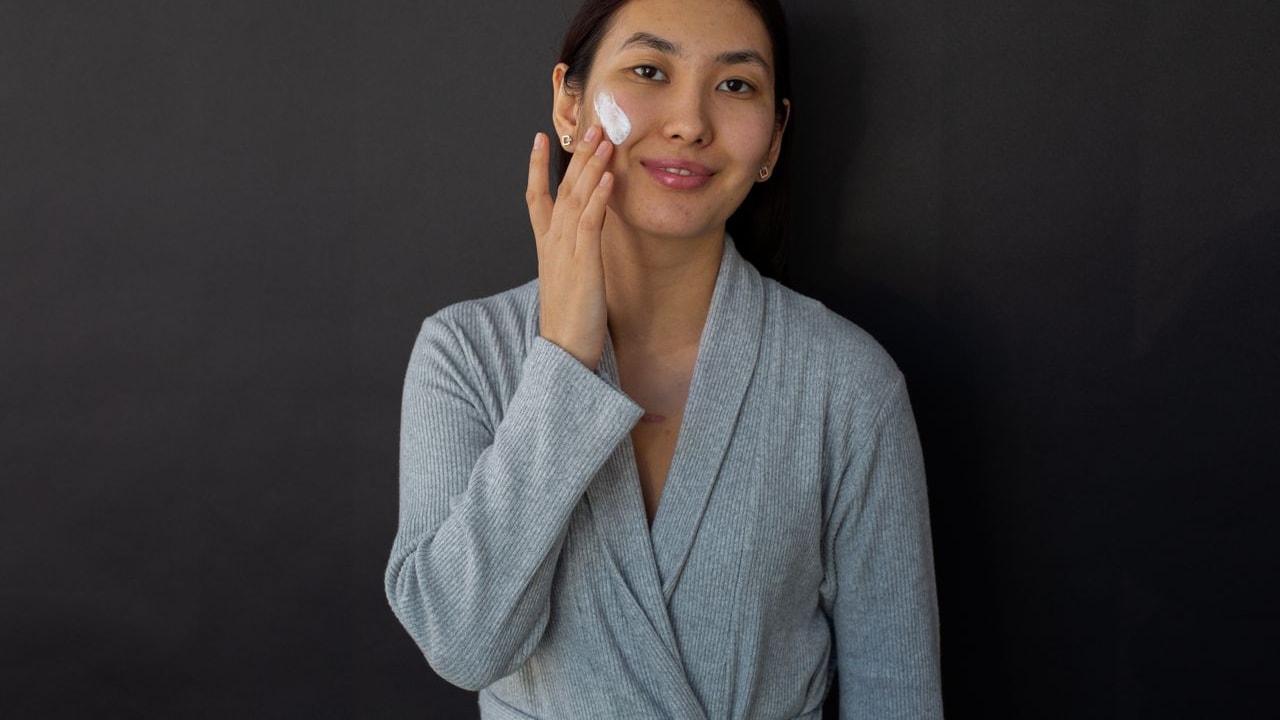
Avoid over-grooming your beard to prevent dryness and irritation; Photo Credit: Pexels
6. Nutrition Quietly Shapes Beard Density
Hair is built from protein, vitamins, and minerals. Without proper nutrition, growth slows and becomes uneven. Oil cannot compensate for internal shortages.
Low intake of protein, iron, zinc, or biotin can weaken hair shafts and reduce growth speed. Stressful schedules and irregular meals often worsen these deficiencies.
Hydration also plays a role. Dehydrated skin struggles to support healthy follicles. No amount of external oil can fix dryness caused by low water intake.
A balanced diet supports not just beard growth, but overall skin health. When the body lacks resources, hair growth is not a priority.
Many men notice better beard density after improving their eating habits, not after switching oils. This connection often goes unnoticed because results take time.
Beard growth reflects overall health more than grooming discipline. Feeding the body properly feeds the beard indirectly.
7. Patchiness Often Looks Worse Than It Actually Is
Mirrors can be cruel. Close-up inspection magnifies gaps that others barely notice. Lighting, beard length, and hair colour all affect perception.
Short beards show patchiness more clearly. As hair grows longer, it overlaps and covers sparse areas naturally. Many men never reach this stage because they trim too early.
Dark hair on light skin highlights gaps more than lighter hair does. This contrast creates the illusion of thinner growth.
Oil adds shine, which can also highlight uneven areas under bright light. This makes patchiness seem more pronounced.
Sometimes the beard is progressing normally, but impatience distorts perception. Giving the beard three to four months without drastic trimming often changes how it looks entirely.
What feels like failure may simply be an unfinished stage.
8. Stress Slows Growth in Subtle Ways
Stress affects the body quietly. Elevated stress hormones can disrupt hair growth cycles. This doesn't cause sudden hair loss, but it can slow new growth significantly.
Mental fatigue, work pressure, and irregular sleep patterns all contribute. Patchy areas often show the impact first because those follicles are already weaker.
Oil provides a calming ritual, but it cannot counter chronic stress. Relaxation, rest, and routine matter more here.
Many notice improved beard growth during holidays or less stressful periods. This isn't a coincidence. The body prioritises survival over grooming aesthetics.
Reducing stress doesn't require dramatic changes. Small adjustments in sleep, breaks, and daily rhythm can support healthier growth patterns over time.
9. Comparing Beard Journeys Creates Unnecessary Pressure
Social media is full of thick, perfectly shaped beards. Comparisons create unrealistic standards and fuel frustration when results don't match.
Most beard photos show fully grown beards after months or years, not early, patchy stages. Lighting, angles, and grooming tricks hide imperfections.
Every beard grows at its own pace. Comparing progress week by week often leads to disappointment and unnecessary product hopping.
Oil brands benefit from this insecurity. Promises sound tempting when patience wears thin.
Focusing on personal progress rather than external benchmarks makes the journey more enjoyable. A beard doesn't need to match someone else's to look good.
Confidence fills gaps better than oil ever could.
10. Time Is the Most Underrated Beard Product
No product replaces time. Beard growth is slow and unpredictable. Some areas take months to respond, others take years.
Oil supports comfort during this phase. It reduces itch, improves texture, and makes the process pleasant. But growth happens on its own schedule.
Many successful beards once looked uneven and frustrating. They matured gradually, not magically.
Giving the beard time allows follicles to activate naturally. Trimming too early or giving up too soon interrupts this process.
Consistency matters, but patience matters more. A beard is not built in weeks. It's shaped over seasons.
Products Related To This Article
1. USTRAA Beard Growth Oil
2. Dr. Alies Professional Premium Beard Growth Oil
3. BEARDO Men Beard & Hair Growth For Faster Growth & Thicker Looking
4. smartdrops Beard Hair Growth Oil for Thicker & Longer Beard Growth Hair Oil
5. Chamit ORGANIC PREMIUN NATURAL BEARD GEOWTH OIL
Patchy beard growth, even with regular oil use, is not a failure of effort. It's a reminder that beard care is more than bottles and routines. Genetics, hormones, skin health, lifestyle, and time all play their roles quietly. Beard oil remains valuable. It conditions, protects, and supports what already exists. But it works best as part of a broader approach that respects biology and embraces patience. Sometimes the beard isn't resisting growth. It's simply asking for time, balance, and a little less pressure.
(Disclaimer: This article may include references to or features of products and services made available through affiliate marketing campaigns. NDTV Convergence Limited (“NDTV”) strives to maintain editorial independence while participating in such campaigns. NDTV does not assume responsibility for the performance or claims of any featured products or services.)