The Hidden Reason Nail Art Looks Dull After A Few Days
Fresh nail art rarely stays glossy for long. Everyday habits, water exposure, heat and product choices quietly dull the shine within days. This article reveals the real reason your manicure fades faster than expected.
Why Does Nail Art Look Dull So Quickly? Here Are The Hidden Causes No One Talks About.
A fresh manicure often feels like a tiny celebration. Whether it features minimalist nude tones or bold festival-inspired designs, nail art adds personality to everyday life. Many people step out of the salon with hands held high, admiring every detail. Then reality sets in. Within days, the shine fades. The colour looks muted. The design loses its charm.
This change sparks frustration, especially after spending time and money, sometimes even ₹2,000 or more, on a detailed set. The common assumption points fingers at poor-quality polish or rushed application. Yet the truth runs deeper. Nail art faces constant exposure to water, heat, chemicals, and even natural body oils. These elements work quietly, dulling the finish long before the design truly wears out.
This article uncovers ten hidden reasons behind fading nail art. Each reason reflects everyday habits and overlooked details that affect nails more than expected. Understanding these factors helps extend the life of a manicure and keeps those fingertips looking fresh, glossy, and confident for days.
The Hidden Reason Nail Art Looks Dull After A Few Days; Photo Credit: Pexels
The Small, Everyday Habits That Quietly Ruin Nail Art
1. Natural Nail Oils Slowly Steal the Shine
Nails produce natural oils, just like skin and hair. These oils help keep nails flexible and healthy, yet they also soften the surface of nail polish. Over time, this oil seeps into the layers of colour and top coat. The glossy finish begins to blur and lose clarity.
This process happens gradually, which explains why nail art looks perfect on day one and dull by day four. Warm weather speeds up oil production, especially during humid months. Hands also heat up during daily tasks, further activating these oils.
Regular handwashing does not stop this process. In fact, harsh soaps strip moisture, causing the body to produce even more oil to compensate. The cycle continues silently. A high-quality dehydrator before polish application helps, yet many salons skip this step to save time.
Daily use of a lightweight, non-greasy hand cream supports nail health without flooding the nail surface. Balance plays a key role. Nails need nourishment, but excess oil dulls art faster than expected.
2. Water Exposure Weakens the Top Coat
Water may look harmless, yet nails absorb it easily. Each time hands soak in water, nails expand slightly. When they dry, they contract. This repeated movement stresses the polished layers. Microcracks form, even when chips do not appear.
Household chores increase this exposure. Washing utensils, rinsing clothes, or even long showers allow water to creep under the polished edge. Over time, the top coat loses its smooth surface. Light stops reflecting evenly, which causes a dull appearance.
Many people skip gloves for quick tasks, assuming a few minutes will not matter. Those minutes add up. Even frequent hand sanitiser use contributes, as alcohol dries the surface after water exposure.
Quick-dry top coats help seal polish layers tightly. Reapplying a thin layer every three days refreshes the shine. This small habit acts like a protective shield against everyday moisture.
Also Read: Top 10 Nail Art Ideas That Work For Parties, Work, and Weddings
3. Heat and Sunlight Fade Colour Faster Than Expected
Sunlight does not just affect skin. Ultraviolet rays break down pigments in nail polish, especially bright shades like red, yellow, and neon tones. Heat also softens polish, making it more prone to surface damage.
Long commutes, outdoor errands, or sitting near windows expose hands to sunlight for hours. Over time, the colour loses vibrancy. Dark shades turn cloudy. Light shades yellow slightly.
This effect becomes more visible during the summer months. Even gel polish, known forits durability, cannot fully resist UV damage. Some salons cure gel under lamps without UV filters, which accelerates pigment breakdown from the start.
Using a UV-protective top coat helps slow this process. Wearing gloves during long outdoor activities also protects both skin and nails. Shade matters more than expected when it comes to keeping nail art bright.
4. Household Chemicals Quietly Eat Away at Gloss
Cleaning products contain strong chemicals designed to cut through grease and grime. These same chemicals react with nail polish surfaces. Over time, they strip away the smooth finish that creates shine.
Detergents, floor cleaners, and even dishwashing liquids contain solvents that dull polish. Frequent contact leaves nails looking cloudy rather than glossy. The damage often appears uneven, which makes nail art look old quickly.
Even mild cleaners can cause trouble when used daily. Many people underestimate the impact of quick cleaning sessions. Gloves often feel inconvenient, yet they offer the simplest protection.
Switching to gentler, skin-friendly cleaning products also reduces exposure. A manicure lasts longer when nails stay away from harsh chemicals. That extra care keeps designs crisp and colours lively.
The Hidden Reason Nail Art Looks Dull After A Few Days; Photo Credit: Pexels
5. Skipping Proper Nail Prep Sets the Stage for Dullness
A flawless manicure begins long before colour touches the nail. Proper preparation removes residue, smooths the surface, and ensures strong adhesion. When salons rush this step, polish struggles to bond correctly.
Residual oils, old polish traces, or uneven filing create weak points. These flaws do not always cause chipping, yet they affect how light reflects off the surface. The result appears dull rather than glossy.
Cuticle care also plays a role. Excess cuticle on the nail plate prevents even application. Polish looks thick near the edges and thin at the centre. Over time, this imbalance dulls the design.
Choosing a salon that values preparation makes a noticeable difference. At-home care also matters. Gently buffing nails and cleansing them before appointments supports longer-lasting shine.
6. Low-Quality Top Coats Lose Their Magic Quickly
The top coat seals the design and delivers shine. A poor-quality product may look glossy at first, yet it lacks staying power. Within days, it loses clarity and turns slightly matte.
Many budget-friendly salons cut costs by using diluted or outdated top coats. These products dry unevenly and fail to protect underlying layers. Heat and friction worsen the problem.
Even expensive nail art can suffer when the top coat falls short. A strong top coat resists scratches and maintains smoothness. Investing in a good-quality sealant adds only a small cost, often under ₹300, yet extends the manicure significantly.
Reapplying the top coat at home refreshes the shine instantly. This habit also protects intricate designs from daily wear. The right finish keeps nail art looking salon-fresh.
7. Daily Friction Wears Down the Surface
Hands rarely rest. Phones, keyboards, bags, and coins all create friction. Each touch creates tiny abrasions on the polished surface. These marks scatter light, reducing shine.
Typing for hours or rummaging through handbags may seem harmless. Over time, the polished surface becomes slightly rough. This roughness dulls the appearance without causing visible damage.
Matte finishes hide this issue well, yet glossy designs suffer quickly. Shorter nails experience less friction, which explains why longer extensions lose shine faster.
Mindful hand movements help reduce wear. Using knuckles instead of nails for tasks protects the surface. Small changes in daily habits preserve that glossy finish for longer.
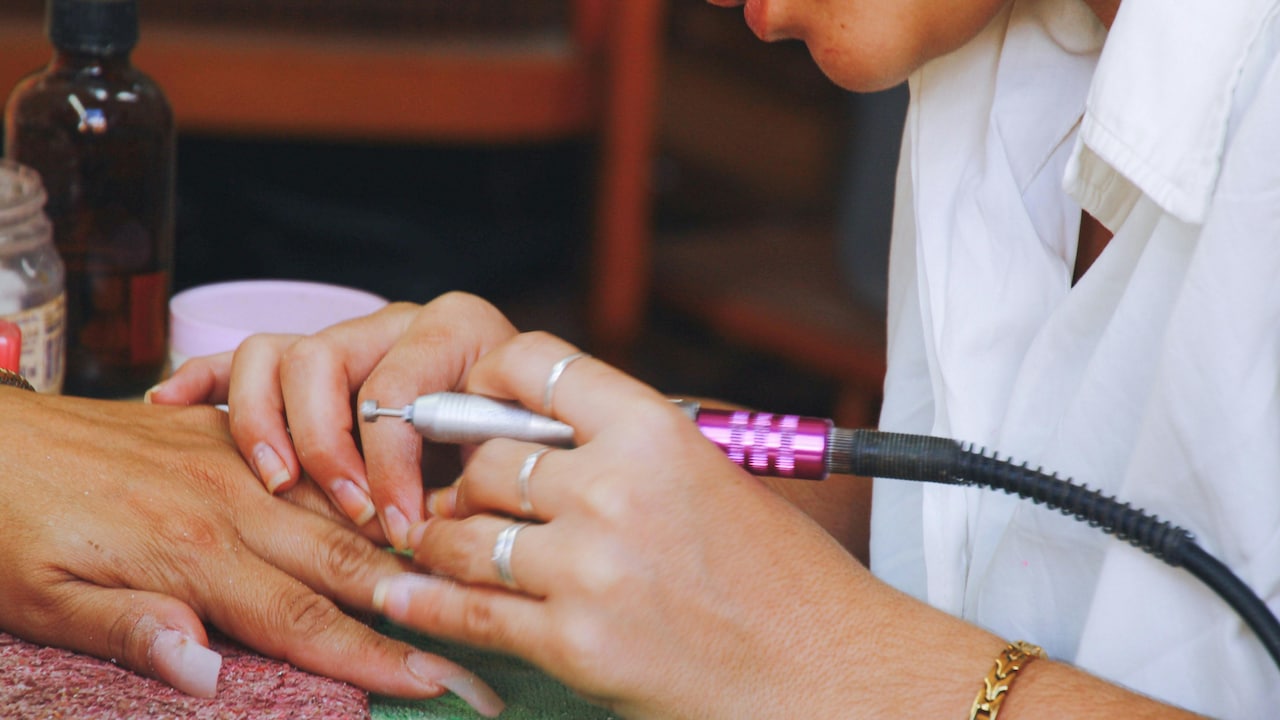
The Hidden Reason Nail Art Looks Dull After A Few Days; Photo Credit: Pexels
8. Incorrect Drying Time Traps Future Problems
Polish may feel dry to the touch within minutes, yet full curing takes hours. When hands return to activity too soon, the surface sets unevenly. This unevenness attracts dirt and dulls shine.
Many salons rush clients out quickly, especially during busy hours. Fans and quick-dry sprays help, yet they do not replace proper curing. Gel polish requires precise lamp timing. Any shortcut affects longevity.
At home, patience pays off. Allowing extra drying time prevents smudges and surface dents. Avoiding water and pressure for at least two hours supports a smoother finish.
Fully cured polish resists dullness better. That extra waiting time often saves days of frustration later.
9. Diet and Hydration Reflect on Nail Appearance
Nails reflect overall health more than expected. Dehydration causes nails to lose flexibility. Brittle nails affect how polish adheres and reflects light.
A diet lacking essential nutrients weakens the nail plate. Polish then appears uneven and dull. Seasonal changes also affect hydration levels, especially during winter months.
Drinking enough water supports nail health naturally. Foods rich in biotin, iron, and healthy fats strengthen nails from within. Supplements help when recommended by professionals.
Healthy nails hold polish better. Shine lasts longer when the nail surface remains smooth and strong. Beauty often begins from within, even for nail art.
10. Expectations vs Reality of Nail Art Longevity
Social media sets high expectations. Perfect nail art appears flawless for weeks on screens. Reality tells a different story. Daily life challenges every manicure.
Understanding realistic wear timelines helps manage disappointment. Regular polish typically lasts five to seven days. Gel extends that window, yet still faces dullness over time.
Maintenance bridges the gap between expectation and reality. Simple steps like moisturising cuticles, wearing gloves, and refreshing the top coat extend beauty. Nail art requires care, not just application.
Accepting natural wear encourages smarter choices. Subtle designs hide dullness better. Choosing finishes that suit your lifestyle keeps nails looking better for longer.
Products Related To This Article
1. The Pink Truck Set Of 24 Artificial Reusable Nail Art Kit - Tree Of Life
2. Secret Lives Round Shape With Silver Glitter Design Nail Art Care
3. Secret Lives 3D Flowers Pearl & Glitter Nail Art
4. FEELHIGH Leaf Shape Nail Art Mixing Colors Palette
5. RANORE Jelly Silicone Nail Art Stamper Scraper with Cap
6. Spazazz Set Of 30 Reusable Nail Art and Nail Care - Brown - Brown Sugar Almonds
7. AMOK STORE Set Of 12 Reusable Artificial Nail Art Kit
Nail art loses its shine for many reasons, most of them hidden in daily routines. Natural oils, water, heat, chemicals, and friction quietly work against glossy finishes. Preparation quality, product choice, and aftercare also shape how long that fresh look lasts.
Understanding these factors shifts the focus from blame to awareness. Small changes create noticeable results. Wearing gloves, choosing better top coats, allowing proper drying time, and caring for nail health all extend the life of nail art.
A manicure should feel like a joy, not a short-lived indulgence. With mindful habits and realistic expectations, nail art can stay vibrant and glossy far beyond the first few days. The secret lies not in perfection, but in consistent care and a little patience. Pick the nail art essentials here.
(Disclaimer: This article may include references to or features of products and services made available through affiliate marketing campaigns. NDTV Convergence Limited (“NDTV”) strives to maintain editorial independence while participating in such campaigns. NDTV does not assume responsibility for the performance or claims of any featured products or services.)