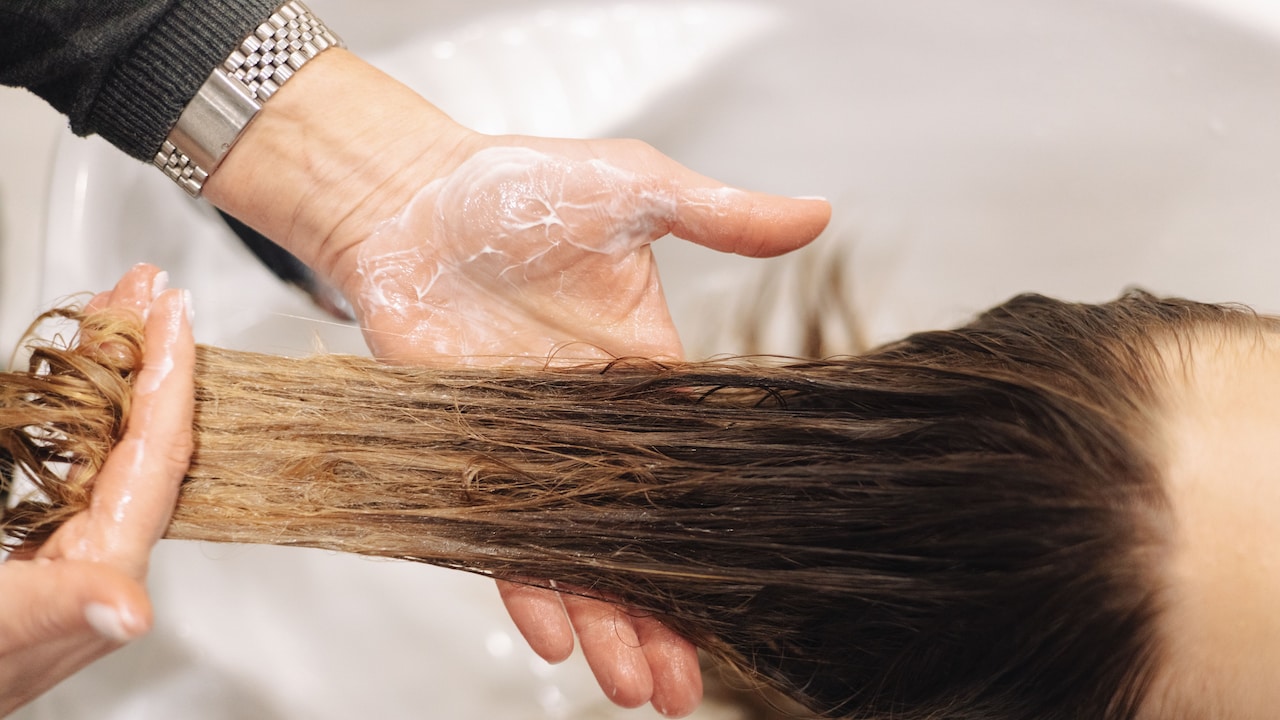
Why Foundation Looks Patchy In Winter And How To Fix It
Find out why the foundation looks patchy in winter and how to fix it. Follow simple skincare and makeup tips to prevent dry patches and achieve an even finish.
Why Foundation Looks Patchy In Winter And How To Fix It
Winter can make it challenging to apply foundation since the skin tends to be dry, tight or flaky. A smooth base in the summer can become uneven and cakey/patchy as the temperatures get colder. Expensive foundations can dry out in dry areas, stick to dry skin, or leave an uneven finish if the skin is dry. There are many causes of dry skin, such as weather, dry indoor air, and alterations in skin care treatments. The incorrect use of the wrong foundation formula or over-application of the product can make the problem more evident.
How To Prepare Skin Before Applying Winter Foundation
Photo Credit: iStock
But you don't need an entirely new set of makeup products to achieve a smooth makeup base; with some adjustments to your skin preparation, product choice, and application methods, your foundation can look bright and natural all winter long.
How To Prepare Skin Before Applying Winter Foundation
1: Start With A Gentle Cleanser
Wash the face with a mild, moisturising face wash that won't tighten the skin or dry it out, then try to avoid harsh scrubs and over-cleaning, as this may make winter dryness more apparent. Use a soft towel to dry the face; don't rub.
2: Apply A Hydrating Moisturiser
In the lead-up to winter makeup, the most critical step is to keep your moisture levels up with a moisturiser. Look for the ingredients hyaluronic acid, ceramides or glycerin, which help to keep skin hydrated. Apply it evenly, being careful to apply more in dry areas around the nose, cheeks and mouth.
3: Do Not Skip Sunscreen
Sunscreen is still a key part of your winter skin care routine even when it's cloudy outside. Opt for an all-purpose SPF 30 or higher and let it set before applying foundation. If the formula is such that a hydrating sunscreen can offer an extra source of moisture, a hydrating primer can also work.
4: Use A Hydrating Primer
Use a good hydrating primer to make the surface that the foundation adheres to smoother. Seek products that contain glycerin or other moisturising ingredients. Use a little, especially if the foundation appears to be dry or cracked.
How To Apply Foundation Without Patchiness In Winter
Step 1: Choose A Suitable Foundation Formula
In winter, opt for a foundation that is hydrating, dewy, or has a natural finish. If you have dry skin, you may want to consider using liquid or serum foundations; some are lightweight and will provide a comfortable finish. However, the choice of foundation will depend on your skin type and the skincare products you use.
Step 2: Apply A Small Amount At A Time
To avoid applying a thick layer of foundation all over the face, apply a small amount of it. Increase the amount of coverage only if there is a need for it. The thinner the layer, the easier it will blend and the less cakey it will look.
Step 3: Use A Damp Makeup Sponge
A slightly moistened makeup sponge can help when applying foundation and avoiding dry spots; apply gentle pressure and gently bounce the sponge against the skin, avoiding rubbing. A clean brush used with gentle, even strokes can also be used effectively on foundation.
Step 4: Blend Around Dry Areas Carefully
Be sure to focus on the sides of the nose, chin, forehead and cheeks, as foundation can build up on the flaky areas. Do not apply another thick layer of product on the sponge or brush, but use the rest of the product to blend those areas.
Step 5: Set Only Where Necessary
Try not to apply too much setting powder all over the face, particularly if it's dry. Apply a small quantity of finely milled powder to places which are prone to being oily, like the forehead, nose and chin. If the cheeks don't need extra setting, leave them to have a more natural look.
Also Read: How To Choose The Right Foundation Shade For Indian Skin Tones
What Winter Makeup Mistakes Should Be Avoided?
1. Applying Foundation Over Flaky Skin
There is a lot of flaking that can't be concealed with foundation, and it can make it more visible. Special care should be taken not to scrub or peel dry skin just prior to applying makeup. Over time, gentle cleansing and daily moisturising can help improve the appearance of the skin.
2. Using Too Much Setting Powder
Too much powder can absorb oils on the surface and accentuate any dry areas. Do not use the product all over the face; use sparingly if needed.
3. Layering Too Many Skincare Products
If pilling is a concern, multiple serums, creams, and primers can be used, but they must be allowed to set before applying the next product. Try to keep the procedure simple and allow products to go through the layer before adding the next product.
4. Using Hot Water Before Makeup
This extremely hot water may deplete the skin of its natural oils and lead to dryness; when cleansing, use lukewarm water and then use an appropriate moisturiser.
5. Ignoring Makeup Tool Hygiene
Dirty brushes and sponges can spread old product unevenly. Such negligence can have an impact on the application of the foundation; just wash makeup applicators frequently and make sure sponges dry thoroughly between uses.
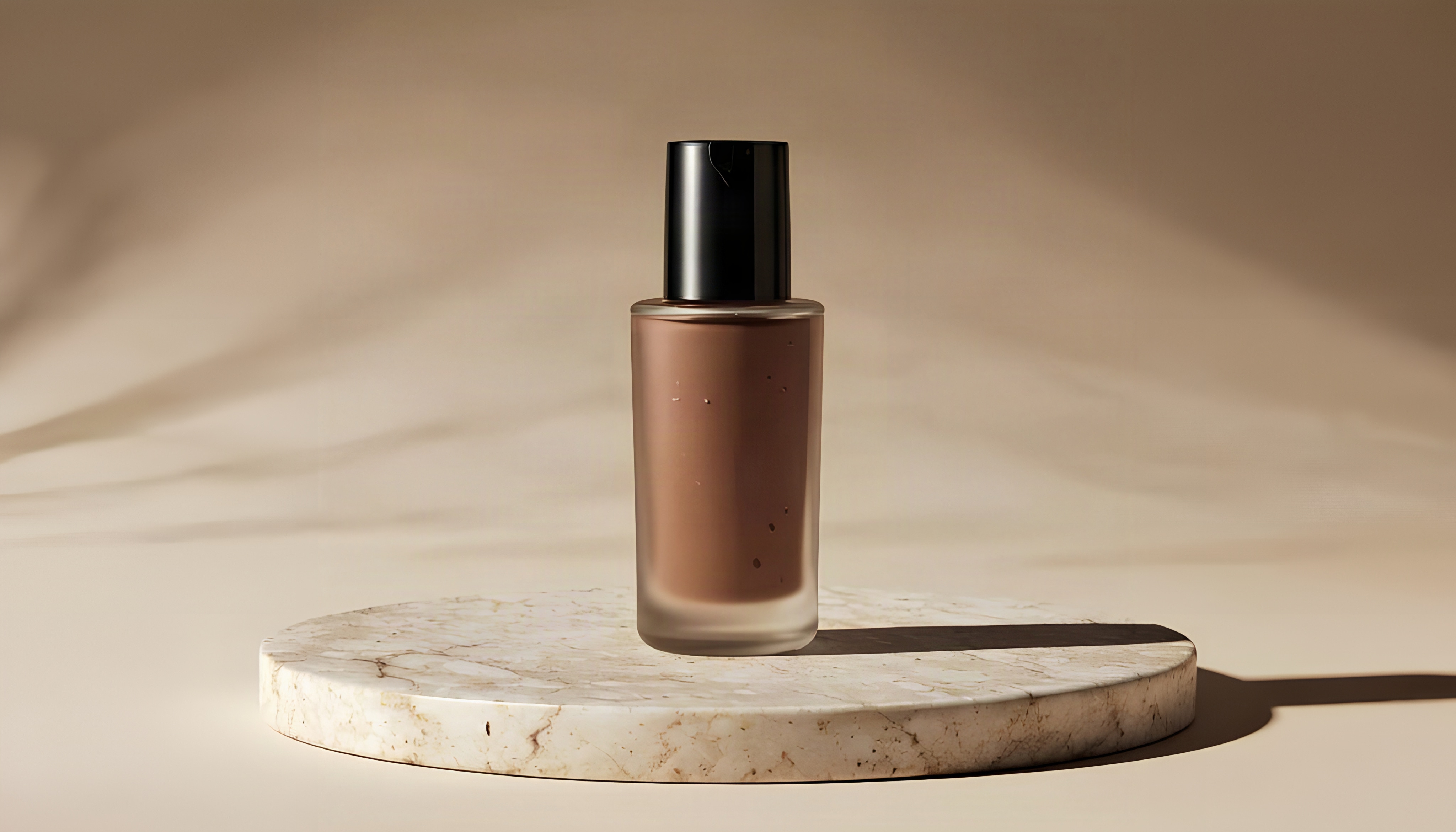
Some Products To Be Considered From
Photo Credit: iStock
Some Products To Be Considered From
1. Earth Rhythm Matte Set Go Hydrating Face Fluid SPF 30 Foundation
2. Marbela HD Plus BB Cream Foundation
3. Parnell Cicamanu Serum Cushion Foundation
4. The Derma Co. 1% Hyaluronic Hydrating High-Coverage Foundation
5. Typsy Beauty Foundcealer Flex 3-In-1
6. Be!Myn RealMatch Hydra-Matte Liquid Foundation
7. SUGAR Ace Of Face Dewy Foundation
8. LOreal Paris Infallible 24H Light-Weight Tinted Serum Foundation
Patchy foundation can take away from an otherwise flawless makeup look, especially during winter when cold air, indoor heating, and dry skin create the perfect conditions for uneven application. In most cases, the problem isn't the foundation itself but the lack of proper skin preparation. Hydrating skincare, gentle exfoliation, and a nourishing moisturizer can help create a smooth base, allowing makeup to blend more evenly and last longer. Choosing a hydrating or dewy-finish foundation and applying it in thin layers can also make a noticeable difference.
Frequently Asked Questions
1. Why does the foundation look cakey and patchy in winter?
During the winter, foundation can look cakey and patchy for several reasons, including changes in skin tone, flaking, and new skin growth.
2. Which foundation is best for dry skin in winter?
If you have dry skin, you may want to consider using a hydrating product like liquid, serum or natural-finish foundations. If they are very matte, avoid them, as they may highlight dry areas; if they contain moisturising ingredients, look for them.
3. Should moisturiser be applied before foundation in winter?
Yes, apply a nourishing moisturiser before foundation to keep skin supple and help the foundation glide on easily, then apply primer and foundation, allowing the moisturiser to sink in.
4. Can primer prevent foundation from looking patchy?
Use a hydrating primer to help the foundation to spread evenly and to make the appearance of dry areas better. However, it cannot replace a moisturiser or correct major flaking.
5. How can foundation be made to look dewy in winter?
Try to use a hydrating skincare regimen, select a natural or dewy finish foundation and apply it in a thin layer. Don't over-powder, and finish with an appropriate hydrating setting spray if necessary.
(Disclaimer: This article may include references to or features of products and services made available through affiliate marketing campaigns. NDTV Convergence Limited (“NDTV”) strives to maintain editorial independence while participating in such campaigns. NDTV does not assume responsibility for the performance or claims of any featured products or services.)