How To Choose The Right Foundation Shade For Indian Skin Tones
Learn how to choose the right foundation shade for Indian skin tones with simple and practical tips on undertones, shade testing, skin types, and common mistakes.
How To Choose The Right Foundation Shade For Indian Skin Tones
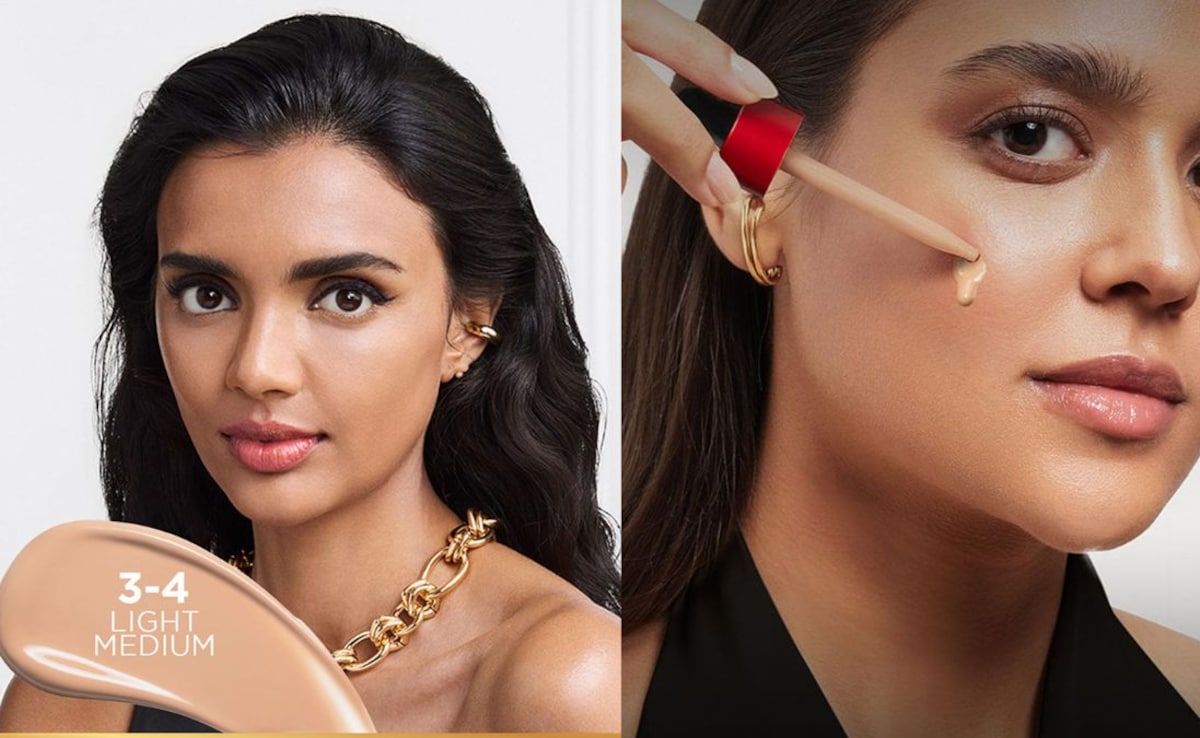
Finding the perfect foundation shade can feel a bit surprisingly confusing, especially for Indian skin tones. For example, one brand's warm beige may appear overly yellow, while another brand's natural nude can become dull or uneven within minutes. Plus, beauty trends are constantly changing online, so it's easy to end up with products that look amazing on camera but totally off in real life.
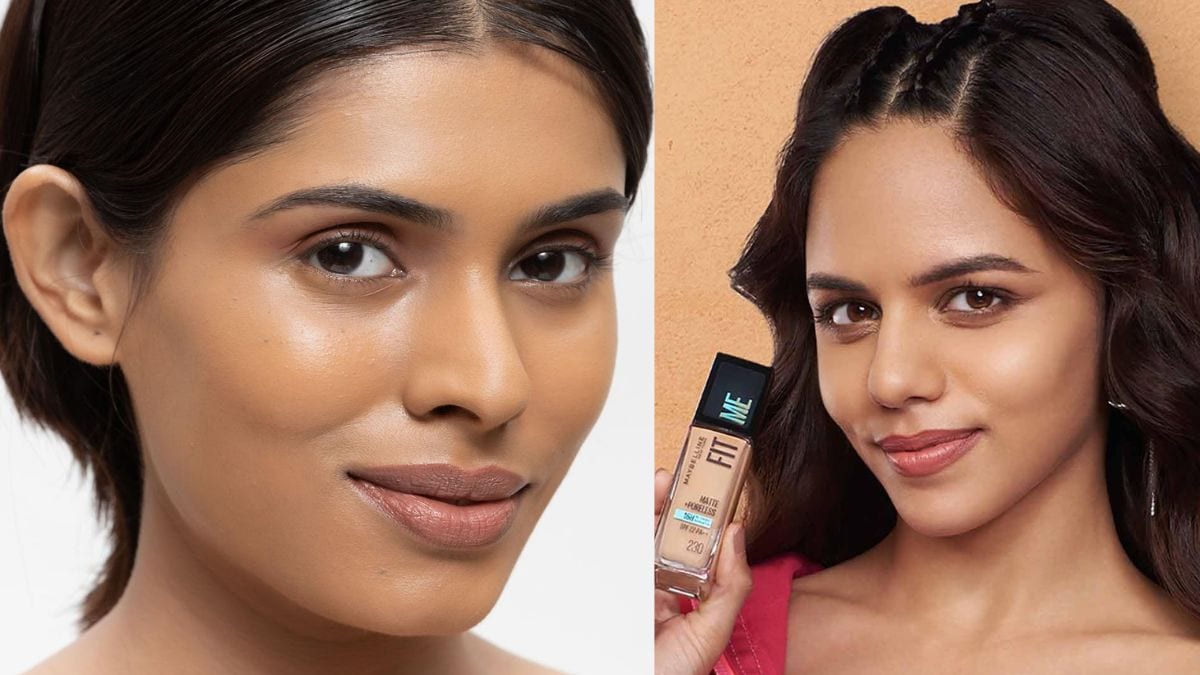
Discover practical tips on undertones and shade testing to find your perfect matching foundation color.
Photo Credit: Amazon
Indian skin tones are beautifully diverse, from fair skin with cool undertones to deeper complexions with rich golden or olive hints. That is why choosing the right foundation is not only about grabbing a light, medium, or dark option. It's more like matching the whole vibe correctly, not just the obvious shade. Undertones, texture, oxidation, and lighting all play a major role.
If you've ever struggled with foundations looking grey, orange, patchy, or completely mismatched, this guide will help you understand how to find a shade that actually works for your skin tone and feels natural every day.
Why Indian Skin Tones Need More Than Basic Shade Categories
Many beauty brands still divide foundation shades into simple categories like fair, medium, and deep. But Indian skin tones usually sit in between multiple undertones, which makes shade matching slightly more detailed.
For example, two people with a medium complexion may still need entirely different foundations because one has warm golden undertones while the other has neutral olive tones. This is why buying foundation based only on how “light” or “dark” it looks often leads to disappointment.
A solid foundation should blend seamlessly with your skin, appearing very natural without leaving a distinct layer or causing a colour shift after a few hours.
Understand Your Undertone Before Buying A Foundation
Undertones are those subtle, underlying shades that sit beneath the surface of your skin. It tends to stay mostly the same, even if your complexion gets lighter or darker with the seasons.
1. Warm Undertones
Skin that shows yellow, golden or peachy hints usually ends up on the warm side, more or less. For example, gold jewellery tends to look best on people with warm undertones.
2. Cool Undertones
Cool undertones show up with pink, red, or a tiny bluish kind of hint. Usually, silver jewellery matches these moods better and appears more natural than other metals.
3. Neutral Undertones
If both gold and silver jewellery suit you equally, then you may have neutral undertones. Neutral skin tones can usually wear balanced shades without too much yellow or pink.
4. Olive Undertones
Olive undertones are pretty common in Indian skin tones. These complexions can seem a bit greenish or muted, and at times they struggle with foundations that end up looking way too orange.
Getting your undertone straight away actually makes foundation shopping feel less chaotic, and it helps narrow down the right shades faster.
How To Test Foundation Shades Correctly
A foundation may look perfect in the bottle but entirely different once applied. Testing it the right way can save both money and frustration.
Step 1: Test Along Your Jawline
Instead of swatching foundation on your hand, apply two or three shades along your jawline. This area helps you compare the foundation with both your face and neck for a more natural match.
Step 2: Check The Shade In Natural Light
Store lighting can sometimes make foundations look a little lighter or warmer than they actually are, in a way that is easy to miss at first glance. Step near a window or check the shade in daylight before making a decision.
Step 3: Wait For Oxidation
Some foundations darken after 10–15 minutes due to oxidation. Always give the product a little time before deciding whether the shade works for you.
Step 4: Consider Your Neck And Chest Tone
Your face may naturally be slightly lighter or darker than the rest of your body. Choosing a foundation that matches your neck usually creates the most balanced finish.

Master foundation shade selection for Indian skin types while avoiding common makeup matching mistakes daily.
Photo Credit: Amazon
Common Foundation Mistakes Indian Skin Tones Often Face
One of the biggest mistakes is choosing a foundation that is too light in an attempt to look brighter. This often ends up with a grey or a cakey finish instead of something that really feels natural and glowy. Another common problem is just disregarding undertones entirely. A medium shade with the wrong undertone can still seem off even if the depth is supposedly right.
Many people also skip patch testing formulas. Matte foundations may cling to dry patches, while overly dewy formulas can become greasy in humid weather. The right formula matters just as much as the right shade.
Which Foundation Finish Works Best For Your Skin Type?
Different finishes can entirely change how a foundation looks throughout the day.
1. Matte Finish
Matte foundations are pretty ideal for oily and combination skin types too because they help balance shine and they tend to stay longer, especially in humid conditions, like, you know, where everything melts.
2. Dewy Finish
Dewy foundations give that glowy, radiant, hydrated feel, and they work quite well for dry or even normal skin types too.
3. Satin Finish
Satin or natural finishes land in the middle ground between matte and dewy textures, so it works for everyday wear.
Picking a finish that fits your skin type makes the foundation sit better and also look a bit more natural for longer hours.
How Seasonal Changes Can Affect Your Foundation Shade
Indian skin tones can slightly change during different seasons due to tanning and sun exposure. A foundation that matches perfectly in the winter may appear lighter in the summer.
Many makeup users keep two nearby shades, one for warmer months and another for cooler months and mix them whenever needed. This helps maintain a consistent and kind of natural match throughout the year.
It's also important to re-check your shade after long vacations, beach trips, or when you change your skincare routine.
Some Foundation Products You May Like
1. Maybelline Fit Me Matte + Poreless Foundation
2. Lakmé 9to5 Primer + Matte Perfect Cover Foundation
3. L'Oréal Paris Infallible 24H Fresh Wear Foundation
4. M.A.C Studio Fix Fluid SPF 15 Foundation
5. L.A. Girl PRO Coverage Illuminating Foundation
6. Kay Beauty Hydrating Foundation
7. MARS SPF50 PA++++ High Coverage Foundation
8. Nykaa Full Coverage All Day Matte Long Wear Liquid Foundation
Frequently Asked Questions (FAQs)
1. How do I know if my foundation is too light?
If your foundation appears greyish, chalky, or significantly brighter than your neck, it's likely too light for your skin tone and doesn't match well.
2. Can Indian skin tones have cool undertones?
Yes, Indian skin tones can have warm, cool, neutral, or olive undertones. Undertones are not limited by skin depth.
3. Why does my foundation look orange after a few hours?
This usually happens because of oxidation. Some foundations react with natural oils and air, and the colour will darken over time.
4. Should foundation match my face or neck?
It's generally better to match your foundation to your neck for a more seamless and natural overall appearance.
5. Is it okay to mix two foundation shades?
Yes, mixing shades is very common and can help create a more accurate match, especially during seasonal skin tone changes.
(Disclaimer: This article may include references to or features of products and services made available through affiliate marketing campaigns. NDTV Convergence Limited (“NDTV”) strives to maintain editorial independence while participating in such campaigns. NDTV does not assume responsibility for the performance or claims of any featured products or services.)