Applying Lip Balm All Day? These Common Winter Habits Could Be Making Dry Lips Worse
Wondering why your lip balm is not helping dry, chapped lips this winter? Discover common lip care mistakes, ingredients to look for and lip balms worth trying for lasting hydration.
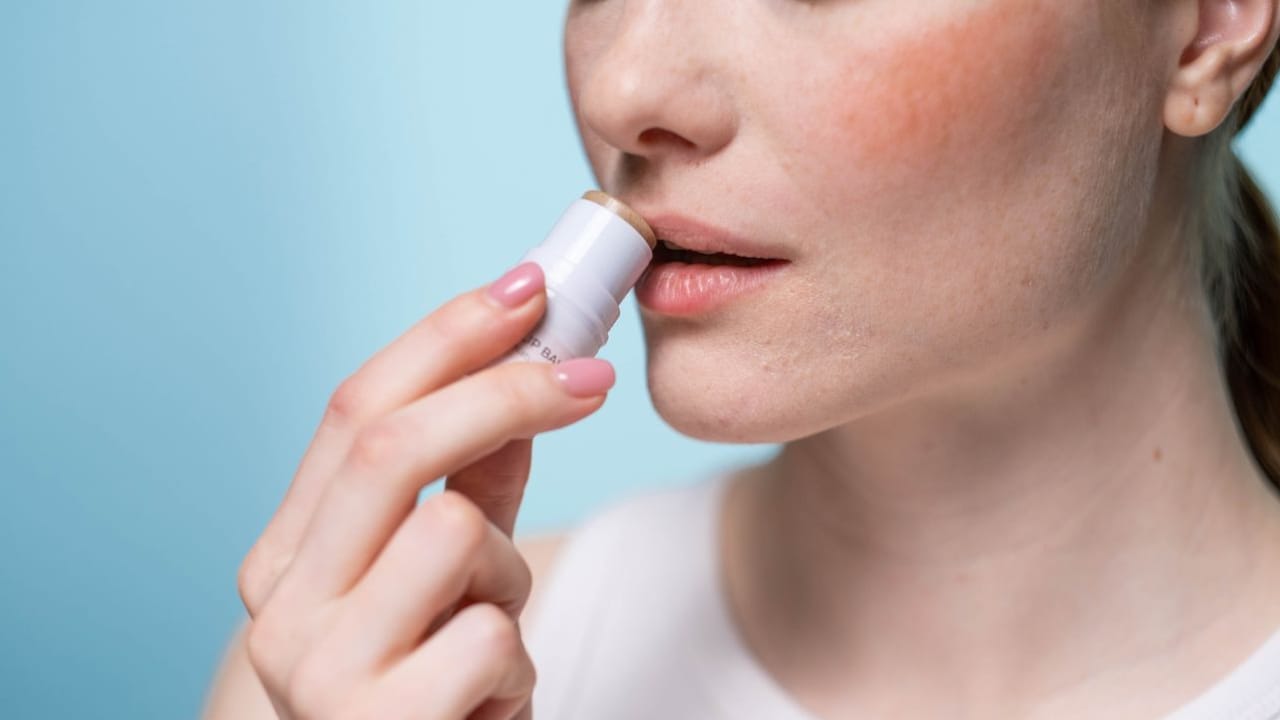
Why Does Your Lip Balm Stop Working? Common Winter Mistakes You Might Be Making
Every winter, I find myself asking the same question, how is it possible to finish an entire lip balm and still end up with chapped lips? The cycle usually starts innocently enough. The weather cools down, lips begin feeling slightly dry, and out comes the trusty lip balm. For a few days, everything seems fine. Then suddenly, I am applying it every hour, yet my lips somehow feel drier than before. If you have experienced something similar, you are not alone. Many people assume that dry lips simply need more lip balm. In reality, the issue is often how you are using it or which formula you are relying on. Winter may be harsh on lips, but a few common habits can make the problem worse, no matter how expensive the product in your pocket happens to be. Before you blame the weather, here is what could actually be sabotaging your lip care routine.
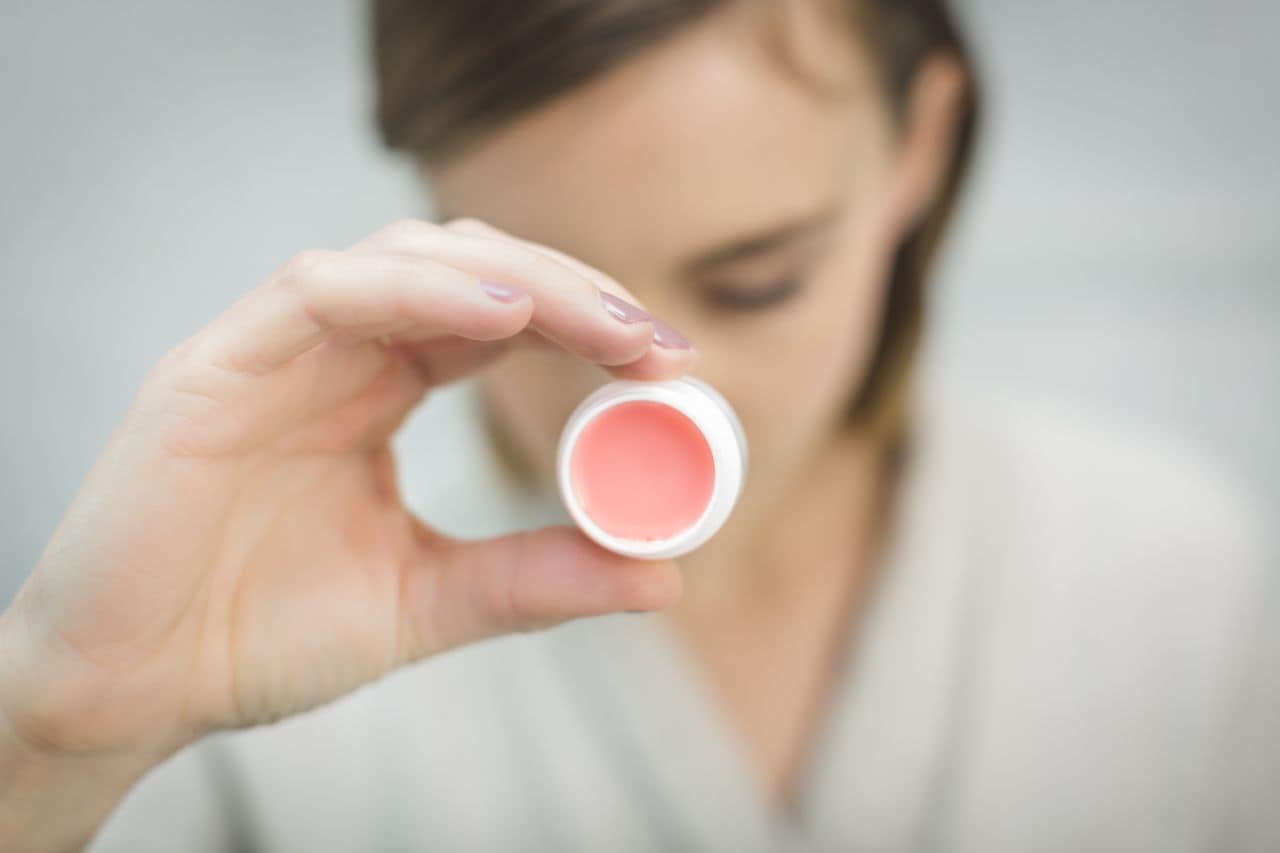
Why Does Your Lip Balm Stop Working Common Winter Mistakes You Might Be Making
Photo Credit: Pexels
Your Lip Balm Might Be Moisturising Less Than You Think
One of the biggest misconceptions about lip balm is that all formulas are designed to hydrate. Some products focus primarily on creating a protective layer over the lips. Others contain ingredients that attract moisture. The best formulas usually do both. If a balm provides temporary relief but leaves your lips feeling tight again twenty minutes later, it may simply be sitting on the surface rather than delivering lasting hydration.
Look for ingredients such as:
- Shea butter
- Ceramides
- Hyaluronic acid
- Squalane
- Cocoa butter
- Lanolin
The Habit Most Of Us Do Not Realise We Are Guilty Of
Cold weather has a way of making lips feel tight, the natural response? Licking them. Unfortunately, saliva evaporates quickly and often leaves lips even drier than before. What starts as a quick attempt to find relief can create a frustrating cycle of dryness and irritation. If you are constantly reaching for your tongue before reaching for lip balm, that may be one reason your lips never seem to improve.
Also Read: Winter Skincare Mistakes That Could Be Making Your Dry Skin Worse (And What To Do Instead)
More Lip Balm Is Not Always The Answer
It sounds strange, but applying lip balm repeatedly is not necessarily helping. In some cases, reapplying every thirty minutes can prevent you from noticing whether the product is actually working. Instead, try applying a nourishing lip balm after cleansing your face in the morning, again before stepping outdoors and once more before bed. Night-time application is particularly important because that is when the skin naturally repairs itself. Think of lip balm as skincare rather than an emergency fix.
Winter Air Is Working Against You
If you have ever noticed that your lips feel worst during a long flight, a train journey or a day spent in an air-conditioned office, there is a reason. Dry air pulls moisture from the skin. Many homes and offices become surprisingly dry during winter, especially when heaters, blowers and air conditioners are running for long periods.

Why Does Your Lip Balm Stop Working Common Winter Mistakes You Might Be Making
Photo Credit: Pexels
In cities such as Delhi, Noida and Gurugram, cold outdoor air combined with indoor heating can leave lips feeling perpetually dehydrated. Sometimes the solution is not another lip balm. It is increasing moisture in your surroundings and drinking enough water throughout the day.
Exfoliation Has Its Limits
Social media has made lip scrubs incredibly popular. Used occasionally, they can help remove flaky skin. Used too often, they can worsen dryness. I have definitely made this mistake before. The temptation is to scrub away every visible flake. Instead, this often leaves lips more sensitive and prone to cracking. Most people do not need to exfoliate their lips more than once a week.
Lip Balms Worth Considering This Winter
1. Laneige Lip Sleeping Mask
A cult favourite for a reason. The rich overnight formula helps soften dry lips and minimise flakes by morning.
2. Vaseline Lip Therapy Original
Simple, affordable and widely available. It works particularly well as an overnight protective layer.
3. Dot & Key Lip Balm SPF 30
A practical choice for daytime use that combines hydration with sun protection.
4. Sebamed Lip Defence SPF 30
Ideal for people looking for a fragrance-light option with added UV protection.
5. Minimalist 8% L-Ascorbic Acid Lip Treatment Balm
A good choice for those seeking hydration along with support for lip pigmentation concerns.
6. Hyphen Vitamin Infused Peptide Lip Balm
A dependable winter classic that focuses on repairing and protecting dry lips.
7. Nivea Original Care Lip Balm
A reliable everyday option that suits most users looking for basic hydration.
If your lip balm seems to stop working every winter, the product itself is not always the problem. The real issue may be a combination of dry air, frequent lip licking, over-exfoliation, dehydration or simply choosing a formula that is not suited to your needs. A few small changes can often make a bigger difference than buying yet another tube of lip balm. And sometimes, the best winter lip care routine is the simplest one: hydrate well, protect your lips from the elements and let a good balm do its job.
Frequently Asked Questions (FAQs)
Q1. Why do my lips stay dry even after applying lip balm?
Dry lips can result from dehydration, frequent lip licking, harsh weather or using a balm that does not provide lasting hydration.
Q2. How often should I apply lip balm?
Most people can reapply two to four times a day, with an additional application before bed for overnight nourishment.
Q3. Is it bad to use lip balm every hour?
Frequent use is not necessarily harmful, but it may indicate that your balm is not providing enough long-lasting moisture.
Q4. Which ingredients should I look for in a lip balm?
Shea butter, ceramides, hyaluronic acid, squalane and lanolin are commonly found in hydrating lip care formulas.
Q5. Do lips need SPF in winter?
Yes. UV exposure occurs throughout the year, making SPF lip balms useful even during colder months.
(Disclaimer: This article may include references to or features of products and services made available through affiliate marketing campaigns. NDTV Convergence Limited (“NDTV”) strives to maintain editorial independence while participating in such campaigns. NDTV does not assume responsibility for the performance or claims of any featured products or services.)