Hair Oil Mistakes That Make Your Hair Greasy, Flat Or Itchy The Next Day
Common hair oil mistakes everyone should avoid: Hair feels soft, shiny, and calm right after oiling, then flat, greasy, itchy, or frizzy the next day. These common hair oiling mistakes explain why that overnight glow doesn't last.
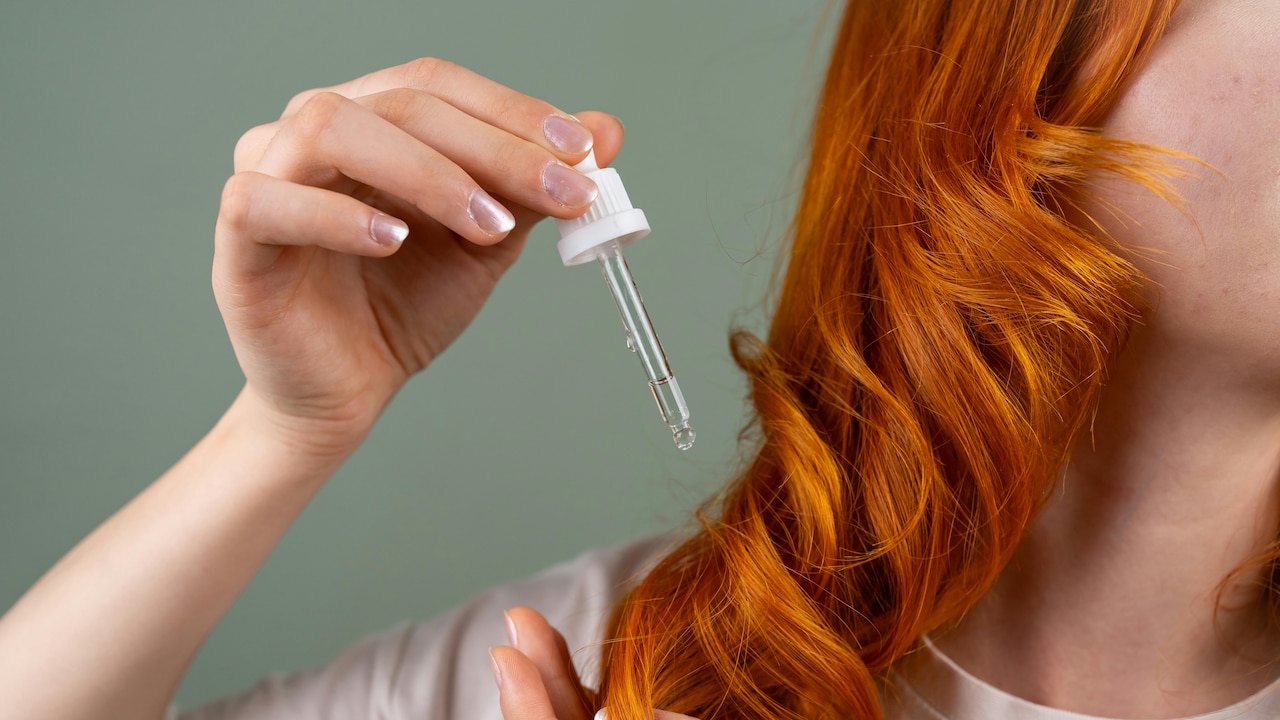
Hair Oil Mistakes: Why Your Hair Feels Great After Oiling, But Worse The Next Day.
Hair oiling has long been treated like a quiet reset button. A few warm drops, a slow massage, and everything feels sorted, soft strands, calm scalp, that comforting slip between the fingers. It feels effective. Almost therapeutic. Yet, the morning after often tells a different story. Hair looks limp or greasy, the scalp feels itchy, and styling turns into a struggle.
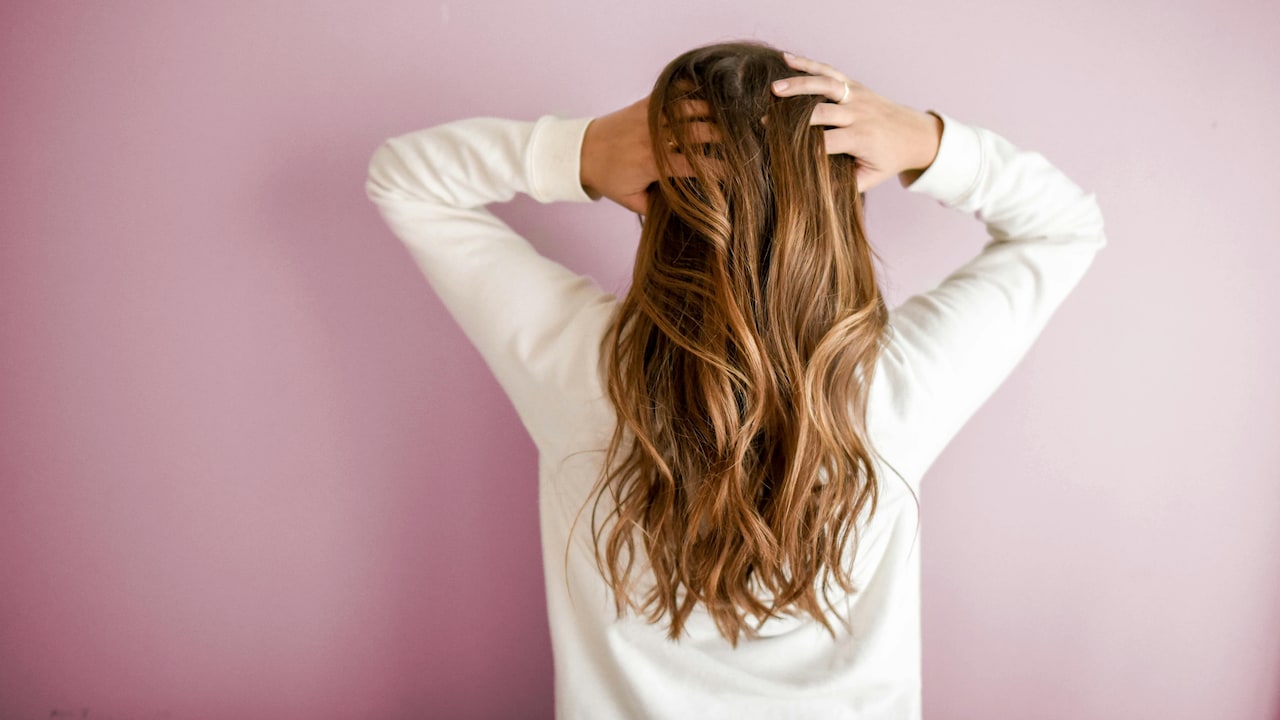
Keep bad hair days at bay by avoiding these common oiling problems; Photo Credit: Pexels
This isn't bad luck or 'hair type issues'. In most cases, it's a technique. Oiling works, but only when done with intention. Too much oil, the wrong oil, poor timing, or incorrect washing can undo all the good in a single night. Hair doesn't magically absorb oil just because it's applied. The scalp is skin, not a sponge, and hair lengths behave very differently from roots.
The good news? Most oiling problems are easy to fix once the habits behind them are understood. Below are the most common hair oiling mistakes that make hair feel amazing at night but worse the next day, and what's really happening beneath the surface.
Also Read: How I Keep My Hair Soft And Strong In Just 5 Simple Steps
Why Your Hair Reacts Differently The Day After Oiling
1. Using Too Much Oil, Assuming More Means Better Nourishment
A generous pour feels comforting, but hair rarely needs that much oil. When excess oil sits on the scalp overnight, it doesn't penetrate deeper; it just lingers. This traps heat, sweat, and dirt, creating a greasy film that weighs hair down by morning.
Heavy oiling also makes washing harder. Shampoo struggles to break through thick layers, leading to residue that leaves hair limp, sticky, or dull the next day. The scalp may feel coated rather than clean, which often triggers itching or tiny bumps along the hairline.
Hair oiling works best when it's light and deliberate. A few drops spread evenly can nourish without suffocating the scalp. Think of oil as a supplement, not a soak. When hair feels worse the next day, it's often reacting to overload, not lack of care.
A useful check: if oil drips, runs, or transfers heavily onto pillows, it's already too much. Healthy hair responds to balance, not excess.
2. Oiling the Scalp When the Real Problem Is Dry Lengths
Many people oil the scalp automatically, even when dryness, frizz, or breakage live mostly in the lengths. The scalp naturally produces oil. Hair ends don't. Treating both the same way often backfires.
Applying oil directly to the scalp when it isn't dry can clog follicles and make roots greasy by morning. Meanwhile, the ends still feel rough because the oil never reaches where it's actually needed. This mismatch leaves hair looking flat at the top and unruly below.
Hair behaves in zones. Scalp health needs light nourishment and airflow. Lengths need sealing, softness, and protection from friction. When oiling ignores this difference, results turn messy fast.
A smarter approach targets oil where it's required. A light scalp massage when dryness or flaking exists. A separate, gentle application on mid-lengths and ends when hair feels brittle. Hair feels better the next day when each part gets what it actually needs.
3. Leaving Oil On for Too Long, Especially Overnight
Overnight oiling sounds convenient, but longer isn't always better. When oil sits on the scalp for extended hours, it mixes with sweat, dead skin, and environmental dust. This can block follicles and disrupt the scalp's natural balance.
Many wake up with greasy roots, itchy patches, or hair that refuses to cooperate. That's not nourishment, it's congestion. The scalp thrives on clean cycles, not constant coating.
Shorter oiling sessions often work better. Even 30–60 minutes allows enough time for conditioning without inviting buildup. The softness felt immediately after oiling doesn't mean absorption continues all night.
Hair feels great right after oiling because the friction is reduced. The next day feels worse because the residue remains. Timing matters more than tradition. Letting oil sit just long enough keeps hair light, responsive, and easier to wash clean.
4. Choosing the Wrong Oil for Hair Type and Climate
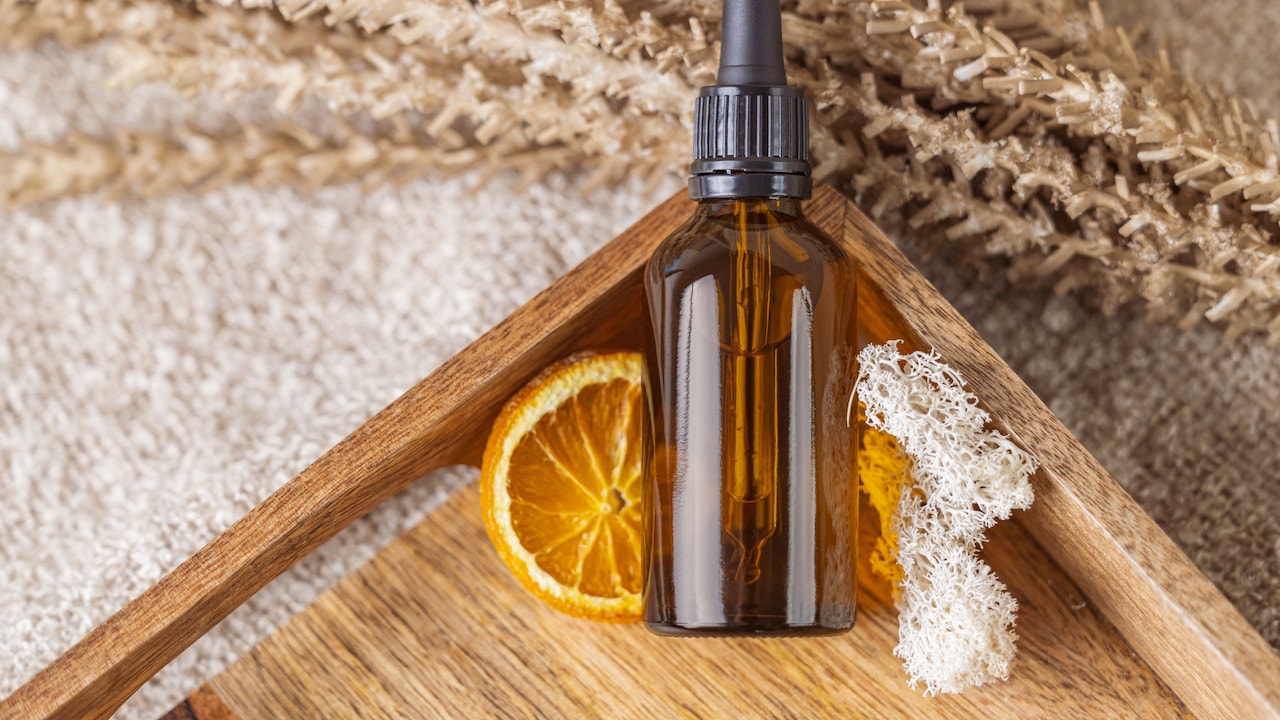
Not all oils behave the same way. Thick oils can feel comforting but may be too heavy for fine hair or humid weather. Lighter oils suit frequent oiling, while heavier ones work better as occasional treatments.
When oil choice doesn't match hair needs, the next-day fallout shows quickly, flat roots, sticky strands, or dull shine. Humidity worsens this by preventing oil from settling properly, making hair look greasy instead of glossy.
Hair also changes with the seasons. What works during dry winters can overwhelm hair during warmer months. Using the same oil year-round often explains inconsistent results.
Hair responds best when oil matches texture, density, and weather. Lightweight oils for regular use. Richer oils for targeted repair. When oil complements hair instead of fighting it, the next day finally looks as good as the night before.
5. Not Washing Oil Out Properly the Next Day
The oiling may be perfect, but washing undoes it. A rushed rinse or weak shampoo leaves residue behind. This makes hair feel heavy, sticky, or strangely dry at the same time.
Some avoid proper cleansing to 'protect' hair, but leftover oil attracts dirt faster. By the next day, hair loses bounce and starts to smell stale. The scalp feels coated, not calm.
Gentle but thorough cleansing matters. Lukewarm water, proper lather, and enough time allow shampoo to do its job. Double cleansing helps when heavier oils are used.
Clean hair doesn't mean stripped hair. When oil washes out fully, hair feels lighter, smoother, and more manageable. That fresh, airy feel is what oiling was meant to enhance, not sabotage.
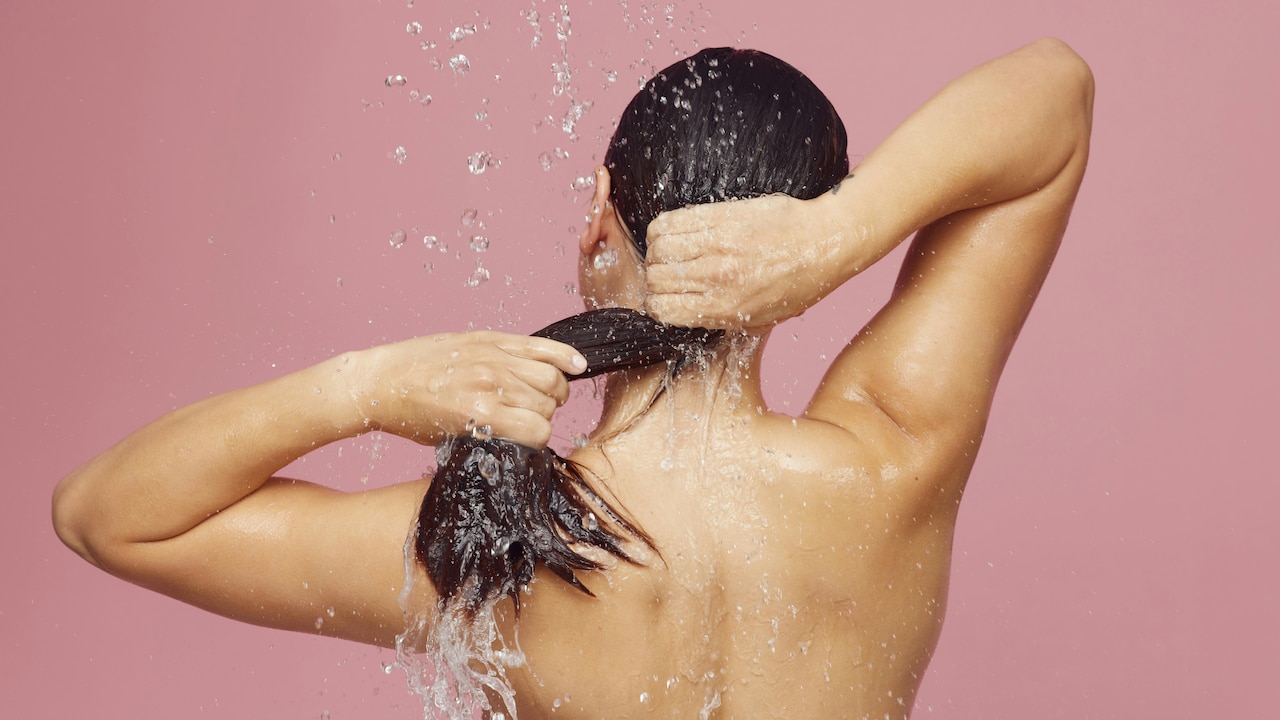
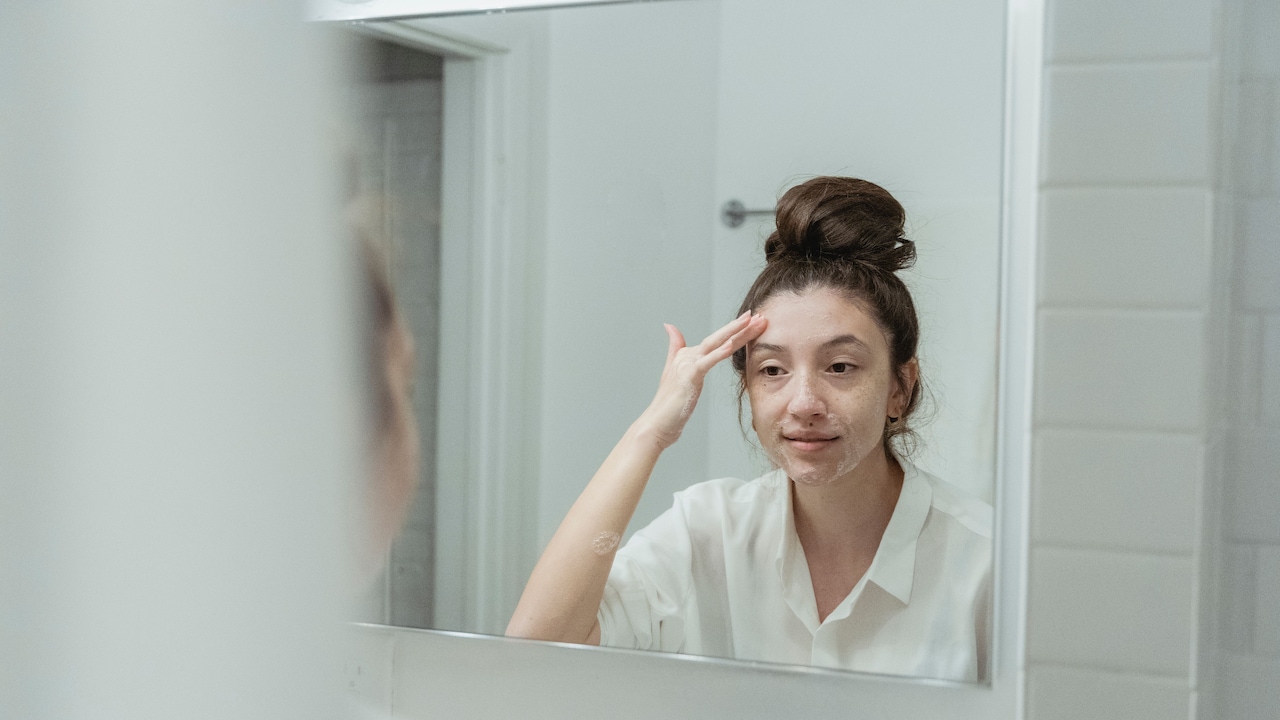
Not cleaning your scalp and strands deeply can also cause bad hair days; Photo Credit: Pexels
6. Massaging Too Aggressively While Oiling
A firm massage feels satisfying, but rough handling irritates the scalp. Nails, excessive pressure, or fast circular motions can inflame follicles and trigger oil overproduction as a defence response.
This leads to a greasy scalp by morning and increased sensitivity over time. Some notice hair shedding more after oiling, not because of the oil, but because the scalp feels stressed.
A massage should stimulate, not scratch. Gentle fingertip pressure improves circulation without causing micro-damage. The goal is relaxation, not friction.
Hair oiling should calm the scalp, not provoke it. When the scalp feels comfortable after oiling, hair behaves better the next day. Tenderness or soreness is a sign that the massage went too far.
7. Oiling Dirty Hair, Assuming Oil Will 'Cleanse' It
Oiling hair that already has product buildup, sweat, or pollution traps impurities against the scalp. Instead of nourishing, oil seals dirt in place.
This often explains why hair feels slick initially but looks lifeless the next day. The scalp struggles to breathe, and washing becomes harder.
Oil isn't a cleanser. It doesn't dissolve grime the way shampoo does. Applying it to unclean hair creates layers that don't benefit either scalp or strands.
Hair responds best when oiling follows clean or lightly refreshed hair. That way, oil nourishes skin and hair directly instead of locking in yesterday's residue. Clean base, better results, every time.
8. Treating Oiling as a Cure-All for Hair Problems
Oiling helps, but it doesn't fix everything. Hair fall, breakage, frizz, or dullness often have multiple causes, such as stress, diet, heat styling, or harsh water.
When oiling is expected to solve all problems, disappointment follows. Hair may feel softer temporarily, but revert quickly because the root issue remains.
This leads to over-oiling, frequent application, and heavier buildup. The cycle worsens hair health rather than improving it.
Oil works best as support, not a miracle solution. Combined with gentle washing, minimal heat, and regular trims, oiling enhances results instead of carrying all the responsibility alone.
9. Ignoring Hair Porosity and Texture
Some hair absorbs oil quickly. Some let it sit stubbornly on the surface. This depends on porosity, how open or closed the hair cuticle is.
Low-porosity hair often feels greasy fast because oil doesn't sink in easily. High-porosity hair may drink oil but still feel dry by morning.
Applying oil without considering this leads to uneven results. Hair feels great briefly, then misbehaves.
Understanding how hair reacts helps adjust quantity, oil type, and timing. When oil works with hair structure, results last longer, and styling becomes easier the next day.
10. Expecting the 'Oiled Hair' Look to Last After Washing
That post-oil shine is mostly slip and surface coating. Once washed, hair returns to its natural state. Expecting the same glossy feel leads to the belief that oiling 'didn't work'.
The real benefit of oiling shows up subtly, less breakage, calmer scalp, smoother texture over time. Not instant silkiness.
Hair feels worse the next day when expectations don't match reality. Oiling is maintenance, not instant polish.
When oiling is judged by long-term health rather than next-day shine, results feel more consistent and satisfying.
Products Related To This Article
1. Parachute Advansed Rosemary-enriched Coconut Hair Oil
2. Hegza Black Charm hair oil
3. Mamaearth Rosemary Hair Growth Oil With Rosemary
4. Dabur Almond Oil
5. Nat Habit Neem Bhringraj Anti Dandruff Summer Dasabuti
Hair oil isn't failing. Habits are. Most next-day hair struggles come from excess, timing, or misunderstanding how hair actually behaves. Oil works best when it's light, targeted, and intentional.
When applied with care, and washed out properly, it supports hair instead of weighing it down. The difference lies in balance. Once oiling stops feeling like a ritual and starts acting like a routine tailored to hair needs, that frustrating next-day slump quietly disappears. Good hair days don't come from more oil. They come from better oiling.
(Disclaimer: This article may include references to or features of products and services made available through affiliate marketing campaigns. NDTV Convergence Limited (“NDTV”) strives to maintain editorial independence while participating in such campaigns. NDTV does not assume responsibility for the performance or claims of any featured products or services.)