Top 10 Common Hair Steamer Mistakes That Weaken Roots
Hair steamers can boost strength when done properly, but simple mistakes may cause root damage. This guide reveals 10 common hair steaming errors and tips to prevent them.
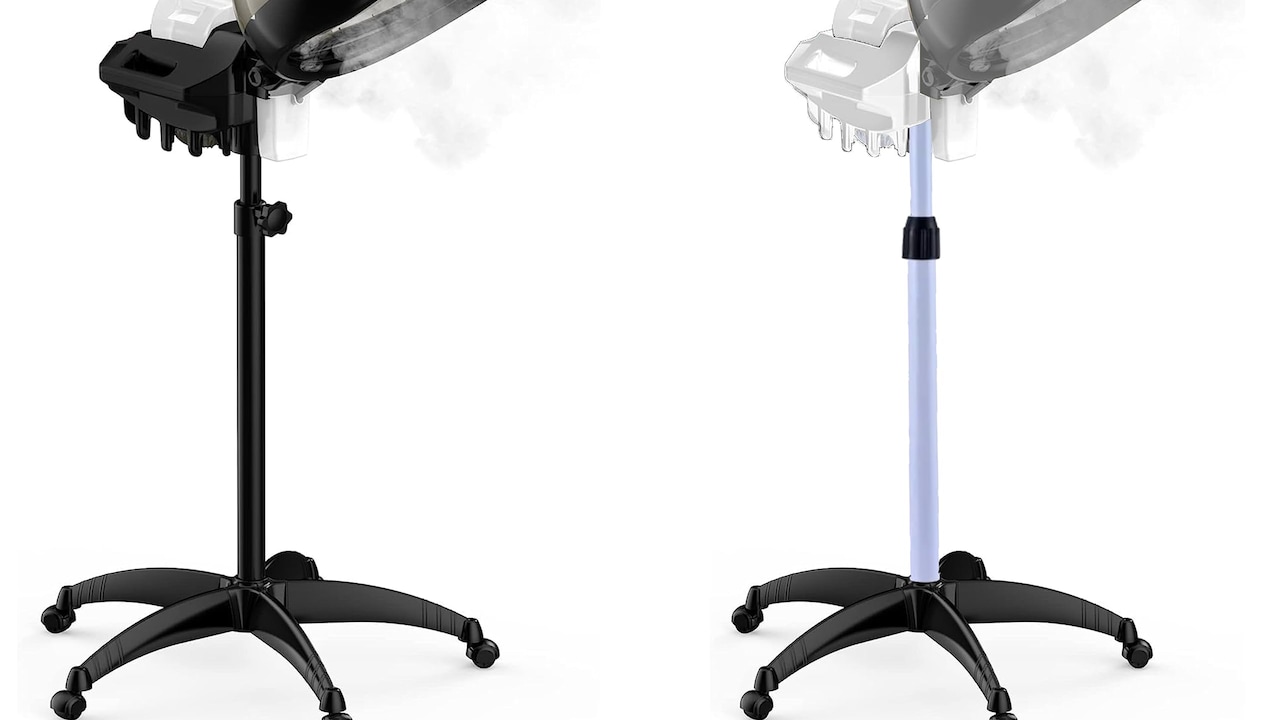
Using a Hair Steamer? These 10 Common Mistakes May Be Causing Hair Fall.
Hair care trends come and go, but steaming has stayed firmly in the spotlight. It feels comforting, almost spa-like, and the results can look impressive after just one session. Soft curls, relaxed frizz and shiny lengths often steal the show. However, beneath that glossy finish, roots may quietly suffer if steaming goes wrong. Many people treat hair steamers like magic gadgets. Switch on, sit back, and hope for miracles. Hair and scalp health, though, do not work that way. Roots need balance, patience and a little know-how. Too much heat, poor timing or the wrong products can turn a nourishing habit into a weakening one. So, here we explain the top 10 common hair steamer mistakes that can weaken roots.
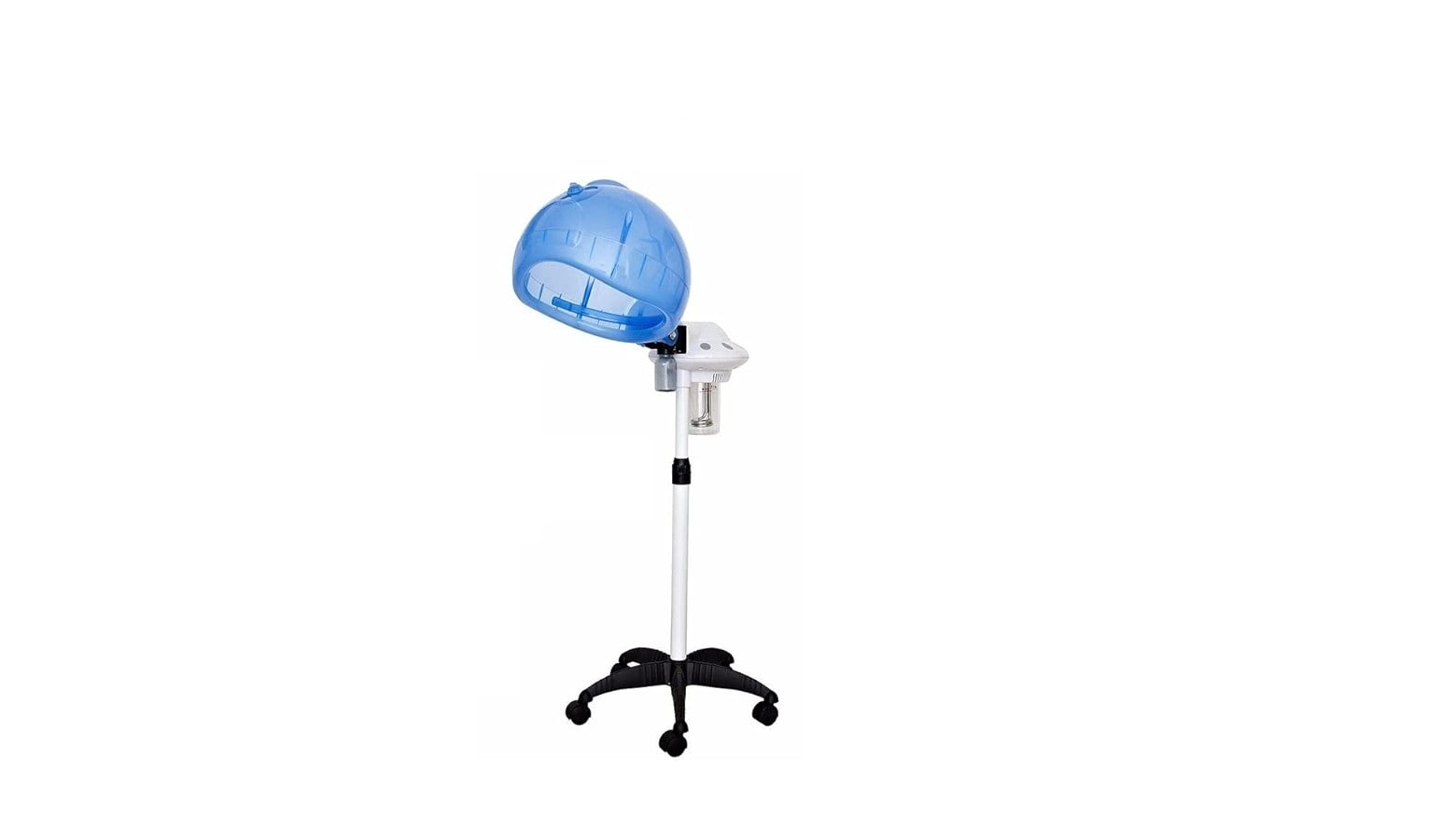
Using a Hair Steamer? These 10 Common Mistakes May Be Causing Hair Fall
Photo Credit: Pexels
Each point in this article reflects real habits seen in homes, salons and busy mornings before work or weddings. With small adjustments, steaming can support stronger roots instead of stressing them.
Also Read: 5-Step Home Hair Spa Routine For Soft Hair
Where Hair Steaming Often Goes Wrong
1. Steaming Hair Too Frequently
Steaming feels so good that it often becomes a weekly or even twice-a-week habit. That enthusiasm, though, can quietly backfire. Hair roots thrive on balance. Excessive steam keeps the scalp damp for long periods, which weakens follicles over time.
Too much moisture swells the hair shaft repeatedly. This constant expansion puts pressure on roots and leads to breakage close to the scalp. The scalp may also lose its natural oils, leaving it dry and overactive. Some people notice increased hair fall a few weeks after starting frequent steaming and blame stress or diet, when the real issue sits right at the roots.
A better approach involves moderation. Once every ten to fourteen days suits most hair types. Those with very dry or textured hair may stretch it slightly, but daily or weekly steaming rarely helps. Roots enjoy breathing space just as much as nourishment.
Steaming should feel like a treat, not a routine chore. When spaced out properly, it supports moisture retention without overwhelming delicate follicles.
Also Read: How I Keep My Hair Soft And Strong In Just 5 Simple Steps
2. Using Steam On A Dirty Scalp
Life gets busy, and sometimes steaming happens without washing hair first. This mistake ranks among the most damaging. Dirt, sweat, oil and product residue sit on the scalp daily. Steam opens pores and pushes all that build-up deeper into the skin.
Roots struggle when pores clog. Follicles weaken, scalp itchiness increases, and hair fall soon follows. Steaming on an unclean scalp turns a healthy practice into a recipe for blocked roots and dull hair growth.
A gentle cleanse before steaming clears the path for moisture and nutrients. A mild shampoo works well, followed by light towel drying. Hair does not need to be wet before steaming. Clean roots absorb goodness better and stay healthier longer.
Skipping this step saves ten minutes but costs months of hair strength. Clean scalp first, steam second. Roots will thank you quietly but consistently.
3. Overheating The Steamer
Heat feels comforting, especially during cooler months. Many people assume hotter steam means deeper treatment. Unfortunately, roots strongly disagree. High temperatures irritate the scalp, weaken follicles and trigger sensitivity.
Overheated steam strips natural oils and causes micro burns that often go unnoticed. The scalp may feel tight or itchy later, as early signs of damage beneath the surface. Hair roots exposed to extreme heat lose grip, leading to increased shedding during combing.
Modern steamers usually offer adjustable settings. Medium heat works best for most hair types. The goal involves gentle warmth, not sauna-level heat. Sitting too close to the steamer also increases risk, especially with handheld devices.
If steam feels uncomfortable on the scalp, damage already begins. Comfort acts as the best guide. Warmth should relax, not sting. Roots grow stronger when treated kindly.
Using a Hair Steamer? These 10 Common Mistakes May Be Causing Hair Fall
Photo Credit: Pexels
4. Steaming Without Applying Any Product
Some believe steam alone hydrates hair. Steam actually opens the cuticle but does not lock in moisture on its own. Without a nourishing product, hair dries out quickly after the session, leaving roots exposed and stressed.
Steaming bare hair resembles opening windows during a storm but forgetting to close them later. Moisture escapes, leaving strands brittle. Roots suffer as hair near the scalp weakens and snaps easily.
A light conditioner, hair mask or natural oil works well before steaming. Products infused with aloe vera, coconut oil or shea butter pair beautifully with steam. They penetrate deeper when cuticles open, strengthening hair from root to tip.
Less proves more here. Heavy layers weigh roots down. A thin, even application ensures steam works as intended. Steaming without product wastes time and risks dryness disguised as softness.
5. Leaving Hair Tied Or Tightly Covered
Tight buns, clips or scarves during steaming seem convenient. They keep their hair neat and off the face. Sadly, roots pay the price. Steam needs space to circulate evenly across the scalp.
Tightly tied hair traps heat in specific areas. This uneven exposure stresses roots and weakens follicles under constant tension. The scalp also struggles to breathe, increasing sweat and irritation.
Loose sectioning works far better. Hair should hang freely or sit in soft, wide sections. A loose shower cap allows steam to spread evenly without pulling at roots. Scarves wrapped tightly around the head restrict airflow and undo the benefits.
Roots grow best without constant pressure. Steaming should feel freeing, not restrictive. Let hair relax fully during the process.
Also Read: How To Use Hair Masks Correctly For Softer, Frizz-Free Hair
6. Ignoring Scalp Type And Sensitivity
Every scalp behaves differently. Some stay dry, others oil up quickly, and some react to the slightest change. Treating all scalps the same causes trouble, especially with steam.
Sensitive scalps often react badly to prolonged steaming. Redness, itching or flaking signal stress beneath the surface. Oily scalps may overproduce sebum after steaming, clogging follicles further.
Understanding scalp needs prevents long-term damage. Dry scalps benefit from shorter sessions with nourishing oils. Oily scalps need lighter products and less frequent steaming. Those prone to dandruff should limit steam and focus on scalp health first.
Listening to scalp reactions matters more than following trends. Roots communicate through discomfort long before visible hair fall appears. Paying attention early saves months of repair later.
7. Steaming For Too Long
More time does not equal better results. Many sit under the steamer for 30 to 45 minutes, hoping for salon-like effects. Extended steaming overhydrates hair and weakens roots.
Hair absorbs moisture quickly. Beyond 15 to 20 minutes, benefits plateau while risks rise. Overexposure makes strands overly elastic, leading to breakage near the scalp. Roots lose strength as follicles stay in a damp environment too long.
Short, focused sessions work best. Setting a timer helps avoid accidental oversteaming, especially during relaxing routines with music or scrolling. Hair responds better to consistency than marathon sessions.
Steaming should enhance hair health, not test endurance. Roots prefer brief nourishment over prolonged soaking.
8. Skipping Post-Steam Care
The job does not end when the steamer switches off. Many rinse their hair immediately or leave it exposed to fans and air conditioning. This sudden temperature change shocks the scalp and weakens roots.
After steaming, cuticles stay open for a short time. This window allows sealing moisture in or letting it escape. Rinsing with cold water or applying a light serum helps close cuticles gently.
Air-drying in a calm environment works best. Avoid tying hair up while still warm and damp. Letting roots cool naturally preserves strength and prevents unnecessary shedding.
Post-steam care often decides whether roots gain strength or suffer stress. Those extra ten minutes make a noticeable difference over time.
Also Read: Up To 80% Off On Top 5 Haircare Products You Need On Myntra Right To Fashion Sale
9. Using Poor-Quality Or Faulty Steamers
Not all steamers treat hair equally. Cheap devices often release uneven heat or spit hot water droplets onto the scalp. Faulty wiring or blocked vents increase the risk of burns and root damage.
A good steamer distributes consistent, gentle steam. Investing ₹2,000–₹4,000 in a reliable device saves far more on treatments later. Regular cleaning also matters. Mineral build-up from hard water affects steam quality and introduces impurities.
Checking cords, vents and water levels before use prevents accidents. Steamers need care just like any other beauty tool. Roots suffer silently when equipment fails.
Quality tools protect hair health. Compromising here often leads to regret disguised as sudden hair fall.
10. Expecting Steam To Fix Everything
Hair steaming supports healthy routines but cannot repair poor habits alone. Many expect steam to reverse damage from harsh chemicals, heat styling or nutritional gaps. This unrealistic hope often leads to disappointment and overuse.
Roots need holistic care. Balanced meals, gentle handling, proper oiling and stress management all matter. Steam enhances the effects of good habits but cannot replace them.
Relying solely on steaming masks to address underlying issues. Hair fall continues, and frustration builds. Recognising steam as a supportive step, not a miracle cure, keeps routines grounded and effective.
Strong roots grow from consistency, patience and care. Steam plays a role, but the bigger picture shapes long-term results.
Products Related To This Article
1. THEODORE Hair Care Thermal Head Spa Cap Treatment with Beauty Steamer Nourishing Heating Cap
2. 2 in 1 Facial Steamer and Hair Steamer Face Sauna Humidifier
3. NexLev Steamer For Cold & Cough
4. AGARO Prima Facial Steamer 2 in 1 Hair and Face Steamer for Natural Hair with UV Ozone
5. Microwaveable Deep Conditioning Heat Cap
Hair steaming holds genuine benefits when used wisely. It softens hair, boosts moisture retention and offers moments of calm in busy routines. Yet small mistakes quietly weaken roots and undo progress. Healthy hair roots support confident hair days, fewer strands on the pillow and stronger growth over time. With mindful steaming, hair care shifts from trial and error to informed self-care. Hair roots respond best to balance, patience and a little kindness.
(Disclaimer: This article may include references to or features of products and services made available through affiliate marketing campaigns. NDTV Convergence Limited (“NDTV”) strives to maintain editorial independence while participating in such campaigns. NDTV does not assume responsibility for the performance or claims of any featured products or services.)