Why Haircare Products Stop Working After Great Initial Results
Haircare products often deliver impressive results at first, only to disappoint later. From build-up to changing hair needs, this article explores why products stop working, and how habits, environment and expectations play a role.
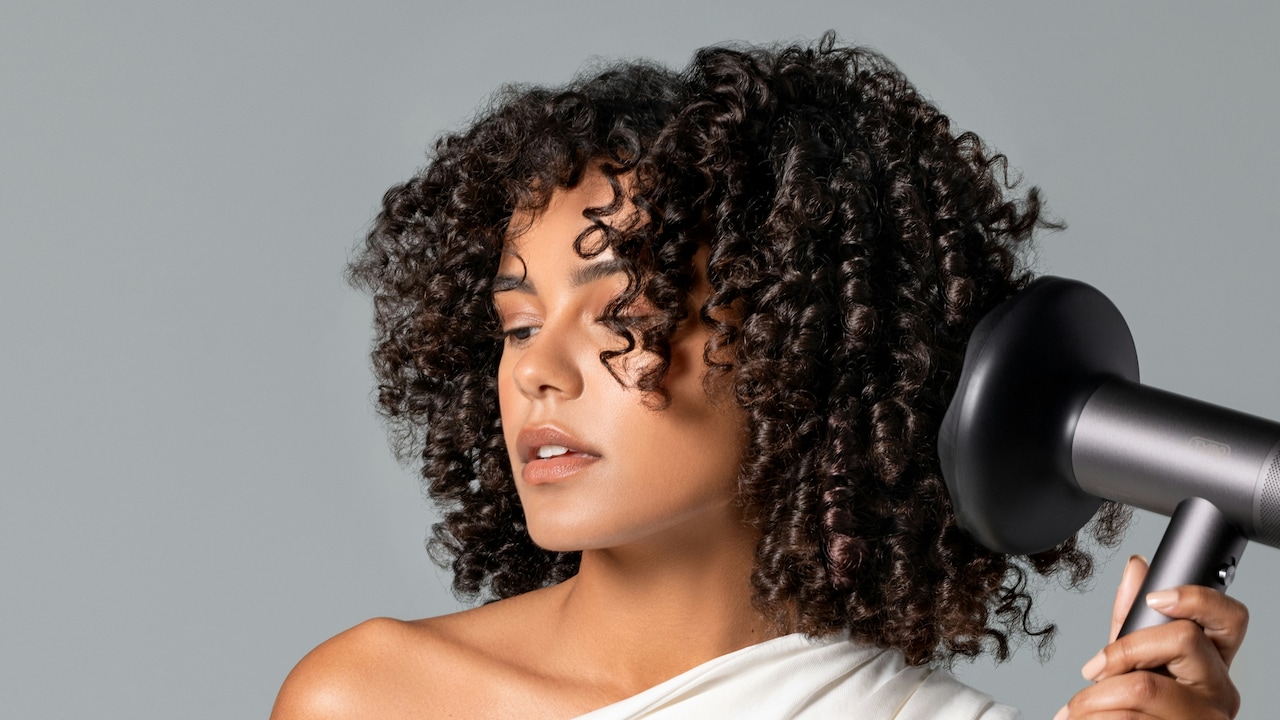
Haircare Products That Stop Working: Here Is Why They Fail After Great Initial Results.
Almost everyone remembers a moment when a haircare product felt life-changing. Hair turned softer, shinier, more manageable. Compliments followed. Confidence rose. Then, without warning, the magic faded. The same bottle, same routine, yet results vanished. This experience sparks confusion and even suspicion. Did the formula change? Did the brand cheat? Or did hair simply get bored?
Hair behaves like a living diary. It records stress, diet, weather, water quality, and routines. Products interact with all these factors. Early success often comes from novelty rather than permanence. Understanding why results fade helps reset expectations and rebuild healthier habits. This article explores ten reasons behind this familiar disappointment, using relatable examples, everyday humour, and practical insight. No lab coats required, just curiosity and honesty.
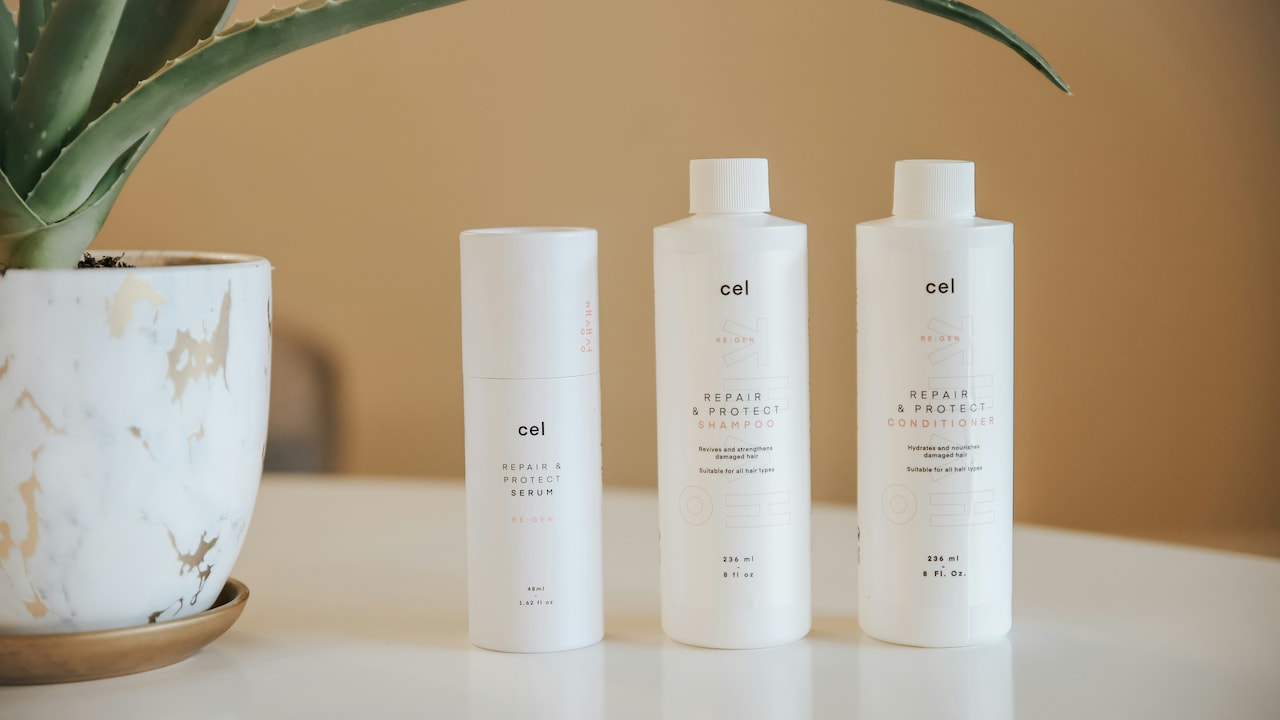
Haircare Products That Stop Working: Why They Fail After Great Initial Results
Photo Credit: Pexels
Haircare Products That Stop Working: The Science Behind Fading Results
1. Product Build-Up: When Good Things Overstay Their Welcome
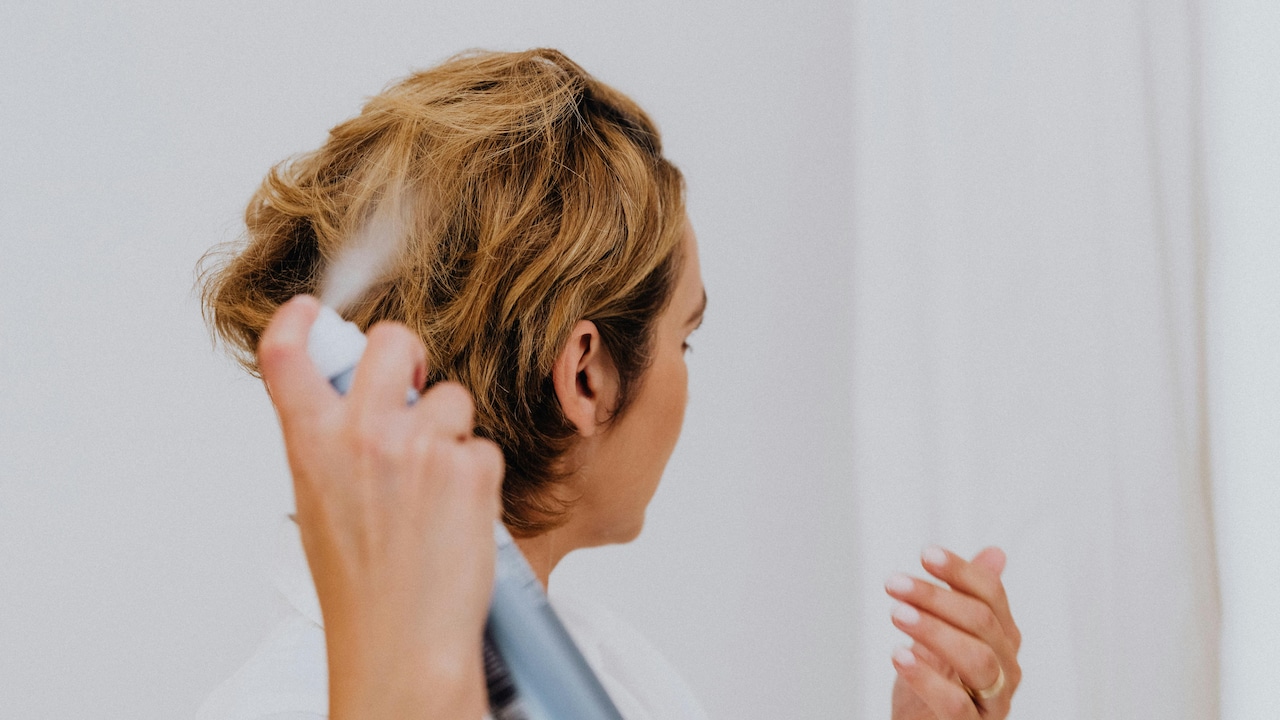
Many products work brilliantly at first because they coat the hair. Silicones, polymers, and conditioning agents smooth the cuticle and create instant shine. Hair feels softer after just a few washes. Over time, these ingredients pile up. Each wash adds another layer. Hair starts to feel heavy, dull, or greasy despite regular cleansing.
This build-up blocks moisture from entering the hair shaft. The scalp may react too. Itchiness, flakes, or limp roots often follow. The product hasn't failed; it has simply done too much of its job. Think of it like applying oil every day without a proper cleanse. Initially nourishing, eventually suffocating.
Clarifying shampoos or occasional breaks help reset the balance. Many people discover that alternating products restores results. Hair enjoys variety more than loyalty. That trusted bottle still works, just not every single day. Moderation often brings back the shine that first caused excitement.
2. Hair Changes with Seasons, Stress, and Age
Hair never stays the same. Weather alone can transform it. Humid monsoons invite frizz, while dry winters demand extra moisture. A product that performed well in March may struggle in July. Add stress, sleep patterns, and hormonal shifts, and hair behaviour changes even faster.
Daily life plays a role too. Long work hours, traffic stress, and skipped meals show up first in hair texture. A shampoo that once controlled oil may suddenly feel too harsh. A rich mask might start weighing hair down. Products don't adapt; hair does.
Age adds another layer. Hair strands thin over time. Natural oils reduce. What worked during college years may feel wrong a decade later. Instead of blaming the product, it helps to re-evaluate current needs. Haircare thrives on listening rather than stubborn routine.
3. The Scalp-Hair Disconnect
Most people focus on strands and forget the scalp. Early results often come from improved scalp health. Reduced dandruff or oil creates better-looking hair. Over time, the scalp adjusts. Oil production may increase or slow down, depending on ingredients used.
Some products strip the scalp aggressively at first. Oil production dips, giving a fresh, clean feel. The scalp then fights back by producing more oil. Suddenly, hair feels greasy within a day. The product seems ineffective, but the scalp simply seeks balance.
Healthy hair starts at the roots. Ignoring scalp needs leads to disappointment. Gentle formulas, scalp massages, and occasional exfoliation help maintain harmony. When the scalp feels calm, products perform better for longer. Hair responds quickly to this shift, often within weeks.
4. Overuse and the Myth of “More Is Better”
That satisfying moment when shampoo foams generously often leads to overuse. Conditioners get applied from roots to ends. Serums get layered generously. Early on, hair tolerates this enthusiasm. Over time, it rebels.
Hair needs only a small amount of product. Excess residue dulls shine and attracts dirt. Overuse also leads to faster build-up, which reduces effectiveness. Many products seem to “stop working” simply because hair feels overwhelmed.
Using less often works better. A coin-sized amount of serum or a small dollop of conditioner usually suffices. Haircare works like good cooking, balance matters more than quantity. Once usage drops, results often return. The same bottle suddenly feels useful again.
5. Hard Water and Environmental Factors
Water quality quietly shapes hair health. Hard water contains minerals like calcium and magnesium. These minerals cling to hair strands and block product absorption. A shampoo may cleanse well initially, then struggle as mineral deposits increase.
City water also varies by area. A product used during travel may feel different back home. Pollution adds another challenge. Dust and smoke cling to hair, making products seem weaker over time.
Haircare doesn't exist in isolation. Environmental factors influence results daily. Using water filters or clarifying treatments helps. Protective hairstyles and gentle cleansing reduce damage. Once environmental stress eases, products regain their strength. Hair simply needed a cleaner canvas.
6. Marketing Promises Versus Reality
Initial excitement often comes from expectations. New launches promise dramatic transformations. Packaging looks premium. Influencers rave. Early results feel impressive because hope runs high. Over time, reality settles in.
Haircare products rarely deliver permanent miracles. They support, enhance, and maintain. They don't change hair type. When expectations shift from magic to maintenance, disappointment reduces. Products seem less effective only because the novelty fades.
Understanding this saves money and frustration. A ₹1,200 serum won't rewrite genetics. It can smooth frizz or add shine temporarily. Accepting this truth helps appreciate products for what they offer. Consistent care matters more than chasing the next miracle bottle.
7. Hair Becomes “Used To” a Formula, Sort Of
Hair doesn't develop immunity, but behaviour adapts. When a product adds protein repeatedly, hair stiffens. When moisture dominates, hair feels limp. Balance shifts quietly until results change.
This creates the illusion that hair gets “used to” a product. In reality, hair needs different support at different times. Rotating between moisture-focused and protein-based products keeps hair responsive.
Listening to texture helps. Hair that snaps needs moisture. Hair that feels stretchy needs strength. Adjusting products accordingly prevents stagnation. The same brand may still work, just with a different variant. Hair enjoys thoughtful attention more than blind loyalty.
Also Read: How To Maintain Hair Wigs: 5 Simple Habits for Long-Lasting Results
8. Styling Habits Cancel Out Product Benefits
Heat styling, tight hairstyles, and rough towel drying undo good care. A nourishing mask can't compete with daily straightening. Early results appear because hair damage remains low. Over time, styling habits catch up.
Split ends, breakage, and dryness make products seem ineffective. They still work, but damage masks results. Haircare supports, it doesn't repair permanently. Treating hair gently extends product performance.
Lower heat settings, heat protectants, and air-drying help. Small habit changes amplify results. Hair rewards patience quickly. Products regain their charm once styling stress reduces. Often, the issue lies not in the bottle but in daily routines.
Haircare Products That Stop Working: Why They Fail After Great Initial Results
Photo Credit: Pexels
9. Diet, Health, and Internal Factors
Hair reflects inner health. Early product success often coincides with good nutrition or lower stress. When diet slips or health changes, hair suffers. Products then appear weaker.
Skipping meals, low protein intake, or dehydration show up as dullness and hair fall. No topical product can fully mask this. Supplements may help, but balanced meals matter more.
Haircare works best as part of a larger lifestyle. Adequate sleep, hydration, and mindful eating support visible results. When internal balance improves, products perform better again. Hair thrives when care starts from within.
10. Emotional Fatigue and Boredom
Sometimes, the product hasn't failed at all. Familiarity dulls excitement. That once-beloved fragrance now feels ordinary. Results feel less impressive because attention drifts.
This emotional fatigue affects perception. Switching products refreshes interest, not necessarily hair. A new bottle creates renewed focus and care. Hair responds to consistency more than novelty.
Taking breaks helps. Returning to an old favourite often brings appreciation back. Haircare feels personal because it ties to self-image. A little boredom doesn't mean failure. It simply signals the need for mindful routine rather than constant change.
Products Related To This Article
1. WishCare Multi Peptide Anti Hairfall Shampoo with Rice Water
2. L'Oréal Paris Total Repair 5 Shampoo | For Damaged And Weak Hair
3. BBlunt Hair Fall Control Shampoo & Conditioner with Pea Protein & Caffeine
4. Pilgrim Korean Rice Water & Collagen Advanced Damage Repair Shampoo|Hair Fall Control
5. The Plant Fix Plix Anti Hairfall Regime| Advanced Shampoo-Conditioner
Haircare products rarely stop working overnight. They respond to changing hair, habits, environment, and expectations. Early success often comes from novelty, balance, and excitement. Over time, subtle shifts change results. Understanding these patterns prevents frustration and impulsive spending.
Hair thrives on variety, moderation, and attention. Products work best when paired with gentle habits, realistic expectations, and internal care. The next time a trusted bottle disappoints, pause before blaming it. Hair may simply be asking for something different. In that conversation between hair and care, listening always works better than switching shelves.
(Disclaimer: This article may include references to or features of products and services made available through affiliate marketing campaigns. NDTV Convergence Limited (“NDTV”) strives to maintain editorial independence while participating in such campaigns. NDTV does not assume responsibility for the performance or claims of any featured products or services.)