How To Choose The Right Foundation Shade Online: Expert Tips To Avoid Guesswork
Buying foundation online doesnt have to be a gamble. Learn expert-backed ways to identify your true shade, avoid undertone mistakes, and shop smarter, without wasting money or ending up with mismatched makeup. Find the right foundation shade for yourself with these shopping tips.

Struggling To Match Foundation Online? Expert Tips To Get The Right Shade Every Time.
Foundation sits at the heart of every makeup routine. When the shade works, skin looks fresh, even, and naturally radiant. When it doesn't, the face can appear dull, patchy, or oddly mismatched with the neck. Shopping online adds another layer of challenge. Lighting lies, screens exaggerate, and shade names often confuse more than they help. Yet online shopping has become the norm. Busy schedules, endless brand choices, and tempting discounts make it hard to resist. The good news? Guesswork does not need to rule the process anymore. With a deeper understanding of skin tone, undertone, and smart digital tricks, choosing the right foundation shade online can feel far less intimidating.

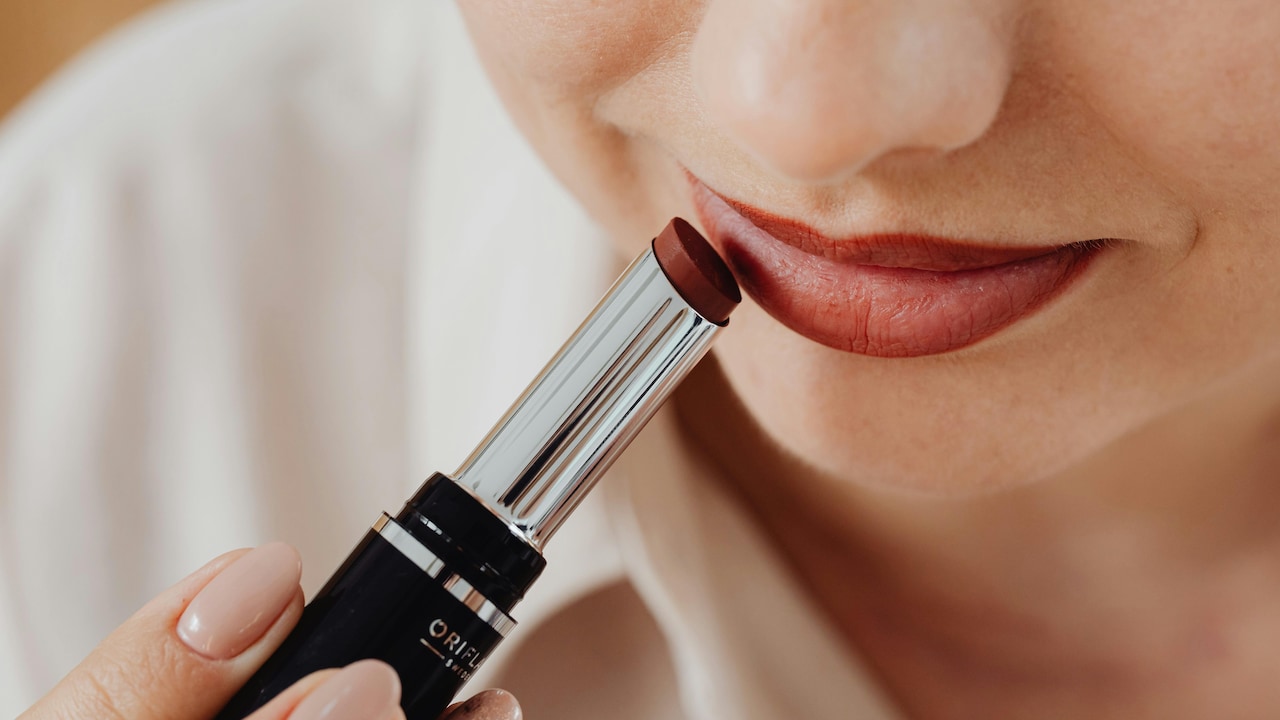
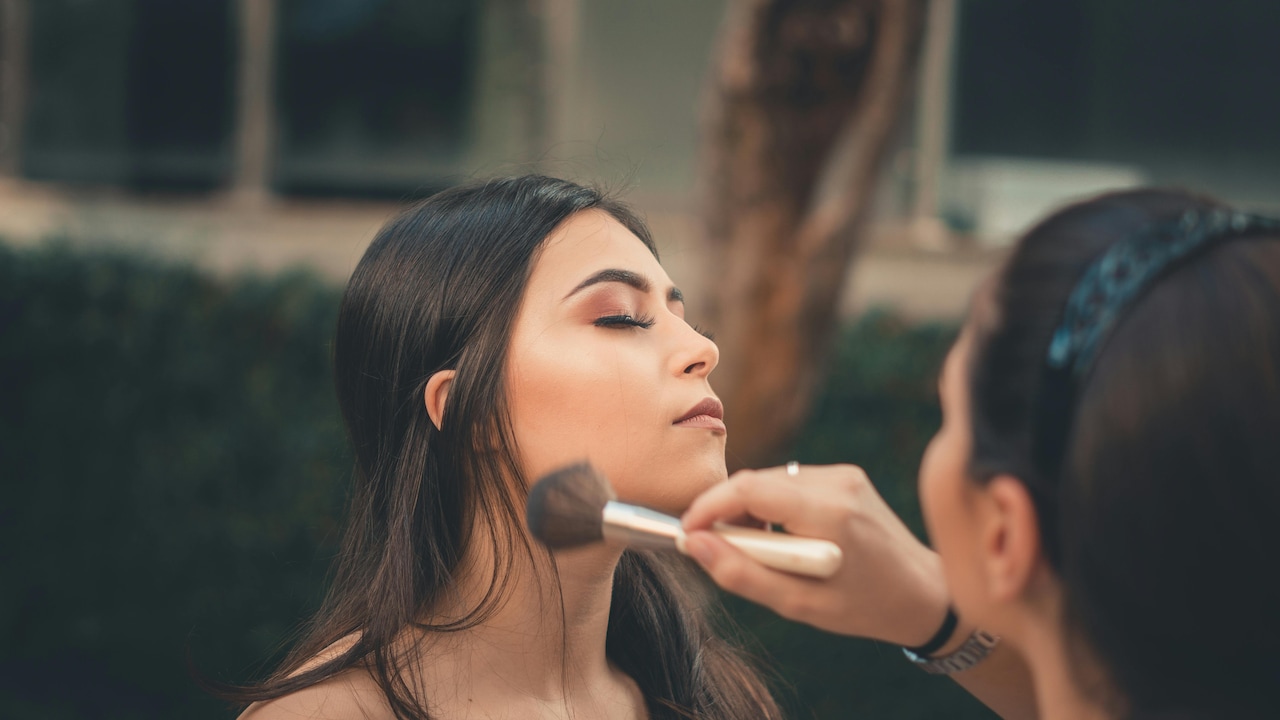
Discover your ideal foundation shade online with these buying tips; Photo Credit: Pexels
This article explores expert-approved methods, cultural nuances, and everyday realities that make online foundation shopping easier. Expect practical tips, relatable examples, and a touch of humour, because makeup should feel fun, not frustrating.
Also Read: Luxury Foundations That Are Worth Trying For Added Sun Protection
Makeup Artists And Skin Experts Share What Actually Works Online
1. Understand Skin Tone vs Undertone (They Are Not the Same)
Skin tone refers to how light or deep the skin appears on the surface. Undertone runs beneath it and never changes, even after sun exposure or a long summer holiday. Many foundation mistakes happen because the undertone gets ignored.
Undertones usually fall into three families: warm, cool, and neutral. Warm undertones lean golden, yellow, or slightly peachy. Cool ones show hints of pink, red, or bluish tones. Neutral undertones sit comfortably in between.
A quick home trick helps. Look at the veins on the wrist in natural daylight. Greenish veins often point to warmth. Bluish ones suggest cool tones. If it feels hard to decide, neutral may be the answer. Another clue lies in jewellery. Gold flatters warm undertones, while silver suits cooler ones.
Online shade charts often label undertones clearly. Words like “warm beige,” “cool sand,” or “neutral ivory” offer helpful hints. Ignoring undertone leads to foundations that turn grey, orange, or oddly pink after application. Understanding this difference saves time, money, and heartbreak.
2. Decode Brand Shade Names Without Falling for the Trap
Shade names sound poetic but are rarely practical. “Warm Almond,” “Golden Honey,” or “Classic Beige” may look appealing, yet they mean different things across brands. One brand's medium can feel like another's deep.
Instead of trusting names, focus on shade descriptions and undertone markers. Many brands now list depth levels with undertone codes like W, C, or N. These details matter far more than the fancy name.
Another smart move involves checking how many shades sit above and below the chosen option. If a brand offers 40 shades and the selected one sits near the middle, it likely suits medium skin tones. If it sits closer to the deeper end, expect more richness.
Online reviews often mention whether a shade runs lighter or darker than expected. These comments act like friendly warnings from fellow shoppers. Reading a few saves unpleasant surprises and reduces the urge to hoard unused bottles in drawers.
3. Use Natural Light as the Ultimate Reference Point
Lighting changes everything. Indoor bulbs cast yellow or white tints, while phone flash washes out colour. Natural daylight gives the most honest reflection of skin.
When checking existing foundation shades at home, step near a window during the day. Compare how the shade blends with the neck and chest. This comparison becomes the benchmark for future online purchases.
When browsing online, look for swatches photographed in daylight. Brands often show multiple lighting conditions. Prioritise images labelled “natural light” or “no filter.” Swatches on bare skin offer more accuracy than those layered over heavy makeup.
Some shoppers place a white sheet of paper near the face while checking undertone in daylight. The contrast makes warm or cool hues more visible. Small habits like this sharpen judgment and reduce confusion during online selection.
4. Compare Shades Using Foundations Already at Home
Existing products hold valuable clues. Even if a foundation feels slightly off, it still provides a reference point. Note the brand, shade name, undertone, and finish.
Many online platforms offer shade comparison tools. These tools allow users to enter a known shade from one brand and receive suggestions from another. Results may not be perfect, but they narrow choices effectively.
Keeping a short list of “almost right” shades helps too. Perhaps one shade matches the undertone but feels slightly dark, while another matches the depth but looks pink. Combining this knowledge guides smarter picks online.
This method feels practical and grounded. It turns past purchases, even the disappointing ones, into helpful guides rather than regrets.
5. Trust Real Reviews Over Brand Claims
Brand descriptions aim to sell. Reviews aim to share experiences. The difference matters.
Scroll past star ratings and read detailed comments. Look for reviewers who mention skin tone, undertone, and concerns like pigmentation or dryness. When several people with similar skin mention the same shade working well, confidence grows.
Video reviews offer added clarity. Watching how a foundation looks after blending, oxidation, or a few hours of wear reveals truths that product photos hide. Comments often mention if a shade turns darker or warmer after application.
Reviews also highlight regional nuances. Climate affects skin behaviour. Humidity, heat, and long days influence how the foundation settles and wears. Feedback from similar environments offers practical insights that glossy ads rarely provide.

Always trust real reviews from buyers over what the brand actually claims online; Photo Credit: Pexels
6. Understand Oxidation Before It Ruins the Match
Oxidation happens when the foundation reacts with air, oils, or skincare, causing it to darken or shift tone. Many experience the shock of a perfect match turning orange within minutes.
To counter this, consider choosing a shade half a step lighter if oxidation appears frequently. Reviews often mention whether a foundation oxidises. This detail deserves attention.
Skin prep also influences oxidation. Heavy oils or incompatible primers can trigger colour changes. Lightweight moisturisers often help maintain true shade.
When testing at home, wait at least 15 minutes before judging the match. Immediate impressions mislead. Understanding oxidation prevents disappointment and saves money on replacements.
7. Match the Neck, Not the Face Alone
The face often differs in tone from the neck due to sun exposure, pigmentation, or skincare habits. Matching only the face can create a visible line near the jaw.
Online shade selection should aim to balance the face with the neck and chest. Product descriptions that mention “true to neck tone” or “balances redness” offer helpful hints.
When checking swatches online, look for images showing jawline blending. These visuals reveal how seamlessly a shade transitions.
A foundation that looks slightly lighter on the face often blends beautifully once bronzer or blush enters the picture. The goal lies in harmony, not perfection, under harsh lighting.
8. Choose the Right Formula for Skin Behaviour
Shade alone does not guarantee success. The formula affects how colour appears once applied. Matte foundations can look deeper, while dewy ones reflect light and appear brighter.
Oily skin may deepen foundation over time due to oil mixing with pigment. Dry skin may make shades look lighter or patchy. Understanding skin behaviour helps predict how a shade will settle.
Product descriptions often mention finish and coverage. Light coverage foundations forgive slight shade mismatches. Full coverage formulas demand precision.
Choosing a formula wisely reduces pressure on shade accuracy. Sometimes the right texture makes an “almost match” look spot on.
9. Use Trial Sizes and Mini Options Smartly
Many brands now offer mini foundations or sample kits. These options cost less and reduce waste. Trying a smaller size before committing to a full bottle feels sensible.
If a brand offers return-friendly policies, use them responsibly. Keep the packaging intact and test gently. This approach removes fear from experimentation.
Sales often tempt bulk purchases. Yet buying two close shades rather than one random choice increases chances of success. Mixing shades also creates custom matches for seasonal changes.
Spending ₹500 extra on a mini may save ₹2,000 on a wrong full-size bottle. Smart choices pay off in the long run.
10. Accept That Perfect Matches Are Rare, Balance Is Key
Skin changes with weather, health, and routine. Expecting one foundation to suit every day feels unrealistic. Many makeup artists keep two shades: one slightly lighter and one slightly deeper.
Online shopping becomes easier when perfection takes a back seat. Aim for a shade that blends well and feels comfortable. Minor adjustments with concealer, bronzer, or setting powder refine the look.
Makeup should enhance confidence, not cause stress. Laughing off a near-miss and learning from it keeps the experience enjoyable. Over time, recognising patterns in shade choices sharpens instincts.
Confidence grows with practice. Online foundation shopping becomes less about guesswork and more about informed decisions.
Products Related To This Article
1. Maybelline New York Fit Me Matte+Poreless Foundation 18 ml
2. MARS High Coverage SPF50 PA++++ Liquid Foundation 40 ml
3. LOreal Paris Infallible 32H Fresh Wear Foundation 30 ml
4. Lakme 9to5 Powerplay Mousse Foundation
5. Mamaearth Glow Serum Foundation with Vit. C & Turmeric for 12-Hour Stay 30ml
Choosing the right foundation shade online no longer needs to feel like a risky gamble. With knowledge, observation, and a bit of patience, the process turns manageable and even enjoyable. Understanding undertones, trusting real reviews, and respecting how skin behaves in different conditions make a world of difference.
Online beauty shopping continues to evolve, offering better tools and clearer information. Shoppers who approach it with curiosity rather than fear often find shades that truly work. Makeup, after all, thrives on experimentation and self-expression.
The next time a tempting foundation pops up on the screen, confidence replaces doubt. With the right approach, flawless skin remains just a click away, no guessing required.
(Disclaimer: This article may include references to or features of products and services made available through affiliate marketing campaigns. NDTV Convergence Limited (“NDTV”) strives to maintain editorial independence while participating in such campaigns. NDTV does not assume responsibility for the performance or claims of any featured products or services.)