Why Lipstick Cracks Even On Moisturised Lips: Causes And Simple Fixes
Even hydrated lips can make lipstick crack. From formulas and climate to daily habits, here’s why your lip colour breaks down faster than expected.
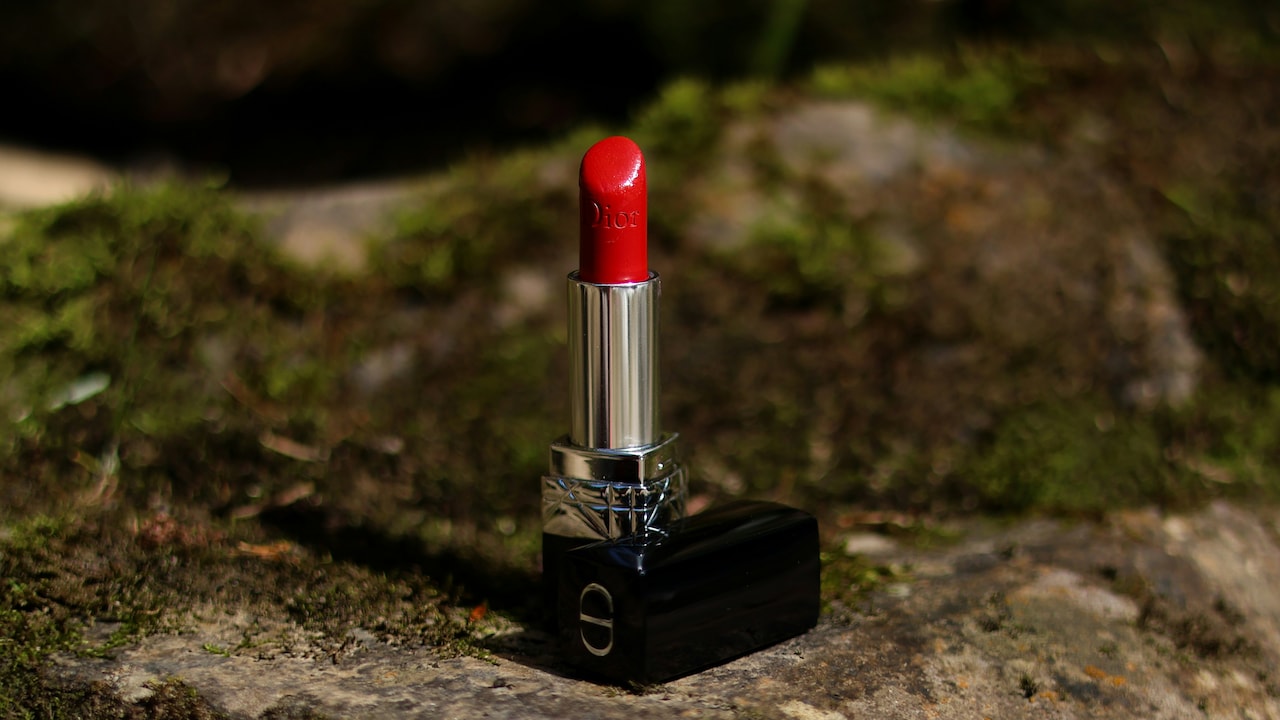
Know Why Lipsticks Crack Even On Well-Moisturised Lips And How To Solve The Problem.
Lipsticks promise glamour in a single swipe. Soft, hydrated lips should make them glide like butter. Yet reality often disagrees. A mirror check after chai or a quick chat reveals cracks, lines, or patchy colour. Confusion follows. The balm was applied. Water intake stayed decent. So what went wrong?
Lip skin behaves differently from the rest of the face. It lacks oil glands and loses moisture quickly. Add modern lipstick formulas, busy days, and changing weather, and even the best-prepped lips struggle. This article looks beyond the usual advice. It explores why lipstick cracks despite care, and why the solution often hides in small, overlooked details.
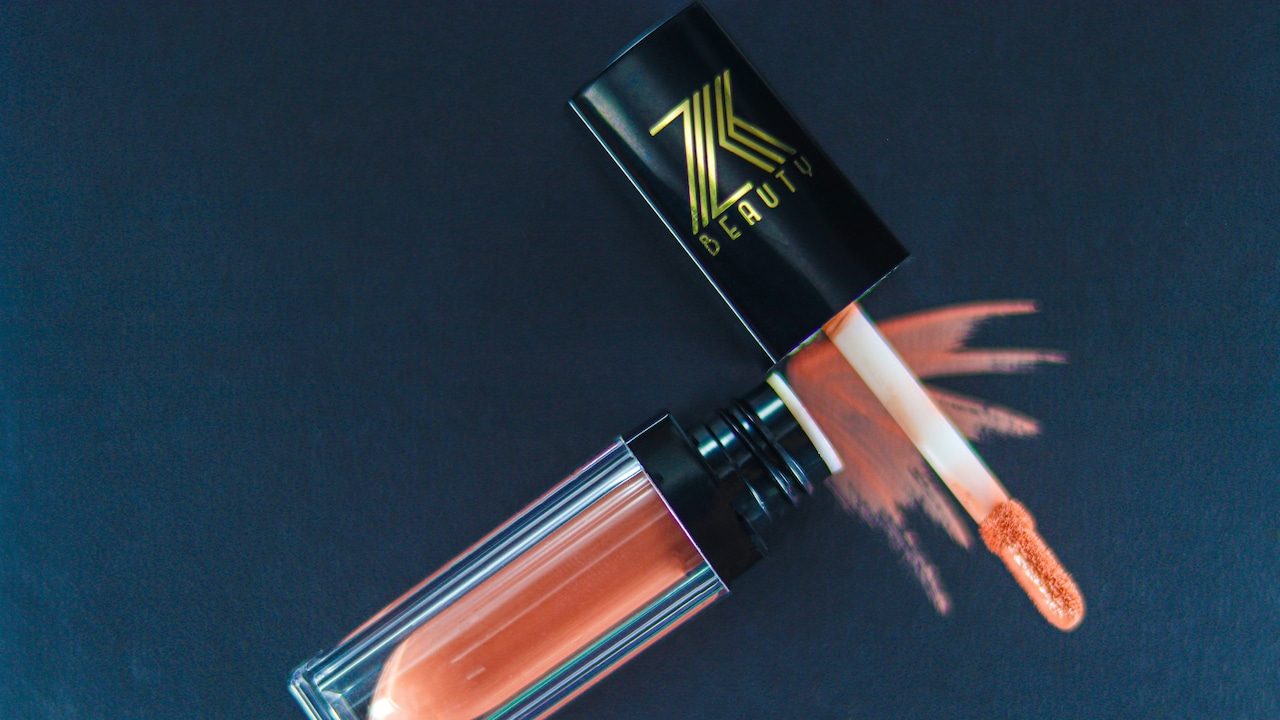
Why Lipsticks Crack Even On Well-Moisturised Lips; Photo Credit: Pexels
What's Really Going On When Lipstick Cracks
1. The Lipstick Formula Fights Back
Not all lipsticks love moisturised lips. Many long-wear or matte formulas focus on staying power. They rely on waxes and pigments that set fast. Once set, they resist movement. Lips move constantly. Smiling, sipping, talking, and even breathing create micro-movements. A rigid formula cannot stretch enough. Cracks appear.
Moisturised lips may even worsen the issue. An extra slip can stop the lipstick from gripping evenly. The product settles into lines as it dries. By noon, the colour splits along natural creases.
Marketing often hides this truth. “Comfort matte” sounds gentle but still dries down. The solution lies in balance. Creamy formulas with flexible polymers move with the lips. A lipstick should bend, not freeze. Testing texture matters more than shade.
2. Over-Moisturising Can Backfire
Lip care advice often pushes layers. Balm, oil, mask, repeat. While hydration helps, excess product creates a slick base. Lipstick struggles to adhere. Pigment floats rather than bonds.
Think of painting over oil. The colour slips. The same happens on the lips. Too much balm leaves residue that breaks the lipstick film. The surface looks smooth at first. Within minutes, the colour gathers at the edges and cracks in the centre.
Timing matters. Lip balm needs time to absorb. Ten minutes works better than ten seconds. Blotting before lipstick removes excess while keeping hydration. Less product often delivers better results.
Hydration supports lipstick. Saturation sabotages it.
Also Read: 5 Lipstick Shades For Dusky Skin For Wedding Season In 2026
3. Dehydration Starts From Within
External care helps, yet internal hydration plays a quiet role. Lips show dehydration faster than skin. Air-conditioned offices, long commutes, and caffeine intake dry the body slowly. The lips respond first.
Even with balm, dehydrated lips lack plumpness. Fine lines deepen. Lipstick settles into those lines and cracks as the lips move. The colour breaks where the skin folds.
Water intake matters, but consistency matters more. Sipping through the day helps. Fruits with high water content support hydration too. Coconut water after a workout does more than refresh. It supports skin balance.
Lipstick reflects lifestyle. Dry routines show up as cracked colour.
4. Climate Plays a Sneaky Role
The weather affects lips more than expected. Heat dries moisture quickly. Cold tightens skin. Humidity changes the texture behaviour. A lipstick that performs well in winter may crack in summer.
Urban pollution adds another layer. Dust sticks to lip products. It dries the surface faster. Lips lose softness without warning.
Seasonal changes demand product changes. Lightweight formulas suit humid months. Richer textures suit cooler air. Using one lipstick year-round invites trouble. Lips adapt to the weather. Makeup should follow.
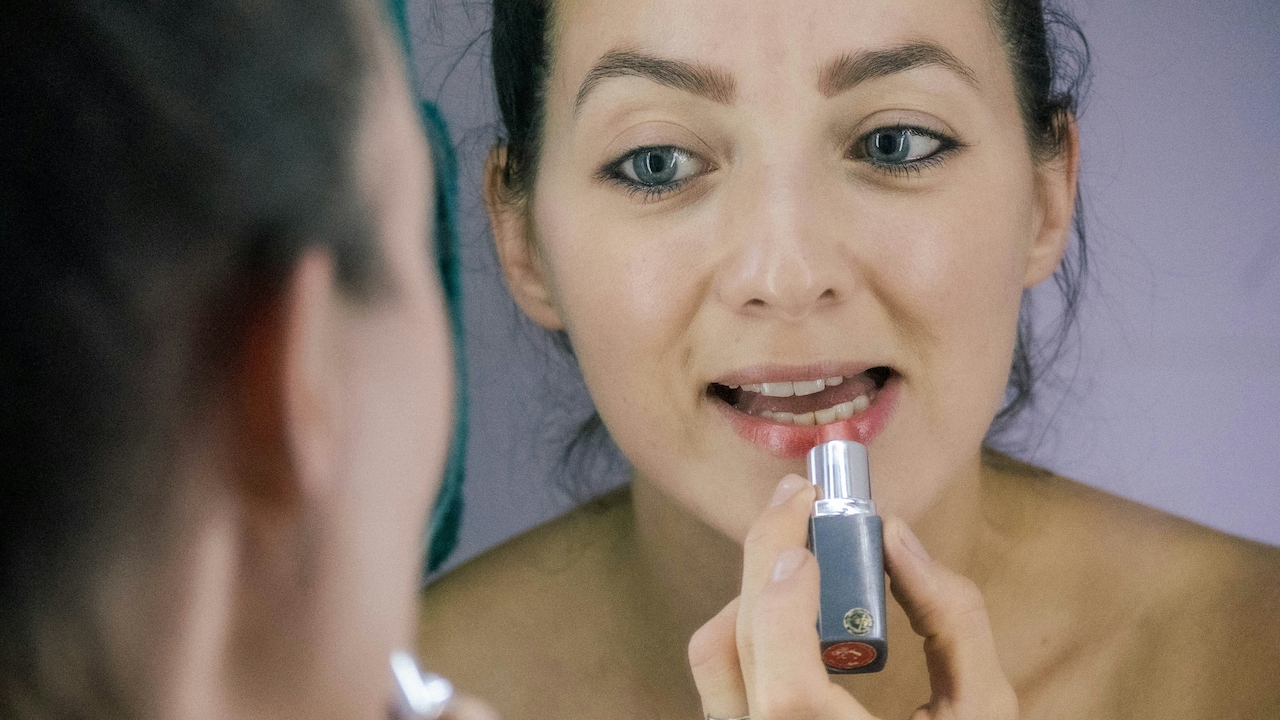
Why Lipsticks Crack Even On Well-Moisturised Lips; Photo Credit: Pexels
5. Exfoliation Gaps Create Cracks
Smooth lips need regular exfoliation. Dead skin builds up invisibly. Balm softens it but does not remove it. Lipstick clings to these patches. As the lips move, the colour breaks around the uneven texture.
Over-exfoliation harms lips, too. Scrubbing daily damages the thin skin. Sensitivity increases. Cracking follows.
Gentle exfoliation once or twice a week works best. A soft cloth or mild sugar mix does the job. The goal involves smoothing, not stripping.
Even lips need maintenance. Neglect shows through lipstick.
6. Lip Liner Gets Ignored
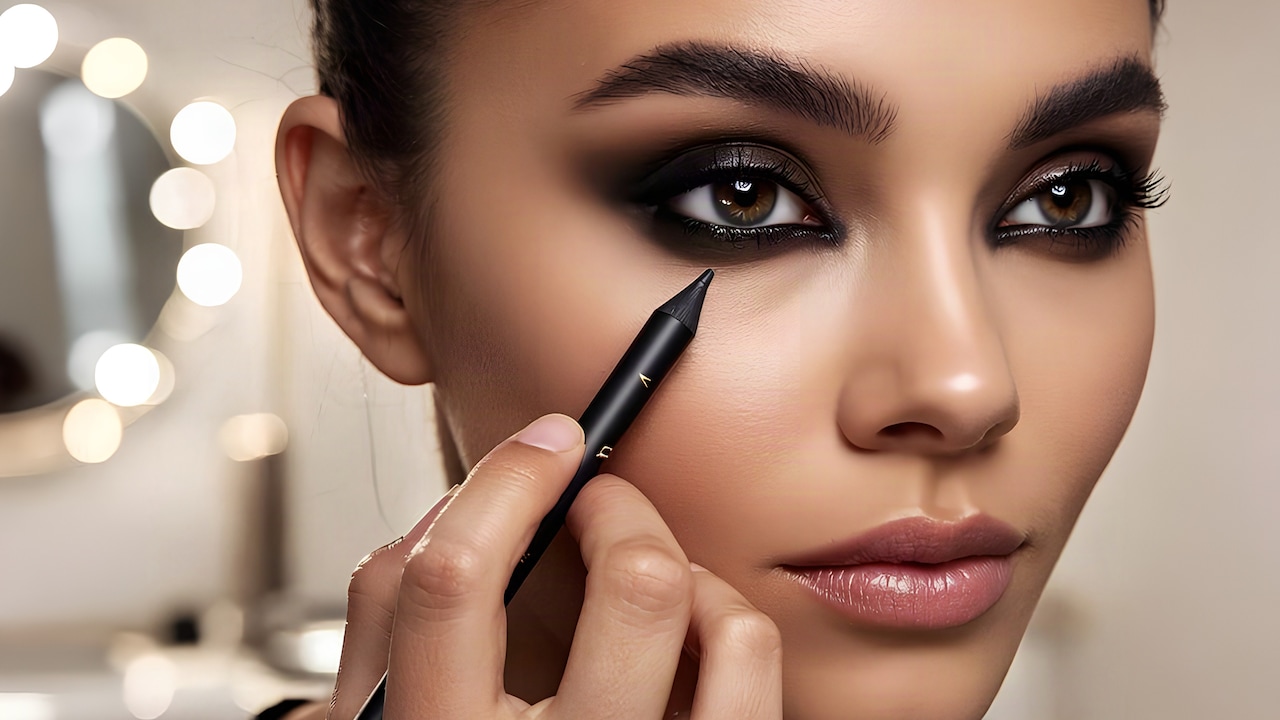
Lip liner seems optional. Many skip it. Yet it plays a quiet role in preventing cracks. Liner creates a base that grips lipstick. It fills fine lines and evens texture.
Without liner, lipstick sits directly on flexible skin. Movement causes stress points. Cracks form along the natural lip shape.
Using liner over the entire lip works better than tracing edges alone. The lipstick then rests on a stable surface. Colour lasts longer. Cracking reduces.
A nude liner often suits multiple shades. One pencil can save many lip looks.
7. Talking, Eating, And Chai Culture
Lips work hard all day. Conversations flow. Snacks happen. Hot tea touches lips often. Each action breaks the lipstick film.
Hot drinks soften lipstick. Oils from food dissolve pigments, eapplication layers over a broken base. Cracks deepen.
Blotting before reapplying helps. Removing broken colour prevents build-up. Thin layers last longer than thick swipes.
Lipsticks perform best during quiet moments. Daily life challenges them constantly. Expecting perfection ignores reality.
Why Lipsticks Crack Even On Well-Moisturised Lips; Photo Credit: Pexels
8. Age And Natural Lip Texture
Lip texture changes with time. Collagen reduces. Fine lines increase. Even well-hydrated lips show movement lines. Lipstick highlights them.
This change does not signal failure. It signals evolution. Adjusting formulas helps. Satin or glossy finishes reflect light and soften lines. Heavy mattes emphasise cracks.
Lip prep becomes more important with time. Primer designed for lips smooths texture. It fills lines without heaviness.
Makeup should adapt to skin, not fight it.
9. Old Lipsticks Lose Performance
Lipsticks age quietly. Oils dry out. Waxes harden. The texture changes before the smell does. An old lipstick may look fine yet perform poorly.
Cracking increases as formulas stiffen. The application feels uneven. The colour drags. Lines appear quickly.
Checking expiry dates helps. Most lipsticks last 18 to 24 months after opening. Storing them away from heat preserves texture.
A ₹1,200 lipstick past its prime performs worse than a fresh ₹500 one. Quality fades with time.
10. Expectations Set By Filters And Ads
Perfect lips flood screens. Filters blur lines. Studio lighting smooths texture. Real lips rarely match that image.
Chasing flawlessness leads to frustration. Lipstick cracking feels like failure. In truth, it reflects natural skin behaviour.
Accepting slight movement changes the experience. Lipstick looks lived-in after hours. That look carries charm, too.
Makeup enhances features. It does not freeze them. Understanding this truth brings comfort and confidence.
Products Related To This Article
1. LOreal Paris Infallible Matte Resistance Liquid Lipstick 5ml
2. M.A.C MACximal Matte Mini Lipstick
3. Maybelline New York Superstay Vinyl Ink Liquid Lipstick
4. Lakme 9to5 Powerplay Priming Matte Lipstick With Vit E Lasts 16Hr 3.6g
5. Renee RENEE Madness pH Stick 3gm | Black Lipstick Pink Pay Off
Lipstick cracking on well-moisturised lips feels puzzling, yet the reasons run deeper than balm alone. Formulas, habits, weather, and expectations all play roles. Lips move, react, and change constantly. Makeup must work with them, not against them.
Small adjustments make a big difference. Choosing flexible textures, prepping wisely, and accepting reality improve results. Perfect lips exist only on screens. Real lips tell stories through smiles, sips, and conversations.
A cracked lipstick does not ruin a day. Sometimes it simply shows that the lips lived fully.
(Disclaimer: This article may include references to or features of products and services made available through affiliate marketing campaigns. NDTV Convergence Limited (“NDTV”) strives to maintain editorial independence while participating in such campaigns. NDTV does not assume responsibility for the performance or claims of any featured products or services.)