The Hidden Reasons Why Toenail Polish Chips Faster Than On Fingernails
Toenail polish chips faster than fingernail polish due to pressure from shoes, moisture, nail structure, and daily movement. These hidden factors explain why pedicures fade sooner than expected.
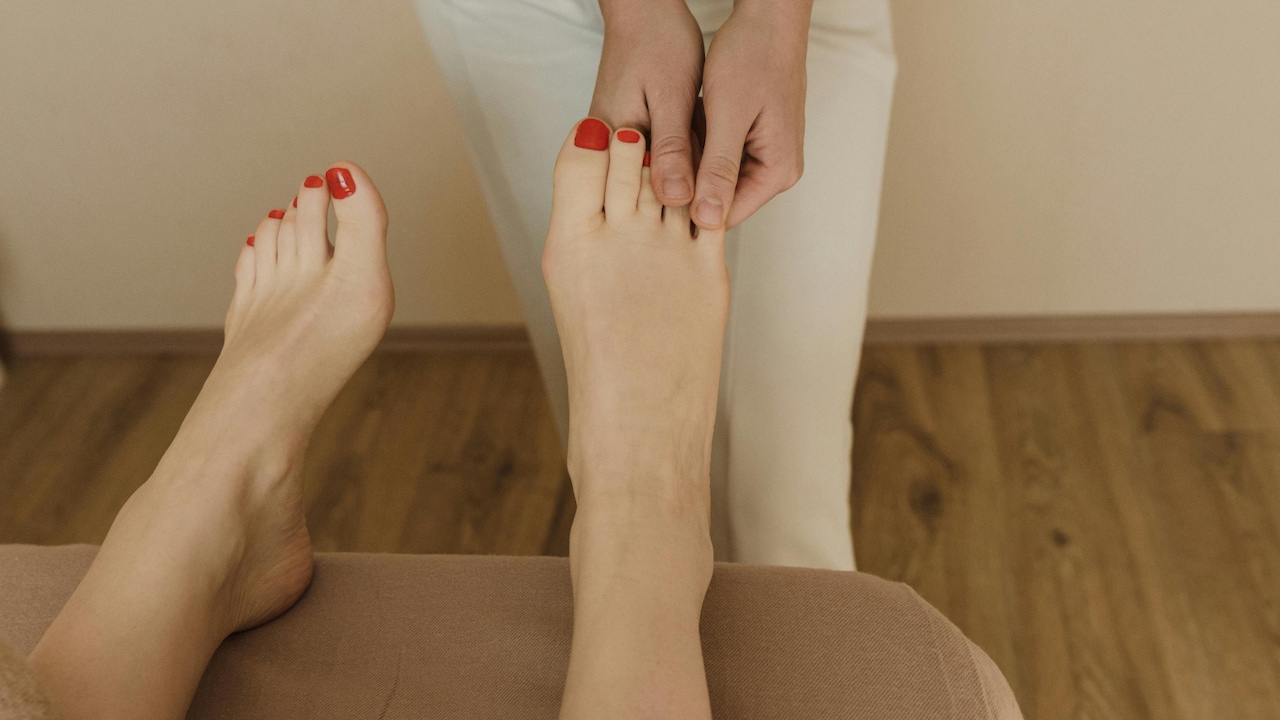
Why Toenail Polish Chips Faster Than Fingernail Polish: 10 Hidden Reasons Explained.
A freshly painted set of toes looks flawless when stepping out of the salon. The colour gleams, the finish feels smooth, and everything looks ready for a wedding, festival, or beach holiday. Yet within a week, tiny chips appear. Soon enough, the polish peels at the edges, making the pedicure look tired. Meanwhile, fingernails often stay neat and glossy for much longer.
This difference sparks curiosity and mild annoyance in equal measure. After all, toes face less direct use than hands. They do not type, cook, or scroll endlessly on phones. Still, they seem to lose their polish faster. The reasons lie in daily routines, footwear habits, and the natural structure of toenails themselves.
Understanding these hidden factors not only satisfies curiosity but also helps extend the life of a pedicure. From tight sandals during summer heat to long commutes and rushed nail care, several small details quietly add up. Each plays a role in how well toenail polish survives the week.
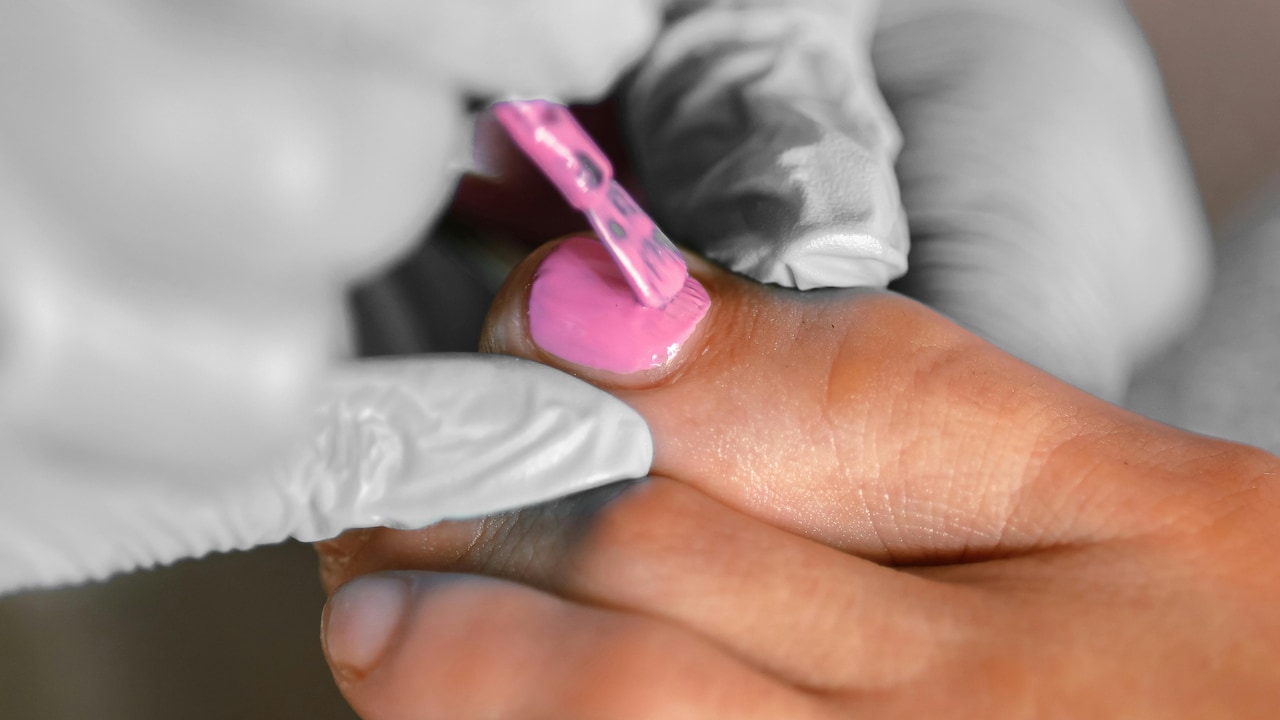
The Hidden Reasons Why Toenail Polish Chips Faster Than On Fingernails
Photo Credit: Pexels
Why Your Pedicure Never Lasts As Long As You Expect
1. Constant Pressure from Footwear
Shoes place relentless pressure on toenails throughout the day. Unlike fingernails, which enjoy open air most of the time, toes remain confined. Even comfortable footwear presses against the nail surface with every step. Closed shoes, especially during long commutes or office hours, create friction that slowly weakens the polish.
Crowded local trains, long walks to bus stops, and standing queues add to the problem. Each step pushes the nail against fabric or leather. Over time, the polish begins to crack at the edges. Sandals offer some relief, yet straps rub against the nail plate and create similar wear.
Footwear rarely gets chosen with nail health in mind. Style, budget, and convenience often take priority. A pair bought for ₹1,200 at a street market may look trendy but lack proper toe space. That cramped fit causes polish to chip faster than expected. Fingernails escape this daily grind, which explains their longer-lasting shine.
2. Toenails Grow Slower and Differently
Toenails grow at a slower pace than fingernails. This slower growth affects how polish adheres to the nail surface. Fingernails constantly renew themselves, which helps polish settle more evenly. Toenails, however, retain the same surface for longer periods.
The structure of toenails also differs. They tend to be thicker and less flexible. This rigidity means the polish struggles to move with the polish. Small impacts, such as bumping into furniture or pressing toes into shoes, cause micro-cracks in the polish layer.
Growth patterns also vary from toe to toe. The big toe grows more slowly than the smaller toes, which leads to uneven wear. Over time, polish near the edges lifts and chips. Fingernails enjoy more uniform growth, giving polish a smoother base. This subtle biological difference plays a surprisingly large role in Polish longevity.
3. Exposure to Moisture and Sweat
Feet sweat more than hands. Long days in warm weather, especially during peak summer months, create a moist environment inside shoes. Sweat softens nail polish and weakens its grip on the nail surface.
Public transport, crowded offices, and humid weather worsen the issue. Moisture builds up quickly and stays trapped for hours. This constant dampness causes polish to lift from the nail plate, leading to early chipping.
Fingernails dry faster after handwashing. They also benefit from frequent exposure to air. Toes rarely enjoy that luxury. Even at home, slippers or flip-flops limit airflow. Moisture remains the silent enemy of a long-lasting pedicure, working steadily until chips begin to show.
4. Daily Impact and Accidental Knocks
Toes endure more accidental knocks than most people realise. Bumping into table legs, door frames, or bed corners happens more often than admitted. Each impact may seem harmless, but it chips away at polish's durability.
Walking barefoot at home increases the risk. Tiles and uneven floors create repeated friction. Even light taps cause stress on the polish layer, especially at the tips of the nails.
Fingernails face impact, too, yet hands instinctively pull back during contact. Feet lack that reflex. They take the hit directly. Over time, these small collisions weaken the polish and cause visible chipping. The damage rarely appears instantly, which makes it feel sudden when it finally shows.
5. Less Attention During Application
Pedicures often receive less care during application. Nail technicians may rush through toes after spending more time perfecting fingernails. Drying time may get cut short, especially during busy salon hours.
At-home pedicures face similar issues. Balancing while painting toes proves tricky. Smudges feel inevitable, so thinner coats get applied to save effort. Thin layers chip faster than well-built ones.
Base coats and top coats often get skipped on toes. Many believe toenail polish lasts longer by default. This misconception leads to a weaker application. Fingernails, treated as more visible, receive extra layers and patience. That difference in care shows up a few days later when the toe polish starts to flake.
Also Read: How To Stop Nail Polish Chipping: 10 Tips For Long-Lasting Nail Paint
6. Natural Oil Production on Feet
Feet produce natural oils that affect polish adhesion. These oils protect skin but interfere with nail products. Without proper cleansing before application, polish struggles to bond with the nail.
After a long day, feet accumulate oil, sweat, and dust. Even a quick wipe may not remove residue fully. This oily layer causes polish to lift prematurely.
Hands get washed frequently, which reduces oil build-up on fingernails. Toes rarely receive the same attention. Unless feet get thoroughly cleaned and dried before a pedicure, polish faces an uphill battle. This invisible factor often goes unnoticed yet plays a major role in chipping.
7. Thicker Nail Plates and Curved Shape
Toenails feature a thicker and more curved surface compared to fingernails. This shape challenges even application. Polish pools at the sides and thins at the centre, creating weak spots.
As the nail bends slightly with movement, the polish struggles to flex along with it. Thicker nails resist movement, causing the polish to crack under pressure.
The big toe especially suffers from this issue. Its size and curve make it more prone to chipping. Fingernails, flatter and thinner, offer a friendlier surface. Their flexibility allows the polish to stretch rather than break. This structural difference explains why even premium polishes fail to last on toes.
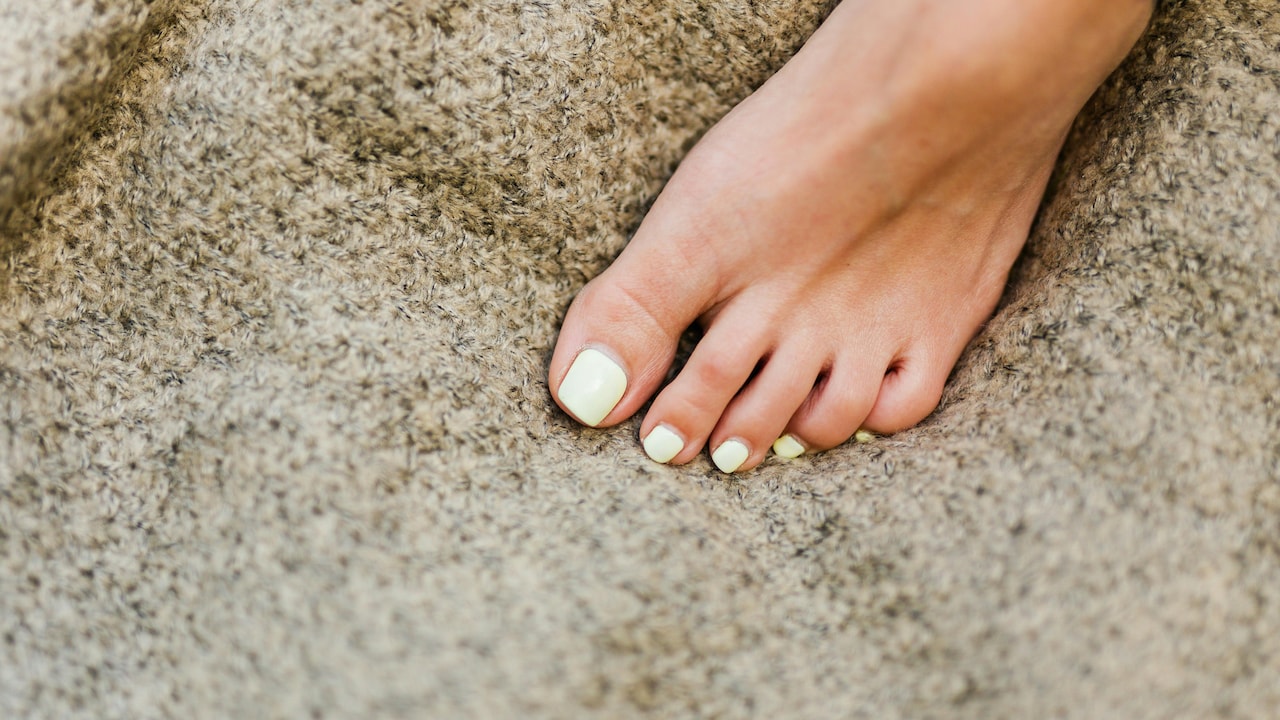
The Hidden Reasons Why Toenail Polish Chips Faster Than On Fingernails
Photo Credit: Pexels
8. Lifestyle Habits and Long Commutes
Long commutes take a toll on pedicures. Standing in buses, walking across platforms, and navigating crowded streets all stress toenails. Each step adds friction and pressure.
Office environments contribute too. Closed shoes worn for eight to ten hours create constant wear. Even short lunch breaks fail to give toes a chance to breathe.
Weekend outings bring no relief. Shopping trips, family visits, and festive events keep feet active. Fingernails may rest during these moments, but toes keep working. This nonstop activity explains why toenail polish rarely survives beyond a week without touch-ups.
9. Weather and Seasonal Challenges
Weather plays a sneaky role in polish longevity. Summer heat softens polish and increases sweating. Monsoon moisture adds dampness and swelling to nails.
During rainy days, wet footwear becomes common. Damp socks and shoes create the perfect environment for polish to lift. Even careful steps cannot prevent moisture exposure.
Winter offers some relief, yet closed shoes remain the norm. Dry skin may crack around nails, affecting polish edges. Seasonal changes constantly challenge toenail polish. Fingernails adapt better due to frequent care and visibility. Toes suffer quietly under layers of fabric and footwear.
10. Neglect After the Pedicure
Aftercare often gets overlooked. Moisturising hands feels natural, but feet get forgotten. Dry cuticles and rough skin pull at polish edges.
Applying foot cream near nails without care causes polish to soften. Walking immediately after moisturising worsens the effect. Polish lifts faster under these conditions.
Touch-ups rarely happen on toes. A chipped fingernail gets fixed instantly. Toes wait until the next salon visit. This neglect allows minor chips to grow worse. Regular care could extend polish life, yet toes rarely receive that attention. The result feels inevitable but remains avoidable.
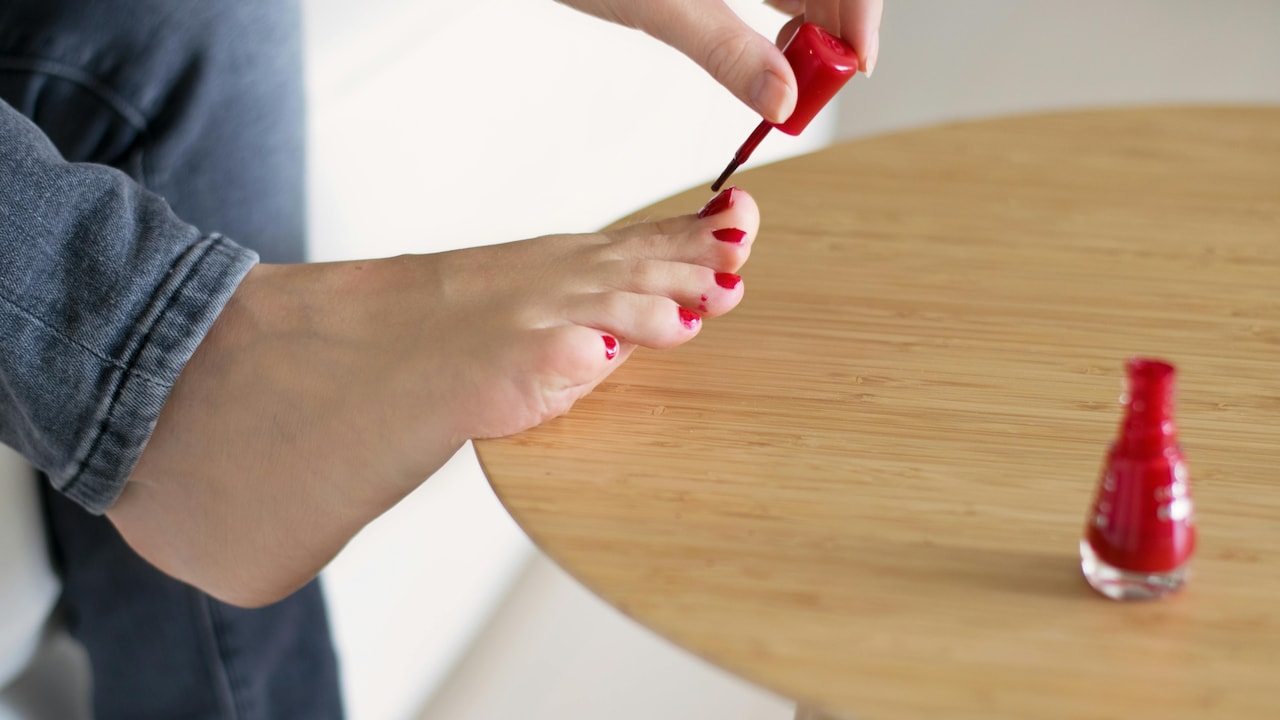
The Hidden Reasons Why Toenail Polish Chips Faster Than On Fingernails
Photo Credit: Unsplash
Products Related To This Article
1. Lakme Color Crush Nail Art U4
2. FACES CANADA Ultime Pro Splash Luxe Nail Enamel
3. Colorbar Joyful Tone High Gloss Vegan Nail Lacquer with Biotin 8ml
4. SUGAR POP Quick Drying Ultra Long-wear Glossy Finish Nail Lacquer 10 ml
5. H&M Nail Polish - Pottery
6. Revlon Nail Enamel
7. BAD COMPANY No Toxin Long Wear Nail Lacquer - 8 ml
Toenail polish chips faster than fingernail polish for reasons rooted in everyday life. Footwear pressure, moisture, nail structure, and daily habits all work together against a perfect pedicure. Small details, often ignored, quietly wear down the polish layer until it finally gives way.
Understanding these factors changes expectations. A pedicure faces tougher conditions than a manicure ever will. With better preparation, mindful footwear choices, and gentle aftercare, polish life can improve. While toes may never hold colour as long as fingers, a little awareness goes a long way.
The next time a pedicure chips early, it no longer feels mysterious or annoying. It simply reflects the hardworking nature of feet, always carrying the weight of the day, step by step.
(Disclaimer: This article may include references to or features of products and services made available through affiliate marketing campaigns. NDTV Convergence Limited (“NDTV”) strives to maintain editorial independence while participating in such campaigns. NDTV does not assume responsibility for the performance or claims of any featured products or services.)