Why Your Face Still Feels Dirty After Washing And How To Choose The Right Face Cleanser
Your skin may not be as clean as it looks. Discover why your face can still feel dirty after washing and how the right technique and cleanser can completely change your skincare routine.

Why Your Face Feels Dirty After Washing
You wash your face, pat it dry, and expect that fresh, squeaky-clean feeling. Yet somehow, your skin still feels oily, sticky, dull, or covered in residue. If this sounds familiar, you are not alone. Many people assume their cleansing routine is working simply because they wash twice a day. However, the problem is often not how frequently you cleanse but what you are cleansing with. From unsuitable formulas to overlooked ingredients, choosing the right face cleanser can make a noticeable difference to your skin's appearance and comfort every single day.

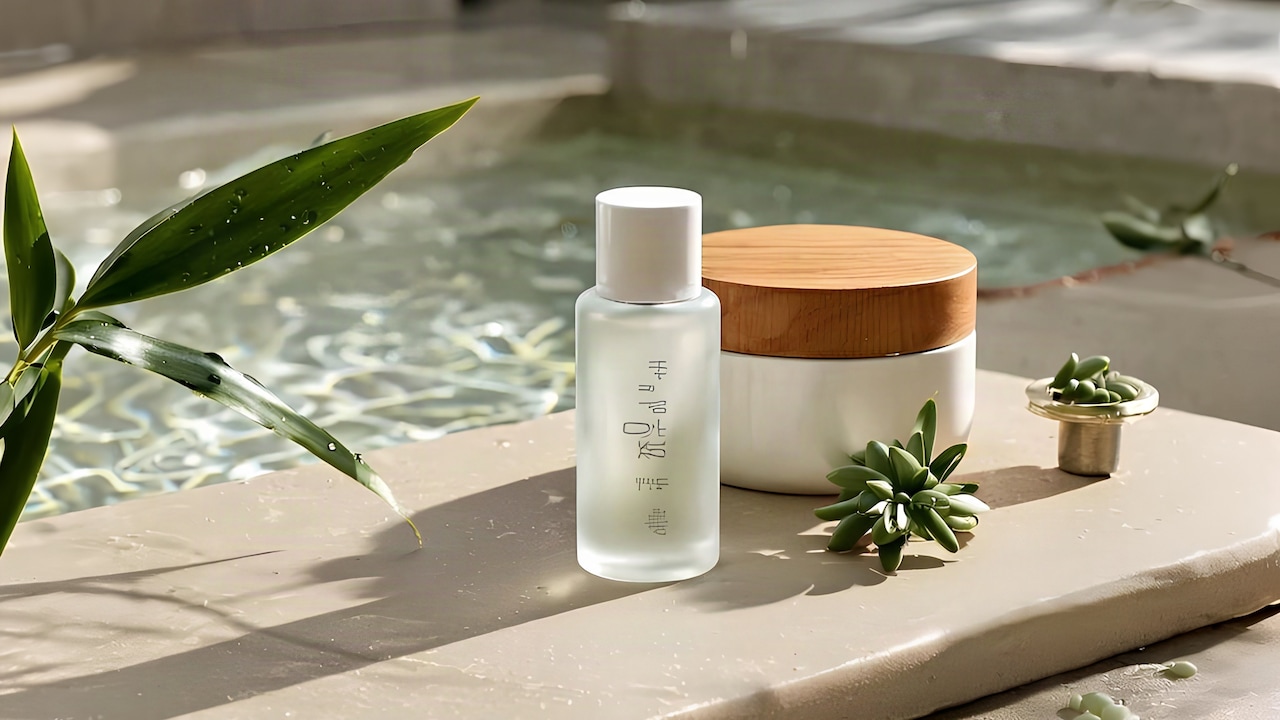
That lingering oily feeling after washing? Your cleanser might not be removing everything your skin collects during the day.
Photo Credit: Pexels
Modern skincare aisles are packed with gels, foams, creams, oils, and micellar cleansers, making it difficult to know which option truly suits your skin. Marketing claims often promise glowing, clear skin, but selecting the wrong product can leave dirt, excess oil, makeup, and pollutants behind. Over time, this may contribute to clogged pores, irritation, or a constant feeling that your face never gets fully clean. Understanding how cleansers work and which formula matches your skin type can help you build a more effective routine and achieve better results.
Why Your Skin May Still Feel Dirty After Washing
Many people assume that any cleanser will effectively remove dirt from the skin, but cleansing is more complex than that. Throughout the day, your face accumulates sunscreen, makeup, sweat, oil, pollution particles, and environmental debris. A cleanser that is too gentle may fail to remove these impurities completely. On the other hand, a product that is too harsh can strip away natural oils, causing the skin to produce even more oil as compensation. This often creates a cycle where the face feels greasy soon after washing. Additionally, incomplete rinsing, hard water, and using too little product can all contribute to that lingering dirty sensation. The issue is not always poor hygiene. More often, it is a mismatch between your skin's needs and the cleanser you are using.
Also Read: Top 5 Face Washes For Humid And Oily Skin Under ₹600
Understanding Different Types Of Face Cleansers
Face cleansers come in a variety of formulations because different skin concerns require different approaches. Gel cleansers are often favoured by people with oily skin because they effectively remove excess sebum. Cream cleansers focus on hydration and are typically gentler on dry or sensitive skin. Oil cleansers work surprisingly well even for oily skin because oil helps dissolve makeup, sunscreen, and excess sebum. Foam cleansers provide a refreshing deep-clean sensation, while micellar water offers convenience for light cleansing. Understanding these distinctions is important because selecting a cleanser solely based on trends or attractive packaging may leave your skin feeling unsatisfied. The right formulation should support your skin barrier while removing impurities efficiently and comfortably.

Different skin types need different cleansers. Finding the right formula can make all the difference.
Photo Credit: Pexels
Matching A Cleanser To Your Skin Type
One of the most common skincare mistakes is choosing products without considering skin type. Oily skin usually benefits from lightweight gel or foam cleansers that target excess oil without over-drying. Dry skin often responds well to cream or balm cleansers that maintain hydration during cleansing. Sensitive skin generally prefers fragrance-free and gentle formulations with soothing ingredients. Combination skin may require balancing cleansers that clean effectively without stripping moisture from certain areas. Acne-prone skin can benefit from ingredients designed to help manage breakouts while remaining gentle enough for regular use. When a cleanser aligns with your skin type, your face often feels cleaner, more comfortable, and less prone to common concerns such as tightness, shine, or irritation.
The Role Of Ingredients In Effective Cleansing
Ingredients play a crucial role in determining how well a cleanser performs. Hydrating ingredients such as glycerin and ceramides help maintain skin comfort, while ingredients like salicylic acid are often used to support oily and blemish-prone skin. Niacinamide is frequently included to help balance the complexion, and soothing ingredients such as aloe vera or chamomile can benefit sensitive skin. However, ingredient selection should be practical rather than trend-driven. A cleanser loaded with popular ingredients may still be unsuitable for your particular needs. Reading labels and understanding basic ingredient functions can help you make informed decisions. Small changes in formulation often have a significant impact on how clean and healthy your skin feels after washing.
Also Read: Top 10 Facewash To Grab Under ₹1,000
Cleansing Habits That Can Affect Results
Even the best cleanser may fail to deliver results if it is used incorrectly. Many people rush through cleansing and spend only a few seconds washing their face. However, allowing the cleanser enough time to work can improve impurity removal. Water temperature matters as well. Extremely hot water may irritate the skin, while lukewarm water is usually a better choice. Another commonly overlooked factor is makeup and sunscreen removal. Heavy products often require double cleansing, particularly in the evening. Consistency also matters. Regular cleansing, combined with gentle technique and proper rinsing, can significantly improve results. Often, refining your routine is just as important as choosing the right product.
Why Pollution And Lifestyle Factors Matter
Modern lifestyles expose skin to more environmental stressors than ever before. Urban pollution, dust, humidity, sweat, and prolonged screen time all contribute to skin challenges. While cleansers cannot solve every skincare concern, they play an essential role in removing the daily build-up that accumulates on the skin's surface. People who commute frequently, exercise regularly, or spend significant time outdoors may notice that standard cleansing methods become less effective over time. Seasonal changes can also influence how your skin behaves. During warmer months, increased oil production may require a different cleanser than the one used during colder weather. Paying attention to lifestyle and environmental factors helps create a more personalised and effective cleansing routine.

A good cleansing routine removes dirt, sunscreen, and pollution without stripping away essential moisture.
Photo Credit: Pexels
Feeling dirty after washing your face is often a sign that your cleanser or cleansing routine is not fully meeting your skin's needs. Rather than scrubbing harder or washing more frequently, focus on choosing a formula that matches your skin type, lifestyle, and daily exposure to impurities. A well-chosen cleanser should leave skin feeling comfortable, refreshed, and balanced rather than tight or greasy. With a better understanding of ingredients, cleansing methods, and product types, you can make smarter skincare choices and enjoy cleaner-looking skin that genuinely feels fresh after every wash and all day.
Products Related To This Article
1. Ashpveda Calming & Cooling Face Cleanser with Aloe Vera & Cucumber | Gentle Hydrating Face Wash for All Skin Types | Soothing & Refreshing Daily Cleanser
2. The Derma Co 2% Niacinamide Gentle Skin Cleanser for Sensitive, Dry, Normal Skin - 125 ml Non-Irritant | 100% Soap-Free | Non-Oil Stripping | Gently Cleanses Makeup
3. Ashpveda Ayurvedic Face Wash with Kashmiri Saffron and Neem | Natural Face Cleanser for Daily Skin Exfoliation and Brightening | Chemical Free Organic Herbal Facewash
4. Ayurveda Barrier-Repair Botanical Face Wash | Fades Dark Spots & Restores Moisture | Natural Lathering Cleanser with Mogra, Orange, Manjistha & Licorice for Bright, Even-Toned & Radiant Skin | AYUSH Approved | All Skin Types
5. Ashpveda Ayurvedic Face Wash with Kashmiri Saffron and Neem | Natural Face Cleanser for Daily Skin Exfoliation and Brightening | Chemical Free Organic Herbal Facewash
6. Plum 2% Niacinamide & Rice Water Face Wash 100ml | Hydrates & Brightens Skin | Softens & Smoothens Skin | Gentle & Non-Drying | Gently Cleanses 99% pore clogging impurities | Women & Men |
7. Deconstruct Vitamin C Brightening Face Wash, Brightens & Fades Dark Spots
8. Dabur Gulabari Rose Glow Face Cleanser
9. Minimalist Anti-Acne Salicylic Acid 2% Face Wash For Oily & Acne Prone Skin | With LHA for Pore Cleansing, Oil Control & Sebum Regulation | Cleanser for Women & Men
10. Hyphen 10% Rice Water Brightening Face Wash | Daily Face Cleanser for Women and Men | Brightens Skin | Removes Dirt & Impurities | Face Care, Gentle Facewash, Non-drying, Fragrance Free Formula | Skin Care Products | Suitable for All Skin Types - 100 ml
Frequently Asked Questions (FAQs)
Q1. Why does my face feel oily shortly after washing?
This can happen when your cleanser is too harsh and strips away natural oils. Your skin may respond by producing even more oil to compensate, leaving your face feeling greasy again.
Q2. How do I know if I am using the wrong face cleanser?
Signs include tightness, dryness, excessive oiliness, irritation, or a lingering dirty feeling after washing. If these symptoms persist, it may be time to try a different formula.
Q3. Is double cleansing necessary for everyone?
Not always. However, if you wear makeup, sunscreen, or spend a lot of time outdoors, double cleansing can help remove residue more effectively in the evening.
Q4. Can hard water affect how clean my skin feels?
Yes. Hard water can leave mineral deposits on the skin, making it feel less clean and sometimes causing dryness or irritation. A gentle cleanser may help minimise this effect.
Q5. How often should I wash my face each day?
Most people benefit from cleansing twice daily, once in the morning and once before bed. Additional cleansing may be helpful after intense exercise or heavy sweating.
(Disclaimer: This article may include references to or features of products and services made available through affiliate marketing campaigns. NDTV Convergence Limited (“NDTV”) strives to maintain editorial independence while participating in such campaigns. NDTV does not assume responsibility for the performance or claims of any featured products or services.)