Why Your Hair Still Frizzes After Conditioning: 10 Hidden Causes You Need To Know
Conditioner alone cannot tame frizz when hidden issues like hard water, humidity, heat damage, and product build-up keep hair rough, dry and unmanageable.

Why Your Hair Still Frizzes After Conditioning: Hidden Causes
Few things feel as disappointing as stepping out of the shower, running fingers through freshly conditioned hair, and still ending up looking like a startled peacock in monsoon season. Frizz can seem stubborn, confusing, and at times downright personal. Expensive conditioners line bathroom shelves, salon treatments burn through wallets faster than a weekend wedding shopping spree, yet hair often continues to rebel. The truth is, conditioner alone cannot solve every frizz problem. Hair texture, environment, styling habits, and even water quality all play a role. Many hidden culprits quietly work against smooth hair every day, often without notice. Frizz is not always a sign of dry hair. Sometimes, it signals deeper issues such as moisture imbalance, damage, or incorrect product use.

Why Your Hair Still Frizzes After Conditioning: Hidden Causes
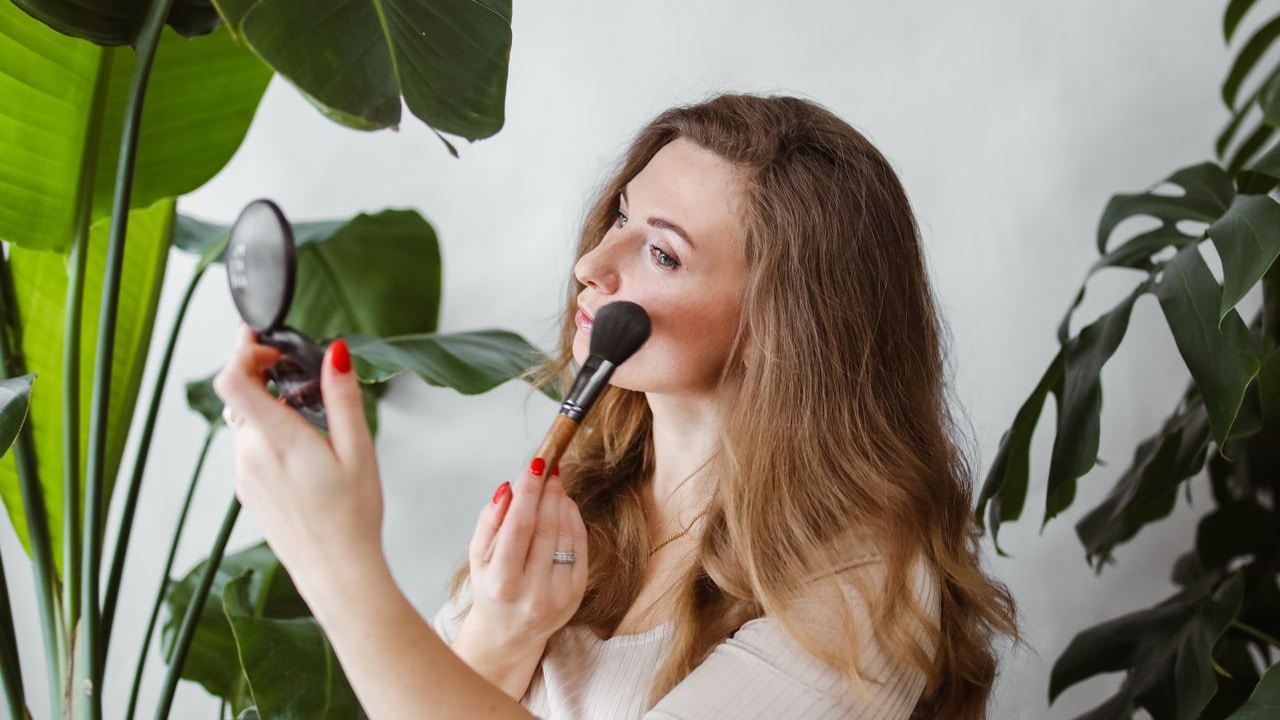
Photo Credit: Pexels'
Understanding why hair remains frizzy after conditioning requires looking beyond the bottle. Hair health depends on a combination of care, protection, and lifestyle tweaks. Once these hidden causes come to light, managing frizz becomes far less frustrating. Smooth, manageable hair may not require a miracle after all, just smarter choices.
Hidden Causes Behind Persistent Hair Frizz
Hard Water Is Secretly Wrecking Hair Texture
Many households deal with hard water, yet few realise its dramatic effect on hair. Water loaded with minerals like calcium and magnesium leaves deposits on the scalp and strands. These residues create a rough texture, making hair feel dry, brittle, and permanently frizzy despite regular conditioning.
Conditioner struggles to penetrate hair properly when mineral build-up coats each strand. Instead of absorbing moisture, hair remains thirsty and rough. This issue often feels worse in cities where water quality fluctuates. Hair may look dull, tangle more easily, and lose softness over time.
A simple clue lies in how hair behaves after washing elsewhere. If hair feels softer during holidays or salon visits, hard water could be the villain. Installing a shower filter or using clarifying shampoos occasionally can help remove stubborn mineral deposits.
Ignoring water quality can lead to endless spending on products that barely scratch the surface. Sometimes, the problem does not come from conditioner failure but from the water itself. Even the fanciest ₹2,500 conditioner cannot win against mineral-heavy showers every morning.
Humidity Turns Hair Into A Moisture Magnet
Hot, sticky weather often transforms carefully conditioned hair into a fluffy halo within minutes. Humidity remains one of the biggest reasons frizz persists, especially in tropical climates where moisture hangs heavily in the air.
Hair absorbs excess moisture from the environment when its outer cuticle lifts. This swelling disrupts smoothness and creates that familiar frizzy appearance. Curly and wavy hair types often struggle the most, but nearly everyone notices increased frizz during humid months.
Conditioner adds moisture, but without proper sealing products, hair can still soak up surrounding humidity like a sponge. Anti-frizz serums, leave-in conditioners, or lightweight oils help create a barrier against atmospheric moisture.
Walking outside during peak summer can feel like hair has its own social agenda, expanding dramatically without permission. While the weather cannot be controlled, haircare can adapt. Choosing humidity-resistant products and protective hairstyles helps minimise the chaos.
Frizz in humid conditions does not mean the conditioner failed. Instead, it often means hair needs an extra layer of defence to stay sleek against nature's unpredictable moods.
Heat Styling Damage Undermines Every Conditioning Session
Frequent use of straighteners, curling irons, and blow dryers quietly strips hair of its natural resilience. Heat weakens the hair cuticle, causing cracks and roughness that conditioners alone cannot fully repair.
Damaged hair struggles to retain moisture. Even after deep conditioning, compromised strands lose hydration quickly, leading to recurring frizz. Hair may appear puffy, rough at the ends, and prone to split ends despite diligent care.
Many rely on heat tools daily for polished looks, especially before office meetings, weddings, or festive gatherings. Yet repeated exposure without a heat protectant gradually sabotages long-term hair health.
Reducing heat frequency, lowering tool temperatures, and applying protective sprays can significantly improve texture over time. Occasional air drying also gives hair much-needed recovery.
Hair often sends warning signs through persistent frizz long before visible breakage appears. Listening early can prevent costly salon rescue treatments later. Smooth hair depends not only on conditioning but also on preserving the hair's structural integrity from excessive styling stress.
Over-Conditioning Can Backfire Surprisingly Fast
It sounds strange, but too much conditioner can actually worsen frizz. Excessive product use may weigh hair down while creating build-up that prevents proper moisture balance.
When hair receives too much moisture without enough protein, strands become overly soft and weak. This imbalance can lead to limp roots, fluffy lengths, and increased breakage. Hair may feel mushy when wet and frizzy once dry.
Many assume adding more conditioner guarantees better results, especially when battling dryness. However, hair requires balance rather than overload. Using rich masks too frequently can disrupt this equilibrium.
Alternating between moisturising and protein-based treatments often restores a healthier texture. Lightweight formulas may suit finer hair better than heavy creams.
Like overeating biryani at a celebration, more is not always better, no matter how tempting. Understanding hair's specific needs matters far more than piling on product. Frizz sometimes signals excess rather than deficiency.
Wrong Towel Habits Create Instant Friction
Post-shower routines often receive little attention, yet rough towel drying can trigger immediate frizz. Traditional cotton towels create friction that disrupts the hair cuticle, leading to roughness and breakage.
Vigorous rubbing may seem harmless, but it roughens strands dramatically, especially for curly or chemically treated hair. This friction causes hair to puff up rather than dry smoothly.
Switching to microfibre towels or soft cotton T-shirts can make a noticeable difference. Gently squeezing excess water instead of aggressive rubbing preserves cuticle health and reduces flyaways.
This small change often feels surprisingly effective, proving haircare does not always require expensive solutions. Sometimes, a humble wardrobe item outperforms luxury products.
Hair remains vulnerable when wet, so treating it delicately during drying is crucial. Frizz may begin not with conditioner failure but with simple mechanical damage right after washing.
Also Read: Claw Clips Snapping Constantly? Top 5 Hair Accessories That Actually Hold Thick Hair
Product Build-Up Blocks Moisture Absorption
Hair products often promise shine, smoothness, and protection, but layering too many can create residue over time. Silicones, oils, dry shampoos, and styling sprays may accumulate, forming barriers that block moisture.
Conditioner applied over product build-up struggles to nourish effectively. Instead, hair feels coated, heavy, and paradoxically dry underneath. Frizz becomes more persistent as true hydration remains locked out.
This cycle often leads to purchasing stronger conditioners, while the real solution lies in removing excess residue. Clarifying shampoos used occasionally help reset the scalp and strands.
Heavy product layering can resemble applying moisturiser over dusty skin, ineffective and frustrating. Hair needs periodic cleansing to fully benefit from conditioning treatments.
Recognising build-up as a hidden cause saves both money and effort. Fresh, clean hair responds far better to moisture than strands burdened by weeks of invisible residue.
Diet And Hydration Affect Hair More Than Expected
Hair health reflects internal wellness just as much as external care. Poor hydration, nutritional deficiencies, and imbalanced diets can quietly contribute to frizz and dryness.
Lack of essential fatty acids, vitamins, and protein weakens hair structure. Even with premium conditioners, undernourished hair may remain dull and unruly. Low water intake further compounds dryness, affecting elasticity.
Busy schedules often encourage convenience foods over balanced meals, but hair notices these shortcuts. Incorporating nuts, seeds, leafy greens, and adequate hydration supports stronger, smoother strands.
Think of hair like a plant. No matter how polished the leaves look, poor roots create visible struggles. External products help, but healthy foundations matter deeply.
Addressing diet does not require extravagant wellness trends or ₹8,000 supplements. Small, sustainable changes often deliver noticeable improvements over time. Hair thrives when the body receives proper nourishment.

Why Your Hair Still Frizzes After Conditioning: Hidden Causes
Photo Credit: Pexels
Chemical Treatments Leave Long-Term Frizz Triggers
Colouring, rebonding, perming, and smoothing treatments may offer temporary beauty boosts, but they often weaken hair's natural barrier. Chemical processes alter hair structure, increasing porosity and moisture loss.
Porous hair absorbs moisture quickly but loses it just as fast, creating chronic frizz. Conditioners can help manage symptoms, but severe damage often requires more intensive repair.
Repeated salon treatments may create an illusion of sleekness initially, only for frizz to resurface stronger later. Hair becomes increasingly dependent on treatments while underlying damage worsens.
Spacing out chemical services and prioritising restorative masks can improve resilience. Trimming damaged ends also prevents frizz from travelling upward.
Beautiful transformations should not come at the cost of long-term hair chaos. Understanding chemical consequences allows better choices without sacrificing style entirely.
Scalp Health Often Gets Ignored
Healthy hair starts at the scalp, yet many focus solely on strands. Dryness, excess oil, dandruff, or clogged follicles can all influence hair texture and contribute to frizz.
An unhealthy scalp disrupts natural oil distribution, preventing moisture from travelling effectively down the hair shaft. This imbalance leaves lengths dry and vulnerable.
Using harsh shampoos, neglecting exfoliation, or ignoring scalp issues can worsen hair quality despite consistent conditioning. Gentle scalp massages, balanced cleansing, and targeted treatments improve overall hair health.
A thriving scalp acts like fertile soil, supporting stronger growth and smoother texture. Ignoring it while obsessing over conditioners misses a major piece of the puzzle.
Frizz may sometimes reflect scalp distress rather than product inadequacy. Treating the root cause often leads to far better outcomes than endlessly switching conditioners.
Hair Type Misunderstanding Leads To Wrong Product Choices
Not every conditioner suits every hair type. Fine hair, thick curls, waves, and chemically treated strands all require different formulations. Using unsuitable products often creates disappointing frizz results.
Heavy conditioners can overwhelm fine hair, while lightweight formulas may fail dense curls entirely. Misreading hair needs often leads to persistent texture issues despite regular care.
Many choose products based on trends, advertisements, or fragrance rather than actual compatibility. What works beautifully for one person may create chaos for another.
Understanding porosity, texture, and scalp condition helps narrow down better options. Tailored routines generally outperform one-size-fits-all solutions.
Haircare should feel less like blindly following social media fads and more like understanding personal needs. The right match transforms results significantly.
Sometimes, frizz persists not because conditioning is ineffective, but because the chosen conditioner simply does not align with the hair's unique character.

Why Your Hair Still Frizzes After Conditioning: Hidden Causes
Photo Credit: Pexels
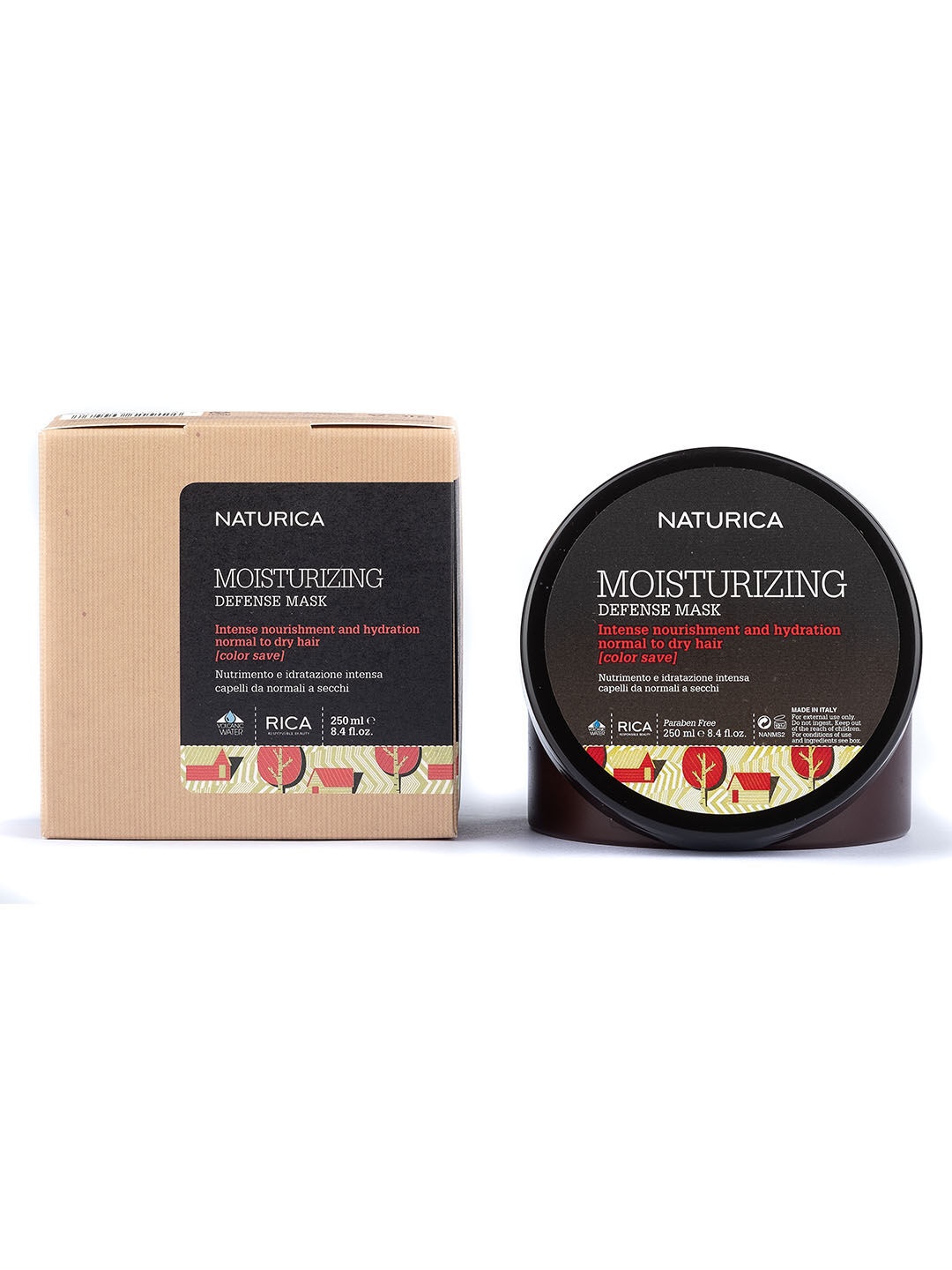
Products Related To This Article
1. OUAI Travel Size Thick Hair Conditioner
2. Thriveco Rosemary Hair Conditioner For Voluminous Hair
3. Truth & Hair Straight Hair Conditioner
4. BBLUNT Advanced Smoothening Shampoo 300ml & Hair Conditioner
5. Forest Essentials Bhringraj & Shikakai Hair Conditioner 50ml & Shampoo
6. Pilgrim Patua & Keratin Hair Smoothing Conditioner for Smooth, Frizz-Free & Silky Hair
7. PLIX THE PLANT FIX Unisex Flaxseed Ultra-Smooth Advanced Hair Conditioner
8. Plum Hibiscus & Ceramides Long & Healthy Hair Conditioner with Shea Butter
Frizz after conditioning often feels frustrating, but it rarely stems from conditioner alone. Hidden factors such as hard water, humidity, heat damage, poor habits, internal health, and product mismatch all contribute to stubborn texture struggles.
Smooth hair requires a broader approach that combines external care with smarter daily practices. Small adjustments, whether changing towel habits, clarifying build-up, or protecting against humidity, can create remarkable differences over time.
Hair health is rarely about chasing miracle solutions. More often, it involves understanding subtle causes and making thoughtful corrections. Frizz may seem relentless, but with the right knowledge, it becomes far easier to manage.
Healthy, manageable hair does not always demand lavish spending or endless salon visits. Sometimes, the biggest transformation begins by uncovering what quietly works against those strands every single day.
(Disclaimer: This article may include references to or features of products and services made available through affiliate marketing campaigns. NDTV Convergence Limited (“NDTV”) strives to maintain editorial independence while participating in such campaigns. NDTV does not assume responsibility for the performance or claims of any featured products or services.)