How to Layer Face Serums in Winter Without Causing Breakouts
Winter skin needs more serums, but layering them wrong can trigger breakouts. Learn how to stack face serums the smart way, so skin stays hydrated, calm and clear all season long. Get the most out of your favourite serums with these layering techniques.

Winter Skincare Guide: How to Layer Face Serums Without Breakouts.
Winter brings relief from sweaty summers, but skin rarely celebrates for long. Cold winds, indoor heating and reduced humidity drain moisture fast. The instinctive response involves adding more products, especially face serums. They feel light, powerful and promising. Yet many people notice sudden bumps, clogged pores or dull patches once winter routines begin.
The issue rarely sits with serums themselves. Layering mistakes often trigger trouble. Mixing the wrong textures, rushing the order or overloading active ingredients can overwhelm skin. Think of skincare like a well-planned meal. Starters come first, heavy dishes later, and desserts only when there's room.
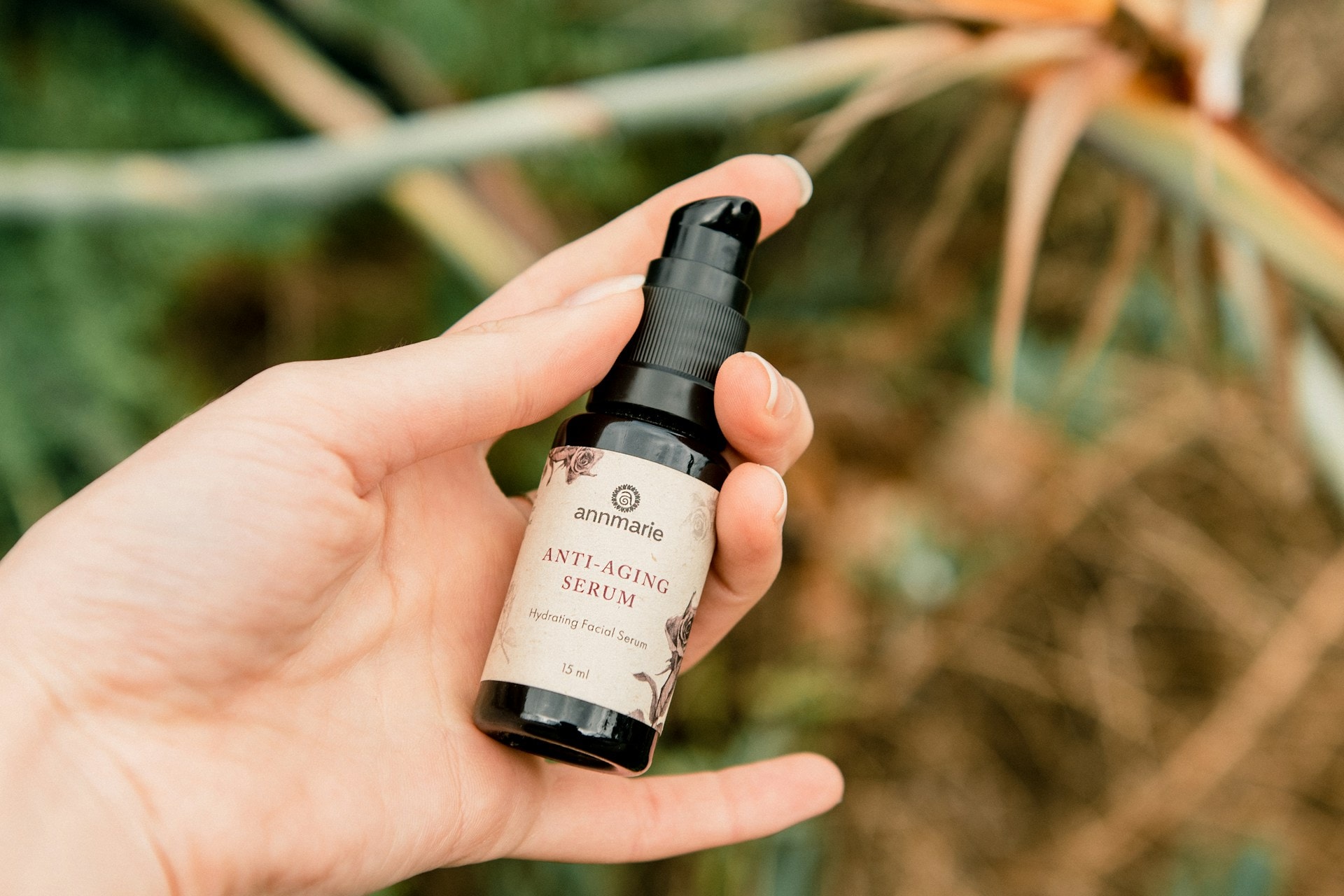
Use these helpful tips to layer your skincare products without causing breakouts; Photo Credit: Unsplash
This article unpacks serum layering for winter in a calm, no-fuss way. It explains what to apply, when to stop and how to listen to skin cues. The goal stays simple: hydrated, comfortable skin that glows without breakouts.
Also Read: Which Serum Is Best To Get Clear Skin? Top 5 Recommendations Under ₹500
Getting Serum Layering Right When Cold Weather Dries Skin Out
1. Start With Clean, Calm Skin
Every good skincare routine begins with a clean slate. Winter skin needs gentleness more than anything else. Harsh cleansers strip natural oils and push skin into panic mode. That panic often shows up as breakouts, even on dry skin.
A mild, non-foaming cleanser works best during colder months. Cream or gel textures cleanse without leaving the face tight or squeaky. Lukewarm water also matters. Hot water feels comforting on chilly mornings, but it weakens the skin barrier.
Once cleansing finishes, skin should feel soft, not stretched. Pat dry with a clean towel. Avoid rubbing, as friction irritates winter-sensitive skin. This step sets the tone for everything that follows.
Applying serums on irritated or half-dry skin invites trouble. Let the face settle for a minute. Think of it as allowing the skin to catch its breath. Calm skin absorbs products better and reacts less. A peaceful beginning often decides whether layering feels nourishing or chaotic by nightfall.
2. Understand What Each Serum Does
Serums may look similar in bottles, but each plays a different role. Winter routines fail when products pile up without purpose. Understanding each serum avoids confusion and clogged pores.
Hydrating serums usually contain hyaluronic acid or glycerin. These draw water into the skin. Repair serums often focus on barrier support with ceramides or peptides. Brightening ones may use vitamin C or mild exfoliating acids. Acne-control serums often rely on niacinamide or salicylic acid.
Using everything at once tempts many skincare lovers. Skin, however, prefers clarity. Choose serums based on winter priorities. Dryness, dullness and sensitivity often top the list.
Read labels with curiosity, not fear. There's no need to memorise chemistry. Focus on the main ingredient and its purpose. When each serum has a clear role, layering becomes intentional rather than experimental. Skin responds better when it understands the assignment.
3. Apply From Thinnest to Thickest
Layering follows a simple rule: light to heavy. Thin, water-based serums go first. Thicker, oil-based ones come later. This order allows each product to absorb properly without blocking the next.
Imagine pouring honey into water versus water into honey. The lighter texture always sinks better. Skin behaves the same way.
Hydrating serums usually sit at the start. They feel watery and spread easily. Treatment serums follow next. These may feel slightly viscous but still absorb quickly. Oils or lipid-rich serums should come last before moisturiser.
Rushing this step often causes pilling or clogged pores. Give each layer around 30 seconds to settle. Use that pause to sip chai or check messages. Skincare should feel like a ritual, not a race.
Correct order prevents products from sitting uselessly on the surface. It also reduces the risk of congestion, especially during winter when skin renews itself more slowly.
4. Less Is More During Cold Months
Winter tempts over-application. Dry patches appear, so extra drops seem logical. Unfortunately, skin often rebels when overloaded.
Two to three serums work beautifully when chosen wisely. Anything beyond that increases the risk of breakouts and irritation. Skin has limits, even when thirsty.
A pea-sized amount usually suffices for each serum. Spreading gently with fingertips works better than massaging aggressively. Pressing motions encourage absorption without disturbing sensitive winter skin.
Pay attention to how skin feels after application. Sticky or greasy sensations signal excess. Healthy skin should feel comfortable, not coated.
Minimalism doesn't mean neglect. It means efficiency. A streamlined routine saves time, money and sanity. Winter mornings already test patience. Skincare should offer comfort, not complexity.
5. Be Careful With Active Ingredients
Actives promise fast results, but winter requires restraint. Cold weather weakens the skin barrier, making it more reactive. Using too many actives together often leads to breakouts disguised as purging.
Vitamin C works well in the morning for brightness. Niacinamide helps regulate oil and strengthen the barrier. Exfoliating acids should remain occasional guests, not daily staples.
Avoid layering strong actives in one routine. Combining exfoliating acids with retinoids, for instance, invites irritation. Split them between morning and night instead.
Listen to subtle signs. Tingling, redness or sudden dryness indicate stress. Skin communicates quietly before it shouts.
Winter skincare rewards patience. Slow, steady use of actives maintains clarity without compromising comfort. Results may take longer, but skin stays happier along the way.

Cold weather can make the skin barrier more reactive, so use your active serums wisely; Photo Credit: Pexels
6. Hydration Comes Before Treatment
Many people jump straight to acne or brightening serums, ignoring hydration. Winter skin, however, demands water before correction.
Hydrating serums plump skin cells and create a smooth base. This improves absorption of treatment serums and reduces irritation. Think of hydration as cushioning for actives.
Apply hydrating serum on slightly damp skin. This trick locks in moisture more effectively. Follow with treatment serums once hydration settles.
Skipping hydration often leads to overproduction of oil. Skin tries to compensate, leading to clogged pores and breakouts. Even oily skin types need hydration during winter.
A well-hydrated face looks calmer, clearer and more resilient. Breakouts struggle to thrive when the skin barrier stays strong. Hydration acts as silent protection, working behind the scenes all day long.
7. Adjust Morning and Night Routines
Winter days and nights place different demands on skin. Using the same serums round the clock may feel convenient, but thoughtful separation improves results.
Morning routines should stay light. Focus on hydration, antioxidant protection and oil control if needed. Heavy serums under sunscreen often feel uncomfortable.
Night routines allow for richer textures and repair-focused serums. Skin regenerates during sleep, making this the ideal time for peptides, barrier-repair serums or gentle actives.
This division prevents congestion and improves absorption. Skin receives exactly what it needs at the right time.
8. Seal Everything With the Right Moisturiser
Serums work best when sealed properly. Moisturiser locks in goodness and prevents moisture loss. Skipping this step invites dryness and breakouts.
Winter moisturisers should nourish without suffocating. Look for ceramides, shea butter or squalane. These support the barrier and maintain softness.
Apply moisturiser after serums fully absorb. Gentle upward strokes work well. Avoid dragging the skin.
Those with acne-prone skin often fear moisturisers. Ironically, skipping them worsens breakouts. Dehydrated skin produces more oil, clogging pores.
A good moisturiser completes the layering process. Think of it as a warm blanket on a cold night. Everything underneath stays protected and comfortable until morning.
9. Watch for Breakout Signals Early
Skin whispers before it screams. Tiny bumps, unusual shine or slight itching often signal overload. Winter breakouts rarely appear overnight. They build slowly.
At the first sign of trouble, simplify the routine. Remove one serum at a time. Observe changes over a few days.
Avoid panic treatments. Scrubs and harsh spot treatments often worsen winter breakouts. Gentle care resolves issues faster.
Keeping a basic routine for a week helps reset the skin. Cleanser, hydrating serum, moisturiser and sunscreen often do the trick.
Awareness matters more than perfection. Skincare isn't static. It evolves with weather, stress and lifestyle. Paying attention prevents small issues from becoming long-term frustrations.
10. Consistency Beats Experimentation
Winter skincare success depends on consistency. Changing products too often confuses skin. Every new serum needs time to show results.
Stick to chosen serums for at least three to four weeks. Observe texture, clarity and comfort. Resist the urge to chase trends or social media hype.
Skincare should feel supportive, not stressful. A routine that fits daily life always wins over elaborate rituals abandoned after a week.
Winter passes slowly. Skin adapts gradually. Steady care builds resilience that lasts beyond the season. By spring, skin feels balanced rather than exhausted from constant experimentation.
Products Related To This Article
1. Minimalist 10% Niacinamide Face Serum with Zinc for Oily Acne pore & Blemishes skin
2. GARNIER Vitamin C + Face Serum for Skin Brightening with 2% Niacinamide & 0.5% BHA
3. Elyvia Face Serum for Skin Brightening
4. Pilgrim 10% Niacinamide Face Serum for Men and Women
5. Deconstruct Vitamin C Face Serum
Layering face serums in winter doesn't need complexity or fear. Thoughtful choices, gentle application and patience create the perfect balance. Clean skin, clear purpose and mindful order prevent breakouts while supporting hydration. With the right layering approach, serums transform from confusing clutter into reliable allies.
(Disclaimer: This article may include references to or features of products and services made available through affiliate marketing campaigns. NDTV Convergence Limited (“NDTV”) strives to maintain editorial independence while participating in such campaigns. NDTV does not assume responsibility for the performance or claims of any featured products or services.)