Winter Skincare Tips: Nighttime Dos And Don'ts For Hydrating Dry Skin In Cold Weather
Cold weather strips skin of moisture overnight. These winter skincare dos and don'ts focus on nighttime habits that protect hydration, repair dryness, and help skin wake up softer, calmer and healthier. Things to keep in mind when building winter nighttime skincare.

Winter Skincare Tips: Nighttime Dos And Don'ts To Hydrate Dry Skin During Cold Weather.
Winter nights have a strange way of sneaking up on skin. One minute, the day ends with a warm cup of chai and cosy socks, and the next, skin feels itchy, flaky, and oddly stretched. Cold air outside and dry heat indoors team up to steal moisture, especially after sunset when skin naturally repairs itself. Nighttime skincare matters more in winter than any other season.
While sleep works its magic on tired muscles and busy minds, skin cells also go into repair mode. The bad habits can slow this process, while a thoughtful routine can restore softness and glow by morning. This article explores practical nighttime skincare dos and don'ts designed for cold weather.

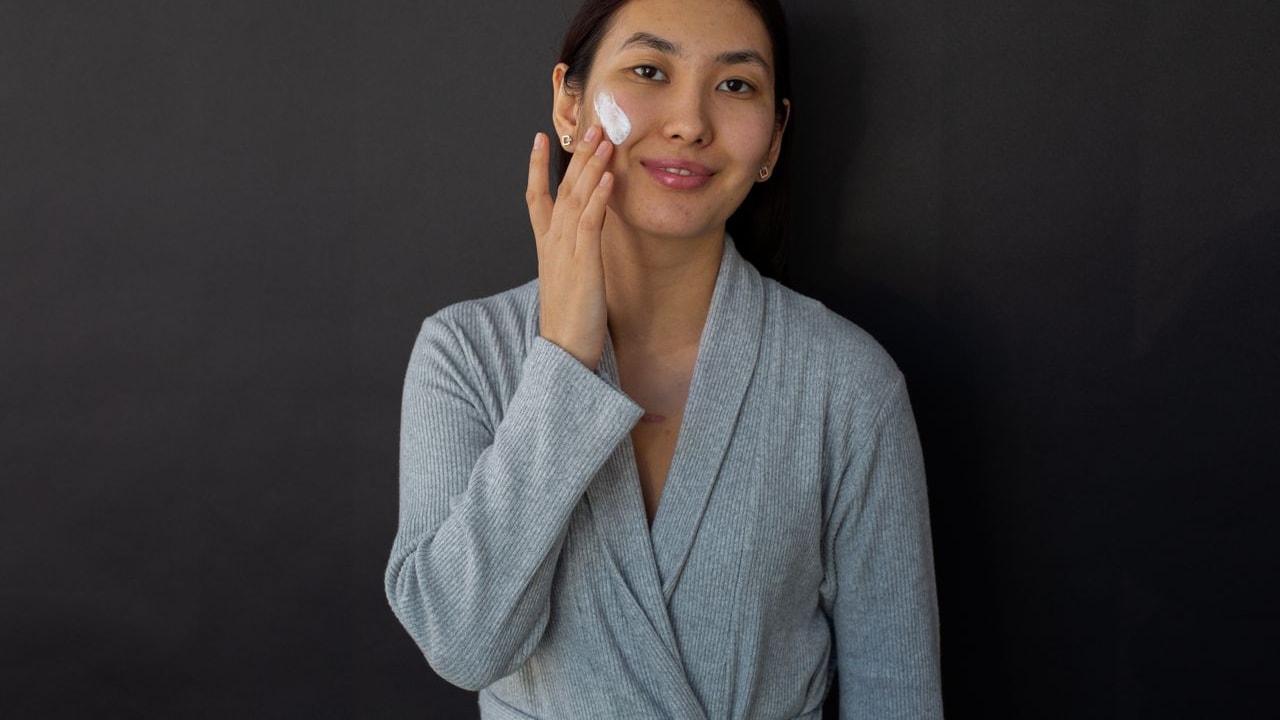
Build the most effective winter nighttime routine with these tips; Photo Credit: Pexels
Also Read: Why Are Retinol And Niacinamide Serums Dominating Night Routines
Simple Night Habits That Keep Skin Hydrated Through Winter
1. Why Skipping Night Cleansing Dries Skin Faster: How Gentle Washing Saves Moisture
After a long day, skipping face wash can feel tempting. Cold weather adds another excuse, as water feels icy and harsh. Yet, avoiding cleansing at night often worsens dryness. Dirt, pollution and leftover sunscreen sit on the skin, blocking moisturisers from doing their job.
Harsh cleansers, however, create another problem. Foaming formulas loaded with sulphates strip natural oils, leaving skin squeaky but uncomfortable. Winter nights call for gentle, non-foaming cleansers that remove grime without disturbing the skin barrier.
A cream or milk cleanser works well. Massage gently for thirty seconds, rinse with lukewarm water and pat dry. Avoid rubbing with towels, as friction irritates already sensitive skin. Clean skin absorbs hydration better, making this step essential rather than optional.
Skipping cleansing may save time, but gentle washing saves moisture, and sanity, when skin feels dry by bedtime.
2. Why Hot Water Feels Comforting but Damages Skin: How Lukewarm Rinses Protect Hydration
Hot showers at night feel like therapy during winter. Steam warms frozen fingers and melts away stress. Sadly, skin pays a price. Hot water strips oils faster than cold winds, leaving skin dehydrated and itchy.
At night, this damage worsens as skin loses moisture naturally during sleep. A blazing shower before bed creates the perfect storm for dryness by morning. Lukewarm water may not feel as indulgent, but it keeps essential oils intact.
Shorter showers help too. Five to seven minutes works better than lingering under hot water. For face washing, stick to gentle splashes rather than soaking. After bathing, apply moisturiser within three minutes to lock in hydration.
Think of skin like a sponge. Hot water squeezes moisture out, while lukewarm water keeps it comfortably plump.
3. Why Night Creams Matter More Than Day Creams: How Rich Textures Repair Skin Overnight
Day creams focus on protection. Night creams focus on repair. Winter nights demand richer textures that work while the body rests. Lightweight gels that feel refreshing in summer often fall short during colder months.
A nourishing night cream contains ingredients like ceramides, shea butter or glycerin. These support the skin barrier and prevent moisture loss through the night. Thicker textures may feel heavy at first but absorb beautifully after a few minutes.
Applying too little also limits benefits. Use a coin-sized amount and warm it between palms before pressing gently onto the face. Avoid aggressive rubbing, which irritates delicate skin.
A good night cream acts like a comforting blanket, soft, protective and quietly effective while sleep takes over.
4. Why Over-Exfoliating at Night Worsens Winter Dryness: How Less Scrubbing Heals Skin
Exfoliation promises glowing skin, but winter nights demand restraint. Scrubs and acids remove dead skin, yet overuse damages the protective barrier. This leads to redness, stinging and flaky patches that refuse to heal.
During colder months, exfoliating once a week works best for most skin types. Choose gentle options like lactic acid or mild enzyme exfoliants rather than harsh scrubs with large particles.
Never exfoliate right before bed without proper moisturising. Freshly exfoliated skin loses moisture quickly. Follow with a soothing serum or cream to calm and hydrate.
Healthy skin thrives on balance. Too much scrubbing turns glow into discomfort faster than expected.
5. Why Skipping Lip Care at Night Causes Cracks: How Overnight Balm Restores Softness
Lips suffer silently during winter. Thin skin and no oil glands make them prone to dryness. Daytime balms help, but nighttime care seals the deal.
Ignoring lips at bedtime often leads to painful cracks by morning. A thick, nourishing lip balm works best overnight. Look for ingredients like beeswax, lanolin or almond oil for lasting hydration.
Avoid licking lips before sleep. Saliva dries skin further, despite momentary relief. A gentle sugar scrub once a week removes flakes, allowing balm to penetrate better.
Soft lips greet mornings better. A small step at night prevents big discomfort during the day.

Use a thick, nourishing lip balm to care for your lips the right way; Photo Credit: Pexels
6. Why Sleeping with Makeup Dries Skin: How Clean Skin Repairs Better Overnight
Makeup traps dirt and prevents skin from breathing. Sleeping with it on disrupts the repair cycle, leading to dryness, breakouts and dullness. Winter makes this habit even harsher.
Double cleansing works well at night. Start with a gentle oil or micellar water to remove makeup. Follow with a mild cleanser to clean skin thoroughly. This method avoids aggressive scrubbing while ensuring cleanliness.
Clean skin absorbs serums and creams better. Skincare products sit uselessly on makeup-covered skin, offering little benefit.
Removing makeup feels tedious after long days, but skin rewards this discipline with comfort and clarity.
7. Why Ignoring Hands and Feet at Night Causes Rough Patches: How Deep Moisturising Helps
Hands and feet face cold air, frequent washing and constant friction. Nighttime offers the best chance to repair damage. Sadly, these areas often get ignored.
Apply a rich cream before bed, focusing on knuckles, cuticles and heels. Cotton gloves or socks help seal moisture overnight. This simple trick transforms rough skin within days.
Cracked heels and dry hands cause discomfort and embarrassment. Consistent care prevents painful splits and improves texture.
Treat hands and feet like the face. They deserve equal attention, especially during winter nights.
8. Why Indoor Heating Dries Skin Overnight: How Simple Habits Restore Balance
Heaters bring warmth but steal moisture from the air. Dry indoor environments worsen skin dehydration during sleep. Waking up with tight skin often traces back to heated rooms.
A humidifier adds moisture back into the air, supporting skin hydration. If unavailable, placing a bowl of water near the bed helps slightly. Keeping heating at moderate levels also reduces dryness.
Drinking enough water during the day supports hydration from within. While water alone cannot fix dry skin, dehydration worsens the problem.
Comfortable sleep and healthy skin thrive in balanced environments, not overly dry rooms.
9. Why Layering Skincare Incorrectly Reduces Benefits: How Proper Order Boosts Hydration
Layering products in the wrong order limits effectiveness. Applying thick creams before serums blocks absorption. Winter skincare works best when layered thoughtfully.
Start with cleanser, followed by toner if used. Apply serums next, focusing on hydration rather than actives. Seal everything with a rich night cream.
Avoid using too many products. Overloading the skin leads to congestion and irritation. Two or three well-chosen steps outperform cluttered routines.
Simple routines suit winter nights better. Skin prefers consistency over confusion.
10. Why Inconsistent Night Routines Fail: How Small Daily Habits Create Lasting Results
Skincare works best when practised regularly. Sporadic care delivers uneven results, especially during harsh winters. One good night followed by neglect resets progress.
Building a simple routine increases consistency. Cleanse, moisturise and protect lips every night. These habits take less than five minutes but offer long-term benefits.
Skipping routines during travel or busy days happens. Resume gently rather than overcompensating with harsh treatments.
Healthy skin reflects daily care, not occasional effort. Small habits create visible change over time.
Products Related To This Article
1. Lakme Youth Infinity Night Creme 50g
2. Clayco. Rice & Sake Sleep Mask 50 Ml
3. CeraVe PM Facial Moisturizing Lotion For Normal To Dry Skin
4. Conscious Chemist® 0.2% Retinol Moisturizer Cream
5. PLIX - THE PLANT FIX Pomegranate 1% Retinol & 1% Bakuchi Oil Anti Ageing Night Cream
6. SkinInspired Retinol Night Cream For Wrinkles & Anti-Aging
7. Dot & Key Night Reset Retinol + Ceramide Night Cream
Winter nights challenge skin in quiet but persistent ways. Cold air, indoor heating and tired routines combine to drain moisture and comfort. Yet, a thoughtful nighttime skincare approach restores balance and resilience.
Gentle cleansing, mindful water temperature, rich moisturising and consistent habits protect skin when it needs support most. Avoiding harsh treatments and embracing simplicity allows skin to repair naturally during sleep.
(Disclaimer: This article may include references to or features of products and services made available through affiliate marketing campaigns. NDTV Convergence Limited (“NDTV”) strives to maintain editorial independence while participating in such campaigns. NDTV does not assume responsibility for the performance or claims of any featured products or services.)