Your Highlighter Is Not Showing? Prepping and Layering Tips That Transform Your Makeup
Highlighter not showing? Discover expert prepping and layering tips for radiant makeup that lasts all day. Learn how to make your highlighter glow brighter and transform your entire makeup look.
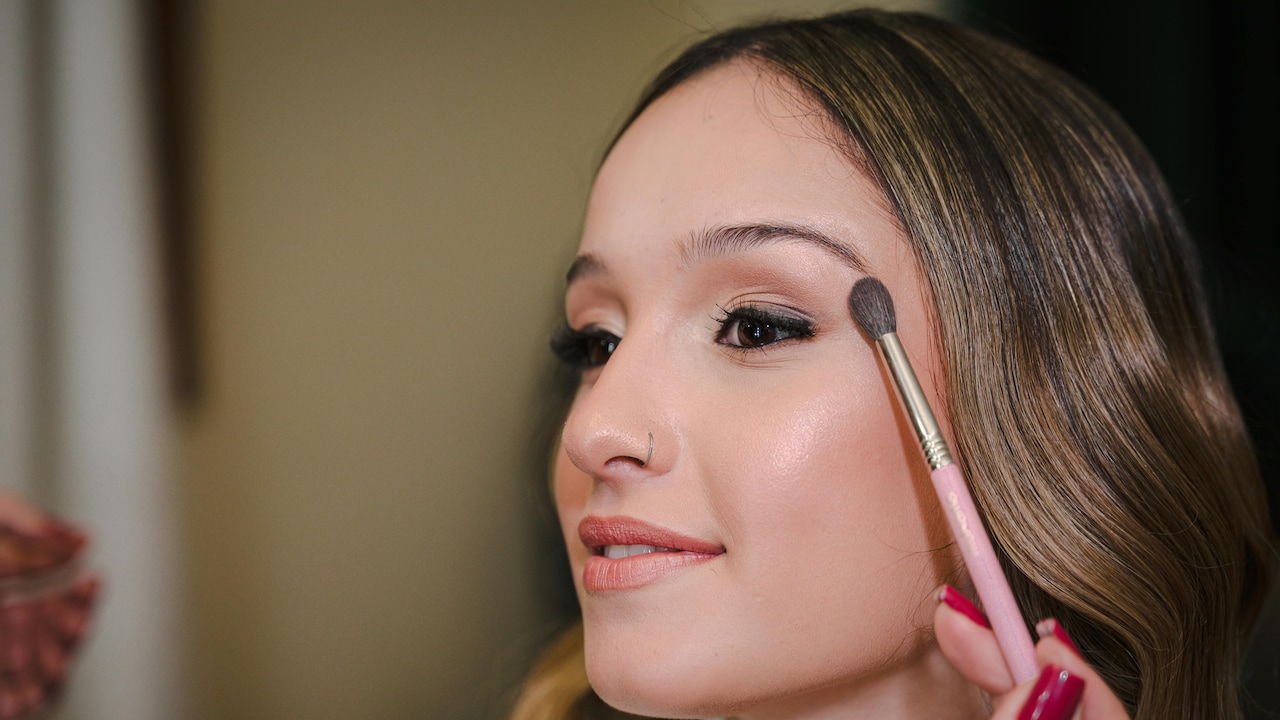
Why Your Highlighter Isnt Showing and the Makeup Prep Tricks That Make It Glow.
Highlighter promises glow, radiance, and that effortless “just stepped into good lighting” look. Yet, for many, it ends up looking flat, chalky, or simply invisible. The temptation is to keep swiping more product, hoping the shine will magically appear. That rarely works. The truth hides in the steps before the highlighter ever touches the skin. Makeup behaves like a house built on its foundation. If the base feels dry, textured, or overloaded, even the most expensive ₹4,000 highlighter will struggle to shine. Add harsh lighting, humidity, long commutes, and busy days, and the glow fades faster than expected.
This article explores why highlighter fails to show up and how simple, practical changes can resolve the issue. No complicated routines or influencer-only tricks. Just realistic prep, clever layering, and a few mindset shifts that make glow achievable for everyday life, whether it's a wedding function, office party, or casual brunch.
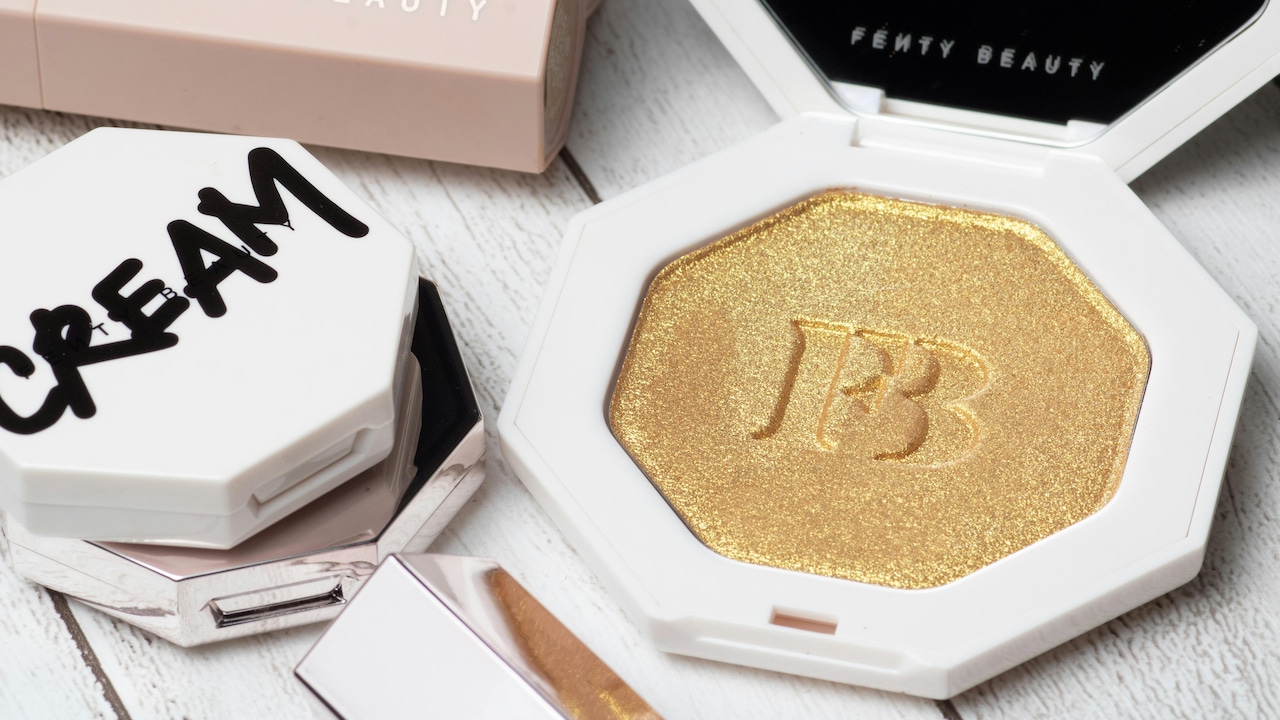
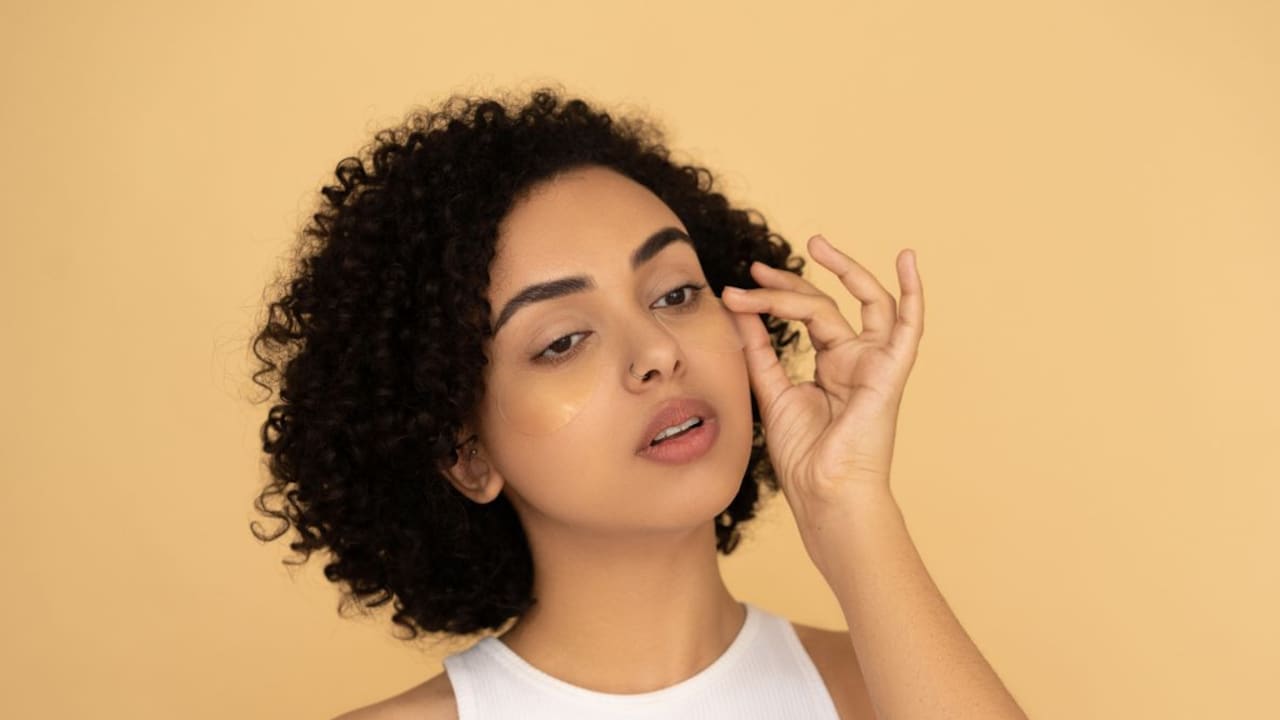
Why Your Highlighter Isn't Showing and the Prep Tricks That Make It Glow; Photo Credit: Pexels
Before You Add More Product, Fix These Glow-Blocking Mistakes
1. Skin Prep: Glow Begins Before Makeup Starts
The highlighter refuses to cooperate when the skin feels rough or dry. Dry patches grab pigment unevenly, while excess oil breaks down shimmer within hours. Balanced skin allows light-reflecting particles to sit smoothly and catch light naturally.
Cleansing sets the stage. A gentle cleanser removes residue without stripping moisture. Follow with a hydrating toner or essence to soften the surface. Moisturiser matters more than most realise. Lightweight gel creams suit humid days, while richer creams work better during dry winters. Skipping this step often leads to highlighter clinging to texture instead of glowing.
Sunscreen plays a quiet yet powerful role. Many modern formulas leave a subtle sheen that enhances glow. Allow sunscreen to settle for a few minutes before moving on. Rushing causes layers to slide and separate.
Think of prep as polishing a canvas. When skin feels comfortable and supple, highlighter doesn't need extra effort to shine. It simply reflects what's already there, healthy, well-prepped skin.
2. Exfoliation: Removing the Glow Blockers
Dead skin cells act like tiny speed breakers. They scatter light instead of reflecting it, making even intense highlighters appear dull. Gentle exfoliation clears the path for glow.
Physical scrubs once dominated skincare shelves, but overuse often caused micro-tears and sensitivity. Chemical exfoliants now offer a smarter option. Mild AHAs or lactic acid toners are used once or twice a week, smooth texture without irritation. For sensitive skin, enzyme-based exfoliants work quietly in the background.
Timing matters. Exfoliate the night before an event, not minutes before makeup. Freshly exfoliated skin needs time to calm down. Rushing leads to redness, which then requires extra base makeup, burying the glow again.
Regular exfoliation creates consistency. Highlighter performs better when skin texture stays even week after week. That soft gleam seen on cheekbones often owes more to skincare habits than to the makeup itself.
Also Read: Top Luxury Highlighters That Are Worth The Hype
3. Primer Choices That Actually Enhance Highlight
Primer often gets treated as optional, but the right one can make or break a glow look. Matte primers flatten shimmer, while overly slippery ones cause highlighter to slide off.
Illuminating primers add subtle radiance beneath the base. They don't replace the highlighter but amplify it. Focus application on high points, tops of cheekbones, bridge of the nose, and cupid's bow, rather than the entire face.
Pore-filling primers serve a different purpose. They smooth texture around cheeks and nose, helping highlighter sit evenly instead of breaking into dots. A mix-and-match approach works best: pore filler where needed, glow primer where shine should peek through.
Avoid heavy layers. A pea-sized amount blended well does the job. Too much primer creates a thick barrier, muting everything layered on top. When primer supports rather than dominates, highlighter finally gets its moment.
4. Foundation Finish Makes a Huge Difference
Foundation acts like tinted glass over skin. If it's too matte or heavy, it dulls anything applied above it. Dewy or natural finishes allow light to bounce back.
Full-coverage foundations often need careful handling. Apply thin layers and blend well, especially on cheekbones. Leaving this area lighter prevents highlighter from getting buried. Spot concealing instead of masking the entire face keeps the base breathable.
Setting the foundation too aggressively also steals glow. Pressing powder all over the face kills shine instantly. Instead, powder only where necessary, under eyes, sides of the nose and chin. Let cheekbones remain slightly tacky for better highlighter grip.
The goal isn't oily skin, but a skin-like finish. When foundation mimics real skin, highlighter blends seamlessly rather than sitting on top like decoration.
Why Your Highlighter Isn't Showing and the Prep Tricks That Make It Glow; Photo Credit: Pexels
5. Cream Before Powder: The Golden Layering Rule
One of the biggest glow secrets lies in texture order. Cream products under powder ones create depth and longevity. Skipping this step often results in flat shimmer.
Cream highlighters melt into skin, creating a base glow that looks natural. Apply a small amount using fingers or a damp sponge, tapping gently on high points. Let it settle for a minute.
Powder highlighter on top intensifies shine. The cream underneath grabs pigment, making even subtle powders pop. This sandwich effect works especially well for long events like weddings or festivals.
Avoid overdoing both layers. The aim is dimension, not disco. When layered thoughtfully, highlighter catches light at different angles, creating that coveted multi-dimensional glow seen in professional makeup.
6. Placement Matters More Than Quantity
More product doesn't equal more glow. Wrong placement makes even blinding highlighters disappear under harsh lighting.
Cheekbone placement should follow bone structure, not trends. Smile gently to locate the highest point, then apply slightly above it rather than directly on the apple of the cheek. This lifts the face and avoids emphasising texture.
Nose highlight works best in moderation. A thin line on the bridge with a tiny dot on the tip reflects light without looking oily. Brow bone highlight should stay subtle to prevent a heavy look.
Cupid's bow and inner corners add freshness when done lightly. Strategic placement creates a glow that looks intentional, not accidental. When light hits the right spots, the face lights up naturally without needing layers of shimmer.
7. Brushes, Sponges and Fingers: Tools Change Everything
Application tools influence how the highlighter shows up. The wrong brush can sheer out pigment or deposit it unevenly.
Fan brushes give a soft, diffused glow but struggle with intense payoff. Dense, tapered brushes pack more pigment and suit bold looks. For cream products, fingers warm the formula, helping it melt into skin. A damp sponge offers control and seamless blending.
Clean tools matter more than expected. Old product residue dulls the shimmer and causes patchy application. Washing brushes regularly keeps colours true and textures smooth.
Experimenting with tools reveals surprising results. A highlighter that seemed invisible with one brush may glow beautifully with another. Sometimes, the product isn't the problem; the tool is.

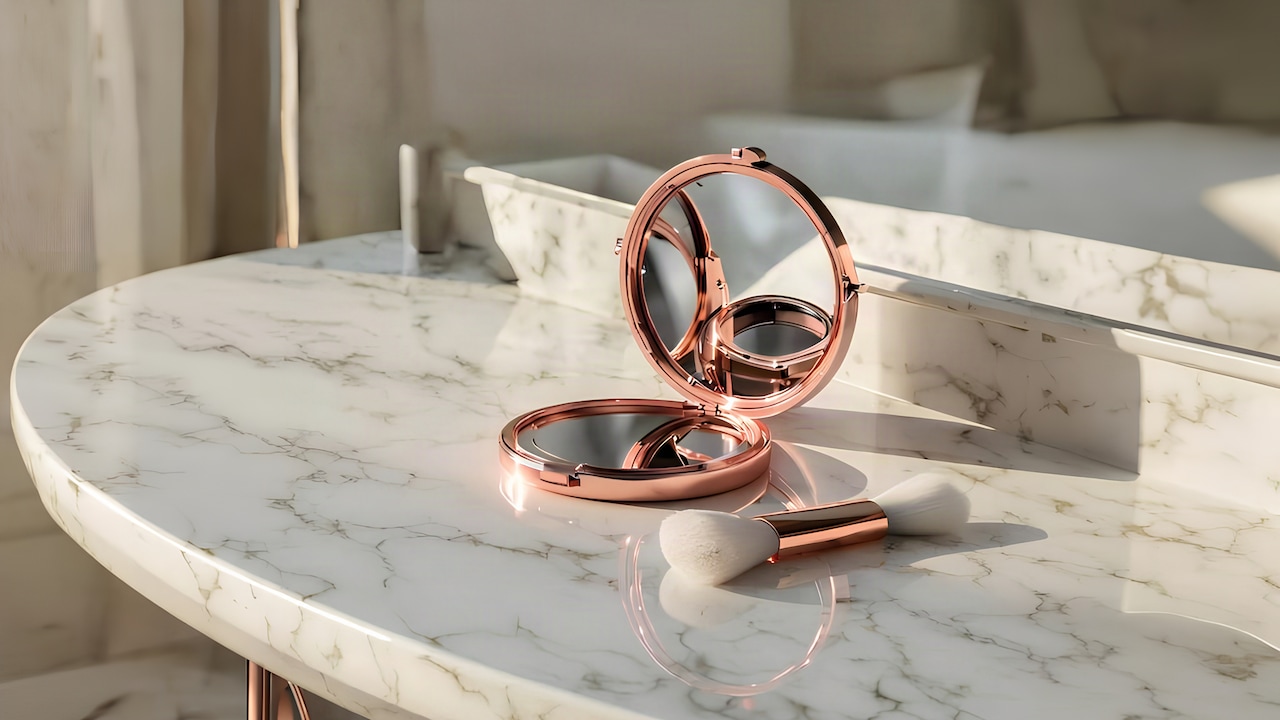
Why Your Highlighter Isn't Showing and the Prep Tricks That Make It Glow; Photo Credit: Pexels
8. Lighting: The Silent Glow Killer
Bathroom lighting lies. Soft yellow bulbs make everything look perfect, while daylight exposes reality. Highlighter applied under poor lighting often disappears outdoors.
Natural light remains the best judge. Applying makeup near a window shows how shimmer truly behaves. If natural light isn't available, use a white LED mirror that mimics daylight.
Avoid overcompensating under dim lights. Piling on product indoors leads to harsh streaks outside. Step back, tilt the face and check how light reflects from different angles.
Good lighting builds confidence. Knowing that highlighter looks good beyond the mirror prevents constant touch-ups and second-guessing throughout the day.
9. Skin Type Realities: Customising Glow
Not all skin behaves the same way. Oily skin can break down highlighter quickly, while dry skin may absorb it. Customising steps makes the glow last longer.
For oily skin, setting spray before highlighter adds grip without mattifying. Powder highlighters with finer shimmer work better than chunky glitter. Blot excess oil gently instead of layering powder.
Dry skin benefits from hydrating mists and cream formulas. Avoid heavy powders that cling to patches. Dewy finishes enhance natural radiance without emphasising dryness.
Understanding skin type removes frustration. When products align with skin needs, glow stops feeling like a battle and starts feeling effortless.
10. Setting Spray: Locking the Glow In
Setting spray often marks the final step, but it does more than just hold makeup. The right spray melts layers together, removing powdery finishes and enhancing radiance.
Choose setting sprays based on finish. Dewy sprays boost glow, while natural finishes suit everyday wear. Hold the bottle at arm's length and mist lightly. Drenching the face causes streaks and patchiness.
Some artists use setting spray before and after the highlighter. The first layer adds tackiness; the second locks everything in. This trick works wonders for long days and late nights.
A good setting spray acts like a seal, ensuring highlighter stays visible from morning meetings to evening celebrations.
Products Related To This Article
1. INSIGHT Highlighter for Face & Body
2. FACESCANADA Strobe Cream - Rose Gold
3. Sotrue Strobe Cream Pink for Face Radiance
4. RENEE Lumi Glow Highlighting Moisturizer
5. Swiss Beauty Select Game Changer Strobe Cream Enriched With Shea Butter & Vitamin C
6. Essence gimme GLOW luminous highlighter
7. Just Herbs Lumi Glow Strobe Cream with Lotus & Sandalwood
Makeup Highlighter rarely fails on its own. It responds to everything layered beneath it, skincare, base makeup, tools, and technique. When prep feels rushed or layers feel heavy, glow struggles to shine through. Small adjustments make a big difference. Better moisturising, smarter foundation choices, cream-and-powder layering and thoughtful placement transform results without buying new products. Makeup works best when it supports real life, not perfection.
(Disclaimer: This article may include references to or features of products and services made available through affiliate marketing campaigns. NDTV Convergence Limited (“NDTV”) strives to maintain editorial independence while participating in such campaigns. NDTV does not assume responsibility for the performance or claims of any featured products or services.)