10 Reasons A Laptop Stand Improves Posture, Reduces Pain, And Boosts Focus
A laptop stand does more than ease neck pain. It improves posture, reduces fatigue, and helps you stay focused longer, turning everyday screen time into a more comfortable and productive experience.
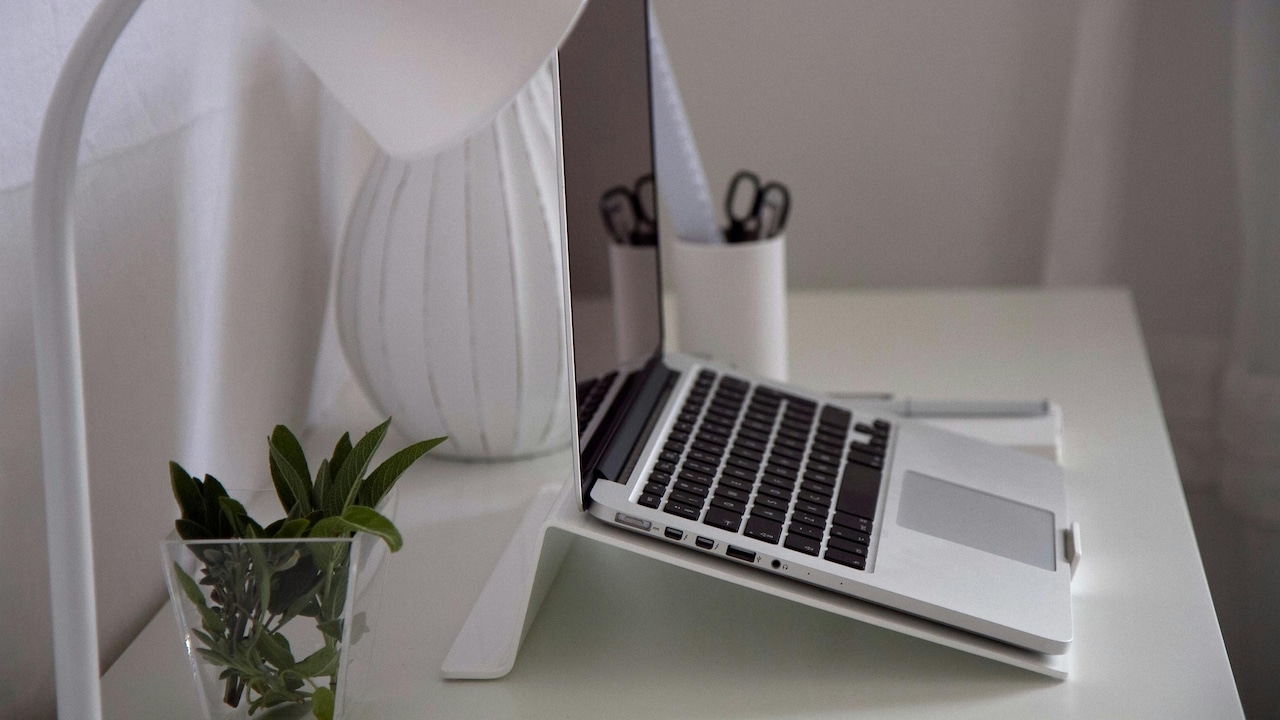
Explore the hidden health benefits of using a laptop stand
Long hours in front of a screen have become a quiet norm. Work spills into evenings, study sessions stretch late into the night, and even leisure time leans heavily on laptops. In this routine, discomfort creeps in unnoticed. A slight bend of the neck becomes a habit, a slouch becomes the default posture, and fatigue settles in long before tasks are done. Many assume productivity depends on discipline or time management. Yet, the body often decides how long the mind can stay engaged. When posture suffers, concentration follows. A laptop stand, though modest in design, shifts this balance. It aligns the body, reduces strain, and creates an environment where focus can last longer without feeling forced.
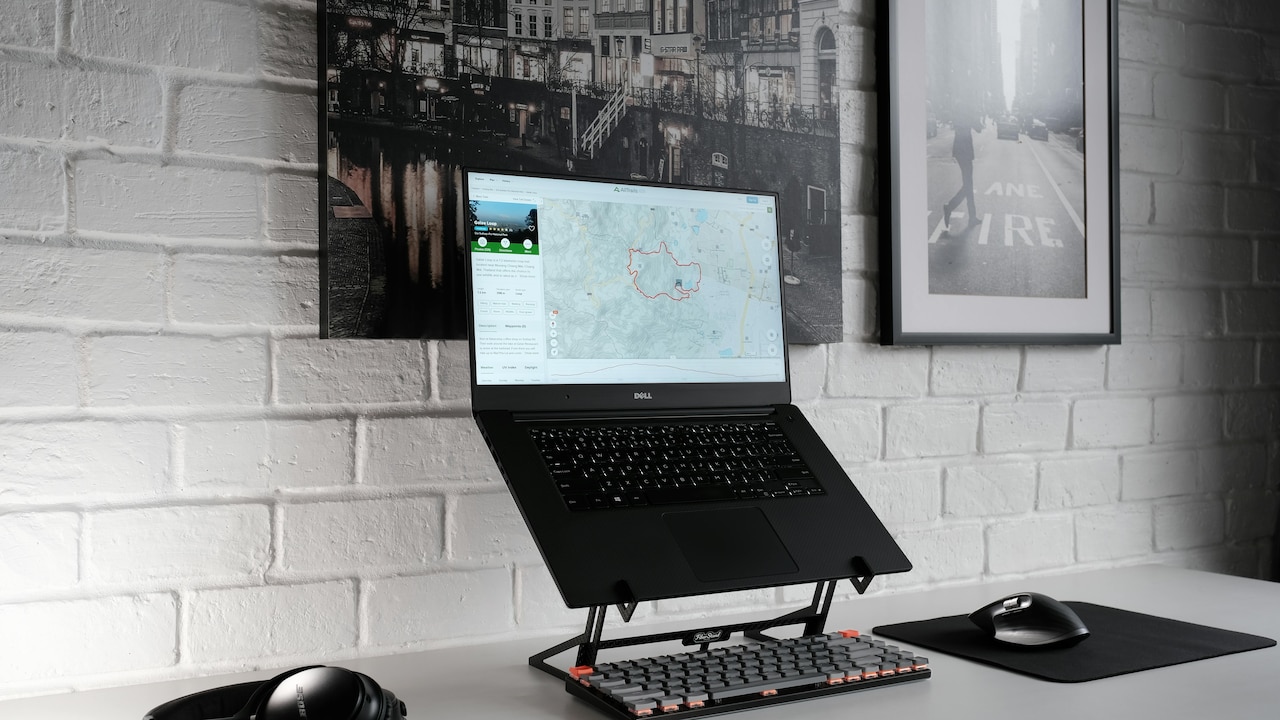
Different ways how having a laptop stand can bless your body; Photo Credit: Pexels
This isn't about fancy setups or expensive gadgets. Even a basic stand, priced around ₹500 to ₹2,000, can quietly change the rhythm of a workday. The difference lies not just in comfort but in clarity, stamina, and the ability to stay present with a task.
Also Read: 10 Must-Have Features In A Laptop Table for People Who Move Between Rooms Often
What Really Changes When You Start Using A Laptop Stand
Posture Stops Fighting Back
A laptop placed flat on a desk invites a natural slump. The head tilts downward, shoulders round forward, and the spine curves into a shape it was never designed to hold for long. Over time, this posture doesn't just cause discomfort; it drains energy. The body constantly compensates, and that effort steals attention away from the task at hand.
Raising the screen to eye level changes this dynamic. The spine aligns, shoulders relax, and the head rests in a neutral position. Suddenly, the body stops working against itself. This shift feels subtle at first, almost unnoticeable, but its impact builds over hours. Instead of adjusting position every few minutes, there's a steady sense of ease.
In many homes, makeshift solutions like stacking books often serve the same purpose. Yet, a proper stand offers stability and consistency. That reliability matters. When posture feels natural, focus becomes less about endurance and more about flow.
Less Pain Means More Attention
Pain rarely arrives dramatically. It starts as a mild stiffness, a slight ache at the base of the neck, or a dull pull between the shoulders. These small signals often get ignored until they grow into distractions that refuse to stay quiet.
A laptop stand reduces this strain by bringing the screen closer to eye level. The neck no longer bends forward for extended periods. This simple adjustment prevents the gradual build-up of tension that often interrupts work.
When discomfort fades, attention sharpens. There's no need to pause, stretch constantly, or shift positions in search of relief. Tasks feel smoother, less interrupted. It's not about working harder but working without the constant background noise of physical strain.
In busy routines, where breaks aren't always planned, this difference becomes even more valuable. The absence of pain doesn't just feel good; it creates space for deeper concentration.
Breathing Improves Without Effort
Slouching compresses more than just the spine. It limits how the lungs expand. Shallow breathing becomes the norm, and with it comes a subtle drop in energy levels. Many don't notice this connection, yet it plays a crucial role in focus.
An upright posture, encouraged by a laptop stand, allows the chest to open naturally. Breathing deepens without conscious effort. This improved oxygen flow supports better alertness and reduces the sluggishness that often creeps in during long sessions.
Think of those mid-afternoon moments when energy dips and concentration wavers. Often, it's not just fatigue but restricted breathing contributing to that fog. Correcting posture gently restores this balance.
The result isn't dramatic or immediate, but it's consistent. Over time, this steady improvement in breathing supports longer periods of clear, sustained attention.
Eye Strain Reduces Significantly
Looking down at a screen for hours places unnecessary stress on the eyes. The angle forces them to work harder, leading to dryness, blurred vision, and frequent blinking. These symptoms may seem minor, yet they quietly disrupt focus.
A raised screen aligns with the natural line of sight. The eyes no longer strain to adjust to an awkward angle. This reduces fatigue and allows for more comfortable viewing over extended periods.
In homes where lighting varies throughout the day, this adjustment becomes even more important. Glare and reflections often worsen when screens are positioned poorly. A stand offers flexibility, helping to find a better angle and reduce these distractions.
Clear vision supports clear thinking. When the eyes feel relaxed, reading, writing, and analysing information become smoother tasks. It's a small shift with a noticeable impact on how long attention can be maintained.
Focus Becomes Less Forced
When the body feels uncomfortable, focus often becomes an act of willpower. There's a constant push to stay on task despite distractions caused by physical strain. This effort drains mental energy faster than expected.
A laptop stand removes one layer of this struggle. With fewer physical interruptions, concentration feels more natural. Tasks flow without the constant need to refocus after adjusting posture or easing discomfort.
This change often surprises people. The same workload feels lighter, not because it has changed, but because the environment supports it better. The mind doesn't need to fight the body to stay engaged.
Over time, this ease builds confidence. Longer periods of focus no longer feel intimidating. Instead, they become part of a steady, manageable rhythm.
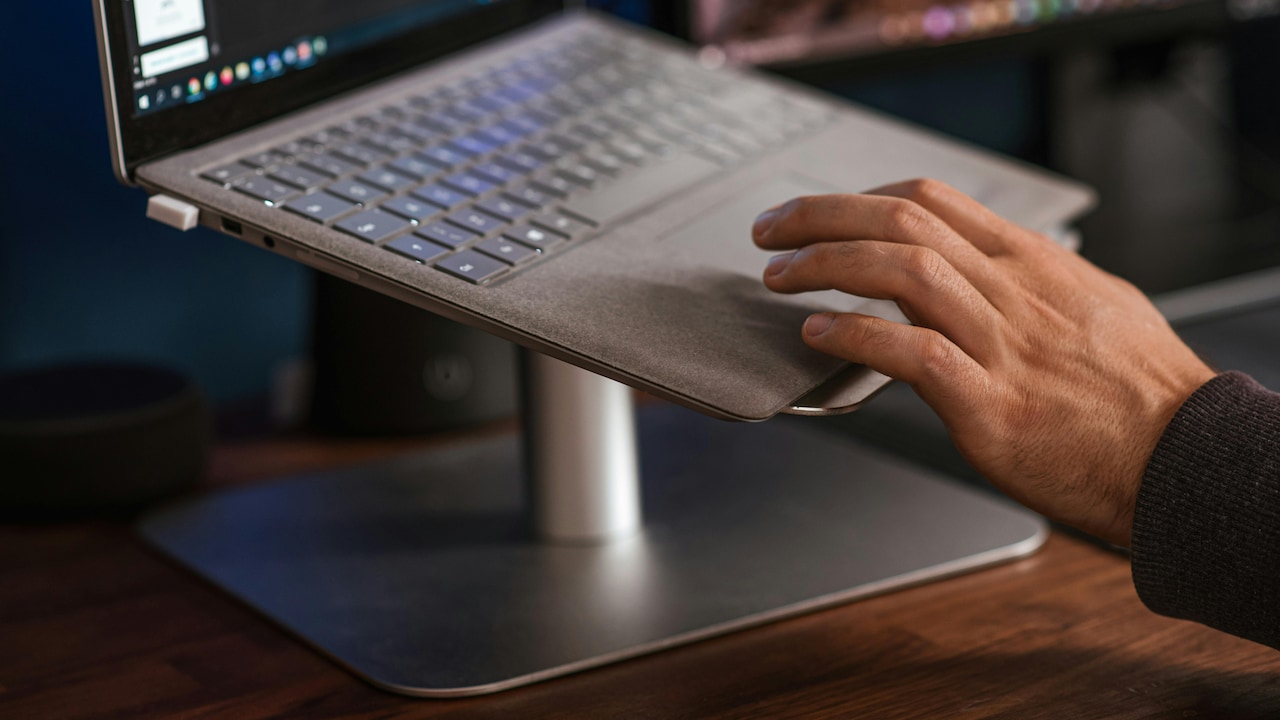
Laptop stands make concentration feel natural and not forced; Photo Credit: Pexels
Energy Lasts Longer Through The Day
Energy isn't just about sleep or caffeine. Posture plays a significant role in how energy is used and conserved. Poor alignment forces muscles to work harder, leading to faster fatigue.
With a laptop stand, the body operates more efficiently. Muscles relax into a natural position, reducing unnecessary effort. This conservation of energy allows for longer periods of sustained work without feeling drained.
In busy schedules filled with meetings, assignments, or deadlines, this extra energy can make a noticeable difference. Tasks that once felt exhausting become more manageable.
By the end of the day, the body feels less worn out. This not only improves productivity but also leaves room for activities beyond work, whether it's exercise, hobbies, or simply unwinding.
Creates A Subtle Work Boundary
Working from home often blurs the line between professional and personal spaces. A laptop placed anywhere becomes a workstation, whether it's the dining table, bed, or sofa. This lack of structure affects both focus and relaxation.
Introducing a laptop stand adds a sense of intention. It signals the start of a work session. Setting it up becomes a small ritual that prepares the mind for focused activity.
This boundary, though subtle, helps maintain discipline. When the stand is in use, it's time to work. When it's put away, the space returns to its original purpose.
Such cues are especially helpful in environments where dedicated workspaces aren't always available. They create a mental separation that supports both productivity and rest.
Encourages Better Desk Habits
A laptop stand often leads to other positive changes. Once the screen is elevated, using an external keyboard and mouse becomes more comfortable. This setup further improves posture and reduces strain on the wrists.
Small adjustments like these create a more ergonomic workspace. Over time, they shape better habits. Sitting upright, maintaining proper hand positioning, and taking regular breaks become part of the routine.
These habits extend beyond the desk. Awareness of posture and movement carries into daily activities, reducing overall physical strain.
What begins as a simple upgrade gradually transforms into a healthier way of working. The benefits compound, supporting both comfort and efficiency.
Reduces Mental Fatigue Over Time
Mental fatigue often feels like a lack of motivation. Yet, it's frequently linked to physical discomfort. When the body struggles, the mind follows.
A laptop stand addresses this by creating a more supportive environment. With reduced strain, the brain doesn't need to process constant signals of discomfort. This frees up mental resources for actual tasks.
The result is a quieter mind. Thoughts feel clearer, decisions come easier, and tasks require less effort to complete. This doesn't eliminate fatigue entirely but delays its onset.
Over longer periods, this improvement becomes significant. Work sessions extend without feeling overwhelming, and breaks feel more refreshing.
Small Investment, Long-Term Impact
In a world filled with expensive productivity tools, a laptop stand stands out for its simplicity and affordability. With options available for under ₹1,000, it offers one of the highest returns on investment for daily comfort and focus.
Unlike gadgets that promise quick fixes, this is a practical solution rooted in basic ergonomics. Its benefits don't rely on trends or technology but on aligning the body with how it naturally functions.
Over months and years, the impact accumulates. Reduced pain, better posture, and improved focus contribute to overall well-being. It's a reminder that sometimes, the most effective changes are also the simplest.
Products Related To This Article
1. PLIXIO Adjustable Laptop Stand with 360° Rotating Base Tableto
2. ZEBRONICS Aluminium Alloy Laptop Stand
3. STRIFF Laptop Tabletop Stand
4. Sounce HyperLift Aluminium Laptop Stand
5. Amkette Ergo Hi-Rise V2 Laptop Stand 360 Rotation
A laptop stand doesn't shout for attention. It doesn't come with flashy features or bold promises. Yet, its effect is quietly transformative. By improving posture, reducing strain, and supporting natural movement, it creates an environment where focus can thrive.
The connection between physical comfort and mental clarity often goes unnoticed. But once addressed, the difference becomes hard to ignore. Tasks feel smoother, energy lasts longer, and work becomes less about endurance and more about engagement.
In the end, it's not just about fixing neck pain. It's about reclaiming attention, one comfortable hour at a time.
(Disclaimer: This article may include references to or features of products and services made available through affiliate marketing campaigns. NDTV Convergence Limited (“NDTV”) strives to maintain editorial independence while participating in such campaigns. NDTV does not assume responsibility for the performance or claims of any featured products or services.)