Why Buying A Cheap Laptop Costs You More In 2 Years
A bargain laptop may feel like a smart win at checkout, but over two years, it often drains more money, time, and patience than expected. From sluggish performance to rising repair bills, the real cost hides in everyday frustration and lost productivity.

10 ways buying a cheap laptop can hurt you
A shiny new laptop under ₹30,000 can feel like a steal. The box looks sleek, the salesperson nods reassuringly, and the promise of “basic use” sounds enough. After all, browsing, streaming, and occasional work do not seem demanding. Why spend ₹60,000 or more when a cheaper option claims to do the job?

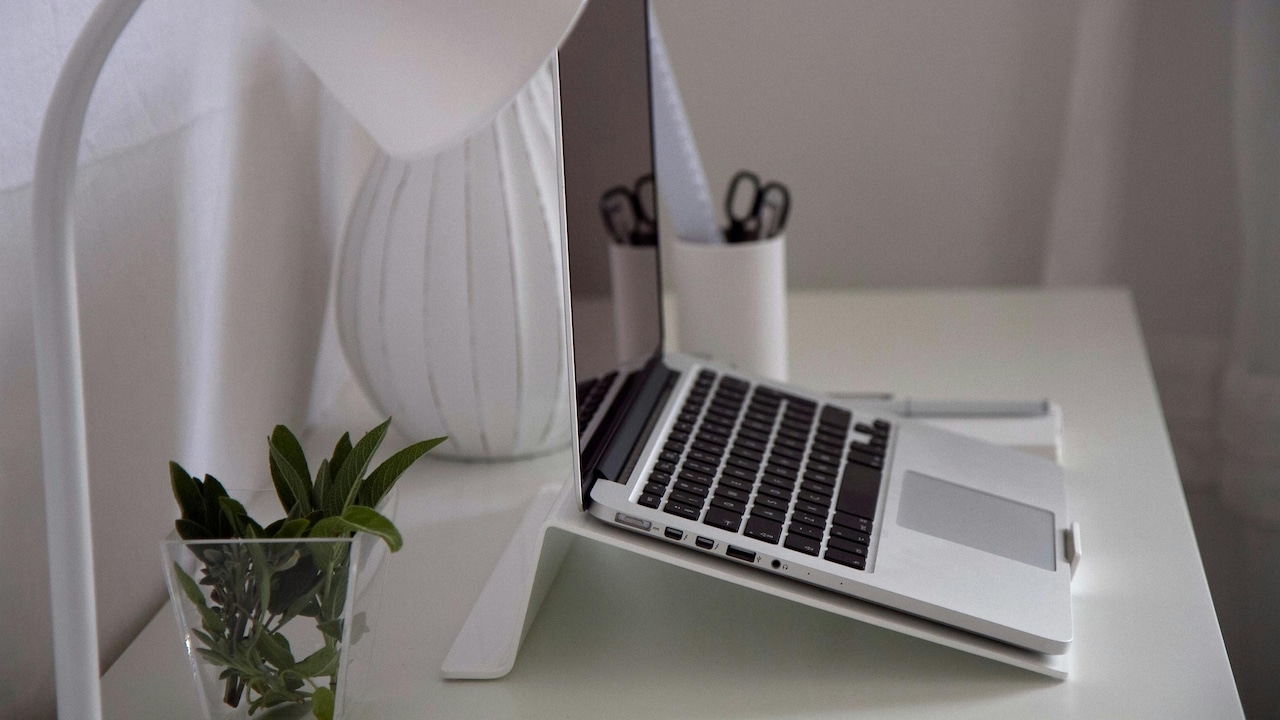
How going for a cheap laptop can cost more than you know; Photo Credit: Pexels
Yet, two years down the line, the story often shifts. The same laptop that once opened tabs smoothly now wheezes under pressure. A simple video call lags. Software updates crawl. That initial saving begins to feel less like a victory and more like a compromise that keeps asking for more.
This is not about pushing luxury gadgets or high-end machines. It is about understanding value over time. A low upfront price can quietly invite hidden costs, both financial and practical. The real expense reveals itself not at purchase, but in daily use, missed opportunities, and repeated fixes.
Let's unpack why that “budget buy” often ends up costing more than expected.
What Really Happens After The First Few Months
Slower Performance Becomes A Daily Tax
The first few weeks feel fine. Apps open, videos play, and documents load without fuss. Then, slowly, things change. The laptop begins to hesitate. Opening multiple tabs becomes a gamble. Even basic tasks start taking longer than they should.
That delay may seem small at first, but it compounds. Waiting an extra 10 seconds per task adds up over a day. Multiply that across weeks and months, and it turns into hours lost. For someone working remotely or studying online, those delays can disrupt flow and concentration.
Imagine trying to join an online class while the system struggles to load the meeting link. Or attempting to submit an assignment just as the laptop freezes. These are not rare incidents; they become routine with underpowered machines.
Time carries value. Whether used for work, study, or rest, every minute matters. A slow laptop quietly chips away at that time. What seemed like a one-time saving of ₹20,000 starts costing far more in lost productivity and daily frustration.
Frequent Repairs Drain Your Wallet
Cheap laptops often rely on lower-quality components. While they help reduce the initial price, they also increase the chances of wear and tear. Within a year or two, issues begin to surface.
Keyboards may stop responding properly. Hinges loosen. Charging ports become unreliable. A visit to the repair shop becomes inevitable. Each repair might cost ₹1,000 to ₹5,000, depending on the issue.
These expenses rarely come alone. One fix leads to another. A battery replacement here, a screen flicker there. Over time, the total repair cost can easily cross ₹10,000 or more.
Beyond money, repairs demand time and effort. Dropping off the laptop, waiting for updates, and adjusting to temporary disruptions can be exhausting. Work piles up. Deadlines get tighter.
Instead of saving money, the cheaper laptop creates a cycle of spending. The initial price tag starts to feel misleading when compared to the ongoing maintenance costs.
Battery Life Declines Rapidly
Battery performance plays a crucial role in everyday convenience. A budget laptop might promise decent battery life, but it often struggles to maintain it over time.
Within a year, the battery may start draining faster. What once lasted five hours now barely holds for two. Constant charging becomes necessary, limiting mobility.
Picture working from a café or attending a long lecture. The need to stay plugged in reduces flexibility. It also increases dependency on charging points, which are not always available.
Replacing a laptop battery is not always straightforward or cheap. Depending on the model, it could cost ₹3,000 to ₹7,000. Some designs make replacement difficult, adding labour charges to the bill.
Over two years, the declining battery not only affects usability but also adds to expenses. A slightly higher upfront investment in a better device often ensures longer-lasting battery performance, saving both money and convenience.
Limited Storage Creates Hidden Costs
Budget laptops usually come with minimal storage. At first, it feels manageable. A few documents, some photos, and basic apps fit comfortably.
Then reality sets in. Software updates grow larger. Files accumulate. Storage begins to run out sooner than expected. The system slows down further as it struggles with limited space.
To cope, external drives or cloud subscriptions become necessary. A decent external hard drive can cost ₹3,000 or more. Cloud storage plans add recurring expenses.
Managing storage also becomes a chore. Deleting files, moving data, and constantly monitoring space takes time and effort. It interrupts workflow and creates unnecessary stress.
A laptop with adequate storage from the start avoids these hassles. While it may cost more upfront, it reduces the need for additional purchases and ongoing subscriptions.
Poor Build Quality Leads To Early Wear
The feel of a laptop often reveals its build quality. Budget devices tend to use lighter materials that may not withstand daily use over time.
The lid may become wobbly. The keyboard might lose its firmness. Small cracks or loose parts start appearing. These issues do not just affect appearance; they impact functionality.
Carrying the laptop in a bag, placing it on different surfaces, or using it frequently accelerates wear. Over two years, the device may look and feel much older than it should.
Replacing parts or dealing with structural issues can be costly. In some cases, repairs are not even practical, pushing users towards buying a new device sooner than planned.
A sturdier laptop lasts longer and maintains its usability. That durability often justifies the higher price, especially when compared to the cost of premature replacement.

Poor build quality can also cause early wear and cause structural issues; Photo Credit: Pexels
Outdated Software Support Limits Usability
Cheap laptops often struggle with software updates. As operating systems evolve, they demand more power and memory.
A budget device may handle updates initially, but performance drops quickly. Eventually, updates may stop altogether. This leaves the system vulnerable and outdated.
Running older software can create compatibility issues. New apps may not work properly. Security risks also increase, exposing data to potential threats.
Upgrading the laptop becomes the only viable option. This means spending another ₹30,000 or more much sooner than expected.
A slightly better laptop usually supports updates for a longer period. It remains relevant and secure, extending its usable life and reducing the need for early replacement.
Reduced Multitasking Hurts Productivity
Modern work and study demand multitasking. Switching between apps, browsing multiple tabs, and handling files simultaneously are common requirements.
A cheap laptop often struggles with these tasks. Opening several applications can slow the system significantly. Lag becomes unavoidable.
This affects efficiency. Tasks that should take minutes stretch into longer sessions. Concentration breaks. Frustration builds.
Consider someone managing spreadsheets while attending a video call. Or a student researching while writing an assignment. Smooth multitasking is essential for these scenarios.
When a laptop cannot keep up, productivity suffers. The impact goes beyond inconvenience; it can affect performance at work or in studies.
Investing in a device that handles multitasking well saves time and enhances output. Over two years, this improvement has made a noticeable difference.
Lower Resale Value Offers No Return
After two years, many users consider upgrading their laptops. Selling the old device can help recover some cost.
However, cheap laptops often have very low resale value. Due to wear, outdated specs, and reduced performance, buyers are not willing to pay much.
A device purchased for ₹25,000 may fetch only ₹5,000 or less. In some cases, it may not sell at all.
In contrast, better-quality laptops retain value longer. Even after two years, they can command a reasonable price in the resale market.
This difference affects the overall cost of ownership. A higher initial investment can result in better returns later, reducing the effective expense.
Constant Frustration Impacts Experience
Technology should simplify life, not complicate it. A slow, unreliable laptop does the opposite.
Frequent glitches, lagging performance, and unexpected shutdowns create constant irritation. Small tasks start feeling like chores.
Over time, this frustration affects mood and motivation. Whether working on a project or watching a favourite show, the experience becomes less enjoyable.
This emotional cost often goes unnoticed but plays a significant role. A device used daily should feel reliable and smooth.
Spending a bit more on a better laptop ensures a more pleasant experience. It reduces stress and makes everyday tasks smoother and more enjoyable.
Early Replacement Doubles Your Spending
The biggest hidden cost of a cheap laptop appears when it needs replacement sooner than expected.
Within two years, many budget devices become too slow or unreliable to use effectively. Buying a new laptop becomes necessary.
This means spending another ₹30,000 to ₹50,000. Combined with the original purchase, the total cost doubles.
Had a better laptop been chosen initially, it could have lasted four to five years. The higher upfront cost would have spread over a longer period, making it more economical.
Early replacement turns a “saving” into a long-term expense. It highlights the importance of thinking beyond the initial price tag.
Products Related To This Article
1. acer Aspire Lite, AMD Ryzen 3 5300U Processor, 16 GB RAM
2. HP 15, 13th Gen Intel Core i3-1315U Laptop (8GB DDR4,512GB SSD) Anti-Glare
3. Dell 15, 13th Gen Intel Core i5-1334U (16GB DDR4, 512GB SSD) Anti-Glare FHD 15.6"/39.62cm
4. Lenovo IdeaPad Slim 3 13th Gen Core i5-13420H 15.3 inch (38.8cm) WUXGA IPS Laptop
5. ASUS Vivobook Go 14, AMD Ryzen 5 7520U
A cheap laptop often feels like a practical decision at first glance. It promises basic functionality at an attractive price. However, over two years, the hidden costs begin to surface.
From slower performance and frequent repairs to reduced productivity and early replacement, the total expense quietly increases. What seemed affordable becomes costly in ways that are not immediately visible.
Choosing a laptop should not be about the lowest price. It should focus on long-term value, reliability, and performance. Spending a little more upfront can save money, time, and frustration in the long run.
The next time a tempting deal appears, pause for a moment. Consider not just what it costs today, but what it might cost over the next two years. That perspective often makes all the difference.
(Disclaimer: This article may include references to or features of products and services made available through affiliate marketing campaigns. NDTV Convergence Limited (“NDTV”) strives to maintain editorial independence while participating in such campaigns. NDTV does not assume responsibility for the performance or claims of any featured products or services.)