Smart TVs Compared: Which Display Type Works Best In Brightly Lit Rooms?
Choosing a Smart TV for a bright room isn’t just about size or price. From LED to OLED and Mini-LED, each display handles sunlight differently, and the right choice can transform everyday viewing.

Buying A Smart TV For A Bright Living Room? Here's Which Display Type Works Best.
Buying a television once meant choosing between “big” and “bigger”. Today, the decision feels closer to selecting a smartphone or a car. Showrooms display dazzling screens running ultra-sharp demos, yet real homes rarely resemble dimly lit retail floors. Many living rooms receive generous daylight, especially in apartments with wide balconies or homes where curtains stay open through the afternoon. Under such conditions, some TVs shine while others struggle.
Bright environments expose weaknesses quickly. Blacks turn grey, colours lose depth, and reflections become unwanted co-stars during tense match moments. A dramatic film scene loses impact when sunlight bounces off the screen like a mirror. Families often realise this only after spending ₹60,000 or more on a television that looked perfect in the shop.
Display technology determines how effectively a TV handles brightness, contrast, and reflections. Marketing terms often confuse buyers, yet understanding a few core differences simplifies everything. This article compares the main Smart TV display types through real-world scenarios, practical observations, and relatable viewing habits. The aim remains simple: help readers find a screen that performs beautifully even when the room refuses to stay dark.
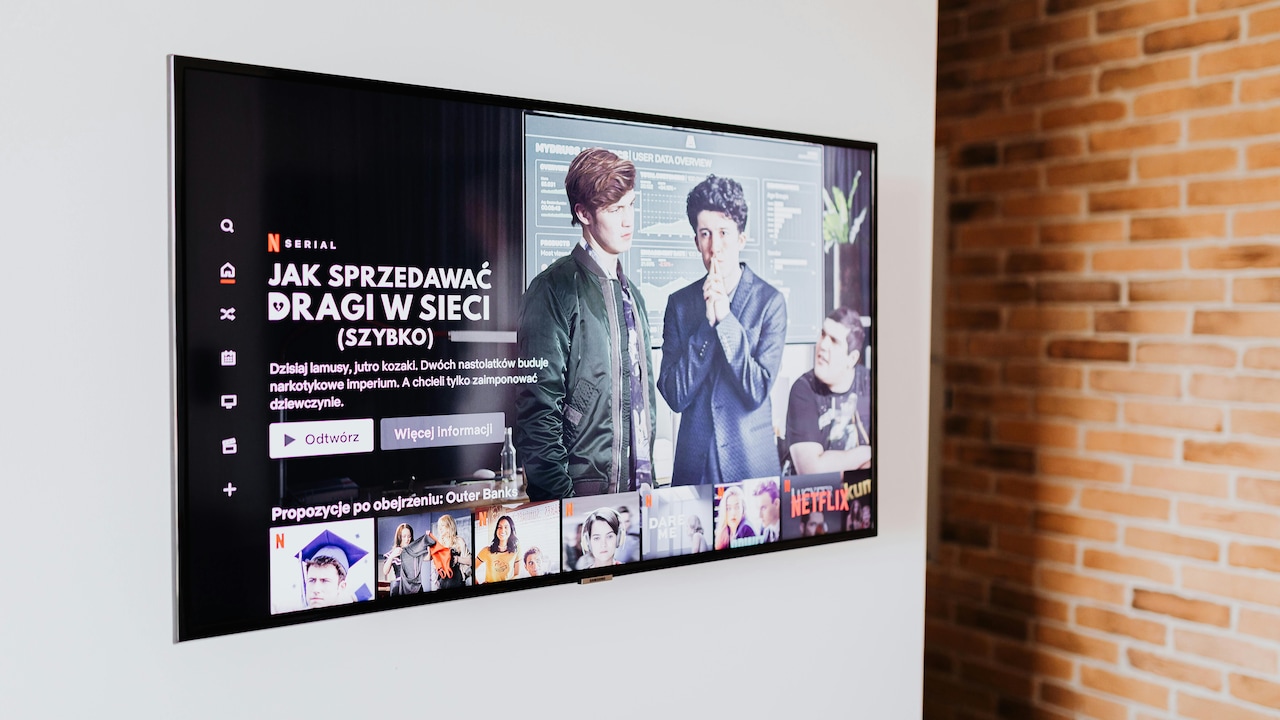
Smart TVs Compared: Which Display Type Works Best In Brightly Lit Rooms?
Photo Credit: Pexels
Understanding Display Technologies For Bright Room Viewing
Why Bright Rooms Challenge Modern TVs
Bright rooms create a unique battlefield for televisions. Light sources attack image quality from two directions at once. Ambient light washes out colours, while reflections distract viewers constantly. Even an expensive panel struggles if it cannot produce enough brightness to overpower surrounding illumination.
During afternoon hours, sunlight spreads unevenly across walls and floors. That glow reduces perceived contrast, which means dark scenes appear flat. A suspenseful thriller loses tension when shadow details disappear into a dull grey haze. Sports broadcasts suffer too; green pitches look pale rather than vibrant.
Many households prefer natural light rather than blackout curtains. Daytime television viewing includes news updates, children's cartoons, and streaming shows during weekends. A display designed primarily for cinematic darkness may disappoint in these everyday conditions.
Manufacturers measure brightness in “nits”, yet numbers alone never tell the full story. Screen coatings, panel structure, and local dimming technology influence performance equally. Some TVs fight glare aggressively, while others prioritise perfect blacks meant for dark rooms.
Understanding this challenge helps buyers avoid disappointment. A bright room does not demand compromise; it simply requires choosing the right display technology from the start.
LED TVs: The Reliable Everyday Performer
Standard LED TVs remain the most common choice across households, largely because they balance affordability and practicality. These televisions use LED backlights behind an LCD panel, producing enough brightness to handle regular daytime viewing comfortably.
In well-lit rooms, LED TVs often perform better than expected. Many models reach high brightness levels, allowing news channels or soap operas to remain clearly visible even when sunlight fills the room. Families upgrading from older LCD sets usually notice sharper visuals and stronger colours immediately.
However, basic LED panels lack advanced contrast control. Dark scenes sometimes appear uneven because the entire backlight illuminates large sections of the screen simultaneously. Watching a late-night crime series during the afternoon may reveal limited depth in shadows.
Budget plays a major role here. A solid LED Smart TV around ₹35,000–₹50,000 suits casual viewing habits perfectly. Streaming platforms, sports matches, and daily television programmes look lively without overwhelming expenses.
LED technology rarely aims to impress enthusiasts chasing cinematic perfection. Instead, it offers reliability. For homes where television runs throughout the day rather than only during movie nights, LED TVs provide dependable performance without demanding careful lighting adjustments.
QLED TVs: Brightness That Battles Sunlight
QLED televisions gained popularity because they solve one of the biggest bright-room problems: insufficient brightness. Using quantum dot technology, these displays enhance colour intensity while pushing brightness levels significantly higher than standard LED panels.
In sunlit spaces, QLED screens often appear punchy and energetic. Colours retain vibrancy even when overhead lights remain switched on. Cricket matches feel especially immersive, with uniforms and stadium lights standing out clearly instead of fading into glare.
Another advantage lies in colour volume. Bright reds, blues, and greens maintain richness at high brightness levels. Animated films and colourful streaming shows look particularly striking during daytime viewing sessions.
Reflections still exist, yet many QLED models include anti-glare coatings that reduce mirror-like distractions. Viewers sitting opposite windows notice fewer interruptions compared with traditional glossy screens.
Price positioning places QLED TVs between affordability and premium appeal. Models priced around ₹70,000–₹1,20,000 deliver strong performance for bright living rooms without entering luxury territory.
For households where television competes with daylight rather than darkness, QLED often feels purpose-built. The technology prioritises visibility and vibrancy, making it one of the safest choices for brightly lit environments.
OLED TVs: Stunning Picture, Specific Conditions
OLED televisions enjoy a near-mythical reputation among cinema lovers. Each pixel emits its own light, allowing perfect blacks and extraordinary contrast. In dim rooms, the picture looks breathtaking. Bright rooms, however, tell a more complicated story.
OLED panels typically produce lower peak brightness compared with QLED or Mini-LED displays. Under strong sunlight, their strengths become less noticeable. Deep blacks lose impact because ambient light lifts darker tones visually.
Reflections also appear more noticeable on certain OLED screens due to glossy finishes designed to enhance perceived contrast. Afternoon viewing near large windows may reveal reflections of furniture or movement behind viewers.
That said, modern OLED TVs improved brightness considerably. Evening viewing, even with lights switched on, still looks spectacular. Films, premium streaming content, and high-quality series gain remarkable depth and realism.
OLED suits viewers who prioritise cinematic quality over daytime television habits. A premium purchase around ₹1,20,000 or more makes sense when curtains often stay partially closed or viewing happens mostly after sunset.
In bright rooms filled with constant daylight, OLED remains impressive yet not always optimal. The technology excels under controlled lighting rather than relentless sunshine.
Mini-LED TVs: The New Brightness Champion
Mini-LED technology represents a significant evolution of traditional LED displays. Thousands of tiny backlights sit behind the screen, allowing precise control over brightness and contrast simultaneously.
This innovation transforms performance in bright environments. Mini-LED TVs achieve extremely high brightness while maintaining deeper blacks than standard LED or many QLED models. The result feels balanced rather than overly harsh.
Daytime sports viewing benefits enormously. Stadium lighting appears realistic, uniforms retain texture, and shadows remain visible despite surrounding light. Even dramatic streaming shows maintain depth without requiring dimmed rooms.
Local dimming zones reduce blooming effects, meaning bright objects do not spill light into darker areas excessively. This creates a more refined image that survives challenging lighting conditions gracefully.
Mini-LED televisions usually sit in the premium segment, often priced between ₹90,000 and ₹1,80,000 depending on size and features. While not inexpensive, they deliver versatility unmatched by many competitors.
For households wanting one television that handles both sunny afternoons and late-night movies equally well, Mini-LED offers a compelling solution. It combines brightness strength with contrast sophistication, making it arguably the most adaptable modern display technology.
Anti-Glare Technology And Screen Finishes Matter More Than Expected
Display type often steals attention, yet screen finish quietly influences real-world performance just as much. Two televisions using similar panels can behave completely differently due to anti-reflection coatings.
Glossy screens enhance contrast and colour depth but reflect surrounding light strongly. Matte or semi-gloss finishes scatter reflections, making viewing more comfortable during daytime hours. The difference becomes obvious when sunlight hits the screen directly.
Many premium Smart TVs now include advanced anti-glare layers that diffuse reflections rather than simply dimming them. Instead of seeing a clear reflection of a window, viewers notice a softened glow that distracts less.
Placement inside the room also affects performance. A television positioned opposite a balcony door faces constant reflection challenges regardless of technology. Slight adjustments often improve viewing more than expensive upgrades.
Buyers frequently overlook this factor while focusing solely on resolution or brand reputation. Spending ₹10,000 extra on a model with superior anti-glare coating sometimes delivers more visible improvement than upgrading the screen size.
In bright spaces, reflection control shapes everyday satisfaction. Even the brightest panel struggles if glare dominates the viewing experience.
HDR Performance In Daylight Viewing
High Dynamic Range, commonly called HDR, promises richer colours and improved contrast. Marketing often showcases HDR through dramatic dark scenes, yet bright-room performance depends heavily on peak brightness capability.
HDR content relies on highlights that appear significantly brighter than the surrounding areas. A television lacking sufficient brightness cannot display these highlights effectively when ambient light competes for attention.
QLED and Mini-LED displays typically excel here. Their strong brightness output preserves HDR impact even during daytime viewing. Sunsets, explosions, and reflective surfaces retain sparkle rather than appearing muted.
OLED televisions deliver excellent HDR contrast but sometimes lose perceived intensity under heavy lighting. The difference feels subtle at night but noticeable during afternoon streaming sessions.
Streaming platforms increasingly optimise content for HDR viewing, making compatibility important for long-term satisfaction. Investing in a display that handles HDR well ensures future content continues to look impressive.
Rather than treating HDR as a buzzword, buyers should view it as a brightness test. If highlights remain vivid in a brightly lit room, the television truly supports meaningful HDR performance.
Viewing Angles And Seating Layouts
Living rooms rarely follow showroom symmetry. Sofas sit at angles, chairs move around, and family members watch television from multiple positions. Viewing angles, therefore, influence perceived brightness and colour accuracy.
Traditional LED panels often lose colour richness when viewed from the side. In bright rooms, this effect becomes more noticeable because ambient light already reduces contrast. Viewers sitting off-centre may experience washed-out visuals.
OLED technology performs exceptionally well in this area. Colours and contrast remain consistent even from wide angles, making group viewing comfortable. Mini-LED and premium QLED models also improved significantly compared with older displays.
Large gatherings during sports tournaments highlight this difference clearly. Everyone wants a clear view, not just the person sitting directly in front of the screen.
Room layout should guide purchasing decisions. A narrow seating arrangement allows flexibility, while wide seating benefits from displays known for strong angle performance.
Brightness alone cannot guarantee a satisfying experience. Consistency across seating positions ensures that every viewer enjoys the same vibrant picture, whether watching casually during lunch or celebrating a thrilling last-over finish.
Energy Efficiency And Heat In Bright Environments
Bright televisions consume more power because higher brightness requires stronger backlighting or pixel output. In warm climates, this factor influences comfort as well as electricity bills.
LED and QLED TVs generally offer efficient brightness levels without excessive heat generation. Mini-LED models push brightness further but manage power intelligently through local dimming zones.
OLED televisions consume energy differently. Dark scenes require less power, while bright content increases usage noticeably. Extended daytime viewing with high brightness settings may raise electricity consumption slightly.
Energy efficiency matters when televisions run for long hours. Many households keep news channels or streaming content playing throughout the day, making operational costs relevant over time.
Modern Smart TVs include adaptive brightness features that adjust output based on room lighting. These settings reduce unnecessary power use while maintaining comfortable viewing quality.
Choosing an energy-efficient display helps manage long-term expenses. Over several years, saving even a small amount monthly offsets part of the initial purchase cost. A television should entertain without quietly inflating electricity bills during everyday use.
Smart TVs Compared: Which Display Type Works Best In Brightly Lit Rooms?
Photo Credit: Pexels
Price Versus Performance: Finding The Sweet Spot
Every television purchase eventually circles back to value. The most expensive option rarely represents the best choice for every environment. Bright rooms reward specific strengths rather than luxury branding alone.
Budget LED TVs provide dependable performance for casual viewing. QLED models add brightness and colour vibrancy, ideal for lively living spaces. Mini-LED pushes performance into premium territory by balancing brightness and contrast effectively. OLED delivers unmatched cinematic quality but thrives best under controlled lighting.
Spending ₹1,50,000 on a television designed for dark-room cinema may feel unnecessary if most viewing happens during daylight hours. Conversely, choosing a cheaper model might lead to frustration when reflections dominate favourite shows.
Smart buyers match technology with lifestyle rather than chasing specifications blindly. Observing daily habits helps enormously. Does television stay on during mornings? Do curtains remain open? Do sports dominate viewing schedules?
Answering these questions narrows choices quickly. The best television feels invisible during use; viewers notice the story or match rather than the screen struggling against light.
Products Related To This Article
1. Acer 109 cm (43 inches) Super Series 4K Ultra HD Smart QLED Google TV
2. LG 108 cm (43 inches) UA82 AI Series 4K Ultra HD Smart webOS LED TV
3. Xiaomi 80 cm (32 inch) F Series HD Ready Smart LED Fire TV
4. Samsung 80 cm (32 inches) HD Smart LED TV
5. TCL 139 cm (55 inches) 4K UHD Smart QLED Google TV
Brightly lit rooms no longer limit television enjoyment, yet they demand thoughtful choices. Display technology shapes how well a Smart TV handles sunlight, reflections, and everyday viewing conditions. Each panel type carries strengths suited to different lifestyles.
LED televisions offer dependable affordability. QLED delivers vibrant brightness that stands up confidently to daylight. OLED creates breathtaking cinematic visuals best appreciated in softer lighting. Mini-LED bridges both worlds, combining impressive brightness with refined contrast.
Beyond technology, factors such as anti-glare coatings, seating layout, HDR capability, and energy efficiency influence real satisfaction. A television succeeds not because it dazzles in a showroom but because it performs effortlessly at home during ordinary moments.
Choosing wisely ensures afternoon matches remain vivid, weekend films retain atmosphere, and daily viewing feels comfortable regardless of sunlight streaming through windows. The ideal Smart TV does not fight the room; it adapts to it, transforming even the brightest space into an inviting entertainment hub.
(Disclaimer: This article may include references to or features of products and services made available through affiliate marketing campaigns. NDTV Convergence Limited (“NDTV”) strives to maintain editorial independence while participating in such campaigns. NDTV does not assume responsibility for the performance or claims of any featured products or services.)