Ear Pain From ANC Headphones: Causes, Symptoms And Simple Solutions
Noise-cancelling headphones can feel amazing until your ears start aching. This is why ANC causes pressure, soreness, and fatigue during long sessions, plus simple fixes to stay comfortable.

Why Noise-Cancelling Headphones Cause Ear Pain And Discomfort During Long Listening Sessions.
Noise-cancelling headphones have become the modern-day equivalent of closing a door on the world. They turn traffic into a whisper, silence the office chatter, and make even a budget flight feel slightly less like a test of patience.
Yet there's a weird twist. People buy earphones for comfort, and then end up rubbing their ears after an hour, wondering why silence hurts.
Ear pain during long listening sessions is common, even with premium models. Some feel pressure like being in a lift. Some get soreness around the ear cartilage. Others feel a headache creeping in, the kind that starts politely and then becomes bossy. And yes, it can happen even at low volume.
The good news is that most of the discomfort has clear causes. Better news: most of it can be fixed with small changes, without giving up noise cancellation entirely.
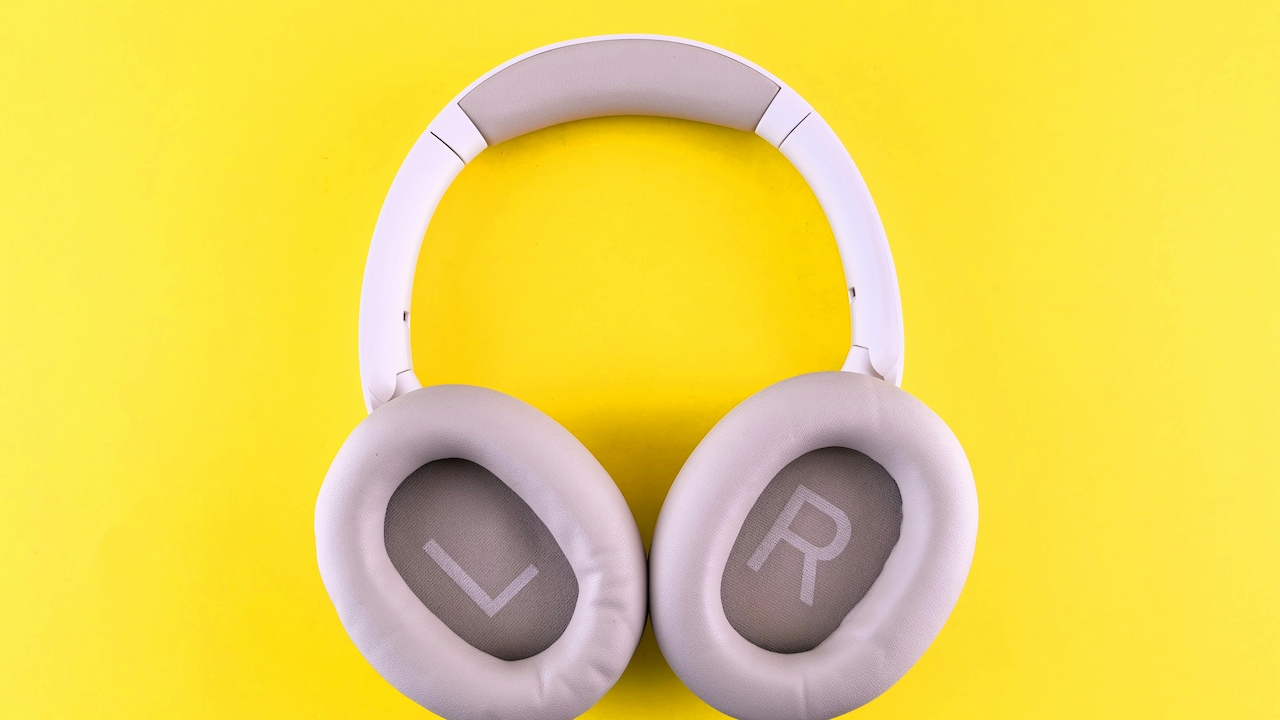
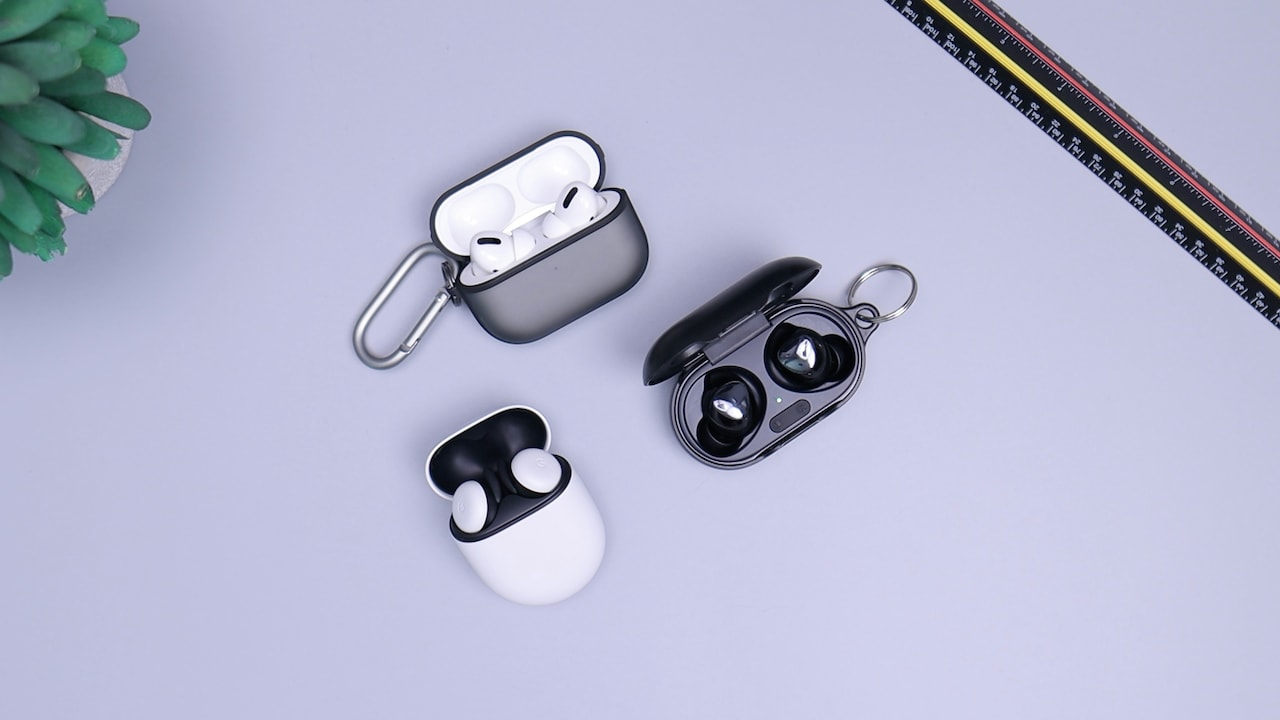
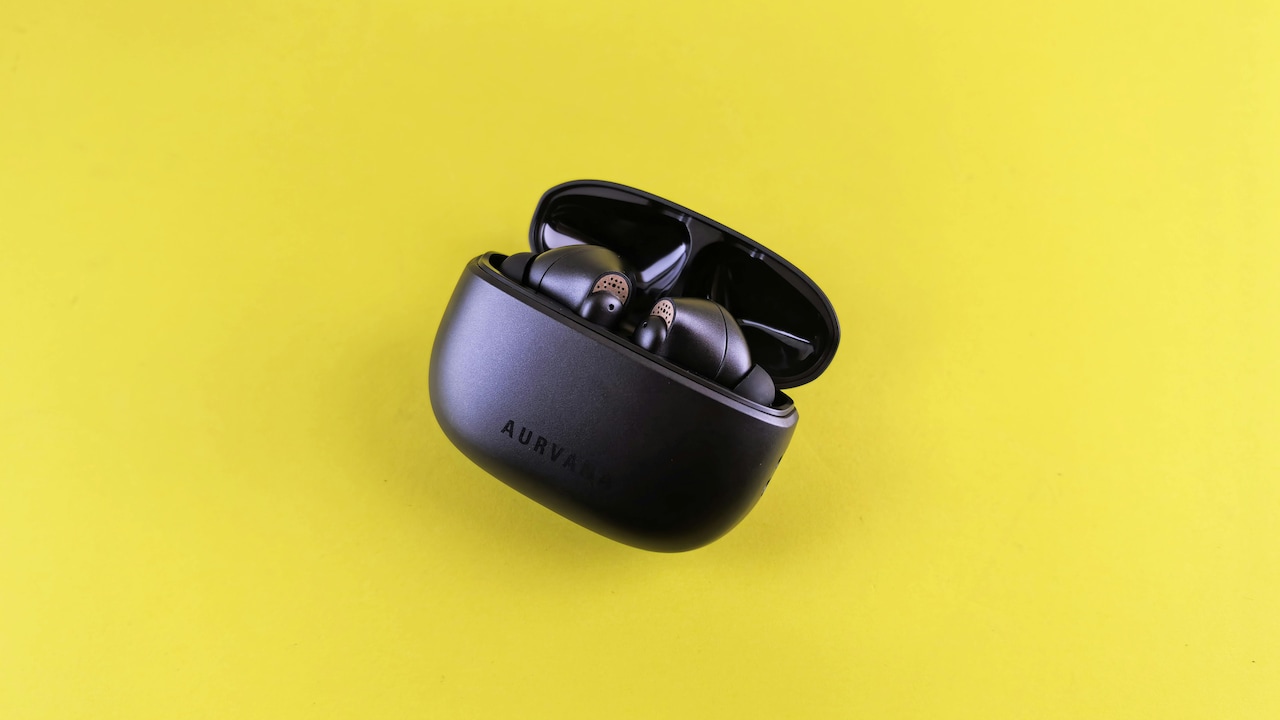
Why Noise-Canceling Headphones Hurt Your Ears: And How to Fix It; Photo Credit: Pexels
What's Really Causing the Pressure, Pain And Ear Fatigue?
1) The “Pressure” Feeling Isn't Air Pressure, But the Brain Thinks It Is
One of the strangest complaints with noise-cancelling headphones is the sensation of pressure, as if the ears are blocked or stuck mid-flight. It feels physical, so people assume the headphones are creating real pressure changes inside the ear canal. They aren't.
Active noise cancellation works by using microphones to detect outside noise and then playing an opposite sound wave to cancel it. This mainly targets low-frequency noise like engines, fans, and traffic. The brain expects those low frequencies to exist in the environment. When they suddenly vanish, the brain interprets it like a pressure change, because that's what it usually associates with a sudden shift in low-frequency sound.
It's similar to the odd sensation of stepping into a very quiet room after being on a busy road. Silence can feel heavy, even though nothing is pressing against you. Some people adapt in minutes. Others never fully get used to it, especially during long sessions. For them, the “pressure” feeling becomes fatigue, and fatigue becomes discomfort.
2) Clamp Force: The Silent Villain Squeezing Your Ears
Many over-ear noise-cancelling headphones use a firm clamping force to create a good seal. That seal matters because passive isolation helps active noise cancellation work better. The problem is that the human head is not a standardised shape, no matter how confidently brands design their “one size fits all” headbands.
After 60 to 90 minutes, the clamp starts to show its true personality. The pressure builds around the jaw hinge, the temples, and the outer ear. If the ear cups sit slightly off, the cartilage gets pinched in tiny ways. At first, it feels like mild tightness. Later, it becomes a hot, dull ache that makes people keep adjusting the headphones every few minutes.
This is especially noticeable for those who wear glasses. The arms of the spectacles break the ear pad seal and create pressure points. Even without glasses, a slightly smaller headband setting can cause slow, sneaky soreness.
A funny part is how the discomfort creeps in. Nobody feels it in the first ten minutes. It arrives later like a relative who comes for tea and decides to stay for dinner.
Also Read: Active Noise Cancellation Headphones: Why They Cause Pressure, Fatigue, And Discomfort
3) Heat and Sweat Build-Up Turns Comfort Into Irritation
Noise-cancelling headphones often have thick memory foam pads and synthetic leather coverings. They feel plush, luxurious, and perfect for long listening. Until the weather decides to remind everyone where they live.
In warm conditions, ear cups trap heat. The skin around the ears has thin tissue and plenty of nerve endings. Add humidity and sweat, and the area becomes sensitive. The ear pads start sticking slightly, and the skin starts reacting. This can cause itching, redness, and a mild burning sensation. It's not always an allergy. Often it's just friction plus heat.
Long listening sessions also mean less movement. When the body stays still, the trapped warmth increases. A two-hour online class or a work call can make the ears feel like they've been inside a tiny sauna.
Some people notice this more during summer months, but it can happen year-round in rooms without good airflow. If the headphones feel “warm” after a while, discomfort is not far behind. Comfort isn't only about sound. It's also about skin, temperature, and how much your ears hate being wrapped up.
4) Ear Canal Sensitivity and the “Occlusion Effect”
Even if you use over-ear headphones, sound still travels into the ear canal in a way that can trigger sensitivity. With in-ear noise-cancelling earbuds, this becomes even more intense.
The occlusion effect happens when the ear canal is blocked, and internal body sounds become louder. Chewing, walking, breathing, and even your own voice can sound amplified inside your head. It's like your skull becomes a drum. This can make the ears feel “full” and irritated over time.
In-ear earbuds also create a seal, and that seal changes how the ear canal behaves. If the ear tip is slightly too big, it presses against sensitive skin. If it's too small, it creates an unstable seal and forces the earbuds to sit awkwardly, causing micro-pressure points. Either way, the ear canal gets annoyed.
The result isn't always sharp pain. It can be a deep ache or a feeling of tiredness in the ears, like they've been working overtime. And in a way, they have. The ears are adapting to an artificial sound environment for hours without a break.
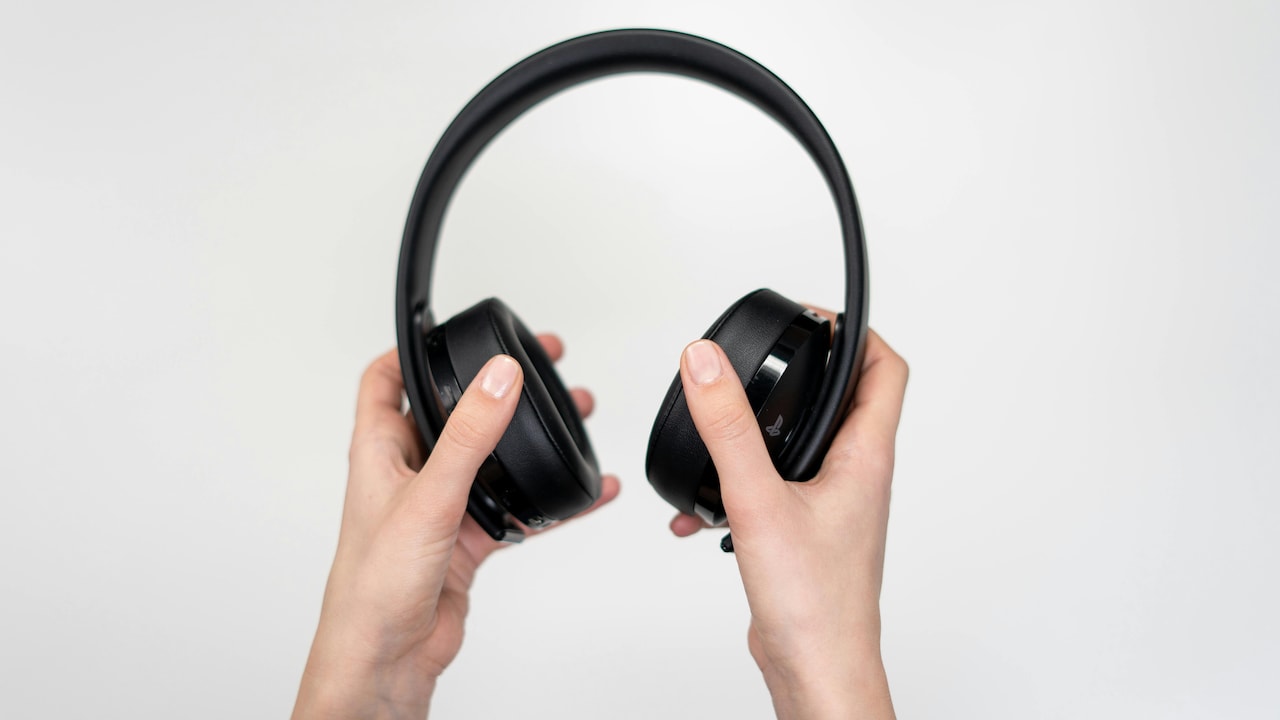
Why Noise-Canceling Headphones Hurt Your Ears: And How to Fix It; Photo Credit: Pexels
5) ANC Can Increase Listening Time, Which Increases Strain
Noise cancellation makes listening easier. That's the point. It removes background noise so music and speech sound clear at lower volumes. But there's a hidden side effect: people keep listening for longer.
Without noise cancellation, many would remove their headphones sooner. The traffic would irritate them. The background noise would ruin the mood. With ANC, everything becomes smoother, and time disappears. A 30-minute session turns into two hours, and suddenly the ears feel sore.
Even if the volume stays reasonable, the auditory system still processes sound continuously. The ear muscles and auditory nerves don't get proper rest. Add constant low-level ANC processing, and the brain stays engaged in a subtle balancing act.
This is why people sometimes say, “The headphones sound great, but my ears feel tired.” It's not always the sound quality. It's the duration and the lack of breaks.
The best analogy is binge-watching a series. The show is enjoyable, but after five episodes, the eyes feel dry, and the head feels heavy. The ears experience a similar kind of fatigue when sound becomes non-stop.
6) Low-Frequency Cancellation Can Trigger Headaches for Some People
Active noise cancellation targets low-frequency noise. That's great for engines and fans. But low frequencies also interact with the body in strange ways.
Some people are more sensitive to low-frequency sound and vibration, even when they cannot consciously “hear” it. ANC works by creating an opposite wave. That means the headphones produce low-frequency energy, even though it cancels external noise. For certain listeners, this can trigger headaches, nausea, or a sense of imbalance.
It doesn't mean the headphones are defective. It means the person's sensory system reacts strongly to that type of signal. It's similar to how some people get motion sickness in cars while others can read a full novel on a bumpy road.
This effect becomes more obvious during long sessions. The body tolerates it for a while, then starts protesting. The discomfort often shows up as a tightness around the forehead or behind the ears.
If this happens, switching ANC to a lower mode or using transparency mode for part of the day can help. Sometimes the best noise cancellation is simply a quieter room and fewer hours of audio.
7) Fit Issues Create Uneven Pressure and Micro-Pain
A perfect fit feels invisible. A slightly imperfect fit becomes annoying over time.
Many headphones look symmetrical but sit differently on each side of the head. Hair, earrings, jaw shape, and even the way someone tilts their head while working can change the seal. When the seal breaks on one side, ANC works harder. The ear pads press differently, and the brain notices the imbalance.
That imbalance can cause discomfort in surprising places. Some feel pain in the ear itself. Others feel it in the jaw or neck. People often blame the headphones, but the real culprit is the uneven distribution of pressure.
With earbuds, fit issues become even more dramatic. One ear canal might be slightly narrower. One ear might need a different tip size. Many people don't realise that ears are not perfectly matched, and they try to force the same fit on both sides.
Over time, this creates irritation and soreness. It's not dramatic enough to feel like an injury, but it's persistent enough to ruin the listening experience. Comfort is not just softness. It's symmetry and stability.
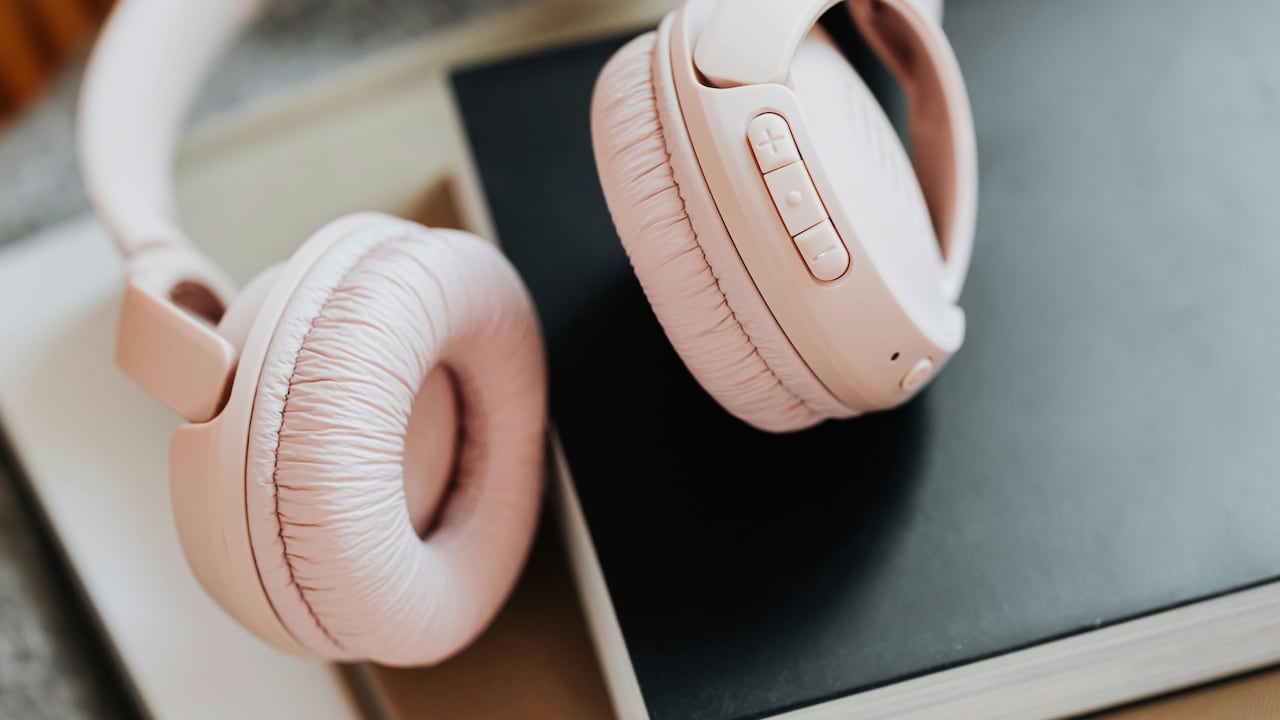
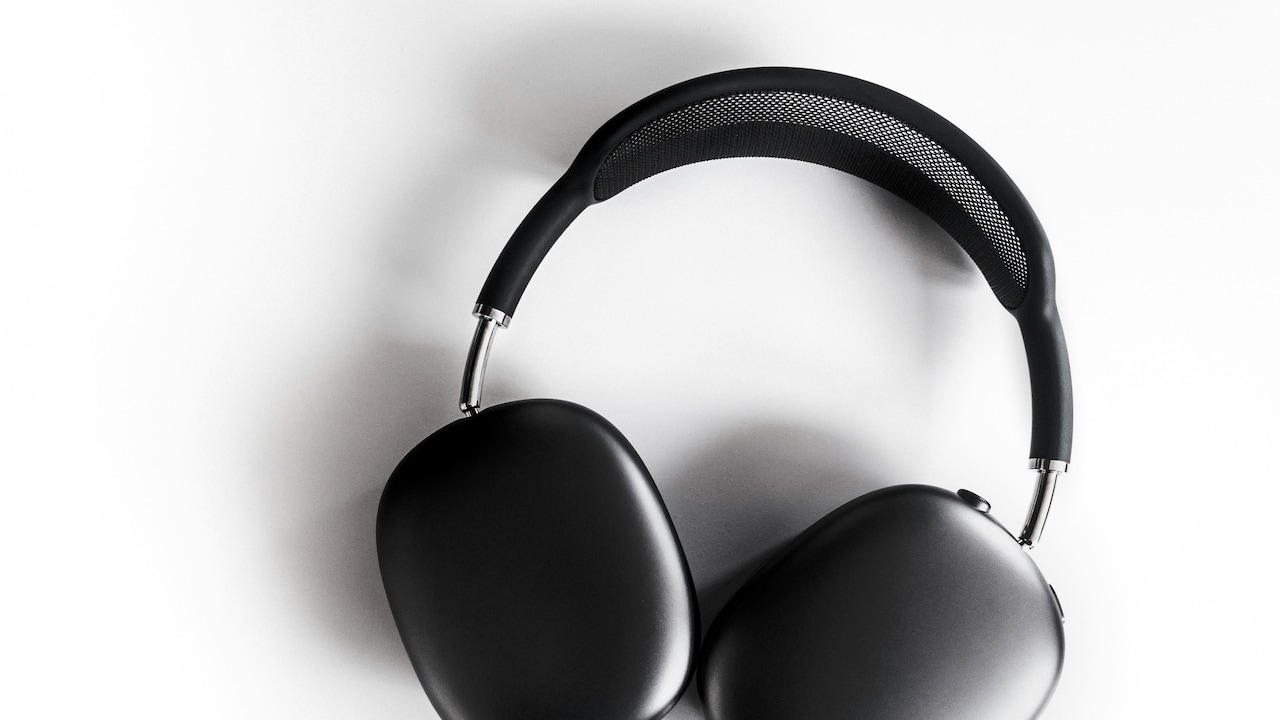
Why Noise-Canceling Headphones Hurt Your Ears: And How to Fix It; Photo Credit: Pexels
8) Materials Can Cause Skin Reactions and Tenderness
Ear pads and ear tips touch skin for hours. That sounds obvious, but it matters more than people think.
Some synthetic leather materials trap sweat and cause mild irritation. Some foams contain chemicals that bother sensitive skin. Some earbuds use silicone tips that feel fine for a short call but become irritating after a long session.
This can show up as itching, redness, or a tender feeling around the ear canal entrance. In some cases, it feels like a mild rash. People often assume it's an infection, but it's frequently a simple contact reaction.
This is more common when headphones are used daily without cleaning. Oils and sweat build up on pads. Earbuds collect wax and dust. The surface becomes less breathable and more irritating.
The irony is that expensive headphones can still cause this. Premium doesn't always mean skin-friendly. Comfort depends on materials, hygiene, and how long the skin stays covered.
If the ears feel sore on the surface rather than deep inside, material irritation is a strong suspect. And yes, cleaning the pads can genuinely make a difference.
9) The Brain Gets Tired of Artificial Silence
Noise cancellation creates an unnatural sound environment. It doesn't just remove noise. It changes how the world feels.
In real life, the brain constantly monitors background sound. It uses it to judge space, distance, and safety. ANC reduces those cues. That can feel relaxing at first. But over time, the brain stays on alert because something feels slightly “off.”
This is why some people feel mentally drained after long ANC sessions, even when the audio content is calm. The brain keeps trying to make sense of the missing environmental sound. It's like walking through a room where the lights flicker just slightly. You can still see, but the nervous system never fully relaxes.
This can lead to headaches, fatigue, and a subtle sense of irritation. The ears may not hurt physically at first, but the discomfort becomes emotional, too. Everything feels a bit too intense, even if the volume stays low.
In a country where the outside world rarely stays quiet for long, artificial silence can feel both magical and unsettling. It's a bit like suddenly being in a library after living next to a wedding band.
10) Volume, Compression, and “Too Much Clarity” Can Still Hurt
Many people assume ear pain only happens when the volume is too high. That's not always true, but volume still matters.
Noise-cancelling headphones often make sound feel cleaner and more detailed. Speech becomes sharper. Music becomes crisp. The problem is that “clarity” can tempt listeners to turn up the volume without noticing. A podcast sounds more intimate, so the volume creeps higher. A playlist sounds punchier, so the bass gets boosted.
Some headphones also use sound processing that compresses audio. This makes quiet sounds louder and loud sounds more controlled. It sounds polished, but it can create a constant intensity that tires the ears.
Long listening sessions with bright treble or boosted bass can cause fatigue even at moderate volumes. The ears are sensitive, and they dislike being pushed in one direction for too long.
If the ears hurt after music but not after silence, the sound signature may be part of the issue. Sometimes the fix isn't changing headphones. It's changing the EQ and giving the ears a softer, more natural balance.
Products Related To This Article
1. JLab JBuds LUX ANC Smart Active Noise Cancelling Headphones
2. Boat New Launch Rockerz 650 Pro, Touch/Swipe Controls
3. Sony WH-1000XM6 The Best Wireless Noise-Canceling Headphones
4. Amazon Basics Pro Series ANC Over-Ear Wireless Headphones
5. Noise Airwave Max 5 Wireless Over-Ear Headphones with Adaptive Hybrid ANC
Noise-cancelling headphones can feel like the best invention since chai. They offer peace in noisy spaces and make daily life smoother. But ear pain and discomfort during long sessions aren't rare, and it isn't imaginary.
The discomfort usually comes from a mix of pressure sensation, clamping force, heat build-up, fit problems, material irritation, and the brain's reaction to artificial silence. Add long listening hours and slightly higher volume, and even the most expensive headphones can start feeling like a burden.
The solution doesn't have to be dramatic. Small changes help: taking short breaks, adjusting the fit, switching ANC modes occasionally, cleaning pads, and keeping volume sensible. Sometimes the most effective upgrade isn't buying a new model for ₹25,000. It's learning how to use the one you already own in a way your ears actually enjoy.
Because at the end of the day, the goal of noise cancellation is comfort. And if silence starts hurting, it's time to listen to your ears too.
(Disclaimer: This article may include references to or features of products and services made available through affiliate marketing campaigns. NDTV Convergence Limited (“NDTV”) strives to maintain editorial independence while participating in such campaigns. NDTV does not assume responsibility for the performance or claims of any featured products or services.)