10 Reasons Earbuds Sound Bassier With Different Ear Tips And How To Find The Right Seal
Ear tips can dramatically change bass, clarity, comfort and noise isolation. Here’s why the same earbuds sound different with each pair and how to find a secure seal without tiring your ears.
10 Reasons Earbuds Sound Bassier With Different Ear Tips And How To Find The Right Seal
A favourite song can lose its punch after something as minor as changing an ear tip. The kick drum suddenly sounds distant, the bassline turns thin, and traffic noise slips into the mix. Switch to another pair and the same earbuds may become so bass-heavy that vocals seem to hide behind a curtain. The earbuds haven't changed. The seal has. Ear tips form the small but crucial connection between the earbud nozzle and the ear canal. Their size, shape, material and position influence how sound travels into the ear. Even the left and right ears may need different sizes. That explains why borrowing someone else's “perfect” setup often ends with repeated adjustments and mild disappointment.
10 Reasons Earbuds Sound Bassier With Different Ear Tips And How To Find The Right Seal
Photo Credit: Pexels
Finding the right fit doesn't require specialist equipment. It takes a little patience, a familiar song and attention to comfort. These ten factors explain why ear tips alter bass response and how to choose a seal that sounds full without feeling forced.
How Ear Tips Change Bass, Fit And Everyday Listening
1. A Proper Seal Stops Low Frequencies From Escaping
Bass frequencies need a closed pathway between the earbud and the ear canal. When an ear tip leaves even a tiny gap, air escapes and takes much of the low-end energy with it. The music continues playing, but the thump of a dhol, the weight of a bass guitar or the impact of a film soundtrack loses its authority.
This effect can make capable earbuds sound surprisingly cheap. Many listeners respond by raising the volume or increasing bass through an equaliser. Neither step fixes the leak. Higher volume may only make the treble harsher, while aggressive equalisation can create distortion.
A quick seal test helps. Insert the earbuds and play a track with a steady bassline. Press each earbud in very gently. If the bass becomes noticeably fuller during that light pressure, the existing tips probably don't seal well enough.
Try the next size up, but don't assume bigger always means better. The ideal tip closes the gap without stretching the ear canal. Bass should sound present at a comfortable volume, even when the earbuds sit naturally rather than requiring constant pressure.
2. Tip Size Changes The Balance Between Bass And Clarity
Ear-tip sizing often looks straightforward: small, medium and large. Real ears rarely follow such a tidy system. A medium tip may fit the right ear perfectly but leave a gap in the left. A large tip may create stronger bass, yet also cause soreness after twenty minutes.
An undersized tip tends to sit loosely and leak low frequencies. It may also shift during walking, talking or chewing. An oversized tip can produce a very tight seal, making bass sound powerful at first. However, excessive pressure may dull the overall presentation or create an uncomfortable plugged-ear sensation.
Test each size with the same short section of music. Choose a recording that contains vocals, bass and percussion rather than a track built entirely around booming low notes. Listen for balance. The bass should have weight, but lyrics should remain clear.
Don't hesitate to mix sizes. Using a small tip in one ear and a medium in the other isn't a manufacturing scandal; it's basic anatomy. Comfort, stability and balanced sound matter far more than matching letters printed on two tiny pieces of silicone.
3. Silicone And Foam Tips Handle Sound Differently
Silicone tips remain the most common choice because they last well, clean easily and come in several shapes. They can create an excellent seal, though very smooth tips sometimes loosen with sweat or movement. Depending on their thickness and bore, they may also give music a cleaner, brighter character.
Memory-foam tips work differently. Compress the foam before insertion, and it slowly expands to follow the ear canal's shape. This close fit often improves isolation and strengthens perceived bass, especially in noisy places such as a bus, metro carriage or busy office. Foam can also soften sharp treble, which some listeners find more relaxed.
That warmth comes with trade-offs. Foam tips collect moisture and earwax more readily, wear out faster and may feel hot during long sessions. They also need a few seconds to expand properly each time.
Neither material guarantees better sound. Silicone suits listeners who want easy maintenance and a quick fit. Foam can help when standard tips keep leaking or outside noise overwhelms the music. The right choice should make listening easier, not turn earbud insertion into a daily ceremony.
4. The Tip Bore Controls How Sound Leaves The Nozzle
The bore refers to the opening running through the centre of an ear tip. Its width affects how sound travels from the earbud nozzle into the ear canal. This detail looks insignificant, yet it can alter the tonal balance enough to make familiar earbuds feel like a different model.
A narrow-bore tip often concentrates the sound and can make bass seem fuller or warmer. It may also reduce some upper-frequency energy, giving vocals and cymbals a softer edge. A wide-bore tip generally allows more treble presence and a greater sense of openness. Bass may sound tighter, though occasionally less abundant.
These results vary because the earbud's tuning, nozzle length and ear shape all interact with the tip. Therefore, bore width shouldn't become a rigid formula.
Compare tips at the same volume. Louder sound almost always appears fuller, which can mislead the ear. Focus on whether bass notes remain distinct rather than merging into one heavy rumble. The best bore preserves the character of the earbuds while correcting a mild imbalance. It shouldn't bury dialogue, vocal detail or the gentle ring of acoustic instruments.
5. Insertion Depth Can Strengthen Or Weaken Bass
Two people can use identical earbuds and tips yet hear different bass because they insert them to different depths. A shallow fit may feel airy and comfortable, but it can leave a leak near the entrance of the ear canal. A slightly deeper position often creates a firmer seal and improves low-frequency response.
However, pushing earbuds as far as possible doesn't guarantee better sound. Deep insertion can change how upper frequencies reach the eardrum. It may make some notes sound unusually sharp or muted. It can also create pressure, tenderness or an unpleasant blocked sensation.
Insert each earbud with a gentle twisting motion rather than forcing it straight inward. The tip should settle securely and stay in place when the jaw moves. If bass disappears whenever there's a smile, yawn or snack break, the seal lacks stability.
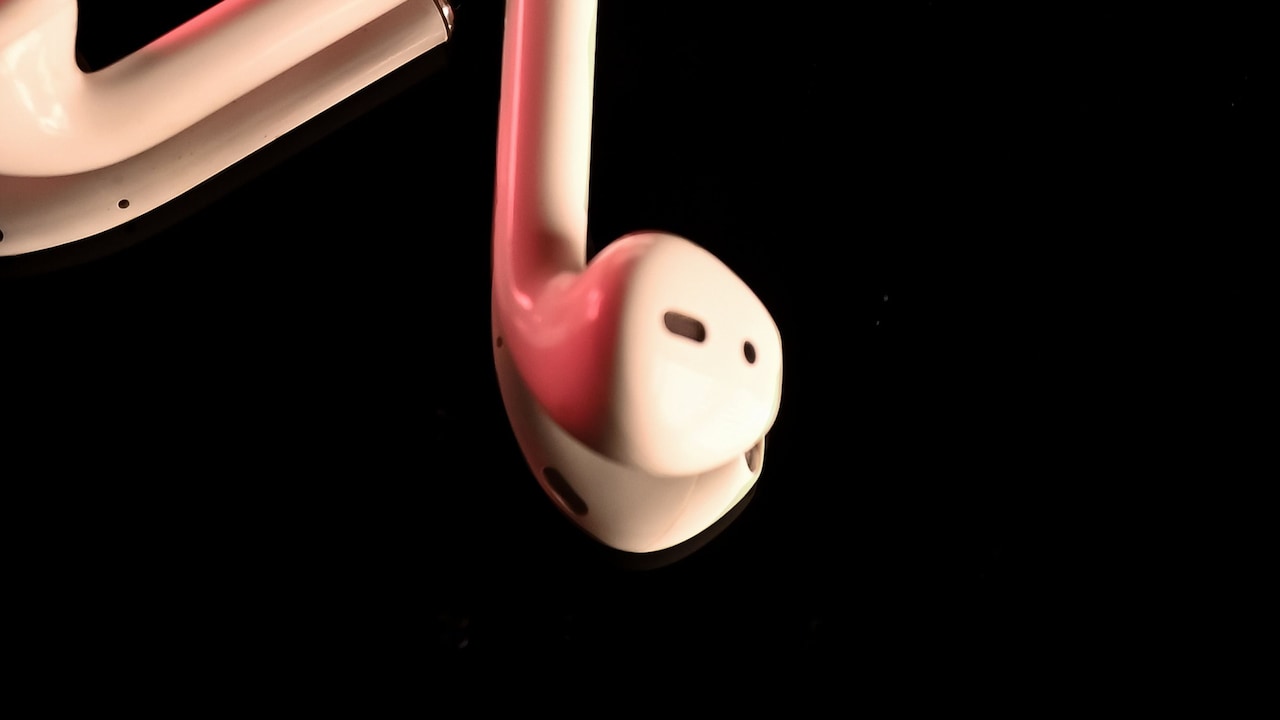
Stem-style earbuds may need a small rotation so the body rests against the outer ear. Rounder models may sit better at a different angle. Once the music sounds balanced, stop adjusting. A good fit shouldn't require the determination normally reserved for closing an overpacked suitcase.
10 Reasons Earbuds Sound Bassier With Different Ear Tips And How To Find The Right Seal
Photo Credit: Pexels
6. Ear Canal Shape Determines Which Tip Works Best
Ear canals differ in width, angle, depth and even flexibility. Some narrow quickly after the opening, while others remain relatively wide. This variation explains why a highly rated ear tip can feel perfect for one listener and hopelessly unstable for another.
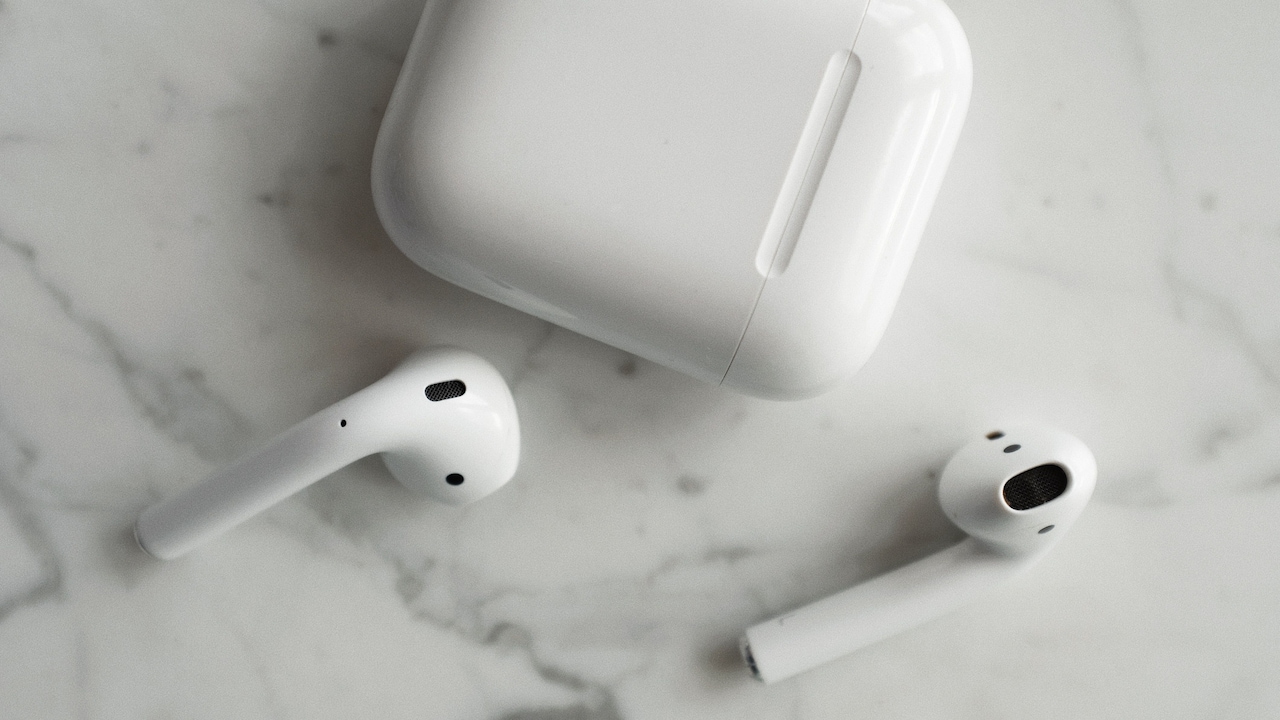
Traditional rounded tips suit many ears, but they aren't the only option. Conical tips can reach slightly deeper, while shorter dome-shaped tips may work better for shallow ear canals. Double-flange designs create more than one contact point and can improve isolation, though some listeners find them intrusive.
The outer ear matters too. If the earbud housing presses against cartilage before the tip reaches a useful depth, a longer tip may help. If the earbud sticks out and feels heavy, a shorter tip could bring it closer to the ear.
Pay attention to differences between the two sides. One earbud may seal immediately while the other slowly works loose. Rather than blaming the earbuds, try another size or shape on the troublesome side. Ear-tip selection works best as a personalised fitting exercise, not as a loyalty test to the medium pair fitted at the factory.
7. Outside Noise Can Make Bass Seem Weaker
Bass doesn't always disappear because the ear tips fail acoustically. Sometimes outside noise simply masks it. Engines, ceiling fans, office chatter and road sounds contain plenty of low-frequency energy. When that noise enters the ear canal, it competes with the bass in music and makes the earbuds sound thinner.
A secure seal reduces this interference before active noise cancellation even begins. Better passive isolation allows low notes to remain audible at a lower volume. It also helps spoken audio, so podcasts and web-series dialogue sound clearer during commutes.
Test the fit in both a quiet room and a moderately noisy setting. If the bass sounds rich at home but vanishes outside, isolation needs attention. Foam tips or slightly larger silicone tips may help, provided they remain comfortable.
Avoid judging tips solely by how silent they make the surroundings. Total isolation may not suit walking near traffic or waiting for announcements at a station. The goal changes with the setting. For focused listening, stronger isolation makes sense. Outdoors, enough awareness to notice horns, vehicles and people nearby matters more than squeezing out the final drop of bass.
Also Read: Party Like A Club At Home: Top 5 Disco Lights To Create The Ultimate Vibe
8. Movement Can Break A Seal That Initially Feels Perfect
An ear tip may pass a seated listening test and still fail during a brisk walk or workout. Sweat reduces grip, repeated jaw movement changes the ear canal's shape, and the weight of the earbud can gradually pull the tip outward. Each small movement opens a leak and causes bass to fluctuate.
That familiar need to push earbuds back in every few minutes signals a fit problem. Larger tips may solve it, but they can also increase pressure. Instead, try a grippier silicone texture, a different shape or foam that expands securely. Earbuds with stabilising wings can help when the housing moves more than the tip itself.
Run a simple movement check before settling on a pair. Insert the earbuds, then talk, smile, turn the head and walk around. The sound shouldn't lose body with every step. The earbuds also shouldn't make loud rubbing or thudding noises inside the ears.
Clean tips grip better than oily ones, so wipe silicone regularly according to the manufacturer's care instructions. Stability should come from fit, not force. If the ears start aching before the playlist reaches its fourth song, the solution has gone too far.
9. Earwax And Moisture Can Alter The Sound
A weak or uneven bass response sometimes points to maintenance rather than fit. Earwax can block the tip opening or collect on the protective mesh over the earbud nozzle. Moisture from sweat may also interfere with sound temporarily. One side may then seem quieter, thinner or less detailed than the other.
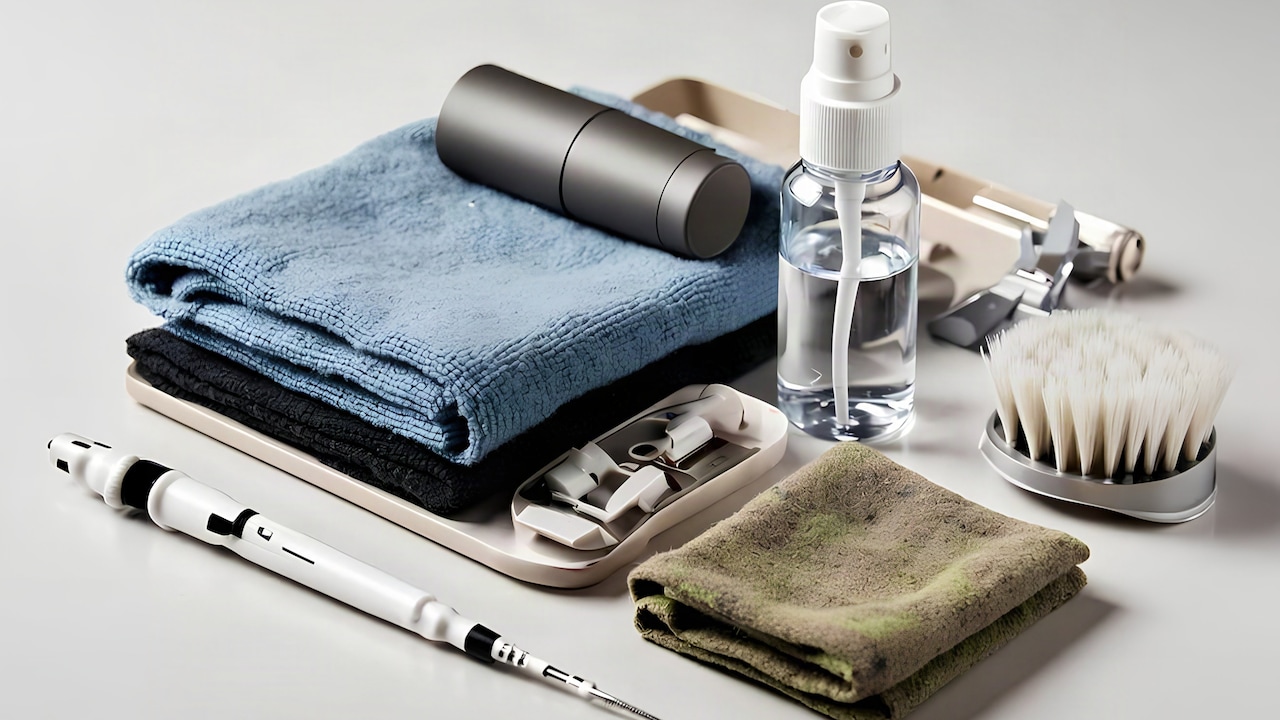
Remove the tips and inspect them under good light. Clean silicone tips with a soft, slightly damp cloth, then let them dry completely before reattaching them. Follow the manufacturer's instructions for nozzle meshes, as sharp tools can damage delicate filters or push debris deeper inside. Foam needs gentler care and regular replacement once it loses shape or becomes difficult to clean.
Also check whether the tip sits firmly on the nozzle. A loose tip may shift and partially obstruct the opening. More importantly, it could detach inside the ear.
Clean earbuds don't merely look better; they perform more consistently. If one side still sounds bass-light after cleaning and exchanging tips between ears, the issue may involve the earbud, the audio settings or temporary ear congestion rather than the seal itself.
10. Familiar Music Helps Reveal The Right Seal
The best ear-tip test doesn't require an audiophile playlist filled with dramatic sound effects. It requires music that the listener knows well. A familiar track makes changes easier to notice because the expected position of the bass, vocals and percussion already lives in memory.
Choose two or three songs with different textures. One might feature a steady electronic beat, another acoustic instruments, and another clear vocals. Play the same sections with each tip at an unchanged volume. Listen for bass depth, but also notice definition. A strong kick drum should sound like a distinct hit, not like someone thumping a pillow in the next room.
Then check comfort over at least thirty minutes. The most impressive bass during a two-minute test means little if the tips cause pressure or itching. Also make a short call and listen to spoken audio. An overly sealed fit can make one's own voice sound boomy inside the head.
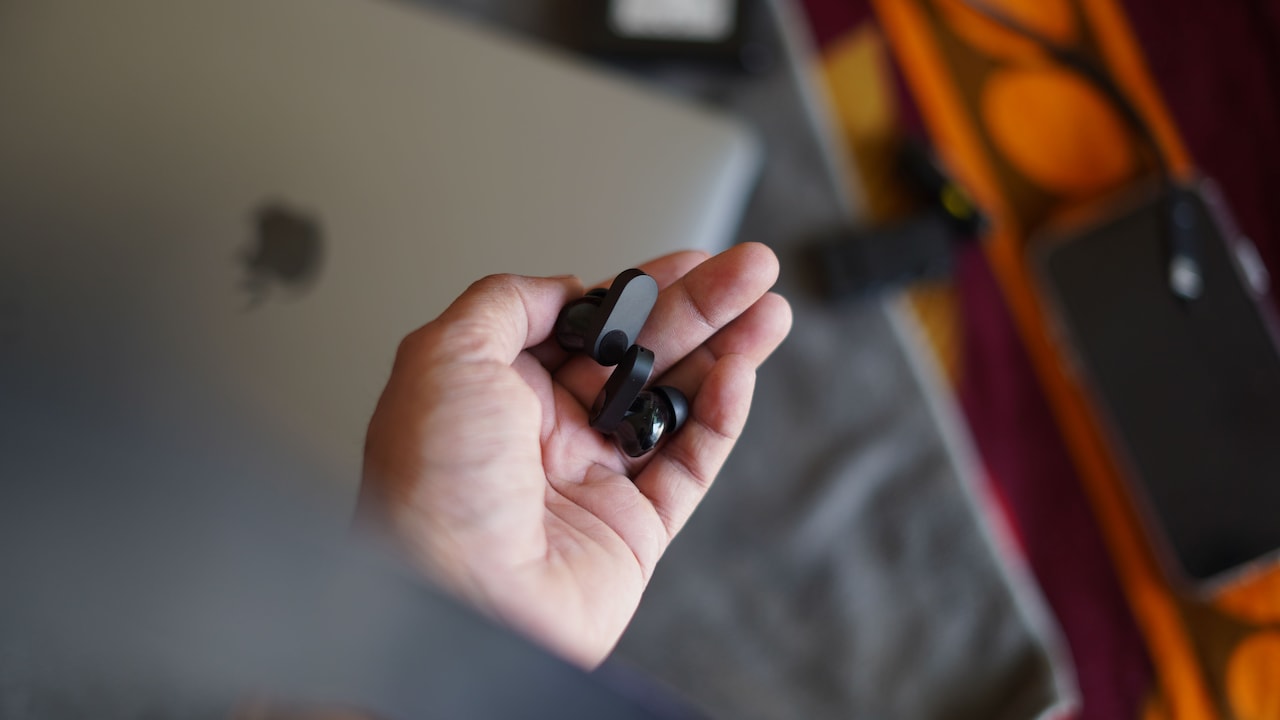
The right tip creates a quiet little moment of certainty: the earbuds stay put, the music sounds balanced, and there's no urge to keep twisting, pressing or correcting them.
10 Reasons Earbuds Sound Bassier With Different Ear Tips And How To Find The Right Seal
Photo Credit: Pexels
Products Related To This Article
1. HAMMER Airflow Neo Earbuds with 80H Playtime
2. OnePlus Nord Buds 3r TWS Earbuds up to 54 Hours Playback
3. Noise Master Buds 2 with Sound by Bose (2026),51dB Adaptive ANC
4. Mivi DuoPods Marathon Earbuds Wireless
5. truke New Launch Mega 7 True Wireless in-Ear Earbuds
6. GOBOULT Newly Launched Tenet Pro with ANC TWS Earbuds
7. Portronics Harmonics Twins S3 Smart TWS Bluetooth 5.2 Earbuds
Different ear tips change bass because they alter the seal, insertion depth, isolation and path that sound takes into the ear. The right pair should deliver full low frequencies without swallowing vocals or causing discomfort. Test several sizes, mix them between ears if needed, and use familiar music at a steady volume. Once the seal fits properly, even well-used earbuds can sound surprisingly fresh again.
(Disclaimer: This article may include references to or features of products and services made available through affiliate marketing campaigns. NDTV Convergence Limited (“NDTV”) strives to maintain editorial independence while participating in such campaigns. NDTV does not assume responsibility for the performance or claims of any featured products or services.)