Mechanical vs Membrane Keyboard for Gaming: Which One Should You Buy?
Mechanical or membrane, which keyboard is better for gaming? Compare speed, comfort, noise, durability, and price to choose the right one for your play style.
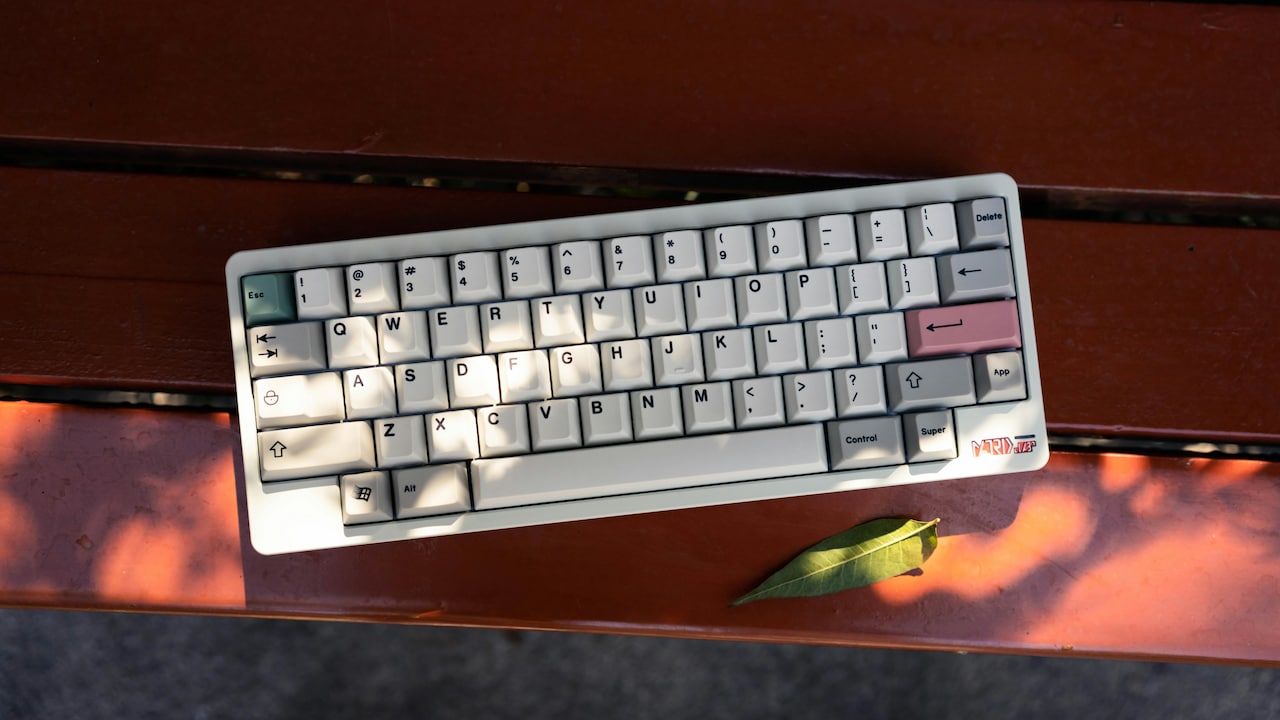
Mechanical vs. Membrane Keyboards: Know Which One Is The Best for Gaming.
Gaming keyboards have become weirdly emotional purchases. One person treats their keyboard like a sacred weapon. Another just wants something that works and doesn't sound like a typewriter falling down the stairs.
The mechanical vs. membrane debate has been going on for years, and the truth is: both types can work for gaming. But they work differently, and the “best” choice depends on what games you play, how competitive you are, how sensitive you are to noise, and how much you're willing to spend.
Some gamers want fast response and crisp feedback. Others want comfort for long sessions, quiet keys for late-night matches, and a keyboard that survives the occasional tea spill. (Yes, that happens.)
So instead of crowning a single winner, this article looks at how each keyboard type performs across the things that actually matter: speed, comfort, durability, price, sound, and long-term value. By the end, you'll know exactly what suits your style, without falling for hype.
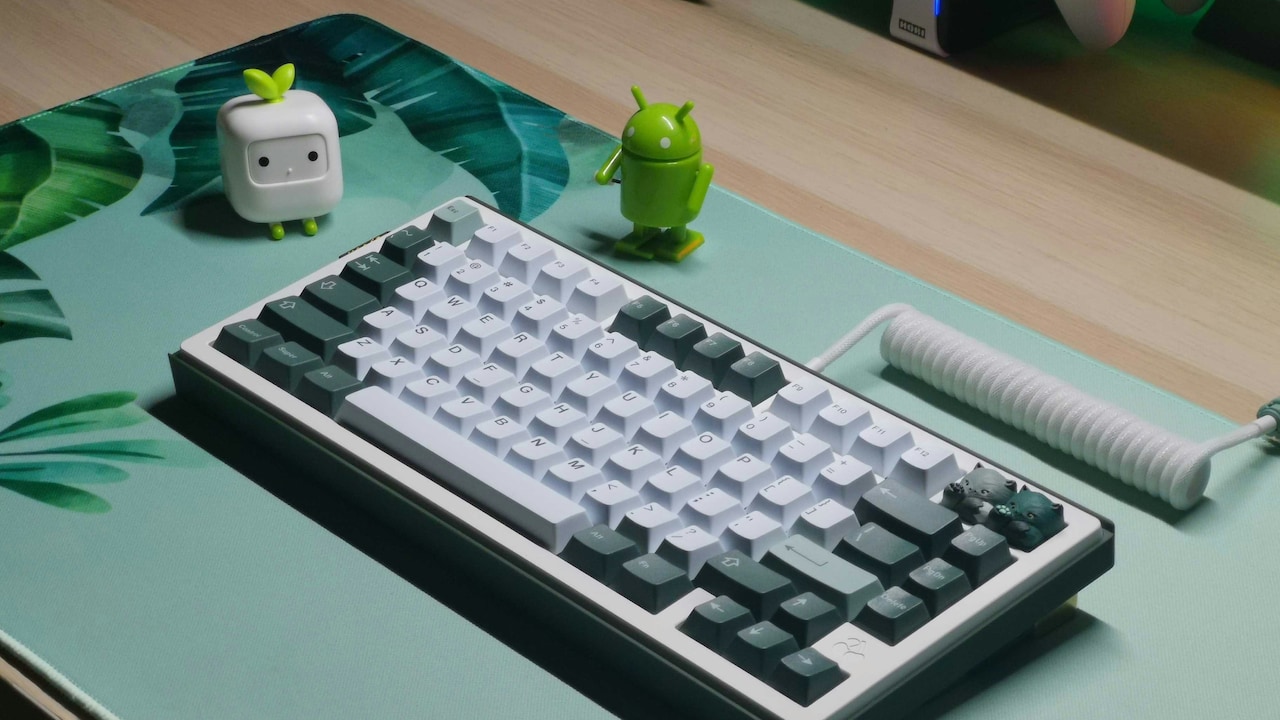
Mechanical vs. Membrane Keyboards: Which is Best for Gaming?; Photo Credit: Pexels
What Actually Changes When You Switch Keyboards?
1) The Core Difference: How the Keys Work
Mechanical and membrane keyboards feel different because they are different under the hood. A mechanical keyboard uses individual switches under every key. Each keypress has its own mechanism, which gives it a crisp and consistent feel. It's like each key has its own tiny personality.
A membrane keyboard uses a rubber dome and pressure pad system. When you press a key, it pushes down on a membrane layer. It's softer, squishier, and usually quieter. Some people describe it as “mushy”, while others find it comfortable and forgiving.
For gaming, this difference matters because it affects response, accuracy, and fatigue. Mechanical keys tend to register presses more clearly. Membrane keys tend to feel smoother, but less precise.
Think of it like driving: a manual car is a mechanical car with sharp gear shifts. Membrane is an automatic that feels easier, especially for casual use. Neither is “bad”. They simply behave differently.
And yes, your fingers will notice.
2) Speed and Responsiveness: Does Mechanical Really Win?
Mechanical keyboards have a strong reputation for speed, and it's not just marketing. Mechanical switches typically actuate faster, and many register keypresses before the key bottoms out. That means quicker inputs, especially in games where timing matters.
In fast shooters, battle royales, and competitive titles, even small delays can feel annoying. A quick weapon swap, a clean strafe, or a perfectly timed ability can depend on how reliably the keyboard responds.
Membrane keyboards can still be responsive, but they often require a deeper press. Some models also feel inconsistent over time as the rubber dome wears down. That inconsistency can throw off muscle memory, especially when you've played the same game for months.
That said, speed only matters if your gameplay demands it. If the games are more relaxed, story games, casual multiplayer, or even many sports games, a membrane keyboard won't hold you back.
Mechanical has the edge in responsiveness, but it's not a magic skill booster. It won't suddenly turn a Bronze player into a champion. Sorry.
Also Read: 5 Best Wireless Keyboards Under ₹1,500 for Seamless Work-from-Home Setup
3) Accuracy and Key Feel: The “Trust Factor.”
Gaming is full of tiny moments where the keyboard needs to feel reliable. Did the key press register? Did it register too late? Did you press it properly? That mental doubt is a silent performance killer.
Mechanical keyboards often feel more trustworthy because the feedback is clearer. The keypress feels deliberate. Many switches have a tactile bump or a click that confirms actuation. This makes it easier to build consistent muscle memory.
Membrane keyboards feel smoother and softer, but sometimes too soft. It's possible to press a key and still feel unsure whether it registered. That becomes frustrating in tense moments, like when you're crouch-spamming in a close fight or trying to land a quick combo.
Another issue: membrane keys often feel different depending on where you press them. Press the edge of a key, and it may feel less stable. Mechanical keys usually stay consistent across the entire keycap.
If gaming sessions are serious, mechanical wins are based on accuracy and confidence. If gaming is casual, the membrane still works fine and may even feel more comfortable.
4) Comfort Over Long Sessions: The Underrated Factor
A keyboard isn't just about speed. It's also about how your hands feel after three hours of gaming. Comfort becomes a big deal, especially for students, streamers, or anyone who plays late into the night.
Membrane keyboards often win here because they require less force and feel softer. That “cushioned” press can reduce finger fatigue during long sessions. Many people find membrane keyboards more relaxing for casual gaming and general typing.
Mechanical keyboards vary widely. Some switches feel light and smooth, while others feel stiff and tiring. If you choose the wrong switch type, your fingers will complain by day three. The good news is that mechanical keyboards offer variety, linear, tactile, clicky, light, and heavy, so you can find a comfort match.
Also, mechanical keyboards tend to sit higher, which can strain wrists without a wrist rest. Membrane keyboards often sit lower and feel easier on the wrists.
Comfort is personal. But for long sessions, the membrane can feel surprisingly friendly, especially for gamers who don't want every keypress to feel like a workout.
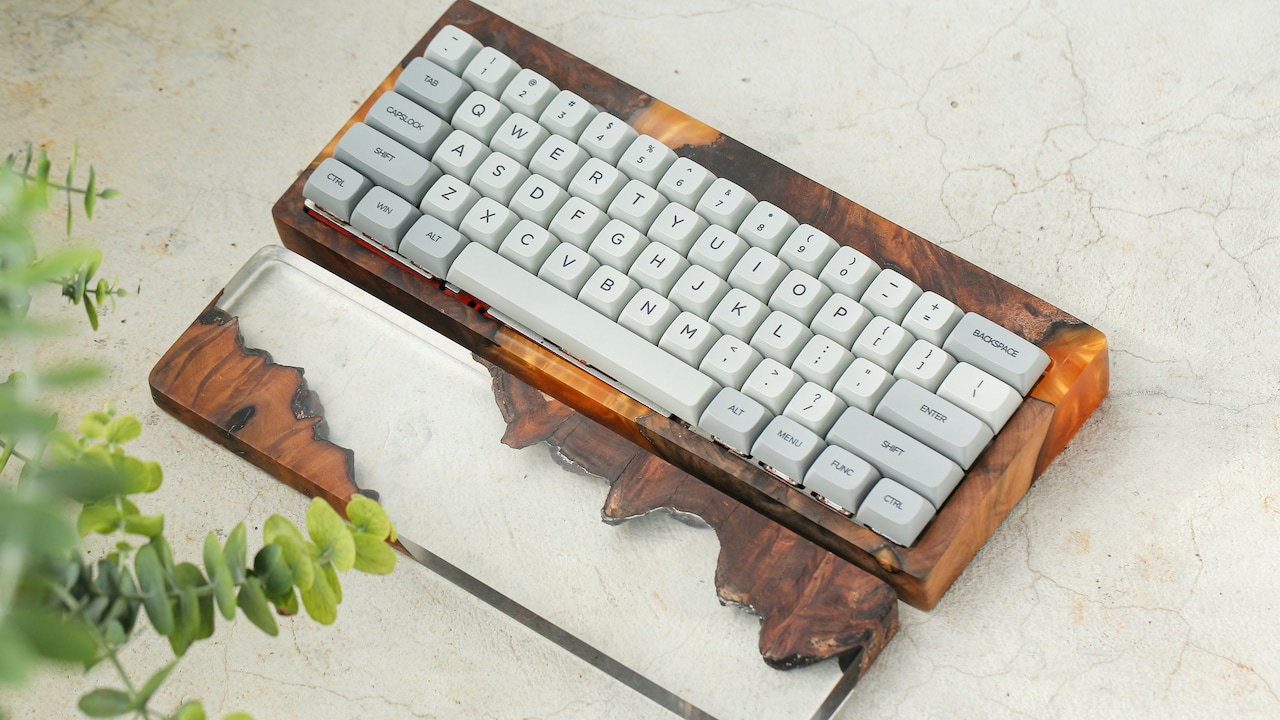
Mechanical vs. Membrane Keyboards: Which is Best for Gaming?; Photo Credit: Pexels
5) Noise Levels: The Great Household War
This is where things get spicy.
Mechanical keyboards can be loud. Not always, but many are. Clicky switches sound like a tiny drumline. Even quieter mechanical switches can still produce a “clack” when keys bottom out.
Now imagine gaming at 1 AM. Your teammates are shouting. Your fan is spinning. And your keyboard is making noises like someone is cracking walnuts.
Membrane keyboards are quieter by nature. They produce a softer thud. For shared rooms, late-night gaming, or working from home, that quietness is not a small advantage; it's peace.
Noise also affects streaming and voice calls. A loud mechanical keyboard can leak into your mic, especially if the microphone is budget-friendly. Membrane keyboards reduce that risk.
Of course, mechanical fans will say noise is part of the charm. And honestly, it can be satisfying. That click-clack can feel powerful, like you're doing serious business.
But if you live with family, roommates, or thin walls, membrane keyboards save relationships. Mechanical keyboards start arguments.
6) Durability and Lifespan: Which One Survives the Grind?
Mechanical keyboards usually last longer. That's one of their strongest selling points. Mechanical switches often have ratings like 50 million or even 100 million keypresses. That's a lot of gaming, typing, rage-pressing, and accidental key smashing.
Membrane keyboards generally wear out sooner. The rubber domes can lose their bounce, and keys may start feeling uneven. Some keys might become less responsive. For casual use, this takes time. For heavy use, it can happen faster than expected.
Durability matters if the keyboard will be used daily for gaming, studying, and working. In many homes, the keyboard becomes a shared tool. Someone plays games, someone writes assignments, and someone does office work. That adds up.
Also, mechanical keyboards tend to handle rough treatment better. Membrane keyboards feel more fragile when thrown into a backpack or moved around frequently.
But there's a twist: durability only matters if you plan to keep the keyboard long-term. If you replace keyboards every couple of years anyway, membrane might still be the smarter deal.
7) Pricing in ₹: Value for Money and What You Really Pay For
Let's talk money, because keyboards can get absurdly expensive.
Membrane keyboards are affordable. Many decent ones sit around ₹600–₹1,500. Even “gaming” membrane keyboards with RGB lights often fall below ₹2,000. For beginners or students, this is a comfortable entry point.
Mechanical keyboards usually start around ₹2,000–₹3,500 for basic models. Good ones often sit around ₹4,000–₹8,000. Premium mechanical keyboards can go beyond ₹10,000, and at that point, the price starts sounding like a phone EMI.
The real value question is: what do you get for the extra money?
With mechanical, you pay for better switches, longer lifespan, better key feel, and often better build quality. You also pay for customisation options.
With a membrane, you pay for simplicity, quietness, and affordability. It does the job without demanding a big investment.
For casual gamers, spending ₹6,000 on a keyboard may not make sense. For competitive players, it can feel like a worthwhile upgrade. A keyboard should match the seriousness of your gaming, not your ego.
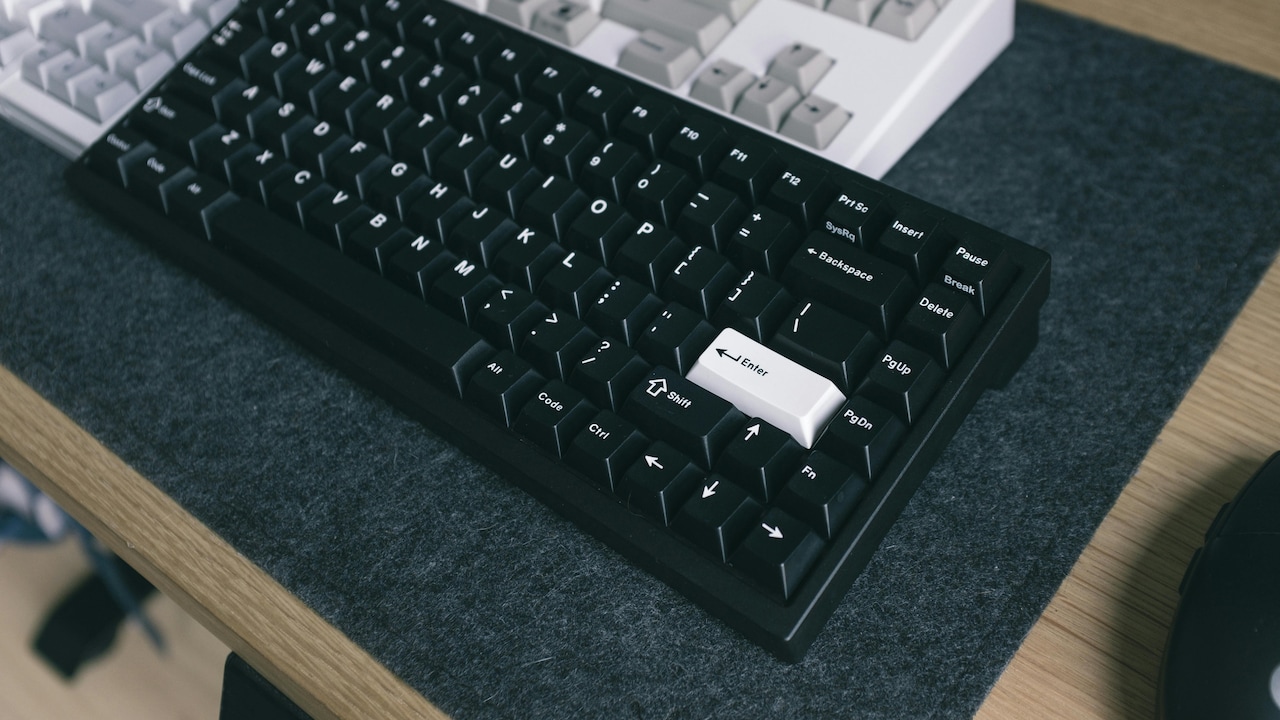
Mechanical vs. Membrane Keyboards: Which is Best for Gaming?; Photo Credit: Pexels
8) Features Gamers Care About: Anti-Ghosting, N-Key Rollover, RGB
Gaming keyboards often come with buzzwords. Some matter. Some are just decoration.
Anti-ghosting and key rollover are important. They determine whether the keyboard can register multiple keypresses at once. This matters in games where you hold movement keys while pressing abilities or jumping. Mechanical keyboards often have better rollover support, but some membrane gaming keyboards also offer decent anti-ghosting.
RGB lighting is… complicated. It looks cool, no doubt. It also helps if you play in a dim room. But it won't improve gameplay. It will improve vibes. And vibes matter, especially when you've had a rough day and want your setup to feel like a spaceship cockpit.
Dedicated media keys, macro support, detachable cables, and software customisation appear more often in mechanical keyboards. Membrane keyboards tend to keep it simple.
Mechanical keyboards also offer hot-swappable models, where you can replace switches without soldering. That's a massive win for long-term use.
In pure feature sets, mechanical usually offers more. But the membrane often covers the essentials well enough.
9) Maintenance, Cleaning, and the Reality of Dust + Snacks
Keyboards don't live in clean rooms. They live on desks where snacks happen. Dust happens. Tea happens. That one mysterious crumb happens.
Mechanical keyboards are easier to clean. Many have removable keycaps, and the switch structure makes it easier to shake out dust and debris. You can clean them like a responsible adult or like someone panicking before guests arrive.
Membrane keyboards are harder to clean properly. Debris can get trapped under the rubber dome layers. Some membrane keyboards also have flatter designs that hide dirt until it becomes a full ecosystem.
Spills are a mixed story. Some membrane keyboards handle small spills better because of the layered structure. Some mechanical keyboards handle spills well if they have drainage holes. But in general, liquid is the final boss for both.
Mechanical keyboards also invite more tinkering. People swap keycaps, change switches, add foam, and do mods. This can be fun, but it can also become a rabbit hole that eats time and money.
Membrane keyboards keep things simple: use it, wipe it, replace it later.
10) The Best Choice by Game Type and Player Style
This is the part everyone actually wants: what should you buy?
If you play competitive shooters, fast-paced multiplayer games, MOBAs, or anything where timing matters, mechanical keyboards offer a real advantage. The speed, feedback, and consistency help you play more confidently.
If you play mostly single-player games, casual multiplayer, or games where reaction speed isn't the main factor, membrane keyboards are more than enough. You'll still enjoy the experience, and your fingers may even feel better.
If you share a room, need quiet keys, or game late at night, the membrane is a practical choice. If you love the sound and feel of typing and want a keyboard that feels like a premium tool, a mechanical keyboard will make you happy.
Also, consider the budget. If the total gaming setup is limited, spending more on a better mouse, headset, or even a better monitor might improve gaming more than a keyboard upgrade.
Mechanical keyboards shine for serious gaming and long-term value. Membrane keyboards shine for comfort, quietness, and affordability.
There's no shame in either. The only wrong choice is buying something that doesn't match your life.
Products Related To This Article
1. Ninjadog Varna Pro - Mechanical Wireless Keyboard
2. EvoFox Deathray V2 Gaming Keyboard and Mouse Combo
3. Ant Esports MK700 V2 Membrane TKL Wired Gaming Keyboard
4. EvoFox Fireblade TKL Semi-Mechanical Gaming Keyboard with Rainbow Backlit& Breathing Effect
5. FRONTECH Wired Mini Keyboard
6. Ninjadog Varna Blade - Low Profile & Ultra Low Noise Blue Switch Mechanical Keyboard
7. Ant Master 01 New Gen Full-Size Wired Office Keyboard
Mechanical vs. membrane keyboards isn't really a battle of good vs. bad. It's a battle of priorities. Mechanical keyboards offer better feedback, faster response, stronger durability, and more features. They feel premium and reliable, especially for competitive gaming. They also cost more, sound louder, and can be less comfortable if you choose the wrong switch type.
Membrane keyboards offer quietness, softness, and affordability. They suit casual gaming and shared spaces. They don't usually last as long, and they don't feel as precise, but they still get the job done for most players.
So the best gaming keyboard is the one that fits your games, your budget, your room situation, and your hands. If the keyboard feels right, you'll play better, not because it's magical, but because you'll stop fighting your own gear. And honestly, that's the whole point.
(Disclaimer: This article may include references to or features of products and services made available through affiliate marketing campaigns. NDTV Convergence Limited (“NDTV”) strives to maintain editorial independence while participating in such campaigns. NDTV does not assume responsibility for the performance or claims of any featured products or services.)