Bluetooth Speakers: The Common Wattage Myth That Continues To Mislead Everyday Buyers
More watts won’t automatically give louder, clearer sound. Bluetooth speaker brands often exaggerate power ratings. This guide explains the wattage myth and what truly matters.
Learn about important factors to consider when buying a Bluetooth speaker.
Bluetooth speakers have quietly become the modern household's background hero. They show up in kitchens during Sunday cleaning, in hostel rooms during late-night “just one song” sessions, and on balconies where chai tastes better with music. And every time someone buys one, the same question pops up: How many watts is it?
It's a fair question, just not the best one.

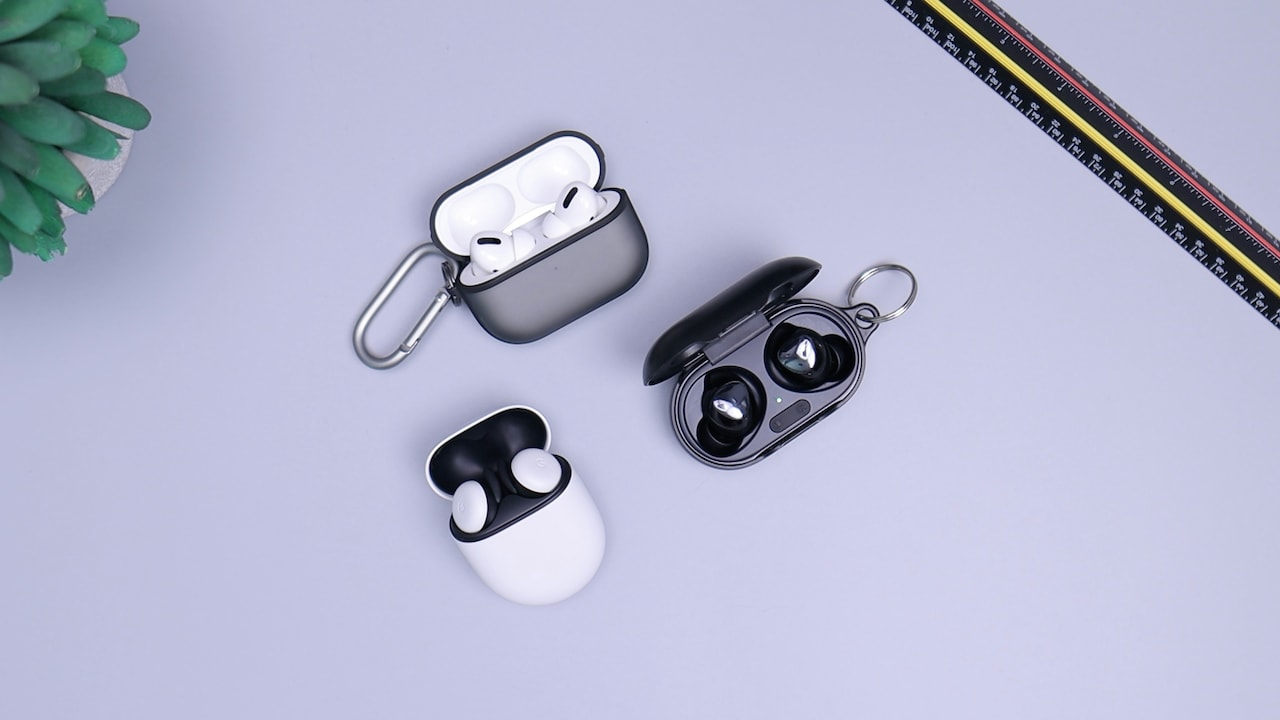
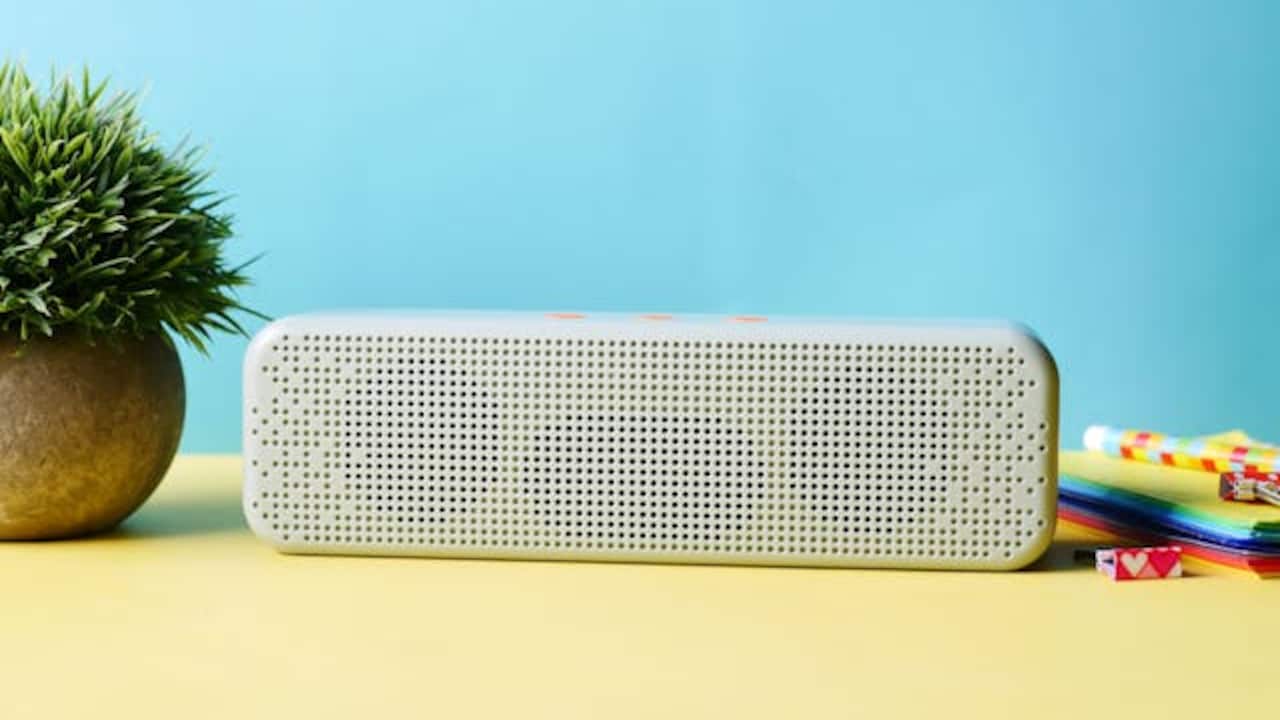
Read important factors to consider when choosing a Bluetooth speaker online; Photo Credit: Pexels
Wattage looks like a shortcut. A simple number that promises louder sound, better bass, and party-ready performance. Brands know this. That's why the box screams “40W!” in a font size usually reserved for film posters.
But wattage is not a sound quality score. It's closer to an engine spec, useful, but only when you understand what it actually means. Without that, it becomes a trap that leads to speakers that disappoint, distort, or drain battery faster than expected.
So let's bust the myth properly, without turning this into a physics lecture. No guilt, no jargon, just clear explanations, real-life examples, and smarter ways to choose a speaker that actually sounds good.
Also Read: Top 5 Bluetooth Speakers, From Tribit, boAt, Mivi to Blaupunkt, That Stay Loud Without Distortion
Before You Buy: The Truth Behind Speaker Wattage
1) Why wattage became the “hero number” on speaker boxes
Walk into any electronics shop, and the pattern is almost comical. One speaker shouts 10W, the next claims 30W, and a third promises 80W as if it's about to perform at a wedding baraat. The temptation is instant: bigger number, bigger sound.
This obsession didn't happen by accident. Wattage is easy to print, easy to compare, and easy to inflate with clever wording. It turns a complex experience, sound, into a simple scoreboard.
The problem is that most buyers don't want to audition five speakers. They want a quick decision. Wattage becomes the shortcut, like checking “mileage” before buying a bike. Except with speakers, wattage is not even a reliable indicator of what you'll hear.
Many people have experienced this firsthand: a “20W” speaker that fills the room nicely, and a “60W” speaker that sounds harsh and tiring after ten minutes. That confusion is exactly what keeps the myth alive. People assume they just picked the wrong brand, when the truth is simpler: wattage was never the right yardstick in the first place.
2) What watts actually measure (and what they don't)
Watts measure power. Specifically, how much electrical power an amplifier can deliver to the speaker drivers. That's it. It doesn't measure clarity. It doesn't measure bass depth. It doesn't measure how enjoyable your playlist sounds on a rainy evening.
A higher watt rating can mean the speaker can get louder, but only if the rest of the design supports it. Think of it like a pressure cooker. You can increase the flame, but if the cooker is poorly built, all you get is noise, rattling, and overcooked dal.
Also, wattage tells you nothing about how clean the sound stays at higher volumes. A speaker may be rated for 50W, but if it starts distorting at 60% volume, what's the point?
Even worse, two speakers with the same watt rating can sound wildly different because the driver materials, cabinet tuning, and audio processing vary. So yes, watts matter, but only as a supporting detail. Treating wattage as the main deciding factor is like choosing a phone based only on battery capacity without checking screen quality, camera performance, or charging speed.
3) The “peak power” trick: how numbers get inflated
Here's where the marketing gets spicy. Many speaker boxes don't just mention watts. They mention Peak Power, PMPO, or other terms that sound impressive but don't reflect real-world performance.
Peak power is the maximum burst a speaker can handle for a tiny moment. It's like a person saying, “Can sprint at 40 km/h”, but only for two seconds, after which they collapse dramatically on the road. That doesn't mean they can run a marathon at that speed.
PMPO is even more notorious. It's not a standardised measurement for real listening. It's more like a fantasy number that exists to win box comparisons.
The more meaningful figure is RMS (Root Mean Square), which reflects continuous power output. If a speaker claims 60W peak but only delivers 15W RMS, the 60W number is mostly decoration.
And since many buyers don't know the difference, brands happily play the game. It's not always malicious; it's just marketing doing what marketing does: exaggerating the easiest-to-sell feature.
The result? People spend ₹3,000–₹6,000 expecting “concert sound” and end up with a speaker that screams, rattles, and makes vocals sound like they're being sung through a metal pipe.
4) Loud doesn't mean good: the harsh truth about distortion
Many people equate “loud” with “powerful”. But in audio, loud can quickly become unpleasant. A speaker that gets loud by pushing poor-quality drivers is like a cheap firecracker: it makes noise, but it's not enjoyable.
Distortion is the real villain here. When a speaker can't handle the volume it's being pushed to, the sound breaks up. Bass turns into a muddy thump. Vocals become sharp. Cymbals start sounding like someone shaking a bag of coins.
This is why two speakers can have similar wattage but completely different listening experiences. One stays composed at 80% volume. The other starts begging for mercy at 50%.
It's also why wattage can mislead people into buying speakers that are technically “powerful” but practically exhausting. A speaker should sound full and balanced, not like it's trying to shout over the neighbourhood.
A great Bluetooth speaker feels effortless. It fills the room without sounding strained. It lets you turn the volume up without wincing. That quality rarely comes from wattage alone. It comes from better engineering, better tuning, and sometimes simply a brand that respects your ears.
5) The real factors that matter more than watts
If wattage isn't the hero, what is? Several things matter far more, and they're usually not printed in giant letters.
Driver size and quality make a huge difference. A well-designed 45mm driver can outperform a cheap 60mm driver. Then comes tuning: how the speaker is balanced for bass, mids, and highs. Many speakers overboost bass because it sells quickly in a shop demo, but it becomes tiring over long listening.
Cabinet design matters too. A sturdy enclosure reduces unwanted vibrations and helps the bass sound tighter. A flimsy plastic body can make the whole speaker buzz like an annoyed mosquito.
Then there's DSP (digital signal processing). Good DSP can protect the speaker at high volume, maintain clarity, and improve perceived bass without distortion. Bad DSP makes everything sound artificial, like music filtered through a cheap app.
And of course, Bluetooth codec support affects quality too. Some speakers sound noticeably better with AAC or aptX support compared to basic SBC, especially in vocals and instrument separation.
None of these features gets the wattage-level spotlight, but they shape what you actually hear.

Always consider the driver size and quality when choosing a Bluetooth speaker; Photo Credit: Pexels
6) Battery life and watts: the hidden trade-off buyers ignore
There's a funny irony in Bluetooth speakers. People chase high wattage for louder sound, then complain the battery drains too quickly. That's not bad luck, that's physics.
Higher power output usually means higher power consumption. If a speaker is designed to produce loud sound often, it needs a larger battery to keep up. Otherwise, it either dies quickly or throttles performance.
Many compact speakers claim high wattage, but their battery capacity stays modest. The result is a speaker that sounds good for a short burst and then fades into “battery saver mode” behaviour.
And here's the real-world twist: most people don't even listen at full volume. In homes, volume sits around 30–60%. In that range, speaker efficiency matters more than wattage. A well-tuned speaker can sound rich at moderate volume while using less battery.
Also, some speakers boost bass aggressively. Bass eats power. That's why “extra bass” modes often reduce battery life.
So the smarter question becomes: does the speaker sound good at the volume you actually use? If yes, it's a better buy than a loudspeaker that dies halfway through a terrace hangout.
7) Room size, placement, and why watts don't predict real loudness
A 20W speaker can feel loud in a small bedroom. The same speaker can feel underwhelming in a large living room with high ceilings. That doesn't mean the speaker is bad. It means sound behaves differently in different spaces.
Hard surfaces like tiles and glass reflect sound, making speakers seem louder but sometimes harsher. Curtains, sofas, and carpets absorb sound, making it feel softer and warmer. Placement matters too. Put a speaker in a corner, and the bass often increases. Put it in the middle of a table, and it sounds cleaner.
This is why wattage comparisons can be meaningless. One speaker may be tested in ideal conditions. Another may be tested in a noisy showroom. And your home is a third environment entirely.
Also, perceived loudness depends on frequency. A speaker with strong mids can sound louder than a bass-heavy one, even if both are rated at the same wattage.
That's why buying based on wattage alone is like buying an umbrella based only on its length. You need to know how it performs in the weather you actually face.
8) The “bass = watts” misunderstanding and the truth about low-end sound
Bass sells. It always has. The moment a speaker thumps, people smile. It feels like value. Many buyers assume stronger bass requires higher wattage, but that's only partly true.
Bass depends heavily on driver excursion (how far it can move), enclosure design, and tuning. A smartly designed speaker can create surprisingly deep bass with moderate power. Meanwhile, a poorly designed speaker may push high wattage but still fail to deliver satisfying bass because the driver can't move enough air.
This is where passive radiators come in. Many Bluetooth speakers use them to enhance bass without needing huge drivers. But passive radiators can also be gimmicky if not tuned well. They may create a “boomy” bass that feels impressive for 30 seconds and then becomes annoying.
Also, bass at high volume is where speakers often fall apart. The cabinet rattles. The bass becomes loose. Vocals get buried. That's why a speaker that sounds “bassy” in a demo can disappoint at home.
The best bass isn't the loudest bass. It's the bass that feels tight, controlled, and balanced with the music.
9) Price, brand behaviour, and how buyers can avoid the wattage trap
Here's a practical truth: in the ₹1,500–₹4,000 range, many speakers compete by inflating specs rather than improving engineering. That doesn't mean every affordable speaker is bad. It means you should be extra cautious about “too good to be true” numbers.
A speaker claiming “120W” at ₹2,000 should trigger suspicion, not excitement. At that price, the battery, drivers, and amplifier quality required for true 120W continuous output would be unrealistic.
In mid-range and premium segments, brands tend to publish more honest specs, and the sound quality improves. But even there, wattage remains a weak comparison point.
A better approach is to look for consistency: does the brand mention RMS? Do reviews mention distortion at high volume? Do people say vocals sound clear? Does the speaker handle different genres well, Bollywood classics, Punjabi beats, indie pop, and the occasional dramatic film score?
And yes, sometimes the simplest test is still the best: play a song with vocals, a song with bass, and a song with busy instruments. If everything sounds clear and balanced, you've found a winner, regardless of the watt number.
10) What to look for instead: a smarter checklist for real-world buying
If wattage isn't the deciding factor, buyers need a better mental checklist. Luckily, it's simple.
First, focus on the sound signature. Does it sound balanced, or does it push bass so hard that vocals disappear? A speaker should handle voices cleanly; that's where cheap tuning gets exposed.
Second, check clarity at higher volume. If possible, raise it to 70–80%. A good speaker stays composed. A weak one starts shouting.
Third, consider battery performance realistically. If the speaker promises 12 hours, that's usually at low volume. For typical use, assume 60–70% of the claim. That's normal, not a scam.
Fourth, consider portability. A compact speaker with good tuning can outperform a larger one with bad design. Weight, build quality, and button layout matter more than people admit.
Fifth, look at connectivity stability. A speaker that drops connection or lags becomes annoying, even if it sounds great.
Finally, think about usage. For bedroom listening, 10–20W from a well-tuned speaker is plenty. For outdoor gatherings, you may need more, but pairing two speakers often beats chasing a single inflated watt number.
Products Related To This Article
1. ZEBRONICS Astra 35, Portable Bluetooth Speaker, 16 Watts
2. Boat 2025 Launch Stone 1200 Pro, 60W Boat Signature Sound, 76.2mm Drivers
3. Tribit Updated Version XSound Go Wireless Bluetooth 5.3 Speakers with Loud Stereo Sound & Rich Bass 16W
4. Portronics SoundDrum P 20W Portable Bluetooth Speaker with 6-7 hrs Playback Time
5. Marshall Emberton II 20 W Wireless Bluetooth Portable Outdoor Speaker
The wattage myth survives because it's convenient. It turns a complicated decision into a quick comparison. But sound isn't a maths problem. It's an experience, and experiences don't fit neatly into one big number.
A great Bluetooth speaker isn't the one with the loudest watt rating. It's the one that makes music feel alive: vocals that sound human, bass that feels tight, and volume that doesn't punish your ears. It's the one that performs in real homes, on real balconies, during real power cuts, and across playlists that jump from old romantic songs to full-on dance tracks in seconds.
So the next time a speaker box screams “80W”, take a breath. Ask what it sounds like, not what it claims. Because in the world of Bluetooth speakers, watts are often the loudest lie, and your ears deserve better than being fooled by a number.
(Disclaimer: This article may include references to or features of products and services made available through affiliate marketing campaigns. NDTV Convergence Limited (“NDTV”) strives to maintain editorial independence while participating in such campaigns. NDTV does not assume responsibility for the performance or claims of any featured products or services.)