Power Bank Flight Rules: Essential Safety Tips Every Traveller Must Know Before Flying
Power Bank Flight Rules: Flying with a power bank seems simple, yet a few small mistakes can lead to delays, stress, or even confiscation at the airport. This guide breaks down essential safety checks, smart travel habits and practical pointers to help every traveller fly.
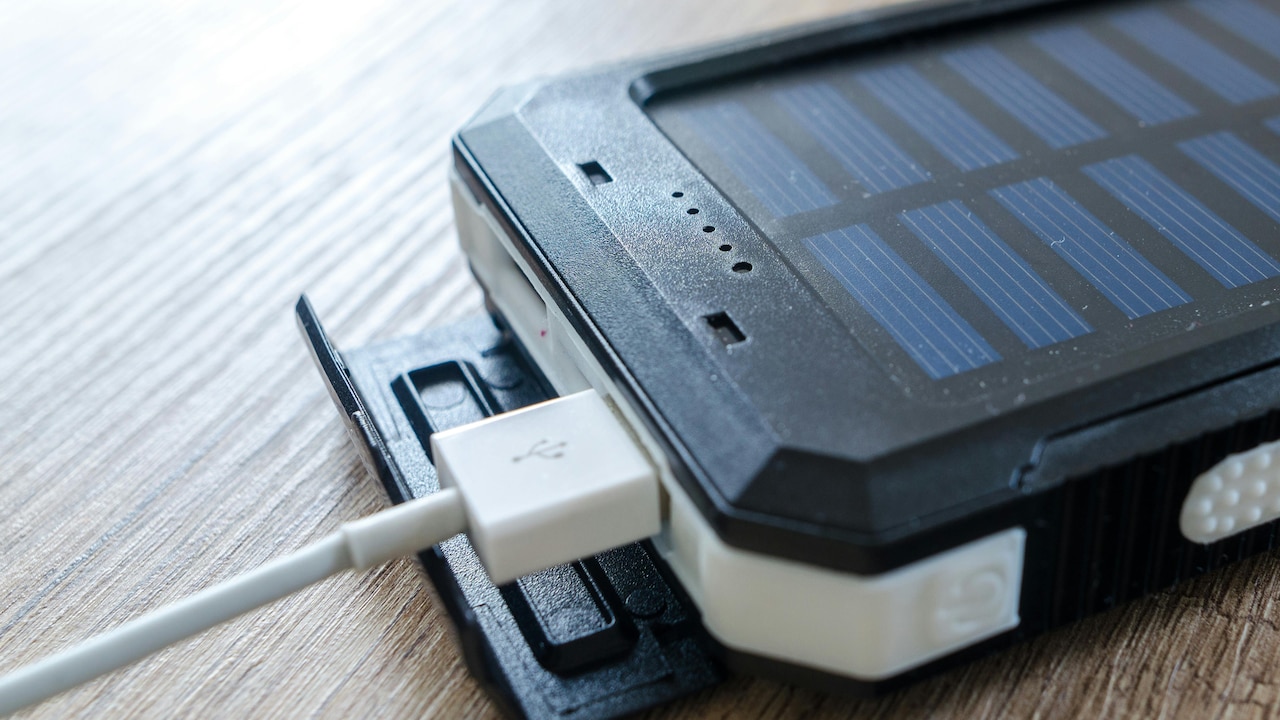
Ultimate Power Bank Checklist: Must-Know Safety Tips For Travel Before Flying.
A power bank has quietly become the unsung hero of modern travel. Whether it's a family trip to Goa, a work dash to Bengaluru, or a long-awaited holiday abroad, a dependable power source keeps phones alive, boarding passes handy and playlists running. Yet airlines treat power banks with extra caution, and for good reason. These pocket-sized lifesavers use lithium-ion batteries, which can turn risky if handled incorrectly.
Airline rules vary, airport staff inspect them closely, and many travellers only learn the dos and don'ts after losing an expensive gadget at security. Our power bank flight rules reveal the proper capacity limits and smart charging habits, with every point focusing on safety and convenience.
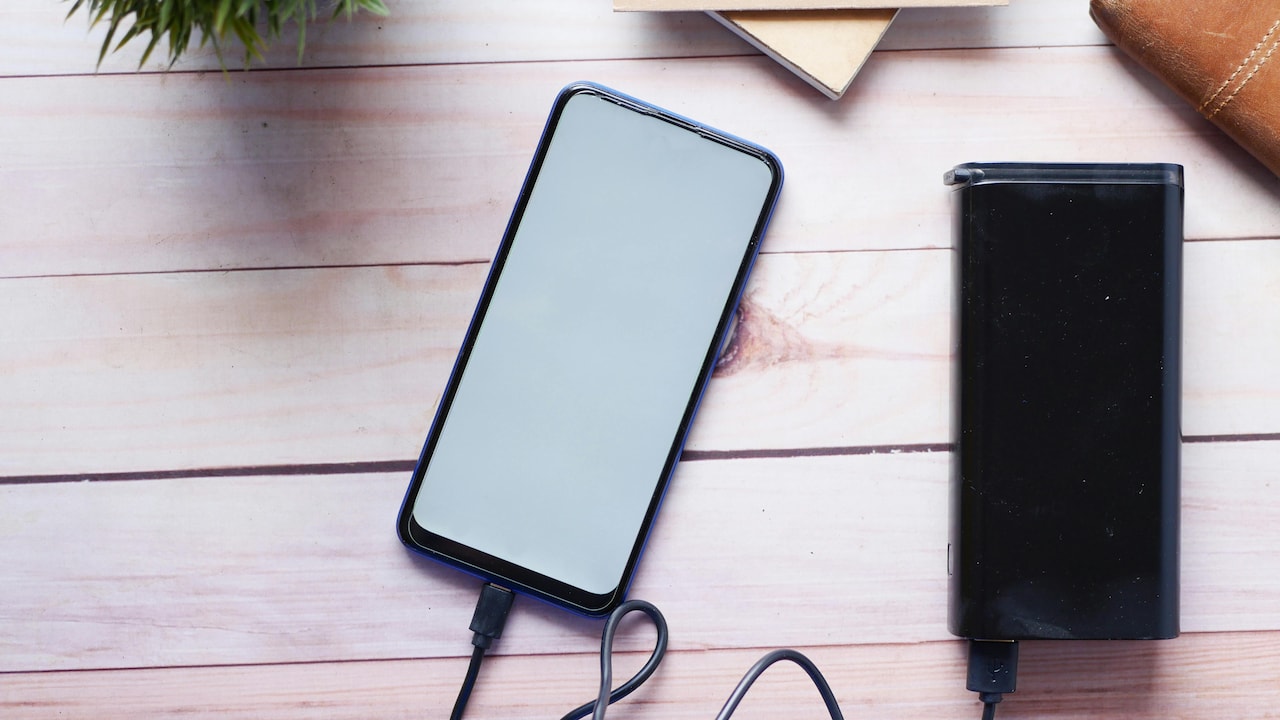
Power Bank Flight Rules: Must-Know Safety Tips For Travel Before Flying
Photo Credit: Pexels
Must-Follow Power Bank Guidelines For Stress-Free Air Travel
1. Check the Power Bank Capacity Before Packing
Every airline follows capacity rules for power banks, and these limits revolve around watt-hours (Wh). Most power banks mention capacity in mAh, which leaves travellers guessing. An easy formula solves this: (mAh ÷ 1000) × 3.7 = Wh. For example, a 10,000 mAh device works out to roughly 37 Wh, comfortably within airline rules. Most carriers allow anything up to 100 Wh without written approval, and up to 160 Wh with special permission.
Airport security pays closer attention to bigger devices, especially those with fast-charging features. Travellers often face delays when markings fade or labels peel off. A simple habit helps: check the label before flying, and avoid packing anything with unclear or missing specifications. If the device looks worn out or unbranded, it may invite extra scrutiny. Choosing a good-quality model also reduces heat, swelling, and malfunction, especially during long journeys or warm weather. A clear, well-marked power bank saves time, worry, and arguments at security.
2. Always Carry Power Banks in Cabin Luggage
Airlines allow power banks only in cabin bags, never in checked luggage. Lithium batteries can heat up or suffer pressure-related issues in the cargo hold. Cabin crew can respond quickly to a problem, while cargo staff cannot. That's why security teams stop travellers who place power banks in checked suitcases.
To avoid last-minute repacking, keep all electronics in an easily accessible section of the cabin bag. Many travellers use a dedicated pouch for chargers, cables, earphones, and a power bank. This simple habit helps during security checks because sometimes staff may ask travellers to place gadgets in separate trays. Carrying them together reduces fuss, keeps the queue moving, and prevents misplaced items. Handling the power bank personally during the flight also reduces the chance of damage, moisture exposure, or accidental impact inside a suitcase.
3. Avoid Cheap, Unbranded Or Fake Power Banks
Low-cost, unbranded power banks often tempt buyers, especially when sold at roadside stalls or online discounts. Yet these devices rarely undergo safety tests and may contain questionable components. An overheated or unstable power bank poses a danger to both the traveller and the aircraft. Airport officers spot suspicious models instantly due to odd shapes, missing labels, or unusual weight.
Choosing a reliable, certified brand helps ensure stable performance, safer charging, and longer lifespan. Government-approved certification marks or BIS standards give an extra layer of confidence. Even if a branded power bank costs more, say ₹800 to ₹2,000, it offers peace of mind, better customer support, and lower chances of battery failure. Travellers often regret saving a few hundred rupees when a cheap device refuses to charge mid-journey, inflates, or gets confiscated. Safety always outweighs short-term savings.
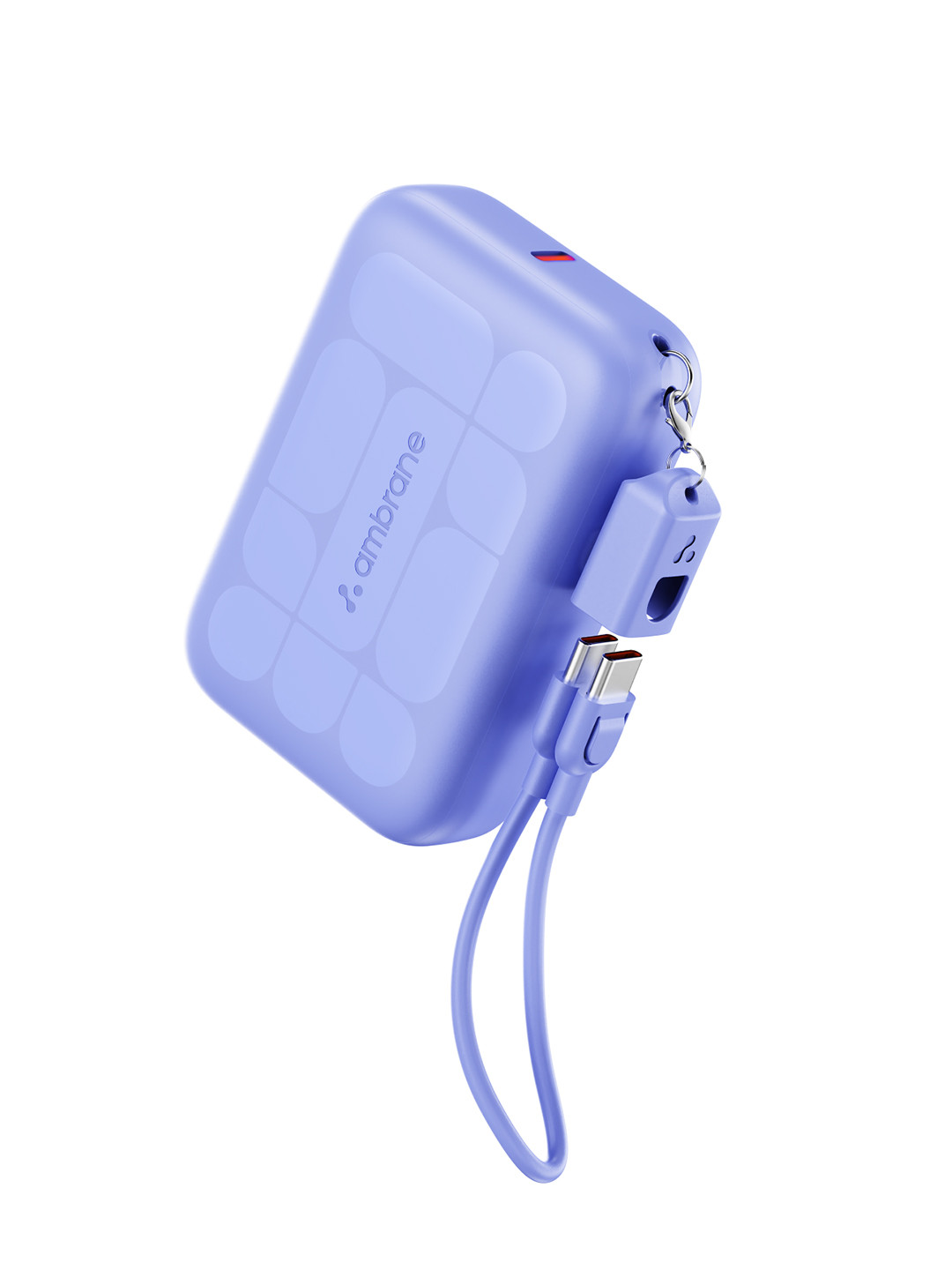
Also Read: Don't Run Your Mobiles Out Of Battery: Top 5 Ambrane Power Banks Start At 849
4. Inspect Your Power Bank for Damage Before Travel
A quick check before packing can prevent airport trouble. Look for swelling, dents, loose ports, odd smells, or cracked casing. Even a small bulge signals internal battery issues, and security teams rarely allow damaged devices on board. Most airlines follow a zero-compromise approach when safety is at stake.
A damaged power bank also risks unpredictable behaviour, slow charging, overheating, or sudden shutdowns. Many travellers ignore early warning signs like slight warmth during charging or fluctuating LED lights. Treat these as red flags. Replacing a faulty unit, even if it costs ₹1,000 or more, is far cheaper than losing it at the airport or facing travel disruptions. A well-maintained power bank charges devices faster, lasts longer, and reduces stress throughout the journey.
5. Don't Charge Devices During Take-Off and Landing
Cabin crew always ask passengers to switch devices to aeroplane mode and unplug chargers during take-off and landing. Charging increases battery activity, which naturally generates heat. During these critical flight phases, airlines want all electronics stable and unused.
Many travellers prefer topping up their battery percentage “just before landing” or “right before take-off,” but the safest approach is to wait for cruising altitude. Once the seatbelt sign goes off, charging becomes acceptable, though still with caution. Using a power bank tucked under a blanket or stuffed in a bag should be avoided since reduced airflow traps heat. Placing the device on the tray table keeps it cool and easy to monitor. Small habits like these keep journeys trouble-free and protect devices from unnecessary strain.
6. Use the Original Charging Cable
Cables seem like simple accessories, but they play a crucial role in safe charging. A poor-quality wire distributes uneven current or creates loose connections that heat up ports. Many travellers carry generic cables bought from local vendors, often costing ₹50 to ₹100, but these degrade fast and may cause sparks or short circuits.
Original or certified cables ensure smoother power flow and better protection. They prevent strain on the power bank's internal components and help phones charge more efficiently. Carrying one or two high-quality spare cables also helps during emergencies, especially during long layovers or overnight journeys. A frayed cable might seem harmless, yet airport staff sometimes question accessories that look risky or damaged. A small investment in proper cables saves time, protects devices, and aligns with airline safety expectations.
7. Avoid Charging Your Power Bank While Travelling to the Airport
Charging the power bank right before flying may seem convenient, but it increases the surface temperature just before inspection. Security staff often feel the device and ask questions if it's warm. A warm battery isn't necessarily dangerous, but it creates unnecessary confusion.
Instead, charge the device at home or a few hours earlier. Give it time to cool down naturally before reaching the airport. A fully charged and cool power bank passes through security smoothly. It also remains safer during the flight because sudden temperature changes, like stepping from a warm cab into an air-conditioned terminal, can stress a hot battery.
During road or train journeys to the airport, avoid using car chargers that deliver inconsistent voltage, especially when the vehicle hits speed bumps or potholes. Some travellers notice flickering lights or odd crackling noises during charging; these signals tell you to unplug immediately. Comfort, safety, and thoughtful timing create a smoother pre-flight experience.
8. Keep Power Banks Away from Moisture and Heat
Extreme temperatures shorten battery life and increase safety risks. A scorching dashboard, a humid backpack after rain, or a suitcase left in direct sunlight can stress lithium cells. When the internal temperature rises, power banks lose efficiency and may expand or leak.
Before leaving home, store the device in a cool, dry pouch. During monsoon months, waterproof sleeves help protect electronics from unexpected showers. In summer, avoid keeping gadgets close to water bottles or insulated tiffin boxes that trap heat. At the airport, avoid placing the power bank on sunlit seats near terminal windows.
Airlines often place emphasis on stable temperature because sudden heat spikes can trigger battery reactions. A little care goes a long way, protecting the device's lifespan and ensuring stress-free security checks.
9. Don't Use the Power Bank Continuously for Long Hours
Long, uninterrupted use forces the battery to work harder and generate heat. Travellers often binge-watch shows or play games while the phone rests on the power bank. This “charging while using heavily” behaviour doubles the load and weakens both devices. Over time, it reduces battery capacity and increases temperature.
Instead, top up your phone until it reaches around 80% and then unplug. Shorter charging cycles help maintain battery health and keep temperatures under control. If the device grows warm, give it a short break. Quick cooling prevents long-term damage and reduces the chances of sudden shutdowns.
During journeys, switching between apps less often and dimming the screen helps reduce battery drain. These small habits help both the phone and the power bank work efficiently without overheating. Balanced usage ensures smooth travel, longer device life, and lower risk at security checkpoints.

Power Bank Checklist: Must-Know Safety Tips For Travel Before Flying
Photo Credit: Pexels
10. Know Airline-Specific Rules Before Flying
Every airline follows the same basic safety logic, but specific rules differ. Some carriers allow power banks up to 160 Wh with approval; others set stricter limits. Some insist on visible markings, while others reject heavy, metal-clad models without documentation. Checking these rules beforehand prevents last-minute confusion.
Most airlines mention their power bank policies on their websites under “baggage guidelines” or “dangerous goods.” A two-minute check saves time and prevents trouble at the airport. Travellers often assume domestic and international rules are the same, but foreign carriers sometimes impose stricter checks.
Understanding these details helps travellers avoid surrendering gadgets worth ₹2,000–₹5,000 at security. It also ensures peace of mind because expectations become clear even before stepping into the terminal. Prepared travellers face fewer delays, shorter conversations with security staff, and smoother boarding experiences.
Products Related To This Article
1. Ambrane 10000mAh Power Bank
2. Xiaomi Pocket Power Bank pro 10000mAh 33W Super Fast Charging PD
3. boAt Energyshroom PB300 Air 10000 Mah
4. AGARO Nano Power Bank 10000 mAh
5. URBN 20000 mAh Premium Edition Nano Power Bank
A power bank may look like a simple accessory, but airlines treat it with the seriousness of a safety device. Travellers who understand these rules enjoy easier airport experiences, fewer delays, and safer flights. Thoughtful habits, checking capacity, avoiding cheap gadgets, protecting from heat, using proper cables, and respecting airline guidelines create a smooth journey from start to finish.
Whether the destination involves beaches, business meetings, or a family gathering, a safe, reliable power bank supports every step of the adventure. With this checklist, every traveller can fly confidently, stay connected, and keep worries grounded.
(Disclaimer: This article may include references to or features of products and services made available through affiliate marketing campaigns. NDTV Convergence Limited (“NDTV”) strives to maintain editorial independence while participating in such campaigns. NDTV does not assume responsibility for the performance or claims of any featured products or services.)