Bluetooth Earbuds vs Neckband Earphones: Which Is More Stable?
Bluetooth earbuds promise freedom, while neckband earphones offer reliability. But which stays stable during daily life, workouts, and long calls? A practical comparison reveals which design truly holds up.
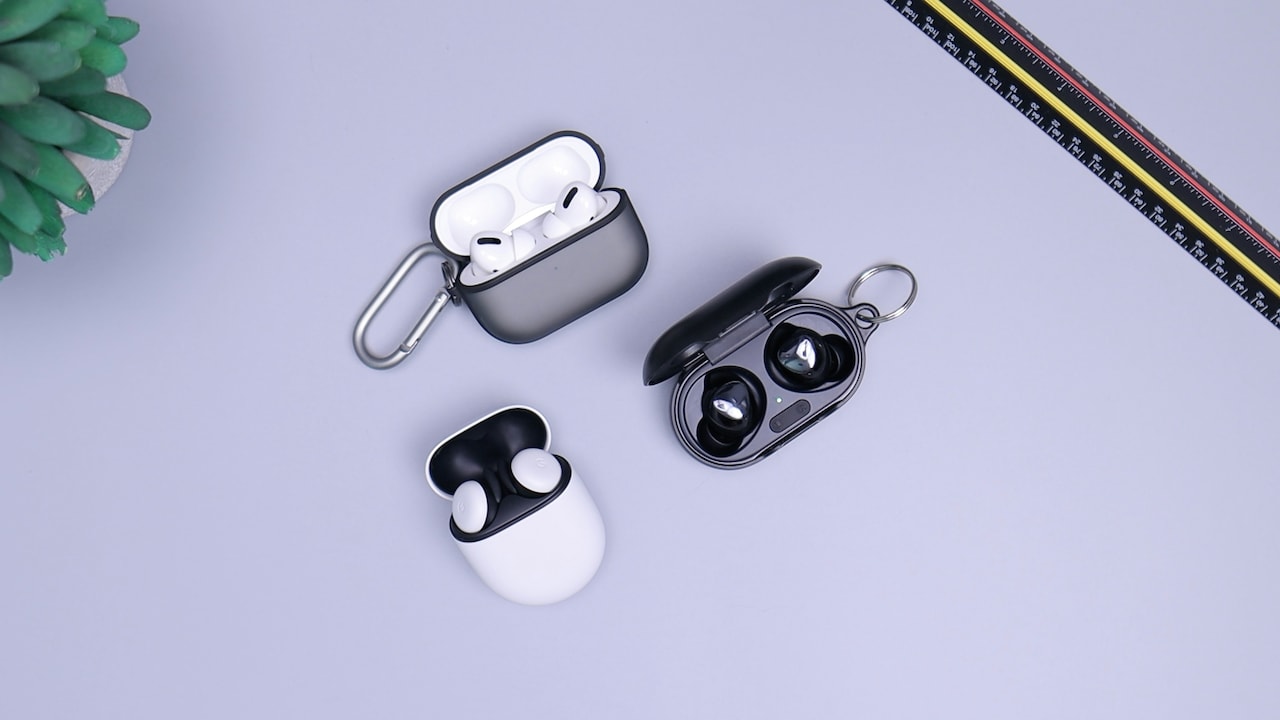
Bluetooth Earbuds vs Neckband Earphones: Which Offers Better Stability And Comfort? Know Now.
A decade ago, tangled earphone wires felt as unavoidable as traffic jams during peak hours. Today, wireless audio promises freedom. No knots in pockets, no sudden jerks when a cable catches on a bag zip, and no awkward detangling sessions before a call. Bluetooth earbuds and neckband earphones now dominate the personal audio space, each claiming to offer better stability.
But stability means more than simply staying inside the ears. It includes connection reliability, battery endurance, comfort during long use, and performance while moving through unpredictable environments. Stability also depends on lifestyle. A gym enthusiast values grip and sweat resistance, while someone working remotely may care more about uninterrupted calls.
The choice often becomes confusing because both designs appear similar on paper. Advertisements highlight sleek aesthetics, deep bass, and smart features, yet rarely address how these devices behave during daily chaos. A brisk walk across a crowded street, a sudden sprint to catch a train, or hours of video meetings reveal truths that marketing rarely mentions.
This discussion breaks down stability through practical situations rather than technical jargon. Each section looks at how earbuds and neckbands perform in real scenarios, helping readers decide which companion truly stays reliable when routines get busy.
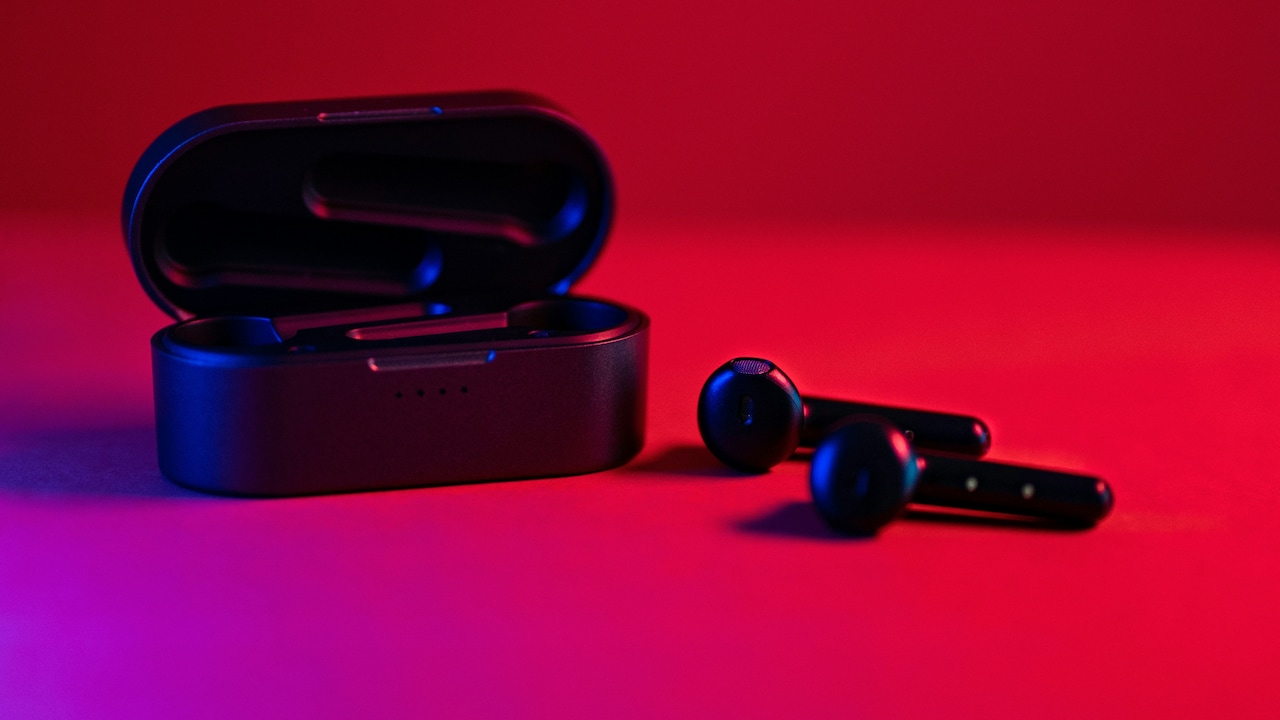
Bluetooth Earbuds vs Neckband Earphones: Which Is More Stable?
Photo Credit: Pexels
Understanding Stability In Everyday Wireless Audio
Physical Fit And Security During Movement
Stability begins with the simplest question: do they stay in place? Bluetooth earbuds rely entirely on ear fit. Modern designs include silicone tips and ergonomic shaping, yet ears differ wildly. What feels secure for one person may loosen within minutes for another.
During light activities such as commuting or office work, earbuds perform comfortably. However, sudden movements expose their limitations. Running across platforms or bending repeatedly can create a constant awareness that one earbud might fall. That tiny anxiety often distracts from music itself.
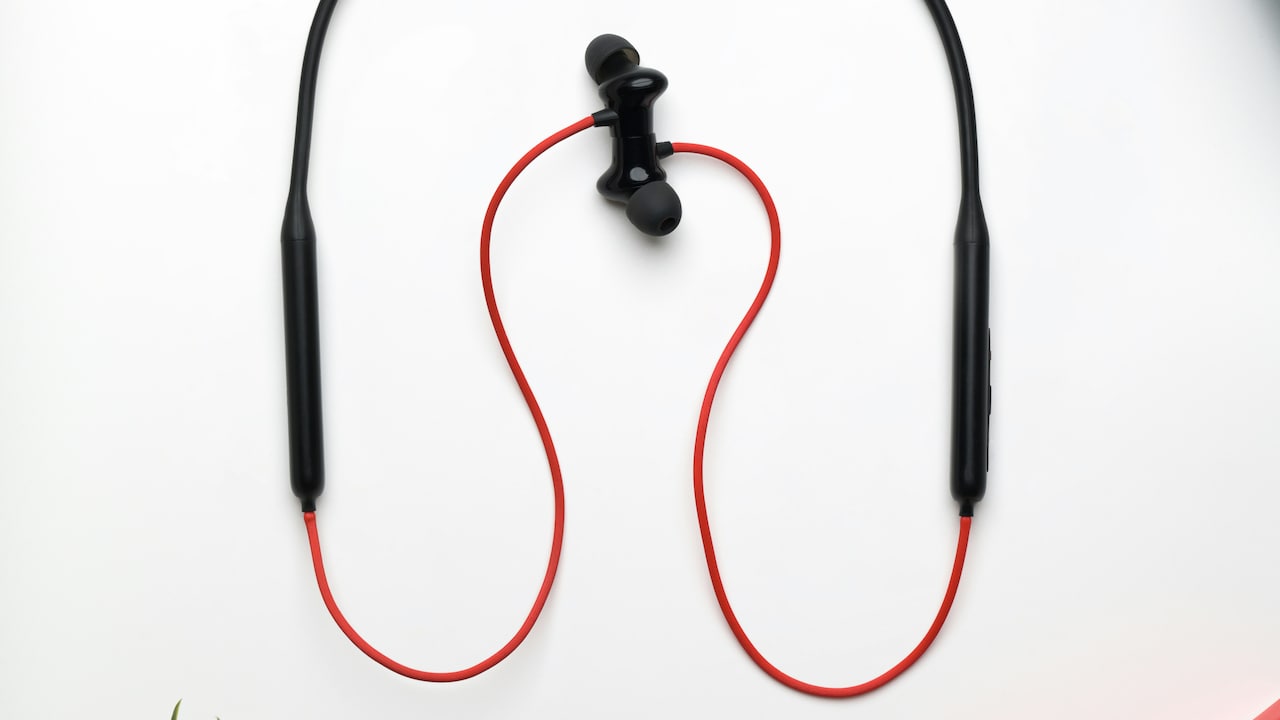
Neckband earphones approach stability differently. The band rests around the neck, distributing weight evenly. Even if an earpiece slips out, it hangs safely rather than disappearing onto the pavement. This physical reassurance matters during outdoor activities.
Many users notice reduced adjustment with neckbands. Once positioned, they tend to stay stable throughout walks or workouts. Earbuds, on the other hand, invite frequent repositioning, especially during sweaty conditions.
For people constantly on the move, stability often feels psychological as much as physical. Knowing the device cannot easily get lost creates confidence. In this aspect, neckbands quietly win by design rather than technology.
Connectivity Stability In Busy Environments
Wireless freedom depends heavily on Bluetooth connection strength. Earbuds usually connect independently or via a master unit, making them slightly more vulnerable to interference in crowded areas filled with signals.
Busy marketplaces, office complexes, and packed public transport often create signal congestion. Users sometimes experience momentary audio drops when turning their head or placing a phone inside a backpack. While technology continues to improve, tiny disconnections still occur occasionally.
Neckband earphones maintain a more consistent connection because both earpieces remain linked through a physical cable attached to a single Bluetooth receiver. This unified structure reduces signal negotiation between components.
Calls especially reveal this difference. During long conversations while walking outdoors, neckbands often deliver fewer interruptions. Earbuds may briefly desynchronise, causing audio lag that feels surprisingly noticeable during speech.
Connectivity stability matters more than many realise. Music interruptions break immersion, and call glitches create frustration during professional discussions. In environments full of wireless devices, neckbands often provide calmer, more predictable performance, even if they lack the futuristic charm associated with true wireless earbuds.
Battery Reliability Throughout The Day
Battery life shapes stability in a practical sense. A device that runs out halfway through the day fails regardless of sound quality.
Bluetooth earbuds rely on small batteries inside each unit. Charging cases extend usage, but they introduce dependency. Forgetting the case at home can reduce listening time dramatically. Many earbuds last five to seven hours per charge, which works for casual listening but struggles during travel days or long work shifts.
Neckband earphones accommodate larger batteries along the band itself. This design frequently delivers 15 to 30 hours of playback on a single charge. That difference becomes obvious during long journeys or back-to-back meetings.
Charging habits also influence convenience. Earbuds require periodic placement inside the case, almost like maintaining another gadget. Neckbands simply hang around the neck, ready whenever needed.
Battery anxiety subtly affects user behaviour. Earbud users often check battery percentages frequently, while neckband users tend to forget about charging until night. Stability here means reliability without constant monitoring, and neckbands again demonstrate a practical advantage for extended usage patterns.
Comfort During Long Listening Sessions
Comfort determines whether stability lasts beyond the first hour. Earbuds feel lightweight and almost invisible initially, making them appealing for short listening sessions. Their compact size eliminates neck pressure and pairs effortlessly with any outfit.
However, extended use sometimes leads to ear fatigue. Continuous pressure inside the ear canal can cause discomfort after several hours, particularly during long calls or binge-watching sessions. Some users remove earbuds periodically just to rest their ears.
Neckbands shift weight away from the ears. Because the band supports most of the device's mass, the earbuds themselves feel lighter. This design often proves more comfortable for prolonged use.
There is, however, a trade-off. The band resting on the neck may feel warm during humid weather. Yet many users adjust quickly, especially when prioritising comfort over minimalism.
Stability here becomes about endurance. A device that feels comfortable all day avoids constant removal and reinsertion. For extended listening, neckbands frequently deliver a steadier experience, while earbuds shine in shorter, more casual moments.
Performance During Workouts And Outdoor Activities
Fitness routines push audio devices to their limits. Sweat, sudden movement, and rapid posture changes reveal design strengths quickly.
Earbuds attract gym users due to their compact, wire-free look. Nothing swings or bounces during exercises like skipping or weight training. Premium models include ear hooks or stabilising fins, improving grip significantly.
Yet intense workouts introduce risk. Sweat can loosen the seal, and a falling earbud during a treadmill run becomes both inconvenient and stressful. Searching under machines for a tiny device disrupts momentum.
Neckbands remain popular among runners and walkers for a reason. Even if an earpiece slips, it remains attached. Many models feature magnetic buds that snap together when not in use, preventing movement entirely.
Outdoor stability also involves awareness. Quickly removing one earbud to hear surroundings feels easier with neckbands since they hang safely. Earbuds require careful storage to avoid loss.
Active lifestyles often reward practicality over aesthetics. While earbuds look modern, neckbands provide dependable stability when movement becomes unpredictable.
Ease Of Handling And Everyday Practicality
Daily life rarely allows delicate handling. Devices get pulled out during phone calls, packed hurriedly, or used while juggling bags and keys.
Earbuds demand careful management. Each piece is tiny, easy to misplace, and requires case storage. Dropping one while boarding transport instantly turns a routine moment into panic.
Neckbands simplify handling. Pull them out, place them around the neck, and they remain accessible throughout the day. There is no need to locate a case before answering a quick call.
Practicality also extends to multitasking. Cooking, shopping, or working often involves removing earphones briefly. Neckbands allow effortless removal without interrupting workflow.
Many users discover that convenience defines stability more than technical specifications. Devices that adapt to hurried routines feel dependable. Earbuds reward careful users, while neckbands forgive distraction.
In fast-paced environments where attention constantly shifts, neckbands often align better with real-world behaviour.
Call Quality And Microphone Stability
Clear communication relies on microphone consistency rather than audio output alone. Earbuds position microphones close to the mouth but depend heavily on software noise reduction.
In quieter spaces, earbuds perform admirably. Voices sound clear, and advanced models reduce background sounds effectively. Problems arise outdoors, where wind and traffic noise challenge small microphone arrays.
Neckband earphones frequently include inline microphones placed along the cable, sometimes closer to the mouth. This placement can capture speech more naturally during movement.
Stability during calls also involves positioning. Earbuds occasionally shift, altering microphone alignment and affecting clarity. Neckbands remain relatively fixed, providing steady voice capture.
Long conversations reveal comfort differences too. Many professionals prefer neckbands for extended calls because they allow temporary removal without disconnecting completely.
Reliable communication builds trust during work interactions. In this domain, neckbands often provide a steadier, less unpredictable experience, particularly in noisy surroundings.
Durability And Risk Of Loss
Durability plays a major role in perceived stability. A device feels stable when users trust it to survive daily wear.
Earbuds face unique risks. Their small size makes accidental drops common. Losing a single unit can render the entire set unusable, turning a ₹5,000 purchase into an expensive lesson.
Charging cases add another vulnerability. Misplacing the case means losing both charging capability and storage protection.
Neckbands present fewer risks. The connected design reduces the chances of loss significantly. Even accidental drops rarely separate components entirely.
Physical durability also benefits from fewer moving parts. Hinges and charging pins inside earbud cases sometimes wear out over time. Neckbands rely on simpler mechanics.
For people prone to misplacing small gadgets, stability becomes synonymous with survivability. Neckbands offer reassurance through simplicity, while earbuds require greater attentiveness.
Style, Social Perception, And Lifestyle Fit
Technology often doubles as a fashion statement. Earbuds symbolise modern minimalism. Their clean appearance complements professional settings and casual outfits alike. Many users appreciate how discreet they look during meetings.
Neckbands, by contrast, prioritise function over style. Some consider them slightly dated, though newer designs appear sleeker than earlier versions.
Yet perception changes depending on context. During travel or exercise, practicality often outweighs appearance. A visible neckband signals readiness rather than trend-chasing.
Lifestyle compatibility ultimately defines stability. Someone constantly switching between calls, music, and movement may value reliability more than aesthetics. Another person attending meetings may prioritise subtle design.
Interestingly, social acceptance evolves quickly. What once looked bulky now appears practical, especially as users prioritise battery life and comfort.
Style influences emotional satisfaction, and emotional comfort contributes to overall stability. Choosing between earbuds and neckbands often reflects personality as much as technology.
Bluetooth Earbuds vs Neckband Earphones: Which Is More Stable?
Photo Credit: Pexels
Value For Money And Long-Term Satisfaction
Stability also relates to financial peace of mind. Buyers expect consistent performance relative to price.
Earbuds span wide price ranges, from budget options around ₹1,500 to premium models exceeding ₹15,000. Higher prices usually improve sound and features but do not eliminate risks like battery degradation or loss.
Neckbands generally deliver strong performance at lower prices. Even models under ₹3,000 offer impressive battery life and dependable connectivity. This balance appeals to users seeking practicality without frequent upgrades.
Long-term satisfaction often depends on maintenance habits. Earbuds require careful charging routines and safe storage. Neckbands demand less attention, making ownership simpler.
Over time, many users realise stability includes emotional ease. Devices that work reliably without constant worry feel more valuable than feature-packed alternatives.
Cost alone does not decide the winner, yet neckbands frequently provide stronger everyday reliability per rupee spent, especially for users prioritising function over novelty.
Products Related To This Article
1. pTron Tangentbeat in Ear Bluetooth 5.0 Wireless Headphones with HD Mic
2. OnePlus Nord Buds 3r TWS Earbuds up to 54 Hours Playback
3. OnePlus Bullets Wireless Z3 in-Ear Neckband with 12.4mm Drivers, 3D Spatial Audio
4. GOBOULT Newly Launched Earl TWS Earbuds with Hybrid ANC (Upto 50dB)
5. Boat 2025 Launch Rockerz 113, 40H Battery, Dual Pair, Fast Charge
6. Fire-Boltt Newly Launched Aero Drift TWS Earbuds Custom EQ Wireless Bluetooth 5.4 Music
7. ZEBRONICS Zeb-Evolve BTv5.0, Voice Assistant
The debate between Bluetooth earbuds and neckband earphones rarely produces a universal winner because stability means different things to different people. Earbuds excel in portability, modern design, and freedom from visible wires. They suit short listening sessions, office environments, and users who value sleek aesthetics.
Neckband earphones, however, quietly dominate in practical stability. Their secure design reduces loss risk, their batteries last longer, and their connectivity remains dependable in busy environments. They adapt well to movement, long calls, and unpredictable daily routines.
Choosing wisely requires honest reflection on lifestyle rather than trends. Someone constantly travelling, exercising, or attending long calls may appreciate the reassurance of a neckband. Meanwhile, those prioritising compact convenience may happily accept the trade-offs of earbuds.
Technology continues to evolve, and future designs may blur these distinctions further. For now, stability belongs less to innovation and more to usability. The device that stays reliable through crowded commutes, long conversations, and spontaneous moments ultimately earns its place — not by looking futuristic, but by quietly working when needed most.
(Disclaimer: This article may include references to or features of products and services made available through affiliate marketing campaigns. NDTV Convergence Limited (“NDTV”) strives to maintain editorial independence while participating in such campaigns. NDTV does not assume responsibility for the performance or claims of any featured products or services.)