Projector vs Smart TV: Which One Works Best for Small Homes in 2025?
Small homes deserve big-screen joy without the furniture shuffle. A clever screen that rolls away, a projector that slips into a drawer, and an evening filled with warmth and comfort. Sometimes, the smartest upgrade isn’t a TV at all.
Projector vs Smart TV for Small Homes: When A Screen That Vanishes Makes More Sense.
When the mind dreams of a cinema-like experience, a large smart TV seems like the obvious choice. But a growing number of households lean towards a projector instead. A small device that hides away after movie night feels refreshing, efficient and surprisingly practical. The question grows sharper today: Is a projector a better fit for compact homes than a smart TV? This article unpacks that question through real-life moments, everyday constraints and the changing way people consume entertainment. So, when it comes to a projector vs smart TV comparison, a screen that vanishes after use may make more sense.
Projector vs Smart TV: Which One Works Best for Small Homes in 2025?
Photo Credit: Pexels
The Real Face-Off: What Works Better in a Small Space?
1. Space Matters More Than Features
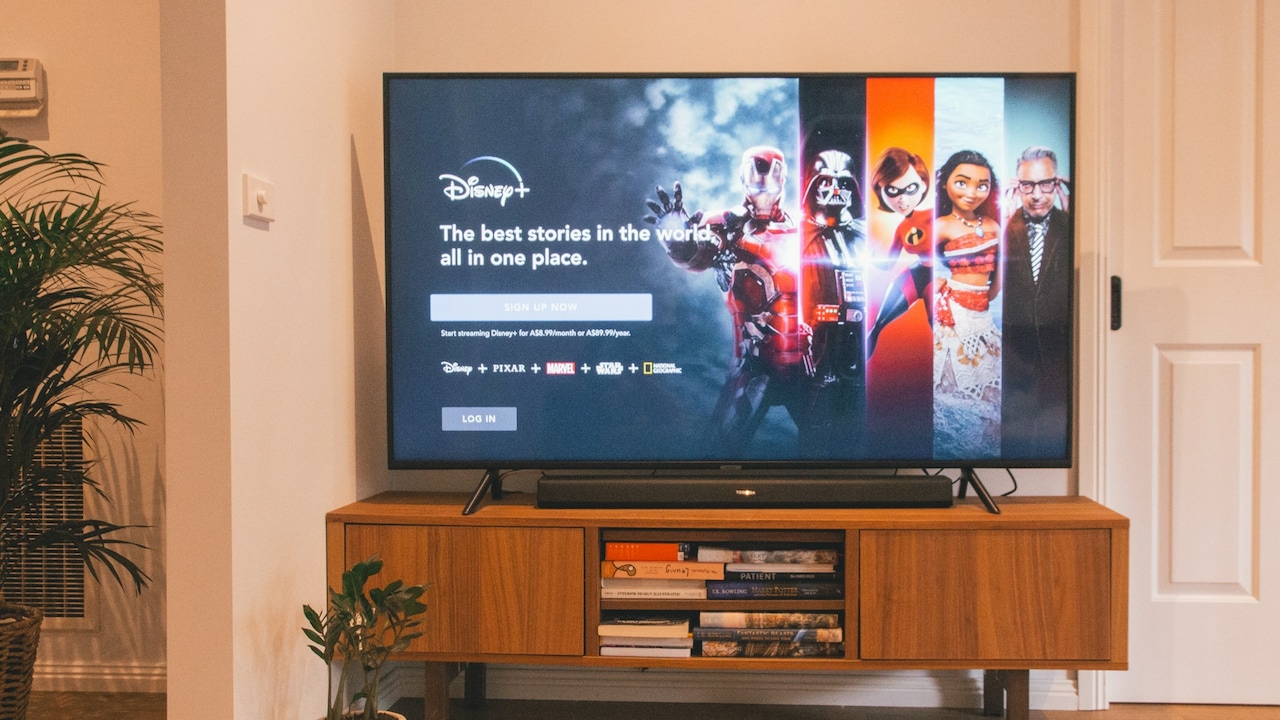
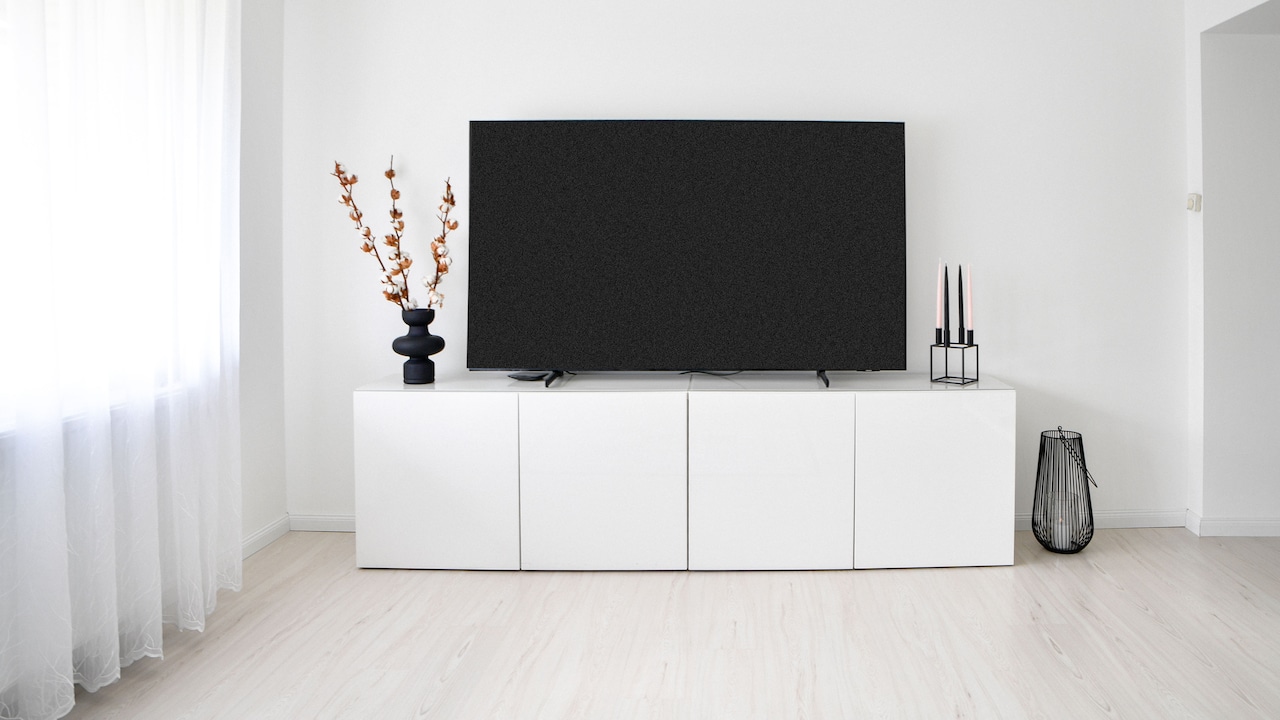
A small home often carries a simple rule: every object must justify the room it occupies. A large smart TV dominates a wall, limits décor options, and creates a fixed focal point in the living area. Once mounted, it stays forever. For those who shift furniture often or live in rented spaces, the permanence feels burdensome.
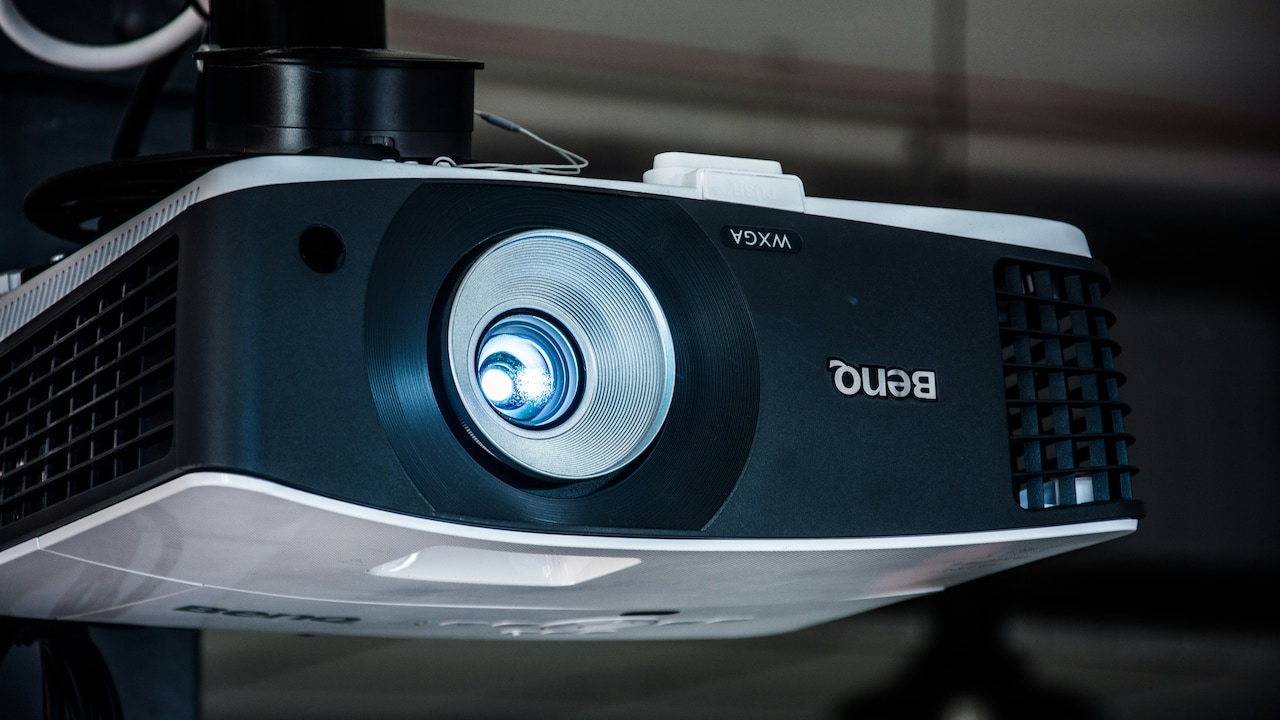
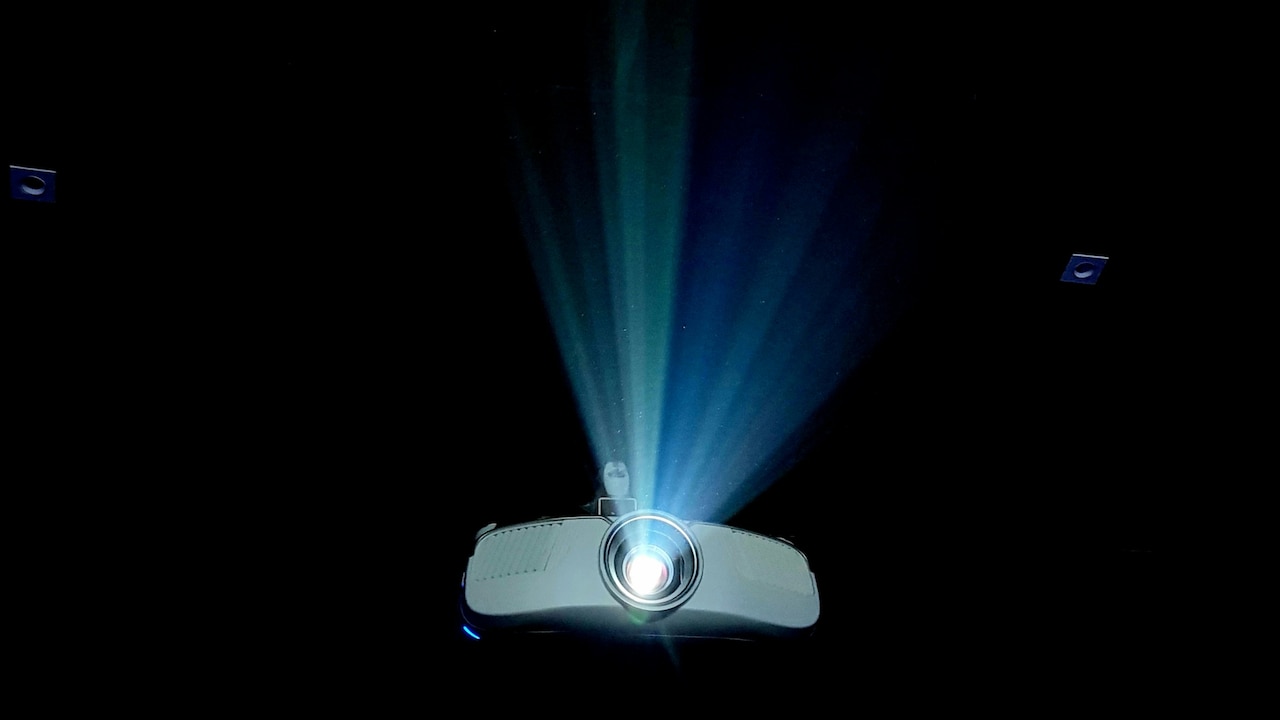
A projector, however, tells a different story. It sits quietly in a drawer when the show ends. It enters the room only when its presence feels welcome. A collapsible screen or even a blank wall can serve as the stage for your movie nights. This flexibility keeps the home open and airy. The absence of a bulky screen also lightens the mood of the room, making the space appear larger.
Compact homes rarely offer the luxury of dedicated media rooms. A projector adapts to this truth beautifully. You can use it in the bedroom one day and the living room the next. Space remains yours to define, not dictated by a giant glowing rectangle.
2. Cost-Effectiveness Without Compromise
A premium smart TV can cost anywhere between ₹30,000 and ₹1,50,000, depending on size and features. A projector with decent brightness and HD or Full HD clarity often sits in the same price band, sometimes even lower. This makes people reconsider their assumptions.
The key lies in what you value. If your goal focuses on the biggest possible screen for the least strain on the wallet, a projector steals the spotlight. At a similar cost, it easily delivers a 100-inch display. To match that size in a smart TV, the price jumps steeply. For households planning an upgrade but mindful of budgets, a projector feels like a smart, proportional investment.
Smart TVs offer apps, updates and voice assistants. Projectors now include these features, too, or you can plug in a streaming stick that costs less than a dinner outing. This keeps the whole setup affordable without compromising on modern conveniences.
3. A Big Screen Experience in a Small Room
Small spaces limit furniture placement, lighting and viewing distance. A huge 65-inch TV in a compact living room can overwhelm the senses. The screen sits too close, colours feel too bright, and the viewing angle narrows.
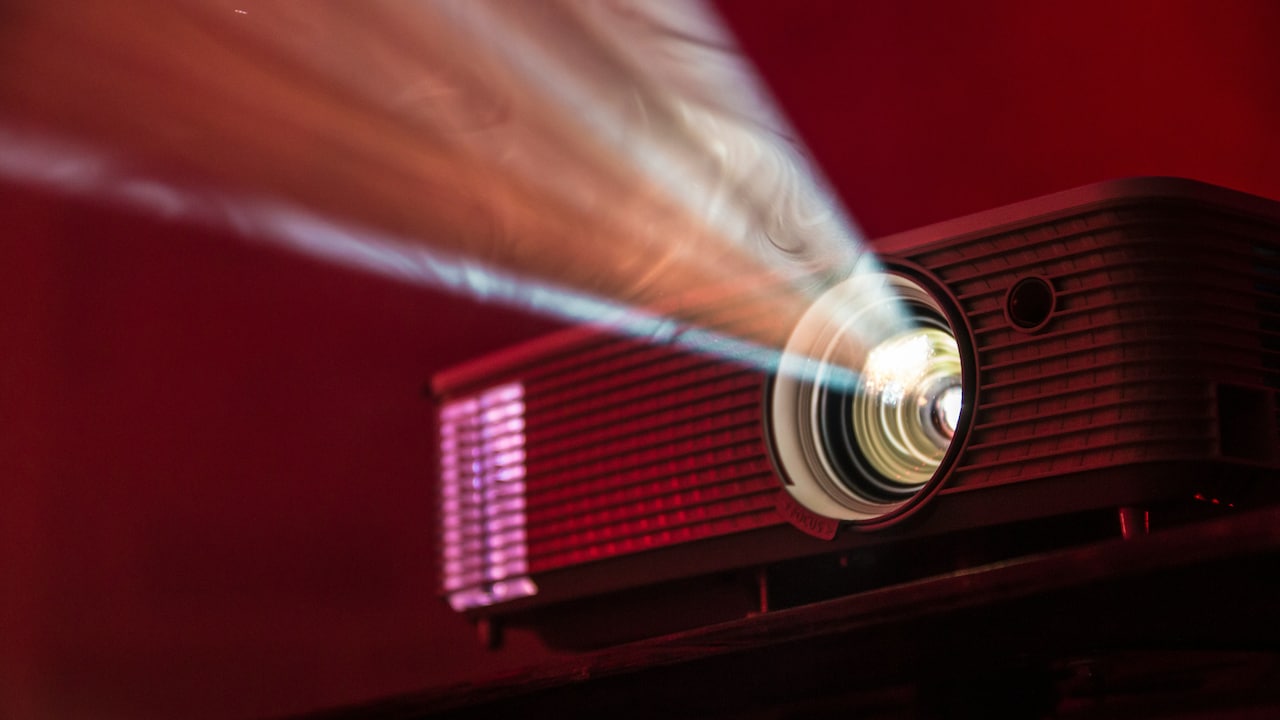
A projector flips this challenge. It thrives in short distances. Modern short-throw and ultra-short-throw projectors produce giant screens even when placed just a few inches away from the wall. The result feels immersive without overpowering the room. Unlike the fixed brightness of TVs, projectors create a softer, more cinematic atmosphere that suits small spaces beautifully.
The beauty lies in scale. You can adjust the screen size to match the room's comfort level. Family time, cricket matches, late-night films, every mood gets its own screen size. In a home where every corner multitasks, this adaptability becomes gold.
Also Read: Compact Yet Powerful: Top 4K Projectors Under ₹50,000 For Small Spaces
4. When Décor and Comfort Take Priority
A smart TV, regardless of brand, becomes the room's centrepiece. Even when switched off, it sits as a glossy black slab. Many people prefer a cleaner, more breathable aesthetic. A projector respects that preference. The wall stays free, the décor flows uninterrupted, and the living space keeps its charm.
This also creates a comforting sense of neutrality. A projector invites entertainment without demanding attention all day. Homes often double up as workspaces, relaxation zones and dining areas. A projector supports this rhythm. You bring out the screen only when you want a shared moment of entertainment.
Some families enjoy using white curtains or simple painted walls as screens. It blends functionality with style and avoids the clutter of more equipment. The room feels calm when everything packs away after use, which adds a subtle psychological relief that small homes appreciate.
5. Easy Portability for Modern Lifestyles
City life rarely stays still. People shift homes, rearrange rooms or host gatherings in different corners of their living space. A projector understands this lifestyle. It travels from one room to another without fuss. You can even take it to the terrace for a cool evening screening or to a friend's house for a special match.
A smart TV doesn't offer that kind of freedom. Moving a large screen feels risky, requires help and needs remounting. A projector weighs little, fits in a backpack and switches locations without stress. This mobility suits families who love exploring new ways to spend time together.
Even within the home, flexibility matters. A projector lets you watch a film from the bed on lazy weekends and host a living-room screening on festive evenings. It becomes an entertainment companion rather than fixed furniture.
Projector vs Smart TV: Which One Works Best for Small Homes in 2025?
Photo Credit: Pexels
6. Light Control vs Everyday Reality
Smart TVs shine brightly regardless of lighting conditions. This becomes useful when households deal with sunlight spilling through balconies or windows. A projector performs best in dim or dark rooms. That feels like a limitation, but it also builds atmosphere.
Most people enjoy film nights after sunset anyway. Drawing curtains for evening entertainment doesn't feel inconvenient. In fact, it creates warmth and focus. For day-time viewing, a brighter projector or an ALR (ambient light rejection) screen solves the issue. Although this adds cost, it still stays lower than buying a massive TV of the same visual scale.
Small homes often receive abundant natural light. A projector asks for a little cooperation, pull the curtains and enjoy a theatre-like vibe. Once you get used to it, the ritual feels cosy rather than restrictive.
7. Eye Comfort and Family-Friendly Viewing
Long hours in front of bright screens strain the eyes. Smart TVs produce strong, direct light. In compact rooms, the distance between eyes and screen reduces further, increasing fatigue.
A projector reflects light off a wall or screen, which creates a softer visual experience. This reduces glare and eases strain during extended viewing. Children benefit from this, as they sit closer to screens out of habit. Elderly family members appreciate the relaxed brightness and the large, clear visuals that help with readability and comfort.
Families seeking mindful screen habits often shift towards projectors for their gentle display qualities. The experience feels more like a theatre visit and less like staring into a light source.
8. Sound Quality and Setup Choices
Smart TVs usually come with decent built-in speakers, but the sound often spreads flat, especially in small rooms with tiled floors and hard surfaces. Many households invest in soundbars anyway.
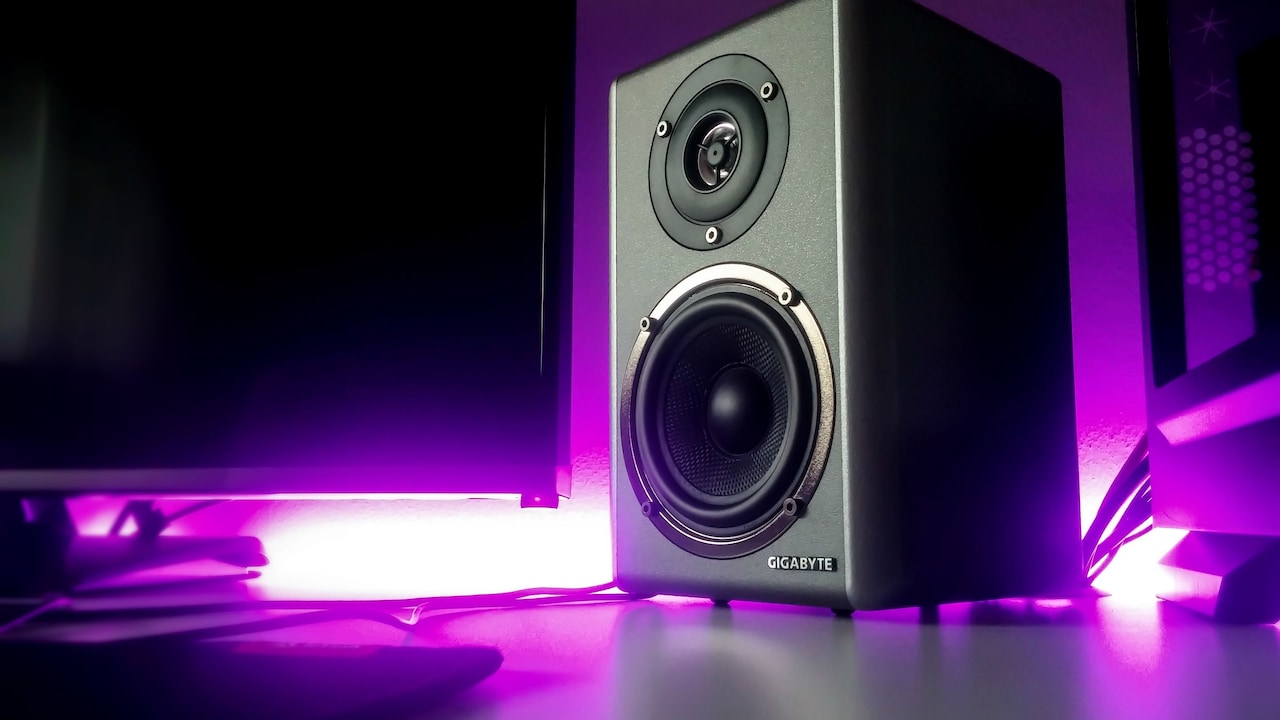
Projectors offer modest built-in speakers too, though most people pair them with external speakers for a richer experience. The freedom to place speakers anywhere allows better acoustics. You can't tuck a small Bluetooth speaker behind the sofa or set up a compact soundbar under the screen.
The setup feels customisable rather than restrictive. You shape the sound to your home's layout. For gatherings or festival evenings when everyone crowds together, you can raise the sound output easily without worrying about the placement of a TV's fixed speakers.
9. Maintenance, Durability and Upgrades
Smart TVs offer convenience because they need little maintenance. They lasted years without major trouble. Projectors demand occasional care, such as cleaning filters or monitoring lamp life, though LED and laser projectors reduce this worry significantly.
Where projectors win is in long-term flexibility. If you want better resolution later, you upgrade only the projector, not the giant screen. You avoid disposing of a large appliance, which saves money and reduces clutter.
Small homes benefit from modular upgrades. A projector setup evolves over time, new speakers, better screens, streaming sticks, all without rearranging the room. It feels like building a personal entertainment kit rather than replacing a big fixed device.
10. The Emotional Joy of Movie Nights
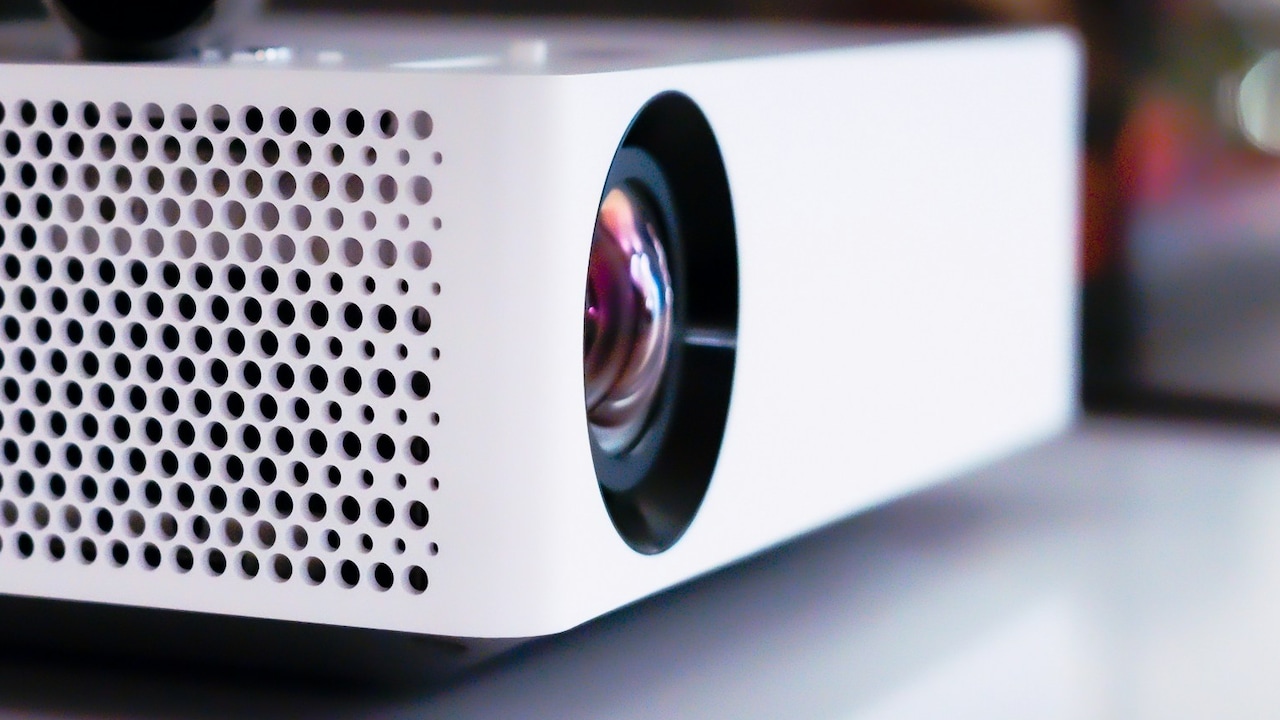
Entertainment carries emotion. The ritual of dimming the lights, pulling down a screen and settling in with snacks sets a mood that a regular TV seldom matches. A projector transforms the room. Even the simplest wall becomes a canvas. Families sit closer, share jokes, switch off from the outside world and enjoy a shared moment.
The experience feels intentional. A TV often runs in the background, but a projector makes each viewing feel special. Whether it's a cricket final, a weekend comedy special or a nostalgic film from childhood, the moment gains weight. For homes that juggle long workdays, noisy streets and tight schedules, this pause feels priceless.
The magic lies not in the device itself but in the atmosphere it creates, cosy, warm and personal.
Projector vs Smart TV: Which One Works Best for Small Homes in 2025?
Photo Credit: Pexels
Products Related To This Article
1. E GATE Atom 4X+ Fully Automatic Projector 4k Ultra HD
2. Android TV: 270° Rotation Mini Projector with Bluetooth and WiFi 6
3. Lifelong Electronics Lightbeam X Smart Projector
4. WZATCO Yuva Go Pro Fully Automatic Native 1080P Android 13.0 Smart Projector
5. Portronics Beem 440 Smart LED Projector with 720p HD Resolution
Choosing between a projector and a smart TV depends on lifestyle, space and the kind of joy you seek from entertainment. Small homes thrive on versatility, clarity and comfort. A projector respects these needs. It offers a cinema-like scale without occupying precious room. It adapts to different moods, adjusts to different spaces and costs less while delivering more screen for the money.
A smart TV remains a reliable companion for daylight viewing, quick casual shows and a straightforward setup. Yet the charm of a projector grows stronger in compact homes where flexibility, atmosphere and space-saving design matter more than constant visibility.
When a screen disappears after use, the home breathes easier. And when the next film begins, the room transforms again, quietly, beautifully and without a single piece of furniture losing its place.
(Disclaimer: This article may include references to or features of products and services made available through affiliate marketing campaigns. NDTV Convergence Limited (“NDTV”) strives to maintain editorial independence while participating in such campaigns. NDTV does not assume responsibility for the performance or claims of any featured products or services.)