Wired vs. Wireless Gaming Mouse: Which Has Lower Lag?
Wired or wireless gaming mouse, which truly delivers lower lag? Modern technology has changed the rules, and the answer may surprise gamers chasing speed, precision, and smoother gameplay.
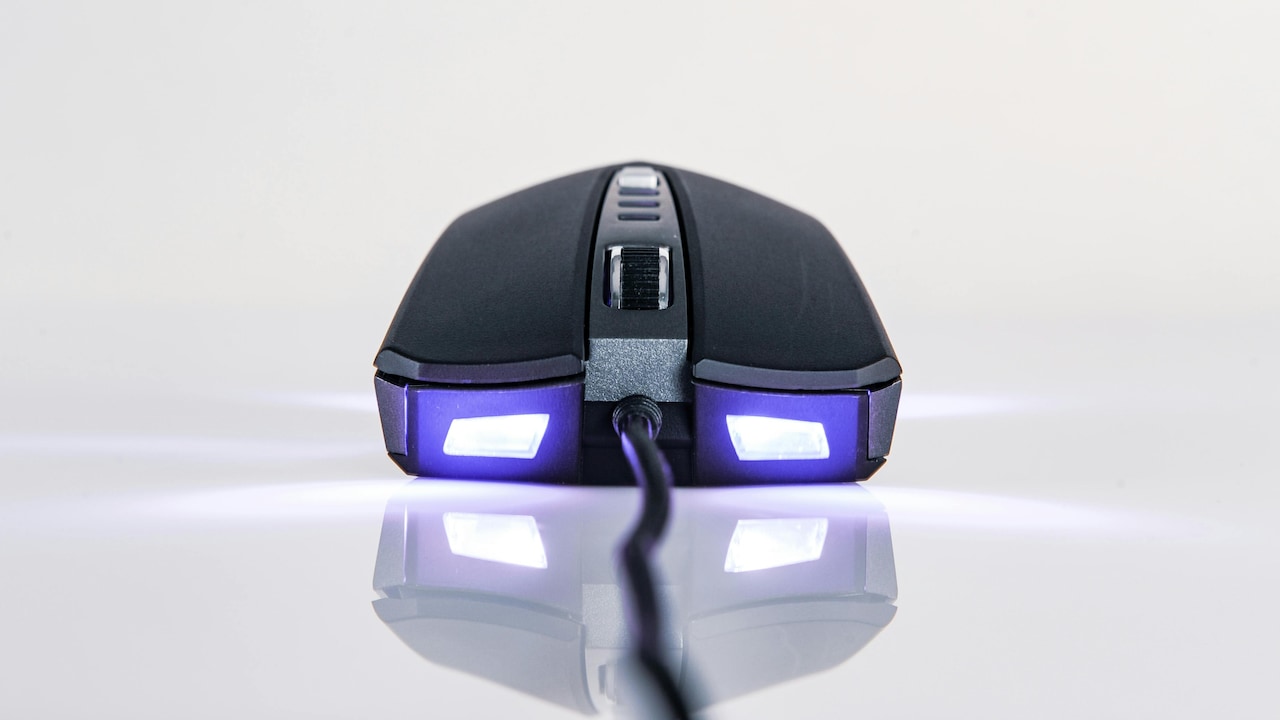
Wired or Wireless Gaming Mouse? A Complete Guide to Lag, Speed, and Performance.
Every gamer remembers that one moment when victory slipped away by a fraction of a second. The crosshair aligned perfectly, the click felt right, yet the result arrived too late. Instantly, suspicion falls on hardware. Among computer keyboards, monitors, and internet speed, the gaming mouse often takes centre stage.
For years, wired mice carried the reputation of being faster and more reliable. Wireless models faced criticism for lag, signal drops, and battery anxiety. Walk into any electronics store today, however, and the shelves tell a different story. Premium wireless mice sit beside wired classics, both promising lightning-fast response times and tournament-grade precision.
Technology has evolved rapidly. Sensors improved, wireless protocols matured, and battery efficiency surprised even sceptics. Still, confusion remains. Marketing claims shout about “zero latency,” while gamers debate fiercely during late-night multiplayer sessions.
Understanding lag requires more than brand loyalty or online opinions. It demands a closer look at how mice communicate, how humans perceive delay, and how gaming habits shape performance. The answer turns out to be less dramatic than expected, yet far more interesting.
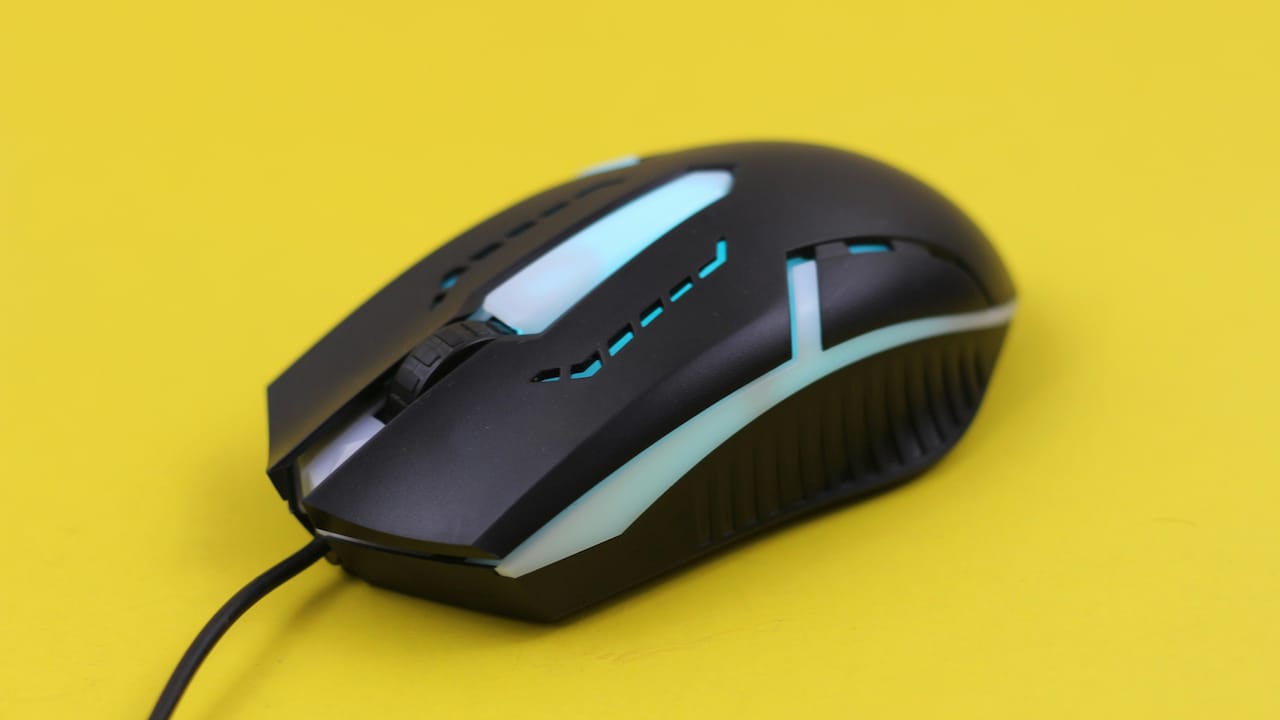
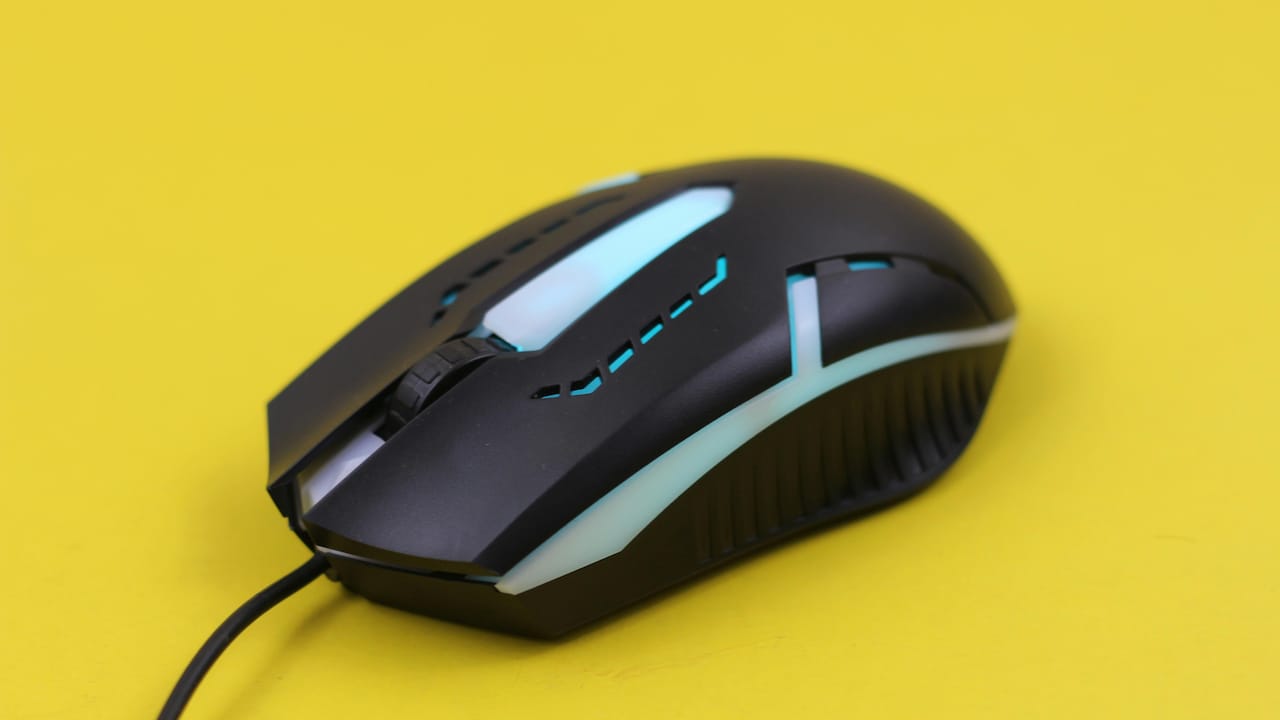
Wired vs. Wireless Gaming Mouse: Which Has Lower Lag?; Photo Credit: Pexels
Understanding Wired Vs Wireless Gaming Mouse Performance
The Meaning Of Lag In Gaming
Lag sounds simple, yet many misunderstand what actually happens between a click and an on-screen action. In gaming terms, lag refers to the delay between physical input and digital response. Even tiny delays influence accuracy, especially in fast-paced shooters or competitive esports titles.
A gaming mouse sends signals to a computer thousands of times per second. This communication rate, known as the polling rate, determines how often movement updates reach the system. A standard office mouse might operate at 125 Hz, while gaming mice often reach 1000 Hz or higher. That difference translates into smoother tracking and quicker reactions.
Human perception plays a fascinating role here. Most players struggle to notice delays under 10 milliseconds during casual gameplay. Competitive players, however, train muscle memory intensely. Small inconsistencies feel disruptive, similar to driving a car with slightly loose steering.
Lag also includes sensor processing, USB transmission, wireless encoding, and software optimisation. Blaming the mouse alone oversimplifies a complex chain of events. Internet latency, frame rate, and monitor refresh rate often create larger delays than input devices.
Understanding lag means recognising that performance depends on the entire system rather than a single cable or battery.
How Wired Gaming Mice Deliver Performance
Wired gaming mice earned their reputation through consistency. A physical cable creates a direct data path between the mouse and the computer, eliminating concerns about interference or signal loss. For decades, this reliability made wired models the default choice for competitive gaming.
Data travels instantly through the cable, producing extremely low latency. Manufacturers fine-tuned USB communication over many years, resulting in predictable performance. Plug in a wired mouse, and it works immediately without pairing or charging rituals.
Many players also appreciate uninterrupted gaming sessions. No battery warnings appear during intense ranked matches. The mouse simply keeps working, whether gaming lasts thirty minutes or stretches into a weekend marathon fuelled by chai and late-night snacks.
Yet cables introduce their own quirks. Drag from a stiff wire can slightly resist movement, particularly during low-sensitivity gameplay that requires large arm motions. Mouse bungees reduce this issue, but add extra desk clutter.
Despite minor drawbacks, wired mice still represent a dependable and often affordable option. Quality models priced around ₹2,000 to ₹4,000 deliver excellent sensors and near-perfect responsiveness, making them attractive for newcomers building a gaming setup on a budget.
Also Read: Mouse Hunting? Lenovo To Logitech, Here Are The Top 10 Smoothest Ones
The Evolution Of Wireless Technology
Wireless gaming once felt like a compromise. Early models suffered from noticeable delays and inconsistent tracking. Many gamers avoided them entirely after frustrating experiences during crucial matches.
Modern wireless technology changed that narrative dramatically. Advanced radio frequency systems now operate on optimised channels designed specifically for gaming inputs. Brands invested heavily in reducing transmission delay, achieving response times that rival wired connections.
Today's high-end wireless mice use proprietary protocols rather than standard Bluetooth. These systems prioritise speed and stability, ensuring rapid data transmission even in crowded signal environments filled with routers, phones, and smart devices.
Battery technology also improved significantly. Lightweight lithium batteries allow weeks of gameplay on a single charge. Some models provide several hours of play after only a few minutes of charging, which feels almost magical compared to older designs.
Wireless freedom transforms desk ergonomics. Without cables pulling or tangling, movement feels fluid and unrestricted. Many gamers describe this shift as surprisingly liberating, especially during fast flick shots or wide tracking motions.
The transformation shows how innovation can overturn long-standing assumptions, turning yesterday's weakness into today's strongest selling point.
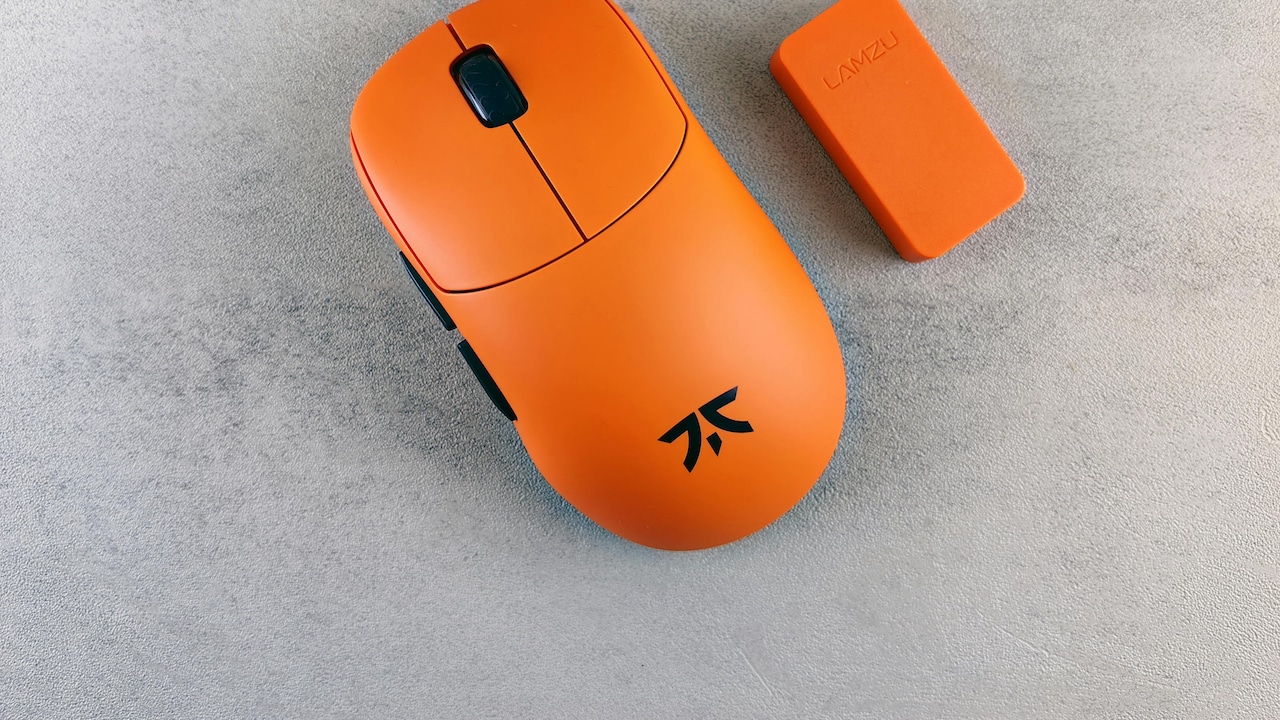
Wired vs. Wireless Gaming Mouse: Which Has Lower Lag?; Photo Credit: Pexels
Latency Comparison: Wired Vs Wireless Reality
Marketing claims often exaggerate differences between wired and wireless mice. Real-world testing paints a calmer picture. Modern premium wireless gaming mice typically achieve latency differences of only one or two milliseconds compared with wired counterparts.
Such tiny gaps rarely affect gameplay outside professional esports environments. Even then, personal comfort and familiarity often matter more than raw numbers. A comfortable mouse encourages consistent aim, which outweighs microscopic latency advantages.
Laboratory tests reveal another interesting truth. Poor-quality wired mice sometimes perform worse than well-designed wireless ones. Sensor quality, firmware optimisation, and build engineering influence performance far more than connection type alone.
Consider a gamer upgrading from a basic ₹800 wired mouse to a ₹9,000 flagship wireless model. Performance usually improves dramatically despite losing the cable. The improvement comes from better sensors and faster processing rather than wireless magic.
The debate therefore shifts from wired versus wireless to good design versus average design. Lag differences still exist, yet they sit far below thresholds most players can perceive during normal gameplay sessions.
Battery Anxiety And Practical Gaming Habits
Wireless gaming introduces a new emotional factor: battery awareness. Nothing feels more stressful than seeing a low battery warning appear moments before an important match. That anxiety shaped early opinions about wireless devices.
Modern solutions reduce this concern considerably. Many gaming mice now last between 50 and 100 hours per charge, depending on lighting settings and polling rates. Turning off RGB lighting often doubles battery life, which feels like discovering extra fuel in the tank.
Charging habits quickly become routine. Plugging in the mouse overnight once a week feels no different from charging a phone. Some gamers even keep a cable nearby, instantly converting the mouse into wired mode when needed.
Weight also plays a role. Batteries add grams, yet manufacturers carefully balance design to maintain agility. Surprisingly, several wireless mice weigh less than older wired models due to improved materials.
For gamers managing tight schedules between work, studies, and evening gaming sessions, wireless convenience often outweighs occasional charging effort. The experience becomes less about worry and more about flexibility once habits settle.
Performance In Competitive Gaming Scenarios
Competitive gaming amplifies every detail. Professional players analyse equipment carefully because prize pools and reputations depend on precision. Historically, tournaments preferred wired mice to eliminate uncertainty.
Recent esports events tell a different story. Many professional players now use wireless mice confidently on global stages. Reliable wireless performance proved itself under intense scrutiny, surrounded by countless electronic signals and broadcast equipment.
Consistency matters more than theory during competition. Players train for thousands of hours with specific shapes and weights. Switching to a technically faster device can harm performance if comfort suffers.
Reaction time also depends heavily on mental readiness and frame rate stability. A system running at 240 frames per second provides a larger advantage than saving a single millisecond through cable choice.
Wireless mice also simplify tournament setups. Reduced cable clutter creates cleaner desks and smoother movement during high-pressure matches. Observers often notice how effortlessly players glide across mousepads without resistance.
Competitive environments, therefore, reveal a surprising conclusion: both wired and wireless mice can perform at elite levels when engineered well.
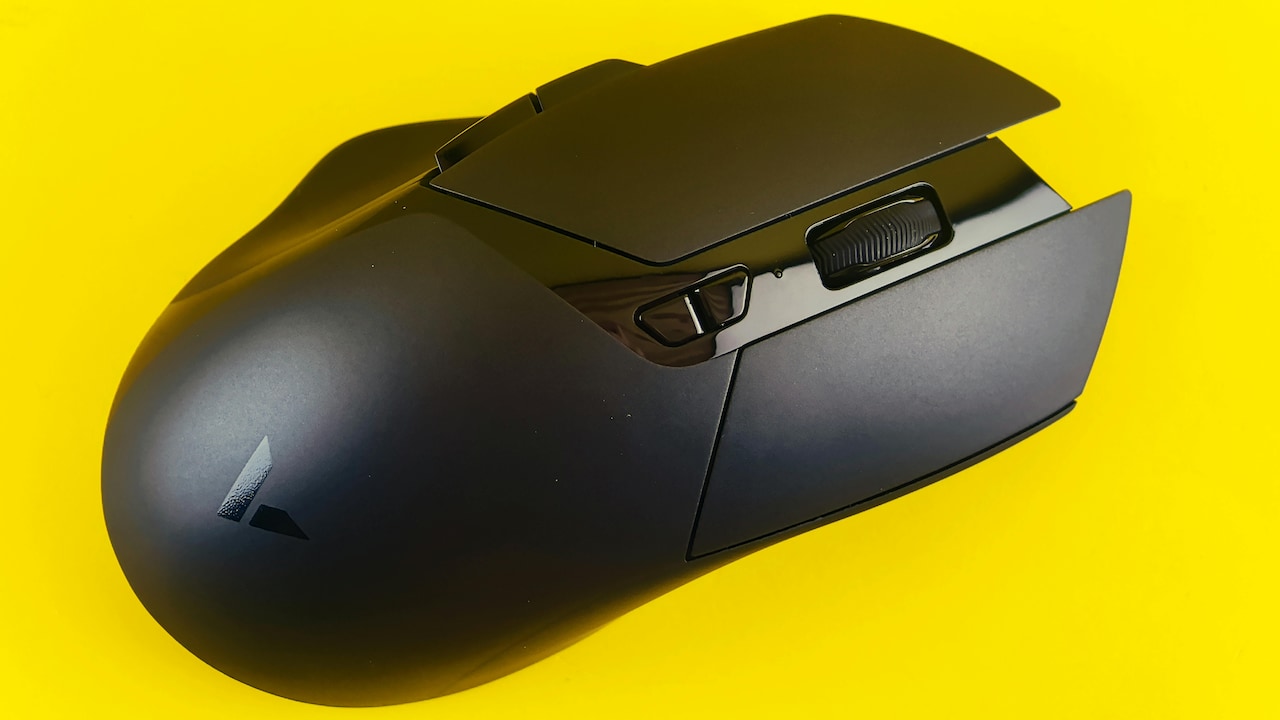
Wired vs. Wireless Gaming Mouse: Which Has Lower Lag?; Photo Credit: Pexels
Cost, Value, And Long-Term Investment
Price influences gaming decisions as much as performance. Wired mice generally cost less because they avoid complex wireless components and batteries. Entry-level gamers often find excellent wired options under ₹3,000 that deliver reliable performance.
Wireless models typically sit at higher price points, often ranging between ₹6,000 and ₹14,000 for premium variants. That gap raises an important question: Does freedom from cables justify the additional expense?
Value depends on usage patterns. Gamers who play casually on weekends may prefer affordable wired reliability. Enthusiasts who spend hours daily might appreciate wireless comfort enough to consider it a worthwhile investment.
Maintenance costs also differ slightly. Batteries degrade over several years, although modern designs last long enough that most users upgrade before noticing a major decline.
Another hidden value lies in versatility. Wireless mice double as productivity tools for work setups, presentations, or travel without tangled cables. For many users, that flexibility adds practical benefits beyond gaming alone.
Choosing between wired and wireless often reflects lifestyle rather than raw performance metrics.
Comfort, Desk Setup, And Everyday Experience
Technical discussions sometimes ignore how a mouse actually feels during everyday use. Comfort shapes performance more than specifications printed on a box. A mouse becomes an extension of the hand, influencing posture, fatigue, and confidence.
Wireless mice shine in minimalist setups. Clean desks improve focus and create space for large mousepads, which many gamers prefer for smooth aiming. The absence of cable drag makes movements feel effortless, almost like skating across ice.
Wired mice still appeal to players who enjoy permanence. Plug in once and forget about it. No charging schedules interrupt routines, and setups remain predictable.
Desk size also affects choice. Smaller desks may benefit from wireless flexibility, while larger gaming stations easily accommodate cable management systems.
Environmental factors matter too. Humid weather can increase friction on surfaces, making cable resistance slightly more noticeable. Small details like these influence long gaming sessions more than expected.
Ultimately, comfort transforms technical performance into real-world enjoyment, reminding gamers that equipment should support play rather than demand constant attention.
Future Trends In Gaming Mouse Technology
Gaming technology rarely stands still. Manufacturers continue pushing boundaries, chasing faster response times and lighter designs. Hybrid connectivity already allows instant switching between wired and wireless modes, blending reliability with freedom.
Sensor accuracy keeps improving, reducing jitter and enhancing tracking precision across different surfaces. Artificial intelligence may soon optimise performance dynamically, adjusting sensitivity based on gameplay behaviour.
Battery innovation remains a major focus. Future mice could run for months on a single charge or draw power wirelessly from specialised mousepads. Such developments would erase one of the last perceived weaknesses of wireless devices.
Cloud-based software ecosystems also influence gaming gear. Profiles sync automatically across systems, allowing players to carry settings anywhere without manual configuration.
As technology advances, the wired versus wireless debate may gradually fade. The conversation will likely shift toward ergonomics, sustainability, and personal customisation rather than latency alone.
The future suggests choice rather than rivalry, giving gamers freedom to prioritise what matters most to their playstyle.
Products Related To This Article
1. ZEBRONICS-Transformer-M with a High-Performance Gold-Plated USB Mouse: 6 Buttons
2. Logitech G502 Lightspeed Wireless Gaming Mouse
3. Ant Esports Virtus100 Wired RGB Gaming Mouse
4. HyperX Pulsefire Fuse Dual Wireless Connection RGB Gaming Mouse
5. EvoFox Starter Series Spectre USB Wired Gaming Mouse with Upto 3600 DPI Gaming Sensor
The question of whether wired or wireless gaming mice have lower lag once carried a simple answer. Wired models dominated because technology limited wireless performance. Today, the landscape looks far more balanced.
Modern wireless gaming mice achieve latency levels nearly indistinguishable from wired alternatives. For most players, differences remain invisible during real gameplay. Sensor quality, comfort, and overall design influence performance far more than connection type.
Wired mice still offer affordability, simplicity, and unwavering reliability. Wireless models provide freedom, cleaner setups, and surprising technological maturity. Neither option stands universally superior.
Choosing the right mouse, therefore, becomes a personal decision shaped by budget, gaming habits, and desk environment. Some gamers value the certainty of a cable. Others embrace wireless mobility and never look back.
Lag no longer defines the debate. Experience does. The best gaming mouse feels natural, responds instantly, and disappears from conscious thought during play. When equipment fades into the background, gaming becomes what it should always be: smooth, immersive, and deeply satisfying.
(Disclaimer: This article may include references to or features of products and services made available through affiliate marketing campaigns. NDTV Convergence Limited (“NDTV”) strives to maintain editorial independence while participating in such campaigns. NDTV does not assume responsibility for the performance or claims of any featured products or services.)