Why Electric Tiffins Leak And How To Prevent It
Electric tiffins are convenient, but leaks can turn lunch into a mess. From faulty seals to overfilling, discover why electric tiffins leak and simple, practical ways to prevent spills and keep your meals secure.
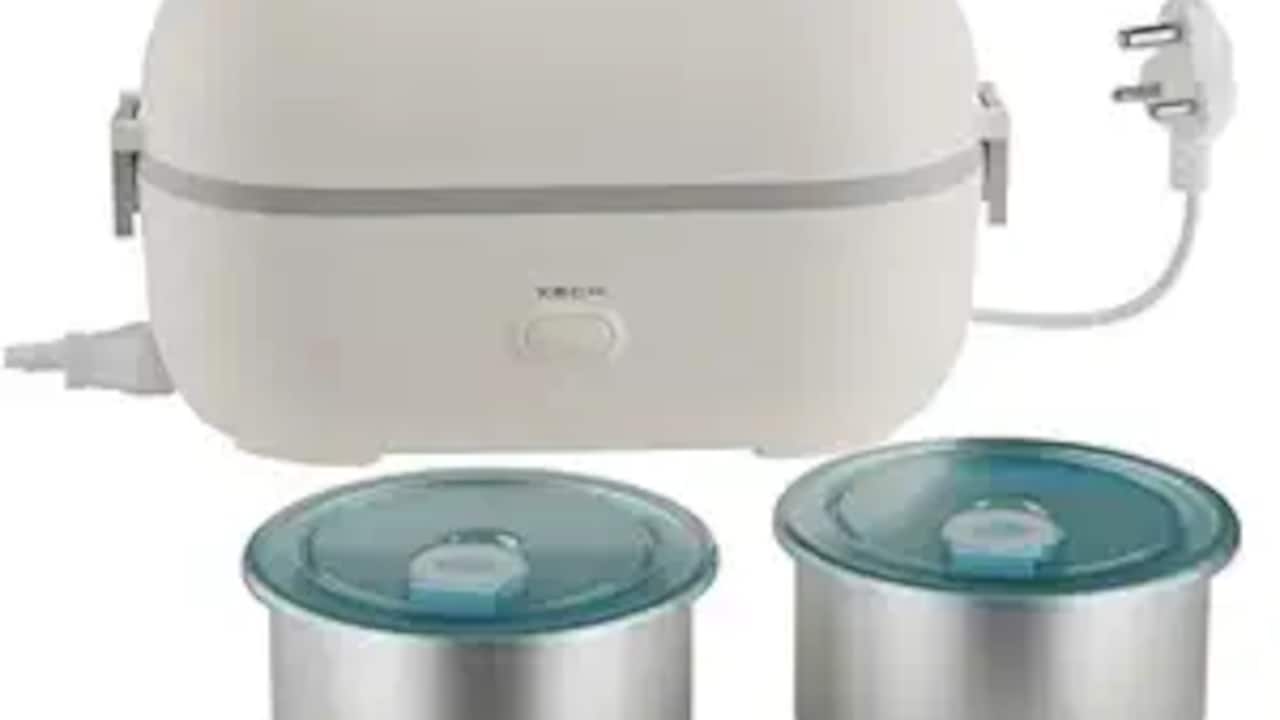
How To Stop Electric Tiffin Leaks: Here Are The Top Causes, Prevention Tips And Maintenance Guide.
A hot, home-packed lunch carries more than flavour. It carries comfort. From lemon rice packed at dawn to leftover paneer masala reheated at work, electric tiffins have changed how people eat during busy days. They save money, reduce dependency on takeaways, and keep food warm without hunting for a microwave. Many cost between ₹800 and ₹2,500, which feels like a small price for daily comfort.
Yet the joy fades quickly when dal seeps into the bag. One small leak can stain files, soak chargers, and leave a lingering smell that no room freshener can fix. The issue often lies not in the brand but in habits, maintenance, or small oversights.
Understanding why electric tiffins leak makes prevention easy. A few simple changes can protect meals, bags, and moods. The following sections break down the most common reasons behind leaks and share practical ways to prevent them.
How To Stop Electric Tiffin Leaks: Causes, Prevention Tips And Maintenance Guide
Photo Credit: Amazon
Common Reasons Electric Tiffins Start Leaking
Poor Quality Silicone Seals
Most electric tiffins rely on silicone rings to create an airtight seal. When that ring fails, leakage begins. Some budget models use thin or poorly fitted silicone that warps after a few weeks of heat exposure. Once the seal loses shape, steam escapes and liquids follow.
Regular washing with harsh detergents can also dry out the ring. Over time, it becomes brittle and cracks slightly. Those tiny cracks allow curry to slip through, especially during travel on bumpy roads.
Checking the seal every week makes a big difference. Remove it gently, wash it with mild soap, and dry it completely before placing it back. If the ring looks stretched or damaged, replace it immediately. Many local service centres sell spare rings for ₹100 to ₹200. Spending a little now prevents a bigger mess later. Choosing a model with thicker, food-grade silicone also ensures better durability and tighter closure.
Overfilling The Containers
A tiffin filled to the brim may look generous, but it invites trouble. When food touches the lid directly, heat builds pressure inside. Steam needs space to circulate. Without that space, it pushes against the lid and forces liquid out.
Gravy-based dishes cause more problems than dry sabzis. Rajma, sambhar, or kadhi expand slightly when heated. That expansion increases internal pressure and weakens the seal. Even a small tilt in a backpack can then lead to leakage.
Leaving at least one centimetre of space at the top allows food to expand safely. Packing thick gravies instead of watery curries also reduces the risk. If lunch includes both rice and dal, consider carrying them in separate compartments rather than stacking everything in one large container. A balanced fill keeps the tiffin secure and the bag clean.
Loose Or Misaligned Lids
Many leaks happen simply because the lid does not sit properly. In the rush of morning chores, the lid may appear closed but actually rests slightly off-centre. Electric tiffins need precise alignment for the seal to work.
Plastic lids sometimes warp when exposed to repeated heat cycles. Even a slight bend prevents tight closure. Users often blame the brand, yet the issue lies in daily handling. Forcing the lid shut or snapping it aggressively can damage the locking clips.
Taking a few extra seconds to press evenly around the lid ensures proper sealing. Listen for a firm click. If clips feel loose, stop using that container for liquids. For warped lids, replacement works better than adjustment. Treating the lid gently extends its life and reduces leakage significantly.
Worn Out Locking Mechanisms
Clips and side locks keep the container tight. Over time, these small parts lose strength. Plastic weakens after repeated opening and closing. Once the locking tension drops, the lid lifts slightly during heating.
Travel adds another layer of stress. Buses, bikes, and local trains create constant vibration. Weak clips cannot withstand that movement, especially with liquid inside. The result often shows up as oily patches on notebooks or laptop sleeves.
Inspect the locking system regularly. If it feels too easy to close or open, it may not hold properly. Some manufacturers provide spare clips at a low cost. Investing ₹150 in replacements saves expensive electronics from damage. Handling locks gently and avoiding over-stretching them also increases durability.
Improper Heating Practices
Electric tiffins heat food gradually. Many users plug them in for longer than recommended, thinking extra heat improves taste. Excess heating creates excess steam. Steam builds pressure inside the sealed box and pushes liquid outward.
Each model comes with a recommended heating time, usually between 20 and 40 minutes. Ignoring these guidelines increases leakage risk. Heating extremely watery food also creates more steam.
Following the instruction manual carefully reduces stress on seals and lids. If food needs reheating for longer, allow short cooling breaks. Avoid adding extra water before heating. Controlled heating keeps both flavour and structure intact.
Damaged Or Cracked Containers
Hairline cracks often escape notice. A tiny crack at the bottom or side can leak only when the container heats up. Plastic expands slightly under heat, widening small cracks temporarily. Once cooling begins, the crack shrinks again, making detection difficult.
Dropping the tiffin even once can cause invisible structural damage. Carrying it in tightly packed bags may also create pressure points that weaken plastic.
Inspect containers under bright light regularly. If any crack appears, replace the container immediately. Continuing to use a damaged box risks leakage and food contamination. Spending ₹300 on a new container beats replacing stained office bags or important documents.
Transporting In The Wrong Position
Electric tiffins work best when kept upright. Tilting them sideways for long periods increases pressure on one side of the seal. Even the best lids struggle under constant sideways pressure.
Many people toss the tiffin into backpacks without checking orientation. During commutes, sharp turns and sudden brakes worsen the tilt.
Keeping the tiffin upright in a dedicated lunch compartment reduces movement. Some insulated carry bags include stabilising straps that hold containers steady. A small adjustment in packing style can prevent repeated leaks.
Using Thin Or Watery Gravies
Certain dishes naturally leak more than others. Thin rasam or watery sambhar flows easily through small gaps. Even minor sealing issues become major problems with very fluid meals.
Thickening gravies slightly helps. Adding less water while cooking or allowing dishes to simmer longer creates a thicker consistency. Thick food resists movement and reduces leakage risk.
Choosing meals wisely also matters. Dry sabzis, stuffed parathas, idlis, or poha travel better in electric tiffins. Saving very watery dishes for home consumption prevents unnecessary stress on containers.
Lack Of Regular Maintenance
Many users treat electric tiffins as simple lunch boxes. Yet these devices include heating elements and electrical wiring. Moisture build-up around joints can weaken structural integrity over time.
Food particles trapped near seals reduce the tight closure. Oil accumulation also affects the grip between the lid and the container. Regular deep cleaning keeps every part functioning properly.
Once a week, clean every removable component separately. Dry thoroughly before reassembling. Avoid immersing the heating base in water. Careful maintenance not only prevents leaks but also extends the appliance's life beyond three or four years.
Choosing The Wrong Model For Your Needs
Not all electric tiffins suit every lifestyle. Some models work better for dry meals. Others handle gravies with double seals and stronger locks. Buying solely based on price often leads to disappointment.
Before purchasing, check capacity, seal quality, and user reviews. Spending ₹1,500 on a reliable model with strong locking clips may prove more economical than replacing a cheaper ₹900 model every year.
Consider the daily routine as well. Long bike rides require sturdier locks. Office use with minimal travel allows simpler models. Matching the product to real needs reduces leakage dramatically and improves overall satisfaction.
How To Stop Electric Tiffin Leaks: Causes, Prevention Tips And Maintenance Guide
Photo Credit: Amazon
Products Related To This Article
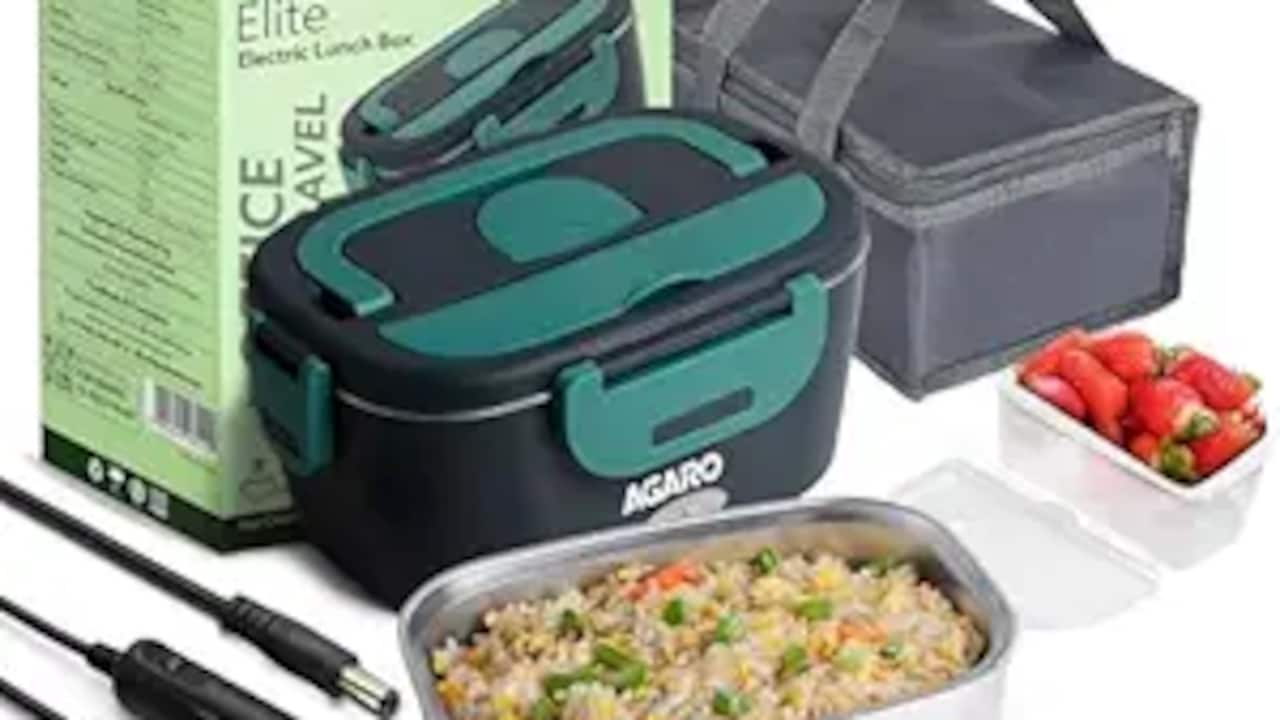
1. AGARO Elite Electric Lunch Box, 1.5L Food Heater for Daily Office Use & Travel
2. MILTON Electron Portable Electric Lunch Box
3. Lifelong Electric Lunch Box
4. Jaypee Plus Hottline 3-320X3 ml Stainless Steel Electric Lunch Box for Men
5. Xech Electric Lunch Box for Office & Travel
Electric tiffins offer comfort in busy lives. Warm food at lunchtime lifts spirits and saves money. Yet leaks can turn that comfort into frustration within seconds. Most leakage problems stem from simple factors: worn seals, overfilling, poor maintenance, or incorrect handling.
Small habits make a large difference. Leaving space inside containers, checking seals regularly, heating food for the right duration, and choosing thicker gravies all protect against messy accidents. Replacing damaged parts promptly costs far less than repairing stained bags or damaged gadgets.
With proper care, an electric tiffin becomes a reliable companion for years. It keeps meals warm, preserves flavours, and ensures that lunchtime remains the best part of a long day rather than a source of sticky regret.
(Disclaimer: This article may include references to or features of products and services made available through affiliate marketing campaigns. NDTV Convergence Limited (“NDTV”) strives to maintain editorial independence while participating in such campaigns. NDTV does not assume responsibility for the performance or claims of any featured products or services.)