Speaker Watt Myths Debunked: What Affects Loudness And How Much You Will Notice
Do more watts mean more volume? Not quite. Discover what really affects speaker loudness, why wattage can mislead, and how much difference you’ll actually hear before spending ₹10,000 extra on bigger numbers.
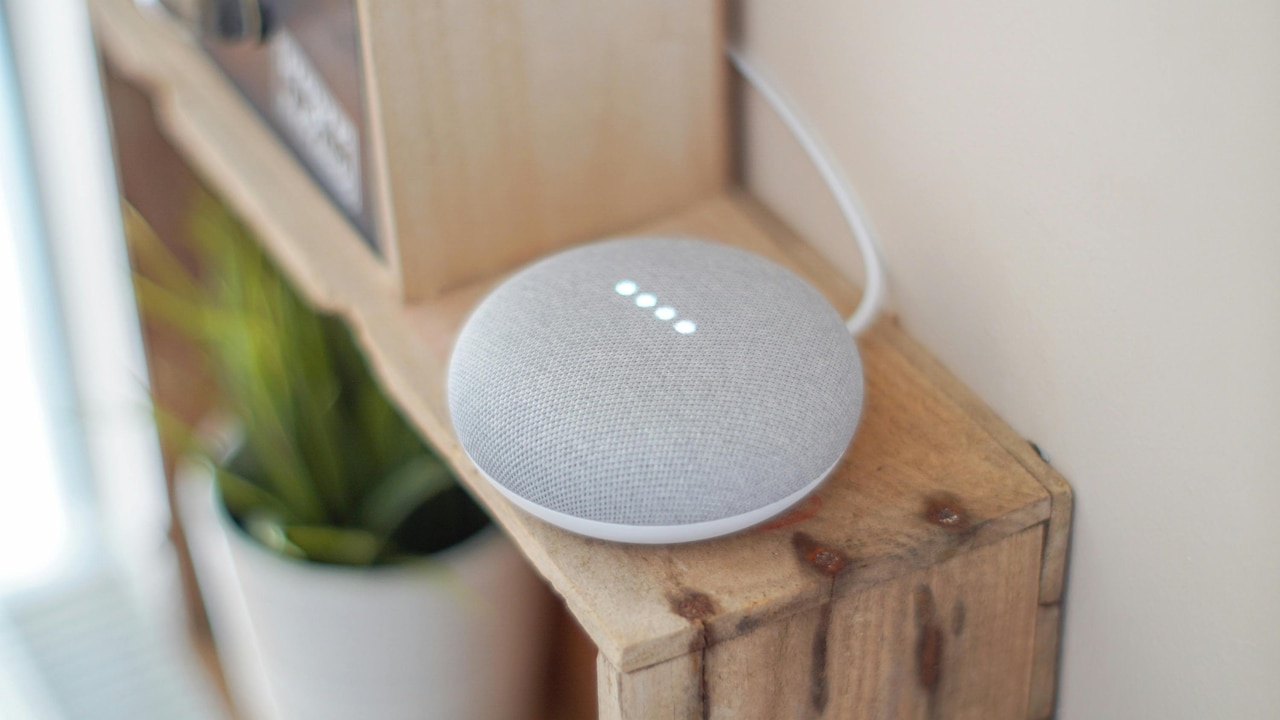
Speaker Wattage Myths: Know What Really Affects Loudness Before You Spend ₹10,000 Or More.
Walk into any electronics store, and the pattern repeats itself. Bright boxes scream 200W, 500W, 1000W in bold fonts. Sales staff nudge customers towards higher numbers. Friends recommend “more watts” for weddings, birthdays, or just Sunday cricket screenings. The assumption feels natural: more watts must mean more volume.
Yet the truth hides behind a little science and a lot of marketing drama.
Watts measure power. Loudness depends on far more than that single figure. Speaker sensitivity, room acoustics, placement, and even the type of music play equally powerful roles. Two speakers with identical watt ratings can sound completely different. One may fill a hall with ease, while the other struggles in a modest drawing room.
This article unpacks the most common myths about speaker wattage. Expect plain explanations, relatable examples, and practical advice that actually helps when choosing a sound system for a flat, bungalow, café or college fest. More watts can matter. But not in the way most people think.

Speaker Wattage Explained: Do More Watts Really Mean Louder Sound?
Photo Credit: Pexels
The Truth Behind Speaker Loudness: 10 Myths And Realities Explained
More Watts Always Mean More Loudness
The biggest myth refuses to fade: double the watts equals double the volume. It sounds logical, but sound does not behave that way.
Loudness follows a logarithmic scale. To sound twice as loud to human ears, a speaker needs roughly ten times more power, not double. A 100W speaker does not sound twice as loud as a 50W one. The difference often feels modest.
Imagine two Bluetooth speakers at a house party. One claims 60W and the other 120W. On paper, the second looks like a powerhouse. In reality, the audible difference may feel smaller than expected. The room size, the music source, and speaker efficiency could overshadow that extra wattage.
Many buyers spend an extra ₹5,000 chasing higher numbers, expecting dramatic improvement. They often walk away wondering why the change feels underwhelming.
Watts do influence potential loudness. But they form only one piece of a much larger puzzle.
Speaker Sensitivity Matters More Than You Think
Sensitivity rarely appears in bold print on packaging. Yet it often shapes loudness more than wattage.
Measured in decibels per watt per metre, sensitivity tells how efficiently a speaker converts power into sound. A speaker with 90 dB sensitivity will sound louder than one rated at 84 dB, even if both receive the same power.
That six-decibel difference might not look dramatic. In practice, it feels significant. A high-sensitivity speaker can produce strong sound without demanding huge power from the amplifier.
Consider two bookshelf speakers connected to the same 50W amplifier. The one with higher sensitivity may comfortably fill a medium-sized hall. The other might struggle and distort when pushed.
This explains why some compact speakers surprise listeners with their punch, while bulkier models disappoint. Instead of focusing only on watts, checking sensitivity can prevent regret later.
Efficiency shapes experience. Power alone does not guarantee performance.
Room Size Changes Everything
A small bedroom and an open terrace treat sound very differently.
In compact rooms, sound waves bounce off walls, ceilings and furniture. This reflection boosts perceived loudness. Even a modest 40W system can feel powerful in such a space.
Move the same speaker outdoors, and the magic fades. Sound escapes freely into the open air. Without walls to reinforce it, volume drops noticeably. Suddenly, that “loud” system struggles to energise a birthday gathering.
Room dimensions also affect bass. Low frequencies build up in enclosed spaces, sometimes creating booming corners. In larger halls, bass may feel thinner unless the system includes a capable subwoofer.
Before buying a high-watt speaker for ₹15,000, think about where it will live. A city apartment rarely needs nightclub-level output. A farmhouse party may demand something stronger.
Matching speaker capability to room size saves money and avoids unnecessary excess.
Amplifier Quality Beats Raw Power
A powerful amplifier does not guarantee clean sound. Quality matters more than muscle.
An amplifier drives the speaker. If it produces distortion at higher levels, even a 500W rating cannot rescue clarity. Cheap amplifiers often exaggerate watt numbers while delivering muddy output.
Clean power ensures that music retains detail when volume rises. Vocals stay crisp. Drums punch instead of blur. A well-designed 80W amplifier can outperform a poorly built 200W unit.
Many budget home theatre packages advertise eye-catching watt figures. Yet when tested, they distort at moderate levels. Meanwhile, premium systems with lower advertised power maintain composure under pressure.
Choosing reliable amplification prevents disappointment. It also protects speakers from damage caused by clipping and distortion.
In short, power ratings tell only part of the story. Sound quality depends heavily on how that power gets delivered.
Distortion Limits Real-World Loudness
Theoretically, a speaker may handle 300W. In reality, distortion often appears long before reaching that limit.
When pushed too hard, speakers produce harsh, crackling sounds. Bass loses control. High frequencies become piercing. At that point, increasing volume adds discomfort rather than impact.
Many party hosts have experienced this moment. Music starts strong. Guests request more volume. Suddenly, the sound turns shrill and tiring.
Manufacturers sometimes quote peak power ratings. These reflect short bursts, not sustained performance. Continuous power handling offers a more honest picture.
Understanding this difference prevents unrealistic expectations. A speaker rated at 1000W peak may safely handle far less in everyday use.
True loudness combines clean output and control. Distorted sound may measure louder on paper, yet it rarely feels enjoyable.
Speaker Placement Makes A Noticeable Difference
Placement shapes perception more than many realise.
Positioning speakers near walls can increase bass due to boundary reinforcement. Placing them in corners boosts low frequencies even further. While this can create fuller sound, it may also cause boominess.
Height matters too. Tweeters should sit close to ear level for clear vocals and detailed highs. If placed too low or hidden inside cabinets, clarity suffers.
Spacing between speakers influences stereo imaging. Too close together, and the sound feels narrow. Too far apart, and the centre image weakens.
Even a ₹20,000 system can disappoint when placed poorly. On the other hand, careful positioning can elevate a modest setup.
Before upgrading wattage, experiment with layout. Small adjustments often deliver surprising improvements without spending a single rupee.
Bass Feels Louder Than It Measures
Low frequencies carry emotional weight. They create physical sensation. They energise gatherings.
Interestingly, bass-heavy systems often feel louder, even if decibel readings remain similar. Human ears perceive midrange frequencies more easily, yet bass creates the impression of power.
This explains why systems with strong subwoofers impress listeners quickly. The chest-thumping effect gives an illusion of higher volume.
However, boosting bass excessively can mask vocals and instruments. Balance matters. Good systems distribute energy evenly across frequencies.
Some buyers chase large subwoofers, thinking they equal volume. They may end up with overwhelming low-end rumble and unclear mids.
Understanding this balance helps in making wiser decisions. Loudness involves perception as much as measurement.
Music Type Influences Perceived Volume
Not all music behaves the same way.
A classical track with a wide dynamic range shifts between soft and loud passages. Even at higher settings, it may feel moderate because quiet sections remain gentle.
In contrast, compressed pop or electronic tracks maintain consistent intensity. They feel louder at lower volume settings.
At festive gatherings, dance tracks often dominate because they sustain energy. Meanwhile, acoustic songs may struggle to cut through chatter.
Therefore, judging speaker loudness using one genre can be misleading. Testing with varied tracks reveals more accurate performance.
Those planning to host karaoke nights, movie screenings, or devotional mornings should consider typical usage. The right system for one scenario may not suit another.
Volume perception links closely to content. Watts alone cannot predict that experience.
Speaker Wattage Explained: Do More Watts Really Mean Louder Sound?
Photo Credit: Pexels
Bigger Speakers Do Not Always Win
Large cabinets suggest authority. Yet size does not automatically guarantee superior loudness.
Well-engineered compact speakers can outperform bulky systems with poor design. Advances in driver technology and cabinet tuning have allowed smaller units to deliver impressive output.
Portability also matters. Massive speakers may suit banquet halls, but feel impractical in apartments.
Visual appeal often influences buying decisions. Tower speakers look impressive in showrooms. However, if space remains limited, they may overwhelm both the room and the neighbours.
Practicality should guide choice. A balanced system that fits comfortably into a living space often provides more satisfaction than oversized equipment that rarely operates at full capacity.
Smart selection considers design, engineering and lifestyle rather than sheer physical presence.
The Decibel Scale Explains The Real Difference
Understanding decibels clears much confusion.
The decibel scale measures sound intensity logarithmically. A 3 dB increase represents a noticeable but small change. A 10 dB increase roughly doubles perceived loudness.
Therefore, chasing small watt increases may produce minimal audible difference. Doubling power raises sound by about 3 dB. That change rarely transforms experience dramatically.
Recognising this helps manage expectations. Instead of seeking extreme watt ratings, aiming for balanced performance often proves wiser.
For everyday listening in homes, levels above 85 dB for extended periods may harm hearing. Extreme loudness rarely serves practical needs.
Knowledge empowers better decisions. Numbers on packaging become easier to interpret once the decibel concept makes sense.
Products Related To This Article
1. Sonos Era 100 | Smart Speaker with WiFi, Bluetooth, Amazon Alexa
2. ZEBRONICS Astra 35, Portable Bluetooth Speaker, 16 Watts
3. Boat Stone 352 Pro/Stone 358 Pro w/ 14W Signature Sound
4. pTron Fusion Beats 48W Bluetooth Party Speaker w/Immersive Sound
5. Portronics SoundDrum 1 12W TWS Portable Bluetooth Speaker with Powerful Bass
Speaker wattage has enjoyed celebrity status for decades. Bold numbers promise thrilling volume and party-ready energy. Yet loudness depends on far more than raw power.
Sensitivity determines efficiency. Room size shapes reinforcement. Amplifier quality influences clarity. Placement alters balance. Music type affects perception. Distortion limits usable output. Even the decibel scale reminds that small numerical jumps rarely equal dramatic sonic leaps.
For music lovers browsing electronics markets or online sales offering “mega sound” deals at ₹12,999, this understanding brings confidence. Instead of chasing inflated figures, focus can shift towards matching speakers to space, usage and taste.
Great sound does not demand the highest watt rating. It demands thoughtful pairing and realistic expectations.
Next time someone boasts about a 1000W monster shaking the neighbourhood, a gentle smile may follow. Because louder on paper does not always mean louder in life.
(Disclaimer: This article may include references to or features of products and services made available through affiliate marketing campaigns. NDTV Convergence Limited (“NDTV”) strives to maintain editorial independence while participating in such campaigns. NDTV does not assume responsibility for the performance or claims of any featured products or services.)