10 Casual Shirt Fit Rules Every Man Should Know For A Sharper Look
Best casual shirt fit rules: Transform any casual shirt with simple tweaks - no extra cost needed. Check out these top 10 expert fit tips that make your shirts look sharper and more stylish than color alone ever can.

Casual Shirts Dont Have To Look Sloppy: Fit Rules That Make a Bigger Difference Than Colour.
A casual shirt often feels like the most effortless piece in a wardrobe, yet it's also the easiest one to get wrong. Many people focus on colours, checks, stripes or quirky prints, hoping they'll add personality. A shirt that fits well can elevate even the simplest fabric, while a poorly fitted one can make a pricey piece look limp and careless. These casual shirt fit rules aren't reserved for luxury brands or tailored outfits. They work just as well for daily wear, whether it's a cotton shirt for office Fridays, a linen number for a humid day, or a breezy half-sleeve for an easy evening out. With the right tweaks, every casual shirt can look sharper without adding a single rupee to your shopping budget. Here are 10 casual shirt fit rules that make a bigger difference than colour ever could.

10 Casual Shirt Fit Rules Every Man Should Know For A Sharper Look
Photo Credit: Pexels
Small Tweaks That Make Casual Shirts Look Instantly Sharper
1. The Shoulder Line Is Your First Fit Test
The shoulder seam decides whether a shirt looks structured or sloppy. When a seam sits exactly where the shoulder bone ends, the shirt hangs cleanly. If it droops lower, the entire shirt appears oversized in an unflattering way. When seams sit too high, the fabric pulls and creates awkward folds.
Shops often tempt buyers with trendy colours or attractive prints, but a quick look at the shoulders reveals the truth. Many people pick a size hoping it will “settle” after a few washes, but cotton and linen don't magically adjust. A proper shoulder fit brings calmness to the silhouette, as if the shirt were made with actual intention.
Even affordable shirts under ₹1,000 look better when the shoulder line is right. Think of it as the foundation of a building; without a good base, no styling trick can rescue the rest.
2. The Collar Should Frame the Neck, Not Fight It
Casual shirts come with relaxed collars, but relaxed doesn't mean shapeless. A collar that collapses or flares awkwardly can make a shirt look decades older. When the collar gently sits around the neck without squeezing or gaping, it elevates even the most basic fabric.
The right collar fit gives a face a pleasing frame, especially in photos. Anyone who has stood under harsh sun for a group picture knows how a limp collar can look like it's melting. On the other hand, a crisp, well-fitted collar hints at quiet confidence, even on a humid day.
Collar size also affects comfort; a tight collar restricts movement, while a loose one looks careless. Finding that balanced middle ground is one of the easiest upgrades, no extra cost, just better awareness.
3. Sleeve Length Shapes Your Entire Silhouette
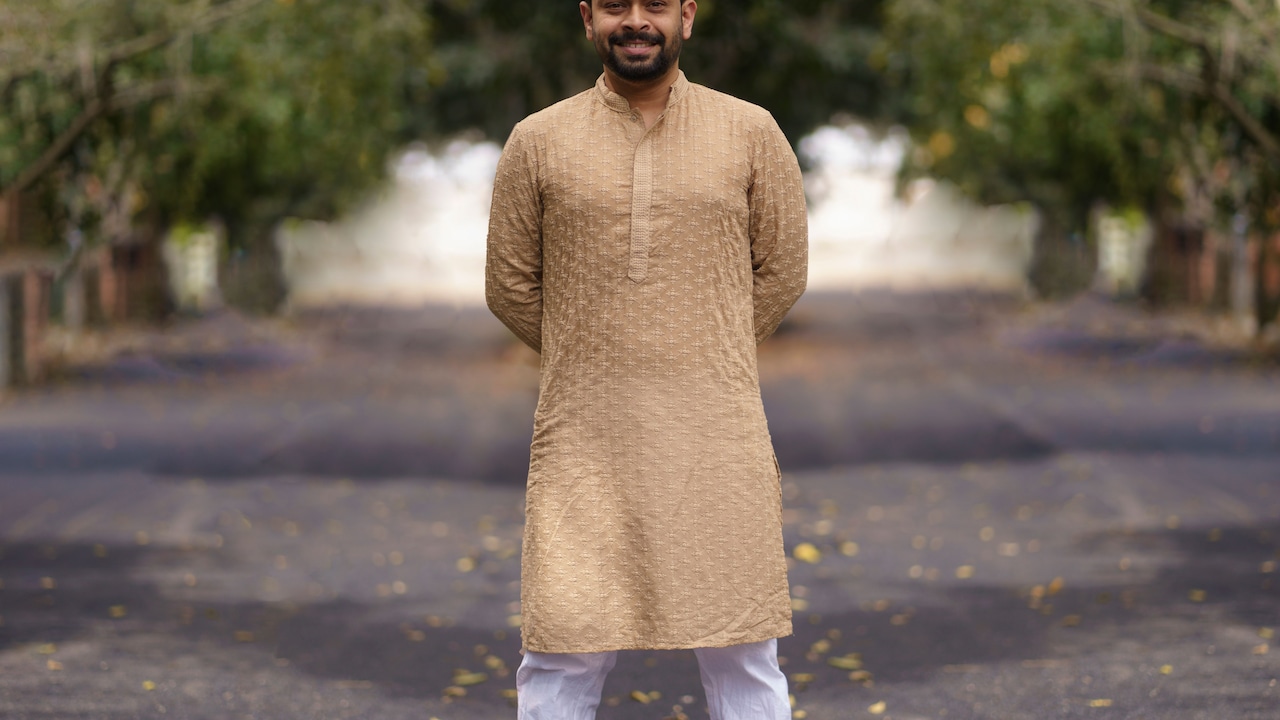
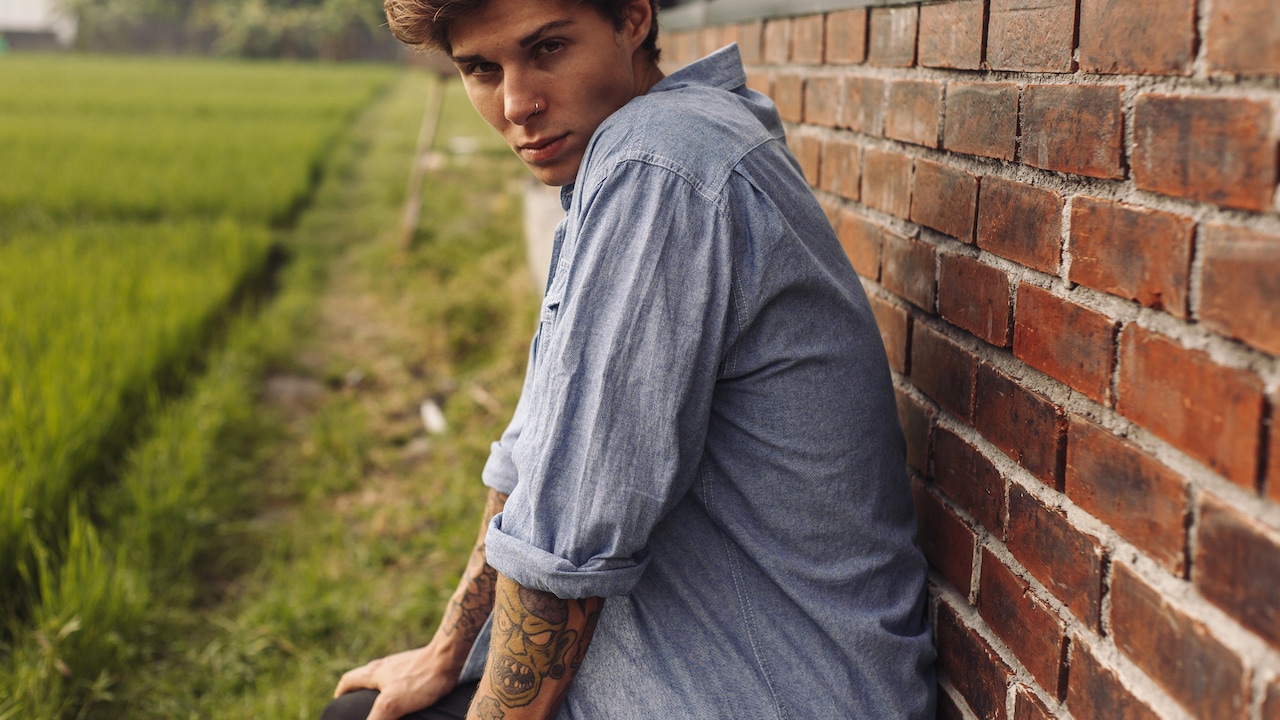
Sleeve length decides whether your upper body looks proportionate. For full sleeves, the cuff should rest at the wrist bone without hanging onto the palms. Anything longer starts to bunch up, giving the impression you borrowed someone else's shirt.
With half-sleeves, the ideal length ends halfway between the houlder and the elbow. When sleeves fall too long, they widen the arms unnecessarily. When too short, they create a boxy appearance. Adjusting sleeve length is one of the simplest tailoring fixes and usually costs barely ₹100–₹150.
Well-fitted sleeves create clean lines, making the torso appear sharper. It's a detail many overlook, but once corrected, the entire outfit suddenly feels more balanced.
4. The Chest Area Should Allow Movement Without Excess Fabric
A common mistake is buying shirts based on colour rather than chest fit. Too tight, and buttons strain, never a good look. Too loose, and the shirt balloons around the torso, especially when sitting or walking outdoors in the breeze.
A good fit allows two or three fingers of space between the chest and the shirt when standing comfortably. This keeps the shirt breathable while avoiding the parachute effect. It also helps prints and patterns fall neatly instead of distorting.
A balanced chest fit gives a shirt gentle structure. Even budget fabrics look more expensive when the shirt follows the natural lines of the body rather than swallowing it whole.
Also Read: WROGN Sale On Myntra EORS: Minimum 50% Off On Shirts, Cargos, Polos And More
5. The Torso Fit Should Skim, Not Cling
Some shirts hug the midsection, others hang like curtains. The goal lies in the middle, a clean skim. When the fabric follows the torso without clinging, the shirt remains comfortable while looking refined.
Many people choose a larger size, thinking it will hide the tummy, but extra fabric actually draws more attention by puffing out at the sides. On the other hand, a tight shirt clings to the stomach, making movement uncomfortable.
A well-balanced torso fit flatters every body type. It helps the shirt stay tucked when needed and fall gracefully when worn untucked. The difference is small but striking, the kind of improvement that makes someone look polished even on a regular weekday.

10 Casual Shirt Fit Rules Every Man Should Know For A Sharper Look
Photo Credit: Pexels
6. Length Matters More Than People Realise
Shirt length influences how neat an outfit looks, especially when worn untucked. An ideal length should end around mid-zip when standing. Anything longer looks like a nightshirt, and anything shorter risks revealing skin when raising the arms.
For taller people, short shirts ride up and create constant discomfort. For shorter people, long shirts make the legs look shorter. Length also affects layering; a shirt that peeks too much from under a jacket breaks the visual harmony.
A quick mirror test solves this: raise both arms slightly. If the shirt stays just below the waistband, the length is right. This tiny detail instantly separates well-dressed outfits from the rest.
7. Fabric Weight Influences Fit More Than Print
Lightweight fabrics drape differently from thicker ones. A flimsy cotton may cling to the body in humid weather, while a heavier weave sits more firmly. Linen wrinkles easily, but still looks elegant when fitted right. Chambray and Oxford fabrics naturally offer more structure.
Many people fall for prints, florals, checks or stripes, without considering how the fabric behaves. A stunning design loses charm when the fabric collapses or clings awkwardly. Choosing the right fabric weight enhances fit, reduces sloppy wrinkles and ensures the shirt looks fresh throughout the day.
This awareness also prevents overspending. Instead of grabbing a trendy design, choosing the right fabric weight makes even neutral shirts look stylish.
8. The Armhole Size Should Balance Comfort and Shape
Armholes get ignored during shopping, yet they influence posture, movement and overall appearance. Low armholes create droopy shoulders and excess fabric under the arms, making the shirt look oversized. High armholes, if fitted correctly, give structure and allow free movement.
A proper armhole ensures the shirt doesn't pull when reaching for something or while commuting on a crowded metro. It also prevents sweat patches from spreading awkwardly because the fabric doesn't cling.
When the armhole fits well, the rest of the shirt falls more naturally. Even a simple, solid shirt starts to look intentional and well-crafted. It's a detail tailors understand deeply, and one quick alteration can transform the way a shirt feels.
9. Buttons and Placket Alignment Make a Big Visual Impact
Most people don't consider button spacing or placket alignment, yet they're noticeable at first glance. Crooked lines make the shirt appear cheap, no matter the colour or print. Proper alignment keeps the shirt centre balanced, especially when moving or sitting.
Well-positioned buttons prevent gaping around the chest and stomach, a common issue during celebrations or dinners when sitting for long periods. A clean placket creates symmetry, giving even casual outfits a neat finish.
This detail also affects how jackets or overshirts sit on top. When the placket lies flat, layering looks effortless. When it doesn't, the entire look feels untidy, even if every colour matches perfectly.
10. Hem Style Influences the Outfit's Mood
Casual shirts often come with curved or straight hems. A curved hem looks best when worn untucked, creating a relaxed yet tidy shape. A straight hem suits shirts designed to be worn outside the trousers, giving a clean, modern appearance.
The hem decides whether a shirt looks sharp or sloppy when untucked. A long, curved hem that extends too low pulls the eye downward, while a short, straight hem risks riding up. Choosing the right hem based on how the shirt is usually worn makes everyday dressing easier.
While colours and patterns change every season, a well-chosen hem length stays relevant. It's a small stylistic decision that adds quiet refinement without spending anything extra.
10 Casual Shirt Fit Rules Every Man Should Know For A Sharper Look
Photo Credit: Unsplash
Products Related To This Article
1. METRONAUT Men Regular Fit Solid Spread Collar Casual Shirt
2. U TURN Men Slim Fit Striped Spread Collar Casual Shirt
3. MastandHarbour Men Regular Fit Solid Casual Shirt
4. FUBAR Men Slim Fit Checkered Spread Collar Casual Shirt
5. THE BEAR HOUSE Men Slim Fit Checkered Button Down Collar Casual Shirt
6. TOUGHTEES Men Regular Fit Embroidered Spread Collar Casual Shirt
7. Dennis Lingo Men Slim Fit Solid Spread Collar Casual Shirt
A casual shirt doesn't need loud shades or extravagant prints to look great. Fit creates the real impact, those tiny decisions around shoulder seams, sleeve length, torso shape and hem style decide whether an outfit looks thoughtful or thrown together. These rules don't demand expensive tailoring or brand loyalty. They simply require awareness.
Once the fit is right, every shirt, whether it cost ₹600 or ₹6,000, looks stylish. And when a wardrobe works this well, choosing what to wear becomes easy, enjoyable and far less dependent on colour alone.
(Disclaimer: This article may include references to or features of products and services made available through affiliate marketing campaigns. NDTV Convergence Limited (“NDTV”) strives to maintain editorial independence while participating in such campaigns. NDTV does not assume responsibility for the performance or claims of any featured products or services.)