Are Anti-Theft Bags Actually Safer? Features That Help And Those That Do Not
Anti-theft bags can reduce theft risk, but not every feature is useful. Hidden zips, strong straps and secure pockets help, while flashy extras often add more hype than safety.
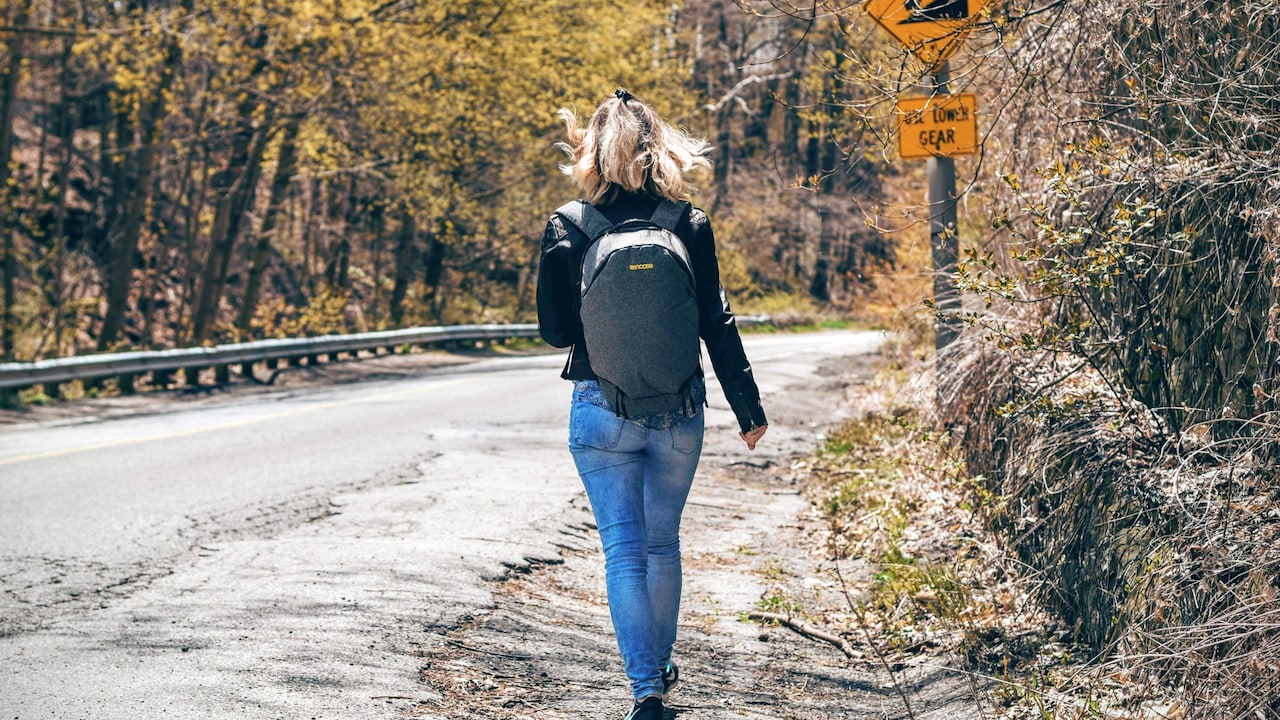
Anti-Theft Bags Explained: Useful Safety Features And Marketing Gimmicks
A good bag carries more than a wallet, phone, and office lunchbox. It carries the small trust that the day will move smoothly. That trust gets tested in a packed metro coach, a buzzing bazaar lane, a railway platform five minutes before departure, or a café where the chair next to you suddenly feels too far away. This is where anti-theft bags enter the scene, wearing their armour with quiet confidence. They promise hidden zips, cut-resistant panels, secret pockets, lockable compartments and straps that refuse to surrender. At first glance, they sound like the superhero version of an ordinary backpack. The question is simple: do they actually make life safer, or do they merely make buyers feel safer?
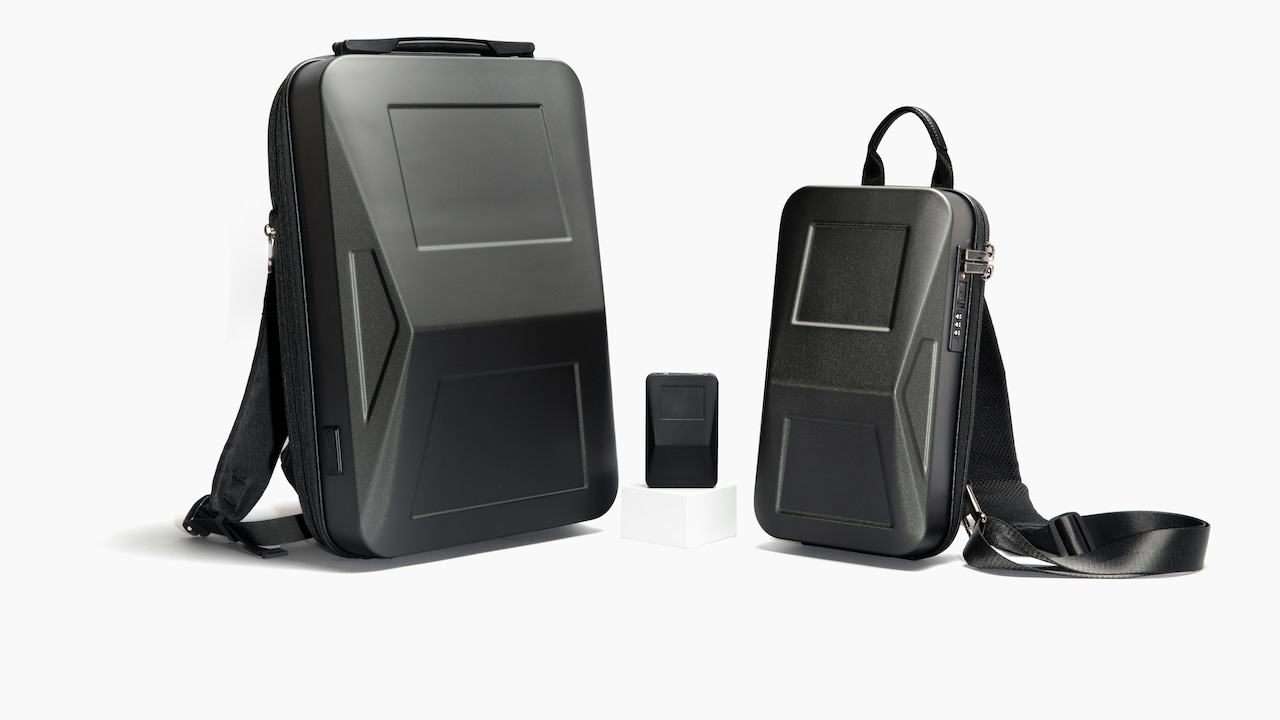
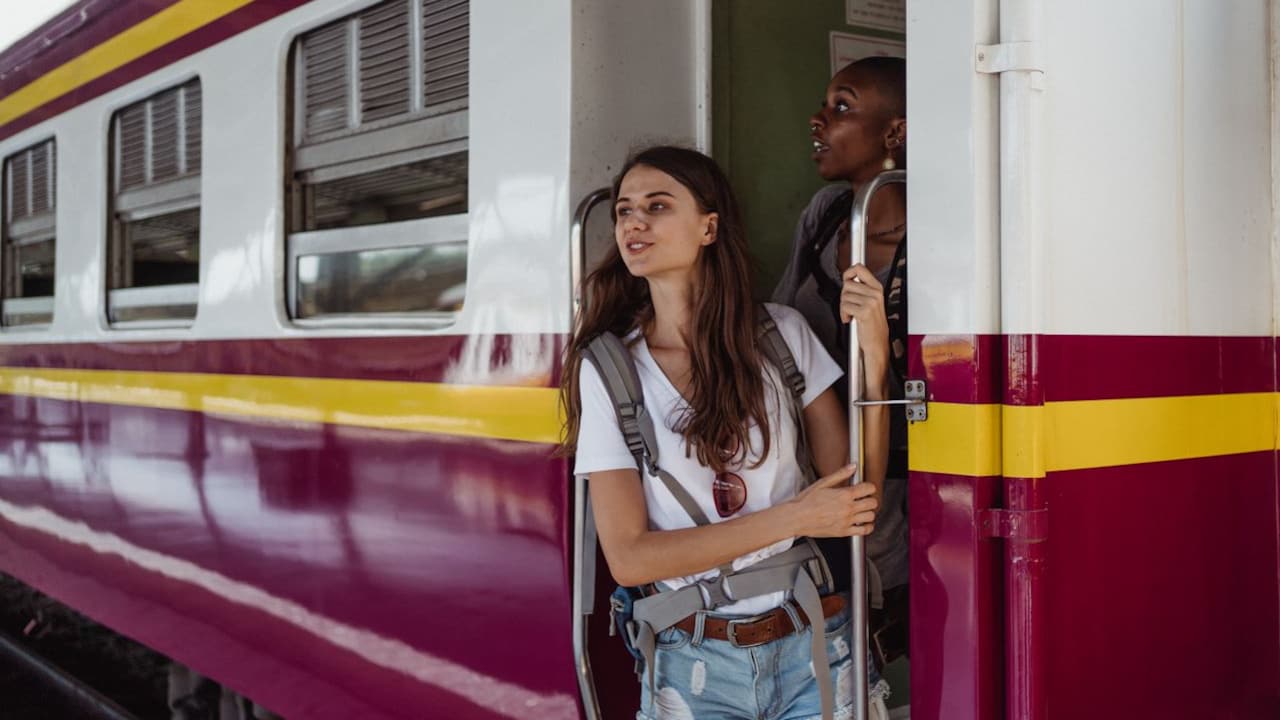
Anti-Theft Bags Explained: Useful Safety Features And Marketing Gimmicks; Photo Credit: Pexels
The honest answer sits somewhere in the middle. Anti-theft bags can reduce risk, especially against quick, opportunistic theft. They cannot defeat every thief, every trick, or every careless moment. A smart bag helps, but smart habits still matter. Think of it like a seat belt. It improves safety, yet nobody drives into chaos just to test it.
Features That Help And Features That Only Sound Smart
Hidden Zips That Actually Slow Down Sneaky Hands
Hidden zips can make a real difference, especially in crowded places where thieves depend on speed and distraction. A regular backpack often has exposed zips facing the world like an open invitation. One nudge in a queue, one fake apology, and a wallet may disappear before the owner notices. Hidden zips change that rhythm. They sit against the back panel, under fabric flaps, or along less obvious seams, so a thief has to search before acting.
That delay matters. Pickpocketing thrives on movement, noise and confusion. A thief rarely wants a puzzle. They want a quick pull and a clean exit. A concealed zip forces them to spend extra seconds, and those seconds can feel risky in a busy market or station.
Still, hidden zips do not perform magic. If the bag lies unattended on a café chair, even the cleverest zip loses its charm. The feature works best when paired with awareness. A bag with hidden zips gives the owner an advantage, but it should not become an excuse to zone out during a crowded commute.
Also Read: 7 Best Anti-Pickpocket Bags For Women Commuting By Metro: Stay Stylish and Secure On The Go
Lockable Pullers Are Useful, But Not Always Convenient
Lockable zips sound wonderfully reassuring. Two pullers meet, a small lock slips through, and suddenly the bag feels like a mini vault. For travel, hostels, buses, trains and airport queues, this feature helps. It prevents casual opening and adds one more barrier between a thief and valuables.
However, daily life does not always enjoy such drama. Imagine unlocking the main compartment every time the phone charger, office ID, house keys or packet of biscuits needs rescuing. After two days, many people stop using the lock altogether. The feature then becomes a decorative promise.
Lockable pullers work best for compartments that carry items not needed every ten minutes. A passport, extra cash, power bank, medicines, travel documents or a backup phone can sit safely inside a locked section. For daily essentials, easy access still matters.
The trick lies in choosing a bag that offers both. A secure pocket for valuables and a quick pocket for small items make more sense than turning the whole bag into Fort Knox. Security should help the day flow, not turn every tea break into a lock-and-key ceremony.
Cut-Resistant Fabric Helps In Specific Situations
Cut-resistant fabric sounds dramatic, almost like something from a spy film. In reality, it has a practical purpose. Some thieves use blades to slash the bottom, side or strap of a bag in a crowd. A cut-resistant layer makes that trick much harder. Bags with reinforced mesh or tough woven materials can protect against quick slashes, particularly in buses, festivals, tourist areas and crowded lanes.
This feature helps most when the bag carries expensive items such as a laptop, camera, tablet or documents. A backpack worth ₹3,000 that protects a ₹70,000 laptop suddenly feels less like a luxury and more like sensible planning.
That said, not every outing needs battle-grade fabric. A person carrying lunch, a notebook and a water bottle to a nearby office may not need the toughest material on the shelf. Cut resistance can also add weight, stiffness and cost.
The feature earns its place when the risk matches the use. Frequent travellers, students with gadgets, photographers and daily commuters on packed routes may benefit from it. For light use, a well-designed bag with hidden access can be enough.
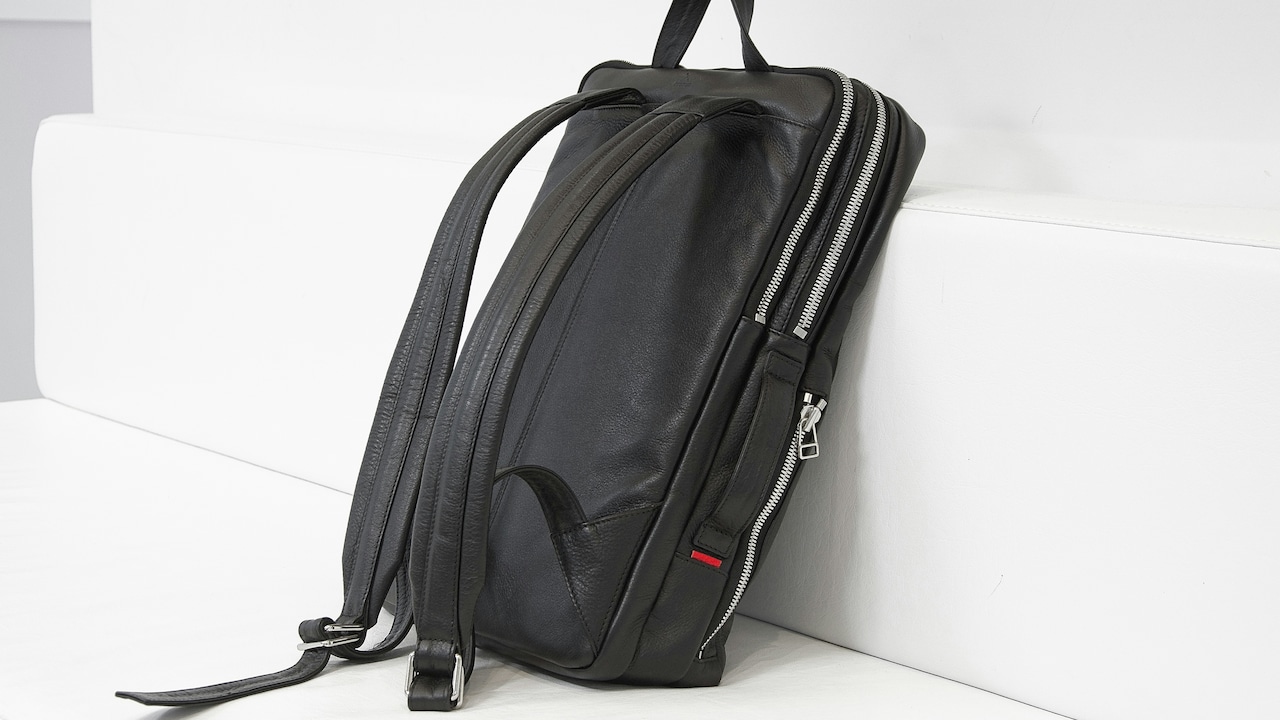
Anti-Theft Bags Explained: Useful Safety Features And Marketing Gimmicks; Photo Credit: Pexels
Anti-Slash Straps Can Save The Day
A thief does not always open a bag. Sometimes they simply grab it. This is where anti-slash straps prove useful. Reinforced straps make it harder to cut and run, especially in crowded streets, bike-heavy areas or chaotic bus stands. A normal strap can fall apart with one clean slice. A reinforced one resists that trick and gives the owner a better chance to react.
Some bags also include anchor straps that loop around a chair leg, table frame or luggage handle. This tiny detail can be surprisingly useful in cafés, waiting rooms and trains. It stops the casual snatch, which often depends on a bag sitting loose and lonely.
Still, no strap can help if the bag gets left behind. The most secure strap in the world cannot shout from under a restaurant table. Good design supports good habits; it does not replace them.
Anti-slash straps work best for people who carry their bag through crowded or unpredictable spaces. They add quiet protection without demanding much effort. Unlike locks, they do not need to be opened and closed. They simply stay there, doing their job without fuss, like the dependable friend who holds seats at a busy food court.
RFID Pockets Sound Impressive, But Need Context
RFID-blocking pockets get plenty of attention. The idea feels futuristic: a thief walks nearby with a scanner, your cards get copied, and your money vanishes. Naturally, a pocket that blocks such scanning sounds essential. In reality, the threat needs context.
Most payment cards now include protections, transaction limits and authentication steps. Contactless misuse can happen, but it does not rank as the most common bag-related risk for most people. Losing the whole wallet remains a much bigger worry than someone silently scanning a card through fabric.
This does not make RFID pockets useless. They can offer extra peace of mind, especially for travellers, people carrying multiple cards, or anyone who likes added layers of protection. The problem begins when brands treat RFID lining as the star feature while ignoring basics such as strong stitching, hidden access and comfortable straps.
An RFID pocket should count as a bonus, not the main reason to buy a bag. A weak backpack with RFID protection still remains a weak backpack. It is like putting a fancy lock on a wobbly door. Nice idea, shaky priorities.
Back-Facing Compartments Are Brilliant
Some of the best anti-theft features do not shout. Back-facing compartments sit between the wearer's back and the bag. This makes them difficult to reach while the bag is worn properly. For wallets, phones, cards, keys and cash, this design works beautifully.
It suits daily life because it does not demand extra steps. No locks, no codes, no complicated folds. The pocket simply rests in a safer place. On a crowded metro ride or at a busy crossing, that placement can prevent easy access from behind.
The feature also reduces anxiety. Anyone who has repeatedly touched a back pocket to check whether a phone still exists knows that small panic. A back-facing pocket calms that habit. It lets the wearer move through crowds with less suspicion and fewer awkward bag-hugging moments.
Of course, the compartment should not be too difficult for the owner to access. A pocket that protects valuables but requires a yoga pose to open will soon get ignored. The best designs balance security with comfort. They hide valuables from strangers while keeping them within reach when needed.
Side Pockets Can Become Weak Spots
Side pockets look harmless. They hold water bottles, umbrellas, snacks and sometimes phones. That last habit causes trouble. An open side pocket can turn into the easiest target on the bag. In a crowded market, a phone sticking out of a stretchy side sleeve has very little defence.
Even zipped side pockets need careful thought. If the zip faces outward and sits at hand level, it may invite quick access. Many anti-theft bags focus on the main compartment but forget these smaller spaces. A thief does not care which pocket looks official. They care where the valuables sit.
Side pockets work well for low-risk items. A water bottle, folded shopping bag, small towel or newspaper belongs there. A wallet does not. A phone may sit there only when the bag stays in front of or beside the owner.
Buyers should examine side pockets before purchase. Do they close securely? Do they expose items? Can someone behind you reach them? These simple questions reveal more than glossy product photos. A bag can have ten clever features and still fail through one careless pocket.
Too Many Secret Pockets Can Become Annoying
Secret pockets feel exciting at first. A hidden sleeve here, a concealed zip there, a tiny compartment under a flap. The bag starts to resemble a treasure map. For travel, this can be handy. For everyday use, too many secret spaces can become a comedy of errors.
A secure bag should not make the owner forget where everything lives. People already juggle office calls, cab OTPs, grocery lists, lunch boxes, chargers and the eternal search for lip balm. Add six hidden pockets, and even finding house keys can become a suspense thriller.
The best anti-theft bags use hidden pockets with purpose. One secure spot for cash and cards, one protected laptop section, one back-facing pocket for a phone, and perhaps one small inner pocket for documents. That is usually enough.
Overdesign can also slow reaction time. When boarding a train or paying a street vendor, nobody wants to open three compartments and whisper, “Where did the wallet go?” Security should feel natural. A bag that confuses its owner may defeat its own purpose, no thief required.
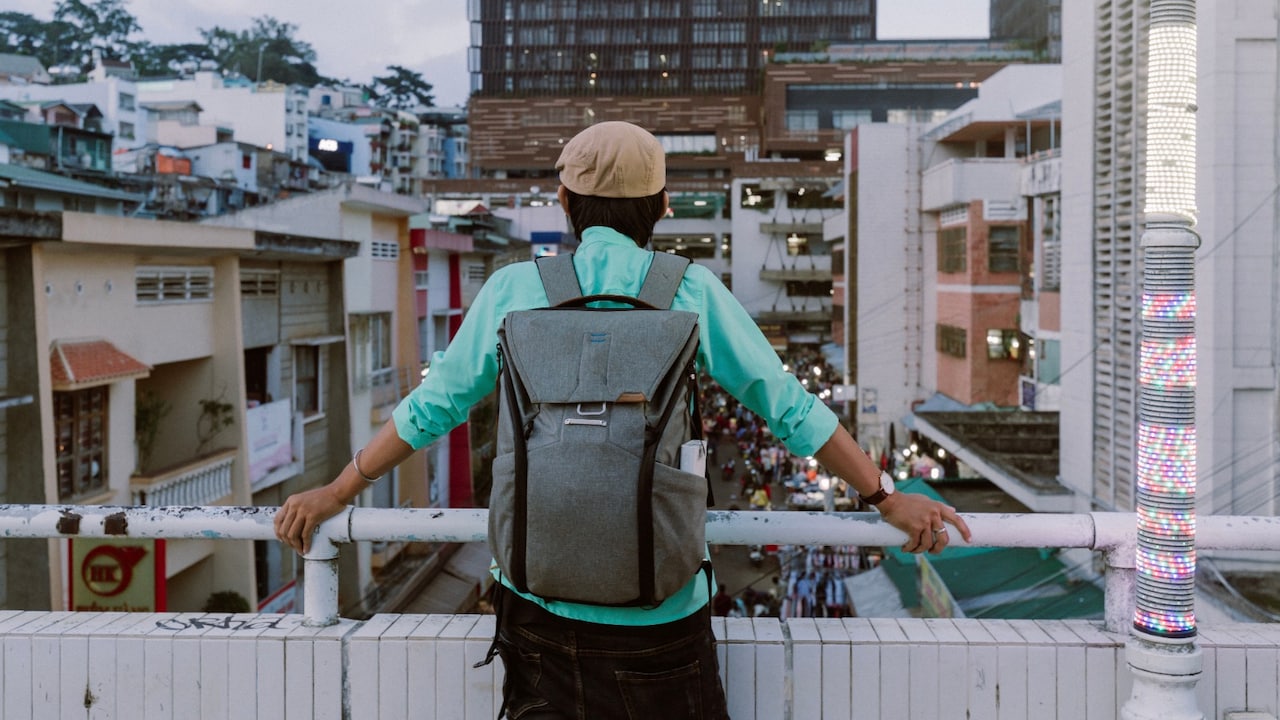
Anti-Theft Bags Explained: Useful Safety Features And Marketing Gimmicks; Photo Credit: Pexels
Bag Shape And Fit Matter More Than People Think
A secure bag must sit well on the body. Shape, size and fit play a bigger role than many buyers realise. A bulky backpack that sticks out like a turtle shell may bump into people and attract attention. A loose sling bag may swing around and become easy to grab. A poor fit can turn even a feature-packed bag into a nuisance.
A compact design hugs the body better. Adjustable straps help the bag sit close, especially during commutes. For crowded trains or buses, a slim backpack often feels safer than a wide one. It creates fewer blind spots and makes movement easier.
Comfort also affects behaviour. If a bag feels heavy or awkward, the owner may remove it often, hang it on chairs, or leave it on the floor. That increases the risk. A comfortable bag stays where it belongs.
The right size depends on routine. A college student carrying books and a laptop needs space. A traveller needs compartments. A daily office-goer may prefer a neat bag that fits a laptop, tiffin and charger without becoming a portable cupboard. Fit is not glamorous, but it quietly decides whether security features get used.
Good Habits Beat Fancy Features Every Time
No anti-theft feature beats basic common sense. A lockable, cut-resistant, RFID-blocking bag still cannot protect a phone left on a restaurant table or cash kept in an outer pocket. Thieves often look for distraction more than design weakness. A moment of carelessness can undo a thousand rupees' worth of clever engineering.
Good habits are simple. Keep valuables in inner or back-facing pockets. Wear the bag in front during dense crowds. Do not leave it hanging behind a chair in a café. Avoid keeping all cash and cards in one place while travelling. Check zips after moving through a busy area. These habits cost nothing and work with any bag.
The safest setup combines smart design with steady attention. Anti-theft bags reduce easy opportunities, which matters a lot in real life. They cannot guarantee safety, and brands should not pretend they can.
A bag should make theft harder, not make the owner careless. The best security still comes from a calm mind, a sensible routine and a bag chosen for actual needs rather than marketing fireworks.
Products Related To This Article
1. FUR JADEN Anti Theft Number Lock Backpack Bag with 15.6 Inch Laptop Compartment
2. FLYNGO Sling Bag for Men Stylish Crossbody Backpack for Men & Women
3. Okami GoPack Classic Anti-Theft Laptop Backpack for Laptops up to 15.6"
4. Expandable Travel Backpack 45L
5. Red Lemon Swiss Cut Design 15.6" Laptop Backpack for Men and Women
6. Arctic Hunter Travel Backpack 180° Opening Clothing Pocket 17-inch Laptop
7. TRUE HUMAN EMPEROR® Anti-Theft Backpack With USB Charging Port Laptop bag
Anti-theft bags are safer, but only when their features solve real problems. Hidden zips, back-facing compartments, reinforced straps, lockable sections and cut-resistant fabric can genuinely reduce risk. They work especially well in crowded transport, markets, campuses, tourist spots, and long journeys.
Some features deserve less excitement. RFID pockets help in certain cases, but they should not distract from stronger basics. Too many secret pockets can become irritating. Open side pockets can quietly ruin an otherwise clever design. A bulky or uncomfortable bag may push the owner into unsafe habits.
The best anti-theft bag does not need to look like a bank locker with shoulder straps. It should feel comfortable, organise daily essentials neatly, and place valuables where strangers cannot reach them easily. It should make safety simple.
In the end, a bag can only do part of the job. The rest belongs to everyday awareness. Choose a design that slows thieves down, then carry it with the quiet confidence of someone who knows the city, the crowd and the value of keeping one hand free for chai.
(Disclaimer: This article may include references to or features of products and services made available through affiliate marketing campaigns. NDTV Convergence Limited (“NDTV”) strives to maintain editorial independence while participating in such campaigns. NDTV does not assume responsibility for the performance or claims of any featured products or services.)