Are Your Child's Clothing Sets Restricting Movement? Common Fit Issues Explained
Childrens clothing sets that look comfortable but are not: These restrictive kids clothing sets have hidden fit issues that parents may miss that limit natural movement, hinder play, and quietly impact comfort.
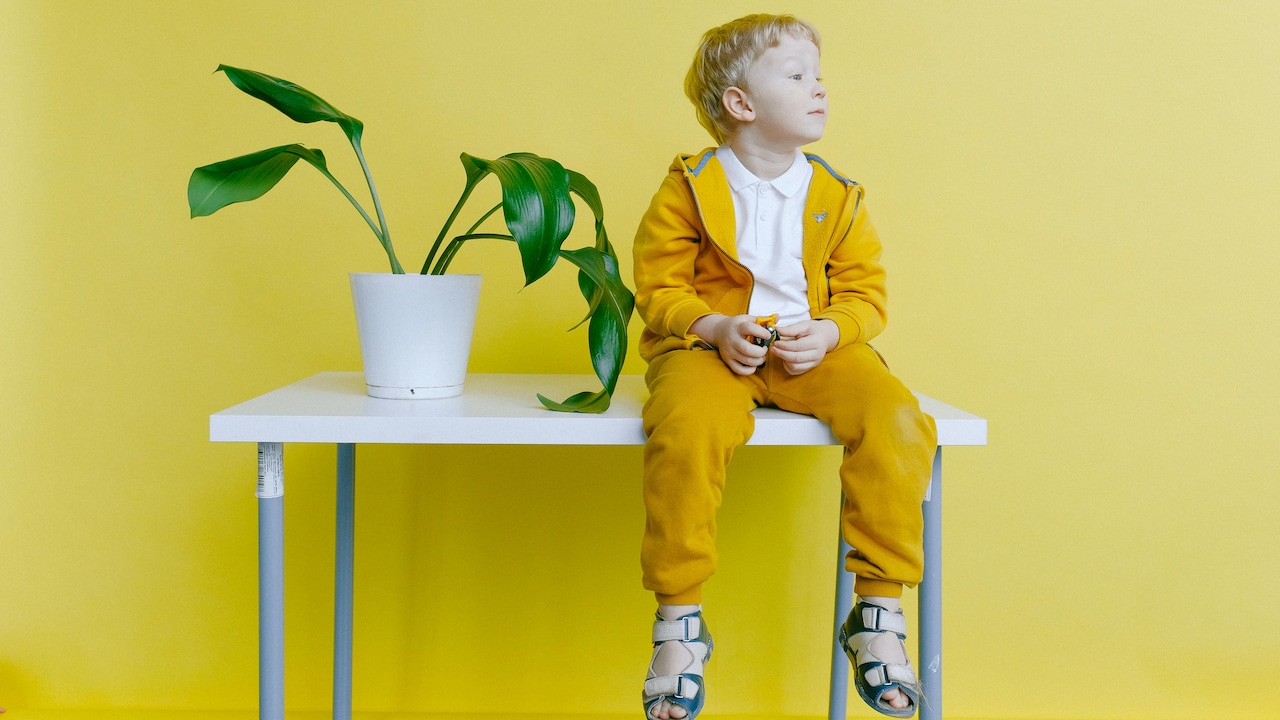
Explore how to determine if your kids' clothes are restricting their movement.
Clothes for children promise comfort, style, and value when sold as neat sets. A matching top and bottom feels like a smart shortcut on a busy morning. The trouble begins when fit matters more than appearance. Children rarely complain clearly about tightness or awkward seams. Movement fuels childhood. From chasing pigeons at the park to sitting cross-legged during homework, bodies stay in constant motion. Clothing that limits this flow can dampen confidence and joy. Many of these issues hide in plain sight. They do not look dramatic on a hanger or during a quick trial at home. Children's clothing sets that limit movement are due to subtle fit problems that parents often overlook, affecting kids' comfort, flexibility, and confidence during everyday play and physical activities.
Learn all about choosing kids' clothes that won't restrict their movement; Photo Credit: Unsplash
This piece breaks down the most common fit problems parents miss while buying clothing sets. Each section highlights a real-life scenario, explains why it matters, and offers practical ways to choose better. Comfort should never compete with style. With a few sharper observations, both can thrive together.
Also Read: 5 Clothing Sets For Children That Survive Playtime, Spills and the Washing Machine
Why Everyday Clothing Sets Often Limit How Children Move
1. Waistbands That Dig In During Play
Elastic waistbands sell convenience. They promise easy wear and fewer buttons. Yet many sets use stiff elastic that grips too tightly once a child starts moving. Sitting on the floor, bending to tie laces, or cycling around the colony can turn that snug band into a constant pinch.
Children often adjust their waistbands mid-play. This habit looks harmless but signals discomfort. After a heavy lunch of dal and rice, the tight elastic presses into the stomach. The body slouches to escape pressure, affecting posture and mood. Some children even avoid active games to escape the feeling.
Check elasticity by stretching the waistband fully and releasing it. It should return gently, not snap back hard. A good rule involves sliding two fingers comfortably inside without forcing space. Drawstrings help adjust fit, but should feel soft and lie flat. Waistbands should support movement, not control it. Comfort here shapes how freely a child plays through the day.
2. Sleeves That Limit Arm Reach
Sleeves often look fine when arms rest at the sides. Problems appear when hands reach up. Swinging on monkey bars, reaching for a top shelf, or throwing a ball exposes tight armholes and short sleeves.
Restricted sleeves pull the entire top upward. The hem rides up, exposing skin and causing distraction. Children then tug the fabric down repeatedly, breaking focus. Over time, this constant adjustment turns into irritation or reluctance to move freely.
Test sleeves by asking the child to raise both arms straight up. The fabric should allow full extension without pulling at the shoulders or neckline. Raglan sleeves or slightly dropped shoulders offer better range. Avoid stiff cuffs that resist stretching. Arms drive play and expression. Clothes should follow that rhythm, not interrupt it.
3. Rigid Fabrics That Refuse to Flex
Many sets rely on thick cotton blends or denim-look materials for durability. Strength matters, but rigidity causes trouble. Fabrics that resist bending restrict natural movement, especially around knees, elbows, and hips.
A child squatting during a game of marbles needs fabric that bends easily. Rigid cloth pulls tight, creating pressure points. The child then stands awkwardly or avoids squatting altogether. Over time, movement patterns change due to clothing, not choice.
Run a simple test. Scrunch the fabric in one hand. It should crease softly and spring back with ease. Stretch it gently across the width. Even a small gift makes a difference. Soft twills, jersey blends, and brushed cottons move with the body. Flexibility supports exploration, not just durability.
4. Necklines That Rub and Distract
Necklines seem minor until irritation sets in. High crew necks, tight ribbing, or decorative stitching can rub against sensitive skin. During warm afternoons or long school hours, sweat increases friction.
Children often scratch or tug at the neck area without realising why. This distraction affects attention in class and comfort during play. Some complain vaguely about feeling “itchy” or “hot,” leaving adults puzzled.
Check neck openings by sliding a finger comfortably around the collar. Space should feel easy, not tight. Ribbing should stretch without resistance. Flat seams work better than raised ones. Decorative elements belong on outerwear, not daily play sets. A calm neckline keeps focus where it belongs, on learning and play.
5. Pants That Restrict Knee Movement
Slim-fit bottoms look smart but often restrict knee movement. Running, kneeling, or climbing stairs demands flexibility at the knee. Tight cuts pull fabric taut, causing resistance with every bend.
Children may slow down, take smaller steps, or avoid floor activities. Teachers notice reluctance during physical activities, yet the cause hides in plain sight. Growth spurts worsen the issue, as length increases before width catches up.
Ask the child to squat fully. The fabric should allow a smooth motion without strain. Look for articulated knees or relaxed cuts. Stretch panels add comfort without sacrificing style. Legs carry children through their world. Pants should support that journey, not shorten their stride.
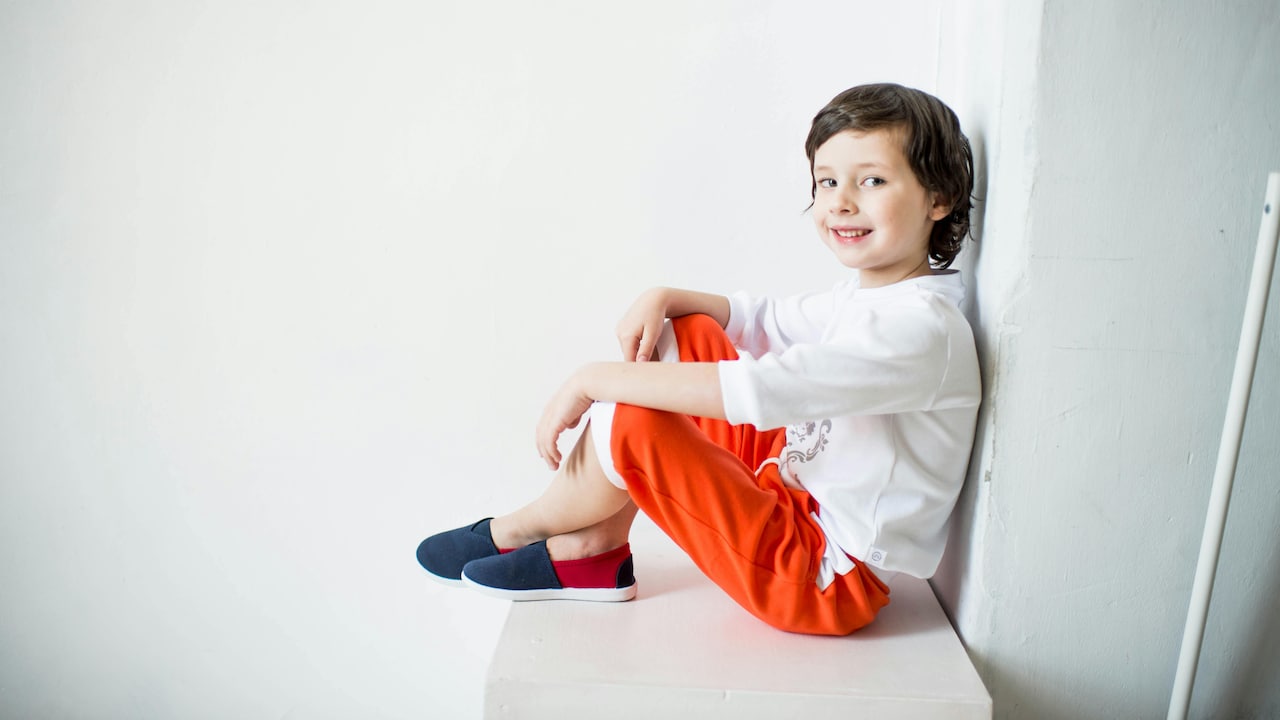
Go for clothes made out of stretchable fabric that doesn't hinder their playtime; Photo Credit: Pexels
6. Matching Sets with Mismatched Fit
Sets assume uniform proportions. Reality tells a different story. One child may have a longer torso and shorter legs. Another may need a larger top and smaller bottom. Matching sizes often fit one piece well and the other poorly.
Parents keep the set because it looks tidy and economical. The child then lives with compromise. A tight top or loose pants both affect movement. Belts and safety pins attempt fixes but rarely solve the core issue.
Consider buying sets for coordination, not obligation. Mix sizes when possible. Focus on fit over symmetry. A well-fitting mismatch beats a restrictive match every time. Children move as a whole, not in coordinated packages.
7. Seams Placed Where Bodies Bend
Seam placement shapes comfort more than many realise. Thick seams at the shoulders, inner thighs, or behind the knees rub during movement. After hours of play, redness or complaints appear.
Children rarely articulate severe discomfort clearly. Instead, they avoid certain movements or become fidgety. Inner thigh seams can turn a simple walk into a constant irritation, especially in humid weather.
Turn garments inside out before buying. Feel the seams with fingers. They should lie flat and feel smooth. Avoid bulky stitching in high-movement zones. Flatlock seams or minimal stitching improve comfort greatly. Seams should support structure, not become obstacles.
8. Overly Snug Cuffs and Ankles
Cuffed sleeves and ankles look neat but often grip too tightly. Blood flow reduces, leaving marks on the skin after removal. During play, tight cuffs restrict movement and create pressure.
Children sit cross-legged, climb, and stretch constantly. Tight ankle cuffs pull pants upward, exposing legs and causing a distraction. Sleeves ride up, leaving wrists cold or irritated.
Stretch cuffs gently before purchase. They should expand easily and relax softly. Ribbing should feel pliable, not stiff. Adjustable hems offer flexibility as children grow. Comfort at the edges matters as much as the core fit.
9. Decorative Elements That Get in the Way
Pockets, patches, sequins, and embroidery add charm. They also add weight and stiffness. Large front pockets restrict bending. Hard embellishments press into the skin during falls or sitting.
Children forget about decorations during play. The body remembers quickly. A child sliding down a bench feels every hard patch. Over time, these elements discourage natural movement.
Choose decoration thoughtfully. Keep it minimal on daily wear. Save heavier embellishments for occasions with limited movement. Clothes should celebrate childhood energy, not limit it with unnecessary extras.
10. Ignoring Growth Allowance
Children grow fast, but growth does not mean buying oversized clothes that hang awkwardly. Poor growth allowance leads to restricted movement within weeks. Tight shoulders, short sleeves, and high hems appear suddenly.
Parents often notice only when discomfort becomes obvious. Subtle signs appear earlier. Reduced stretch, frequent adjustments, and slower movements hint at outgrown clothes.
Allow room where growth happens first: shoulders, torso, and thighs. Avoid excessive length that causes tripping. Balanced allowance supports comfort without compromising safety. Clothes should grow with the child, not chase growth awkwardly.
Products Related To This Article
1. Googo Gaaga Boys Orange & White Printed Pure Cotton T-shirt with Shorts
2. ER LIFE Style Girls Printed Top with Shorts
3. Dhairya Traders Unisex Kids Printed
4. Shirazi Boys Embroidered Band Collar Denim Coat With Trousers
5. STGARMENT Girls Top with Trousers
6. Mothercare Infants Printed Pure Cotton T-shirt with Shorts
7. I NAINA DRESSES Girls Trousers
Movement defines childhood. Clothes should honour that energy, not tame it. Subtle fit issues often slip past busy eyes, hidden behind attractive designs and tidy sets. Yet their impact shows daily, in slower steps, distracted play, and quiet discomfort. Comfort clothes for children builds confidence. When clothes move easily, children explore freely.
(Disclaimer: This article may include references to or features of products and services made available through affiliate marketing campaigns. NDTV Convergence Limited (“NDTV”) strives to maintain editorial independence while participating in such campaigns. NDTV does not assume responsibility for the performance or claims of any featured products or services.)