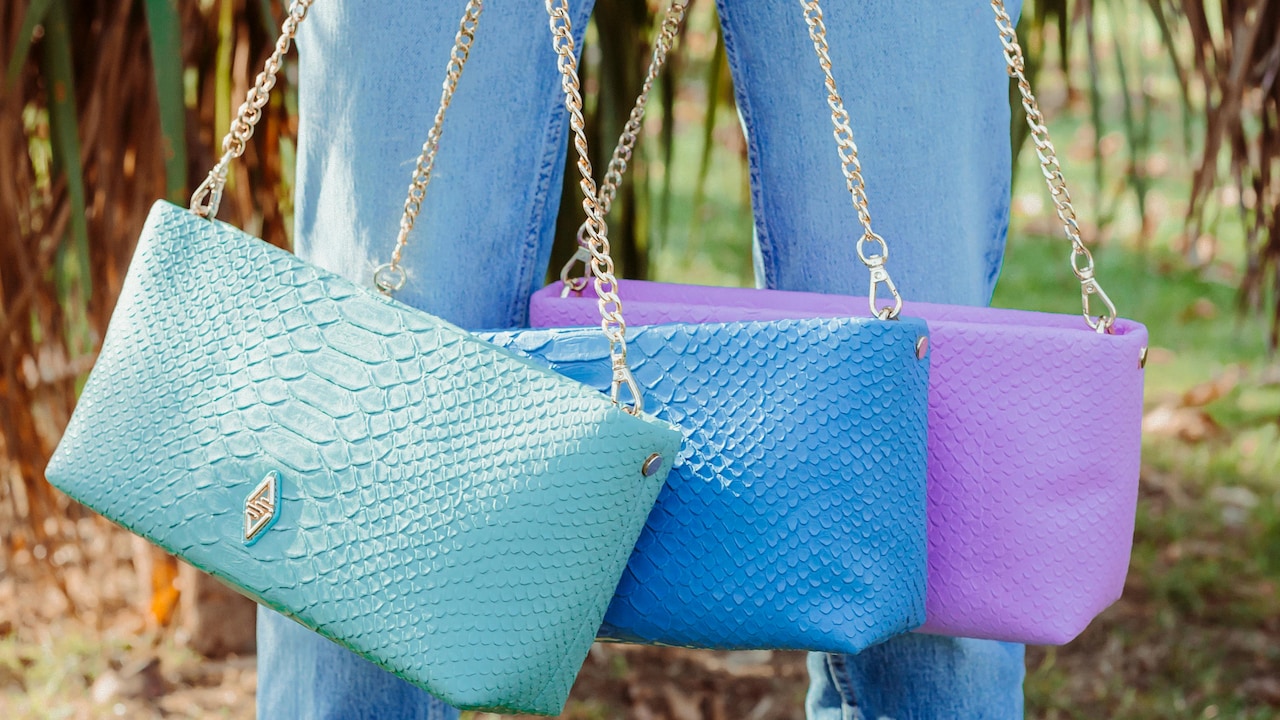
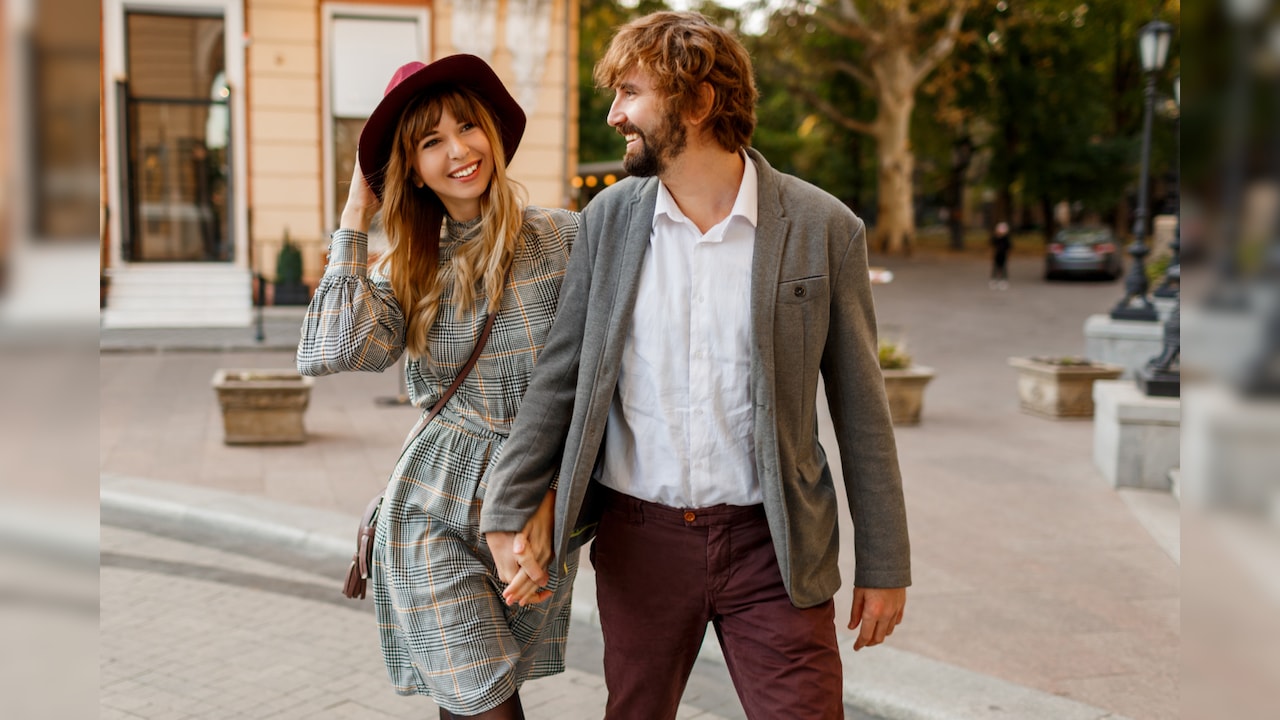
Best Sling Bag Size For Daily Use: How To Choose For Daily Use And Everyday Outfits
Find the best sling bag size for daily use with this simple guide. Learn what size works for your routine, comfort, and everyday outfits, without overpacking or struggling with space.
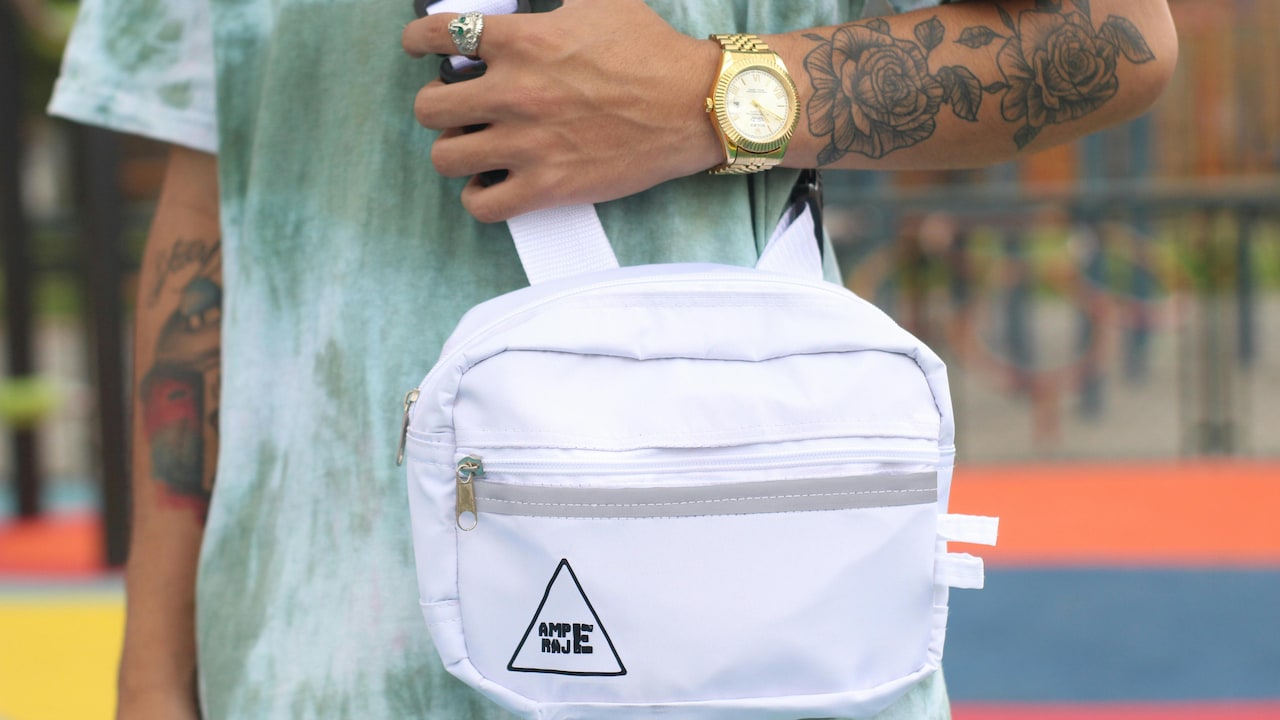
Sling Bag Size Guide: Best Everyday Sling to Carry Essentials Comfortably for Work and Daily Use.
A sling bag looks like a simple choice. You spot one online, it looks stylish, the model looks effortless, and suddenly, you're convinced your life will also become organised and aesthetic. Then it arrives, and reality hits. Your wallet fits, but your phone doesn't. Or your keys go in, but now the zipper refuses to close. Or worse, it fits everything, so you start carrying everything, and by the third day, your shoulder is quietly filing a complaint.
The size of a sling bag matters more than most people admit. It decides how comfortable your day feels, how quickly you can grab essentials, and whether your outfit looks balanced or slightly… confused.
This isn't about buying the most expensive bag or the most “viral” one. It's about choosing a size that matches your daily life, your body comfort, and the way you dress. Because the best sling bag is the one you forget you're wearing, until you need something, and it's right there.
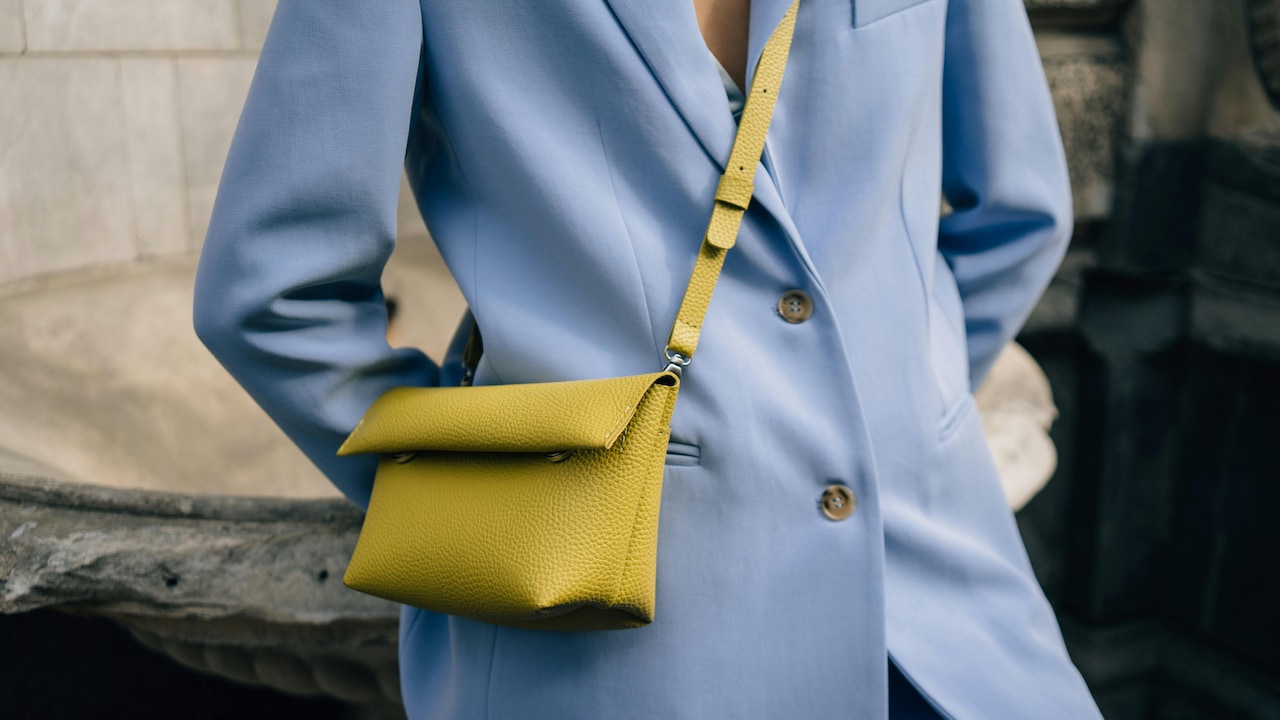
Best Sling Bag Size For Daily Use: How To Choose For Daily Use And Everyday Outfits
Photo Credit: Pexels
How To Choose The Right Sling Bag Size For Daily Use
1) Start With What You Carry Every Single Day
Before choosing a sling bag size, the first step is brutally honest self-awareness. Not the fantasy version of you who carries only a cardholder and lip balm. The real version, which somehow ends up with a charger, mints, earphones, receipts, and that one random safety pin.
For daily use, most people carry a phone, keys, wallet, sanitiser, earbuds, and maybe a small makeup item or comb. If you commute, you probably add a metro card, sunglasses, a small power bank, and sometimes a snack that you swear you won't crush. This is where size stops being an aesthetic decision and becomes a survival one.
A bag that fits your essentials without forcing you to play Tetris every morning is the sweet spot. If you struggle to zip it up, it's too small. If you can carry a water bottle, a book, and emotional baggage, it's probably too big for daily use.
The right size feels like it was designed for your routine, not for a photoshoot.
2) The “Small Sling” Problem: Cute, But Slightly Useless
Small sling bags are tempting. They look sleek, minimal, and fashionable. They also make people feel like they have their life together. But small bags have a habit of becoming impractical very fast, especially on long days.
If the sling fits only your phone and a couple of cards, it may work for quick errands, café meet-ups, or short outings. But daily use is rarely that simple. Daily life involves surprise needs. Someone asks for a pen. Your phone battery drops to 12%. You need tissues. You buy something small and need to carry it. Suddenly, the tiny sling becomes a stress accessory.
Another issue is how tightly packed small bags get. When everything is squeezed in, you end up scratching your phone screen with keys or breaking your lipstick cap. And yes, this happens more than people admit.
Small slings can still work brilliantly, but only if your daily essentials are truly minimal and you don't mind carrying extras in your hand. Otherwise, the cuteness wears off by day three.
3) Medium Sling Bags: The Goldilocks Size For Real Life
If sling bags had a “most dependable” award, the medium size would win without competition. It's the size that works for most people because it doesn't demand lifestyle changes. You don't need to reduce your belongings to monk-level minimalism, and you don't end up hauling half your home either.
A medium sling typically fits a phone, wallet, keys, sanitiser, earbuds, a small power bank, and maybe one or two extras like a compact, tissues, or a small perfume. It's the kind of bag that handles daily surprises without looking bulky.
This size also suits everyday outfits better. It doesn't overpower kurtas, jeans-and-top looks, office wear, or even casual dresses. It sits neatly across the body and looks balanced without screaming for attention.
For people who commute, run errands, or spend long hours out, medium is often the best size. It's the quiet hero of bags: not dramatic, not flashy, just consistently useful. And honestly, that's the vibe daily life needs.
4) Large Sling Bags: Great For Long Days, Risky For Everyday
Large sling bags can feel like freedom. You can fit more, carry more, and stay prepared for anything. But there's a catch. The more space you have, the more you fill it. It's human nature. The bag becomes a portable drawer.
Large slings work best for people who have long workdays, frequent travel, or carry items like a small notebook, a pouch, a charger, and maybe even a compact umbrella. They can also suit new parents, people managing medical essentials, or anyone who needs more than the basics.
But for everyday outfits, large slings can sometimes look awkward, especially on smaller frames or minimal clothing. They can also get heavy fast. A bag that pulls on your shoulder or bounces uncomfortably while walking becomes annoying quickly.
If you want a large sling for daily use, look for one with good strap padding, a wide strap, and smart compartments. Otherwise, it starts feeling like a burden disguised as a fashion choice.
5) How The Bag Should Sit: Fit Matters More Than You Think
Size isn't only about what fits inside. It's also about how the bag sits on your body. A sling bag can technically be “the right size” but still feel wrong if it sits awkwardly or swings too much.
For daily use, the bag should sit comfortably at the front or side without bouncing when you walk. It should feel stable on crowded streets, in metro stations, and while climbing stairs. If you constantly adjust it, the size or shape isn't working.
A very small bag can sit too high and feel tight. A very large bag can hang too low and bump into your hip. The most comfortable slings sit around mid-torso or slightly above the hip, depending on the strap length.
Also, strap width matters. Thin straps look elegant but can dig into your shoulder if the bag carries weight. Wider straps distribute weight better, especially for commuters.
A sling bag should feel like a natural extension of your movement, not a needy accessory demanding attention every five minutes.
6) Outfit Balance: Matching Sling Size With Everyday Clothing
Sling bag size affects how your outfit looks, even if you don't consciously notice it. A tiny bag with a flowy kurta and wide-leg pants can look a bit lost. A huge bag with a fitted top and slim jeans can look too dominant.
The goal is balance. Medium slings suit most outfits because they sit neatly and complement rather than compete. For office outfits, a structured medium sling looks polished without trying too hard. For casual wear, a softer medium sling gives a relaxed, effortless feel.
For traditional outfits, a small to medium sling works best, especially if it has a clean silhouette. Very large slings can look mismatched with ethnic wear unless the outfit is very casual.
If your wardrobe is mostly oversized shirts, co-ord sets, or loose fits, you can pull off a slightly larger sling without it looking odd. If your outfits are minimal and fitted, a medium or smaller sling usually looks better.
The bag should support your style, not hijack it.
7) Work, College, Errands: Choosing Size Based On Your Day Type
Daily use doesn't look the same for everyone. For some, it's an office. For others, it's college, coaching, or running errands across the city. Sling size should match the kind of day you live most often.
For the office, most people need a phone, wallet, keys, ID, maybe a lipstick, and sometimes a small power bank. A medium sling is perfect here. It looks tidy and carries enough without looking casual in a messy way.
For college, people usually carry more: earphones, a charger, a small notebook, maybe a snack, and random bits like hair ties. A medium-to-large sling works well, especially one with compartments.
For errands, a medium sling is again the best bet. You may need space for small purchases, bills, or receipts. A tiny sling forces you to carry extra in your hands, which gets annoying quickly.
Choosing size based on your most common day type makes your bag feel like a tool, not a gamble.

Best Sling Bag Size For Daily Use: How To Choose For Daily Use And Everyday Outfits
Photo Credit: Pexels
8) Safety And Convenience: The City Factor
A sling bag is often chosen because it feels safer than a shoulder bag. You can keep it close, move through crowds, and access things quickly. But size affects safety too.
A very large sling can become a target in crowded markets or public transport because it looks like it might contain more valuables. It also becomes harder to manage in tight spaces. A medium sling stays close and is easier to keep in front.
A very small sling, on the other hand, may force you to carry extra items in pockets or hands, which can be less secure. If your phone doesn't fit properly, you might end up holding it, and that's never ideal in a busy street.
For daily commuting, a sling should zip fully, sit close to the body, and allow quick access without you needing to open it wide in public. The right size helps you stay organised, and organisation is underrated security.
Convenience is also part of safety. If you can reach your metro card or keys quickly, you spend less time distracted, and that matters more than people think.
9) Material And Structure: Why Size Feels Different In Different Bags
Two sling bags can look the same size online and feel completely different in real life. That's because material and structure change how usable the space is.
A soft, slouchy sling may fit more than it looks, but items can get lost inside. You'll find yourself fishing for keys like you're playing a game. A structured sling holds its shape, making it easier to access things, but it may fit less than expected because it doesn't stretch.
Leather-like materials look polished but can feel heavier, especially in larger sizes. Nylon and canvas feel lighter and often suit daily use better, especially for long commutes.
Also, check the width of the base. Some bags look wide from the front but are flat like an envelope. They don't hold bulky items like a power bank or a small pouch well.
A medium structured sling often feels like the best combination for daily use. It holds shape, fits essentials, and doesn't become a black hole of chaos.
10) Budget And Value: Choosing A Size That Doesn't Waste Money
Buying the wrong sling bag size is one of the easiest ways to waste money. The bag may look beautiful, but if it doesn't match your daily routine, it ends up abandoned in a cupboard like a failed New Year resolution.
The smartest approach is to buy a size that gets maximum use. For most people, that means a medium sling. It works across outfits, seasons, and day types. It also reduces the need to buy multiple bags for different purposes.
If you're spending ₹1,500 to ₹3,000 on a sling, you want it to work for at least 70% of your days. If you're going higher, the pressure is even more real. Nobody wants an expensive bag that only works for dinner outings.
Also consider how long you'll carry it daily. Comfort matters. A bag that looks good but hurts your shoulder is not a good purchase. It's a stylish mistake.
The best sling bag size isn't the one that looks best on a product page. It's the one that earns its place in your routine.
Best Sling Bag Size For Daily Use: How To Choose For Daily Use And Everyday Outfits
Photo Credit: Pexels
Products Related To This Article
1. Mona B Colourblocked Sling Bag
2. Lino Perros Structured Sling Bag
3. Fastrack Brown Solid Sling Bag
4. ZOUK Printed Structured Sling Bag
5. Allen Solly Solid Structured Sling Bag
6. Mochi Half Moon Sling Bag
7. MANGO PU Structured Sling Bag
Choosing the best sling bag size for daily use is less about fashion rules and more about understanding your everyday life. The right sling should feel comfortable, sit well, match your outfits, and carry your essentials without stress.
For most people, a medium sling bag hits the perfect balance. It fits the daily basics, handles surprise items, and looks good with almost everything from office wear to casual outfits. Small slings work best for short outings and minimal carry days. Large slings suit long days, heavy commutes, and people who need extra space, but they demand better structure and comfort.
The best test is simple: if you can walk for an hour, move through a crowd, and grab your essentials without struggling, you've found the right size. And if your bag doesn't make you mutter under your breath while searching for your keys, that's basically true love in accessory form.
(Disclaimer: This article may include references to or features of products and services made available through affiliate marketing campaigns. NDTV Convergence Limited (“NDTV”) strives to maintain editorial independence while participating in such campaigns. NDTV does not assume responsibility for the performance or claims of any featured products or services.)