How To Choose Winter Jackets For Himalayan Treks Based On Fill Type, Warmth And Budget
Choosing the right winter jacket for Himalayan treks means balancing fill type, warmth, weather resistance, and budget. From down to synthetic, smart choices ensure comfort, safety, and value on snowy mountain adventures.
How To Choose Winter Jackets For Himalayan Treks Based On Fill Type, Warmth And Budget
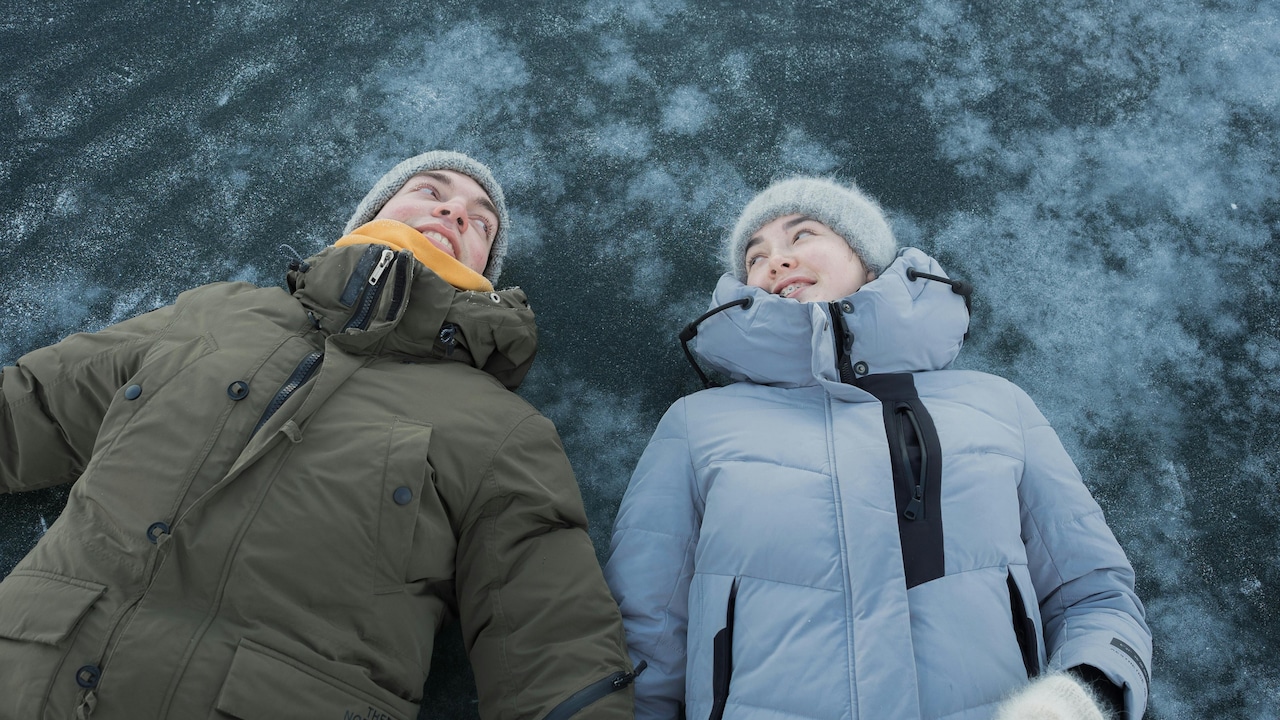
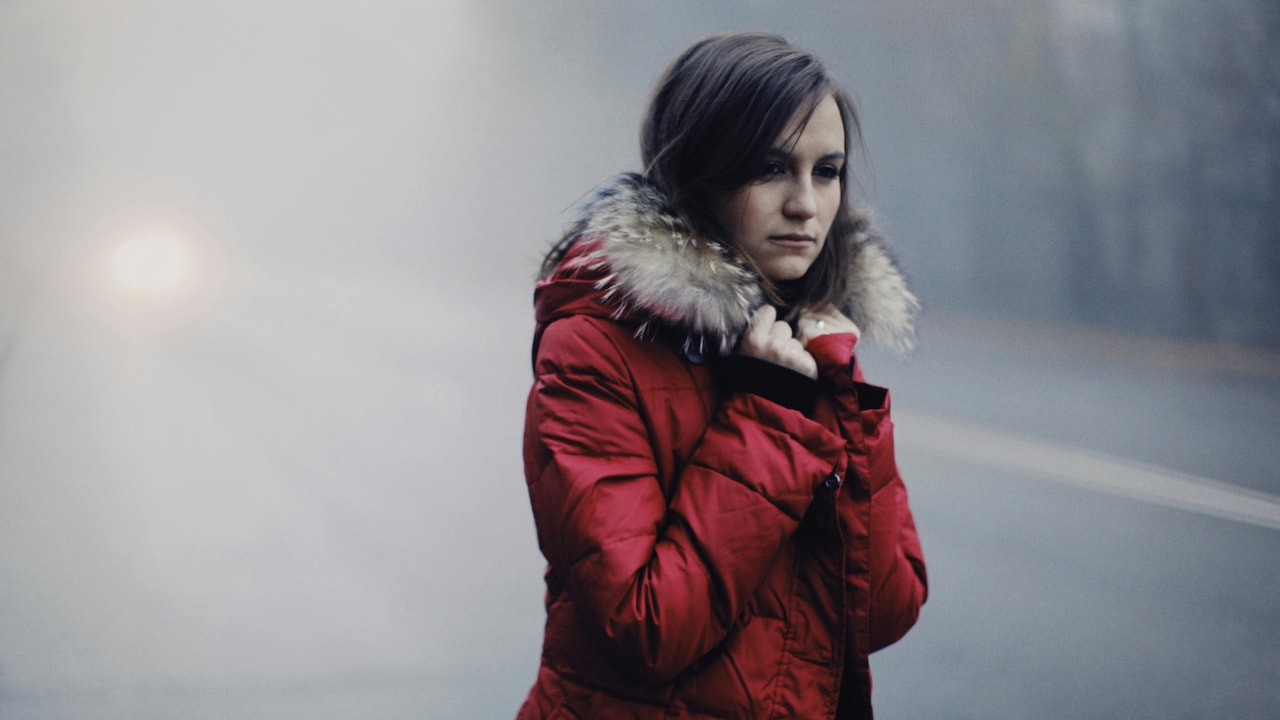
Trekking in the Himalayas carries a certain magic. Snow-dusted trails, prayer flags fluttering against icy winds, and the promise of chai at a remote campsite create memories that last for years. Yet mountain weather rarely plays fair. A bright morning can quickly become a freezing afternoon, and without proper insulation, even the most scenic route can turn uncomfortable. Winter jackets are not simply fashion statements for these journeys. They act as a portable shelter, preserving body heat when temperatures plunge below zero. The challenge lies in choosing wisely. Expensive does not always mean better, and the wrong fill type can leave trekkers sweaty, cold, or burdened with unnecessary weight.
How To Choose Winter Jackets For Himalayan Treks Based On Fill Type, Warmth And Budget
Photo Credit: Pexels
A sensible choice depends on understanding how insulation works, what conditions the trek demands, and how much one plans to spend. Whether preparing for Kedarkantha's snowy trails or braving the stark beauty of Chadar, selecting the right jacket requires balancing warmth, durability, and financial sense. The mountains are already challenging enough; outerwear should not add to the struggle.
Also Read: From Trousers To Cargo Pants: 5 Bestselling Bottoms For Men To Pair With Denim Jackets
Key Factors To Consider Before Choosing A Winter Jacket For Himalayan Treks
Understanding Down Fill And Why It Offers Premium Warmth
Down jackets often earn top billing for Himalayan adventures, and for good reason. Filled with the soft plumage beneath duck or goose feathers, they provide exceptional warmth while remaining impressively lightweight. For high-altitude treks with dry, freezing conditions, down acts like a personal heater wrapped around the body.
The real measure of quality lies in fill power. Higher numbers, such as 700 or 800, indicate better insulation efficiency. A jacket with 800 fill power delivers more warmth with less bulk, making it easier to move along steep trails. This matters greatly when every extra gram feels heavier at altitude.
However, premium warmth comes with a premium price. Good down jackets often cost anywhere from ₹8,000 to ₹25,000 or more. They also struggle in wet conditions unless treated for water resistance. Once soaked, down loses much of its insulating ability.
For trekkers heading into cold, dry snow regions, investing in down often makes sense. It offers comfort during harsh nights and reduces pack weight, though proper layering and moisture protection remain essential.
Synthetic Fill Jackets And Their Reliable All-Weather Performance
Synthetic insulation has improved dramatically over the years, making it a practical choice for many Himalayan trekkers. Unlike down, synthetic jackets use polyester fibres engineered to trap heat effectively, even when exposed to moisture.
This feature proves valuable during unpredictable mountain weather. Wet snowfall, drizzle, or accidental spills do not compromise insulation as severely. For beginners or those trekking in mixed conditions, synthetic jackets often provide greater peace of mind.
While synthetic options tend to feel slightly heavier and bulkier than premium down, they usually come at friendlier prices, ranging between ₹4,000 and ₹12,000. This affordability makes them attractive for occasional trekkers or budget-conscious travellers.
Another advantage lies in easier maintenance. Synthetic jackets generally handle rough use and repeated washing better, ideal for those not interested in delicate gear care.
Though they may lack the ultralight luxury of high-end down, synthetic jackets strike a dependable balance. For many mountain enthusiasts, especially on moderate winter treks, they deliver excellent warmth without causing financial frostbite.
Decoding Fill Power, GSM And Temperature Ratings
Shopping for winter jackets can sometimes feel like deciphering exam results. Fill power, GSM, and temperature ratings dominate labels, yet many buyers remain confused.
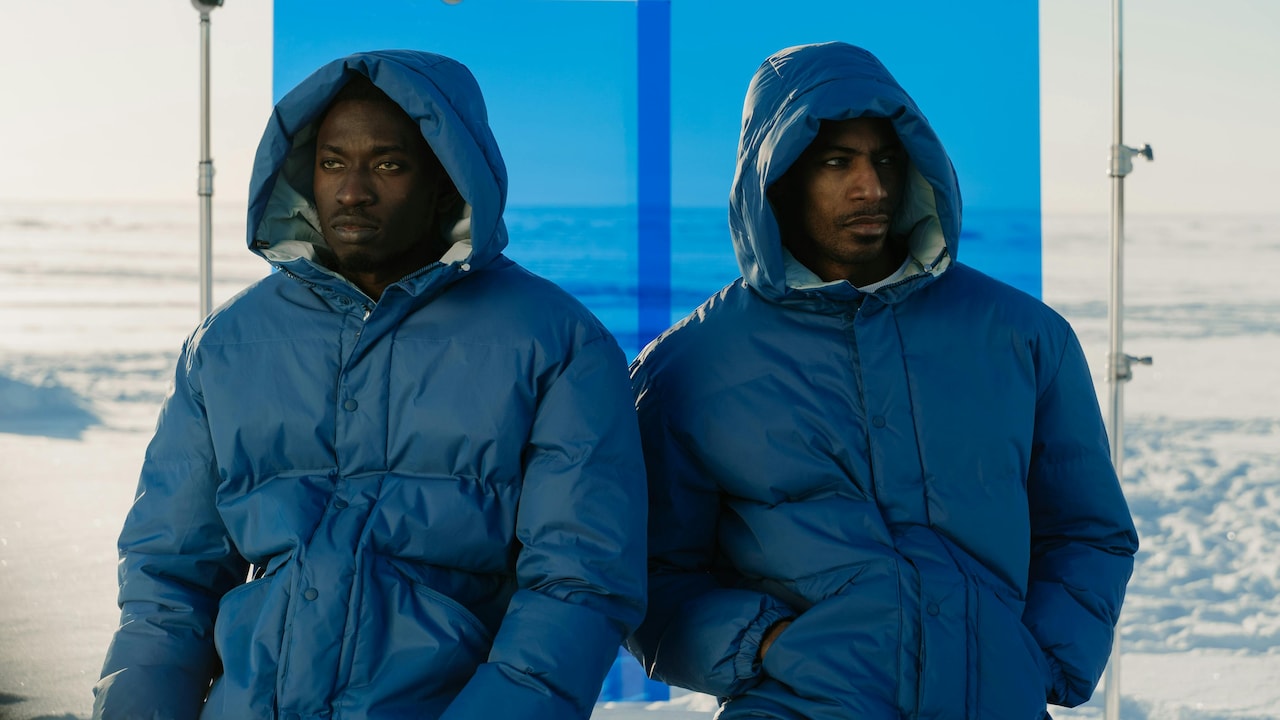
Fill power applies to down jackets and measures loft, or how effectively insulation traps air. Higher fill power means greater warmth for less weight. For Himalayan trekking, jackets with at least 600 fill power generally perform well, while serious high-altitude trekkers may prefer 800 and above.
Synthetic jackets often use GSM, or grams per square metre, to indicate insulation density. Higher GSM usually means more warmth, though breathability may decrease.
Temperature ratings offer rough guidance but should not be treated as gospel. Personal tolerance to cold, wind chill, layering, and activity level all affect real-world performance. A jacket rated for -10°C may feel insufficient during exposed summit pushes if layering is poor.
Understanding these terms helps avoid overspending on unnecessary features or underpreparing for severe conditions. Labels matter, but practical use matters more.
How To Choose Winter Jackets For Himalayan Treks Based On Fill Type, Warmth And Budget
Photo Credit: Pexels
Matching Jacket Choice To Specific Himalayan Treks
Not all Himalayan treks demand Everest-level gear. Choosing based on route difficulty and season prevents wasted money and discomfort.
For relatively accessible winter treks like Kedarkantha, Brahmatal, or Dayara Bugyal, a reliable synthetic or mid-range down jacket usually suffices. Temperatures can dip sharply, but extreme expedition-grade insulation often proves excessive.
More demanding routes, such as Goechala in winter or high passes in Ladakh, may require superior down jackets with stronger fill power and wind resistance.
Weather patterns also vary significantly. Western Himalayan routes often stay drier, favouring down, while regions with wetter snowfall may reward synthetic insulation.
Trekkers should consider altitude, expected overnight temperatures, and trip duration. Weekend adventurers may prioritise affordability, while frequent trekkers benefit from investing in durable, technical gear.
Selecting a jacket suited to actual trekking plans rather than aspirational extremes ensures comfort without draining savings better spent on permits, transport, or celebratory post-trek meals.
The Importance Of Layering Rather Than Overspending
A common mistake among trekkers involves chasing one ultra-expensive jacket while ignoring a layering strategy. In reality, layering often matters more than a single outer garment.
A good base layer wicks sweat, a fleece or insulated mid-layer adds warmth, and a quality outer jacket seals in heat while blocking wind. This system allows flexibility as conditions shift throughout the day.
Oversized heavy jackets can cause overheating during ascents, leading to sweat buildup that later chills the body. Smart layering prevents this issue while often costing less overall.
For example, a ₹7,000 jacket paired with proper thermals and fleece may outperform a ₹20,000 standalone option used poorly. It also offers versatility for different climates beyond trekking.
Mountains reward preparedness, not flashy purchases. A practical layering system delivers warmth, adaptability, and budget efficiency while ensuring trekkers stay comfortable from steep climbs to frosty campsites.
Budget Breakdown: Affordable, Mid-Range, and Premium Options
Budget plays a huge role in winter gear decisions, especially when balancing travel expenses, permits, and equipment.
Affordable jackets between ₹3,000 and ₹7,000 generally offer synthetic insulation suitable for beginner-friendly treks. They may lack advanced compressibility, but often provide decent warmth for shorter adventures.
Mid-range options from ₹7,000 to ₹15,000 strike a strong balance. Here, trekkers find better synthetic technologies or entry-level down jackets with improved warmth-to-weight ratios.
Premium jackets above ₹15,000 typically feature high fill power down, advanced shell materials, and technical construction aimed at serious mountaineering or repeated winter expeditions.
Price should align with trekking frequency. Spending excessively for one annual snow trek may feel unnecessary, while regular mountain enthusiasts may save long-term by investing in durable premium gear.
A thoughtful budget approach prevents buyer's remorse and ensures trekkers secure the best value without sacrificing essential protection.
Weather Resistance, Shell Material, and Wind Protection
Insulation alone cannot guarantee comfort in Himalayan winters. Outer shell construction often determines how well a jacket performs against wind, snow, and light rain.
Windproof materials are particularly important above the tree line, where icy gusts can cut through weaker fabrics mercilessly. Water-resistant coatings or DWR treatments add valuable protection against moisture.
Some jackets also include hoods, adjustable cuffs, and hem cinches that trap heat more effectively. These small features make noticeable differences during freezing campsite evenings.
Fully waterproof jackets may not always serve as ideal insulated pieces due to reduced breathability, but pairing insulation with a waterproof shell often works brilliantly.
Ignoring shell quality can result in a warm jacket that fails under real mountain conditions. A balanced design combining strong insulation with weather resistance ensures trekkers stay protected rather than merely padded.
Weight, Packability And Why Every Gram Counts
Trekking teaches one harsh truth quickly: backpacks always feel heavier after the first uphill climb. This makes jacket weight and compressibility crucial factors.
Down jackets excel here, packing into compact stuff sacks and occupying minimal bag space. This efficiency helps trekkers manage loads more comfortably.
Synthetic jackets, while bulkier, still offer practical options depending on insulation thickness. Some modern designs have significantly improved packability.
For longer treks involving multiple gear changes, lightweight jackets reduce fatigue and improve mobility. Bulky jackets may suit base camps, but become cumbersome on strenuous ascents.
Choosing a jacket involves balancing warmth with practicality. Carrying excessive weight for marginal warmth gains often proves counterproductive. In mountain travel, efficiency matters just as much as insulation.

How To Choose Winter Jackets For Himalayan Treks Based On Fill Type, Warmth And Budget
Photo Credit: Pexels
Durability, Brand Reliability, and Long-Term Value
A winter jacket should survive more than one dramatic snow selfie. Durability determines whether the gear remains dependable after repeated use.
Quality stitching, strong zippers, reinforced panels, and reputable insulation all contribute to longevity. Established outdoor brands often charge more, but they frequently justify costs through better craftsmanship and warranties.
Cheaper alternatives may work well initially but can lose loft, tear, or fail under demanding conditions. This does not mean every premium label guarantees perfection, but researching user reviews and field performance remains wise.
For occasional trekkers, mid-range durability often suffices. Frequent adventurers, however, may benefit from viewing jackets as long-term investments rather than one-off purchases.
Reliable gear reduces future replacement costs and enhances safety. In unforgiving mountain environments, dependable clothing offers reassurance beyond monetary value.
Common Buying Mistakes That Can Ruin A Trek
Many trekkers make preventable mistakes while shopping for winter jackets. Choosing based solely on appearance ranks high among them. Stylish urban puffers often underperform in actual trekking scenarios.
Another frequent error involves underestimating cold conditions to save money. Bargain shopping sounds sensible until freezing nights prove otherwise.
Overbuying also creates issues. Expedition-grade jackets for moderate trails often lead to overheating and wasted expense.
Poor fit remains another concern. Jackets should allow layering without restricting movement. Too tight, and warmth suffers. Too loose, and heat escapes.
Ignoring maintenance requirements, especially when down, can shorten jacket lifespan dramatically.
The best purchase comes from balancing realism, research, and functionality. Mountains rarely care about marketing claims, but they quickly expose poor decisions.
Products Related To This Article
1. Roadster Women Solid Outdoor Puffer Jacket
2. NU-9 Men Lightweight Puffer Jacket
3. Max Women Lightweight Puffer Jacket
4. HRX by Hrithik Roshan Men Lifestyle Windcheater Running Sporty Jacket
5. Decathlon Forclaz - Women Purple MT50 Windproof Trekking Puffer Jackets
6. StyleCast x Revolte Men Hooded Puffer Jacket
7. BOLDFIT Women Hooded Colourblocked Casual Puffer Jacket
Choosing the right winter jacket for Himalayan treks involves more than grabbing the warmest option available. Fill type, insulation quality, trek conditions, weather resistance, and budget all shape the smartest decision.
Down jackets offer unbeatable warmth and lightweight performance for dry cold, while synthetic options provide dependable versatility at lower prices. Understanding fill metrics, layering principles, and practical trekking needs helps trekkers avoid common mistakes and invest wisely.
The perfect jacket is not necessarily the most expensive one. It is the one that keeps trekkers warm, mobile, and financially comfortable while facing the unpredictable beauty of the Himalayas.
After all, mountain adventures should leave memories of snowy peaks and starry campsites, not regrets about poor gear choices or emptied wallets.
(Disclaimer: This article may include references to or features of products and services made available through affiliate marketing campaigns. NDTV Convergence Limited (“NDTV”) strives to maintain editorial independence while participating in such campaigns. NDTV does not assume responsibility for the performance or claims of any featured products or services.)