Why Your New Shoes Always Cause Blisters And How To Break Them In Properly
New shoes should feel exciting, not painful. This is why blisters happen so often and how to break in your footwear without ruining your feet or your mood.

Why New Shoes Cause Blisters And How To Break Them In Without Pain
Nothing kills the thrill of new shoes faster than that first sharp sting at the back of the heel. One minute, there's admiration for a fresh pair, the next there's a limp, a Band-Aid, and quiet regret. It happens far too often. A brand-new pair looks perfect, fits well in the store, yet turns into a walking nightmare the moment it steps out into the real world.
Blisters are not random. They are predictable, almost inevitable when shoes and skin meet without preparation. Most people blame the shoe entirely, but the reality sits somewhere in between design, material, fit, and how the shoe gets introduced into daily wear. That uncomfortable first week is not just bad luck; it is a poor transition.
The good news is simple. Blisters can be prevented, reduced, and even avoided completely with a few smart habits. Breaking in shoes is not about suffering through pain. It is about understanding friction, pressure points, and giving both feet and footwear enough time to adjust.
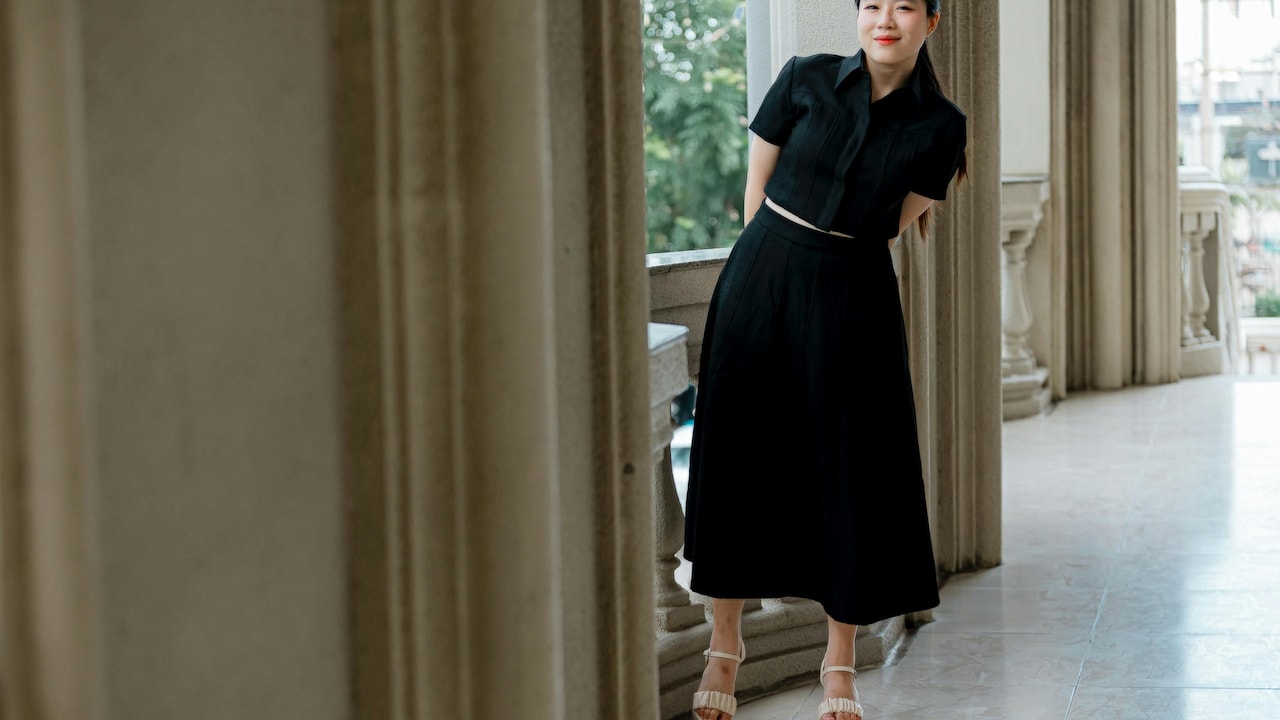
Why New Shoes Cause Blisters And How To Break Them In Without Pain; Photo Credit: Pexels
What Happens When New Shoes Meet Your Feet
New Shoes And Stiff Materials Create Instant Friction
That polished leather or crisp synthetic upper may look luxurious, but it rarely arrives ready for movement. Most new shoes come with rigid materials that haven't adapted to the shape of the foot yet. The moment walking begins, these stiff edges rub repeatedly against the skin, especially around the heel, toes, and sides.
Friction builds quickly. With each step, the skin experiences micro-abrasions. Add heat and a bit of moisture from sweat, and the perfect environment for blisters forms. The body responds by creating a fluid-filled bubble to protect deeper layers of skin.
The issue is not the shoe being “bad.” It is simply new. Materials soften over time, but until then, they behave like untrained armour against delicate skin. That is why the first few wears always feel the worst.
Breaking this cycle starts with patience. Wearing new shoes for short periods allows the material to flex gradually. Jumping straight into a full day out almost guarantees discomfort.
Your Feet Swell More Than You Realise
Feet do not stay the same size throughout the day. They expand with heat, walking, and standing. A shoe that feels perfectly snug in the morning can feel tight and unforgiving by evening.
This subtle swelling often goes unnoticed until it starts hurting. As the foot expands, pressure increases inside the shoe. Tight spots become tighter. Seams press harder. Friction intensifies, especially in areas already prone to rubbing.
That evening outing in brand-new shoes becomes the perfect storm. Warm weather, long walks, and crowded streets push feet into their most vulnerable state.
The smarter approach involves timing. Trying and breaking in new shoes later in the day gives a more realistic sense of fit. It also helps identify pressure points before they turn into blisters.
Ignoring this natural swelling leads to repeated mistakes. Respecting it makes shoe shopping and wearing far more comfortable.
Also Read: How To Wear New Heels All Night: 10 Anti-Blister Tips That Work
Incorrect Fit Is The Biggest Culprit
Many assume that if a shoe goes on, it fits. That assumption causes most blister-related problems. A shoe that is too tight creates constant pressure, while one that is slightly loose allows the foot to slide and rub.
Both situations lead to friction. Heels slip, toes press forward, and the foot moves in ways it should not. The result is irritation that builds slowly and then suddenly becomes painful.
Sizing varies across brands, and even within the same brand. Relying on a fixed size instead of trying the actual fit creates trouble. Width matters just as much as length, yet often gets ignored.
A well-fitted shoe hugs the foot without squeezing it. It allows slight movement without letting the foot slide. That balance reduces friction significantly.
Blisters often feel like bad luck, but in reality, they are a clear signal of a fit that needs reconsideration.
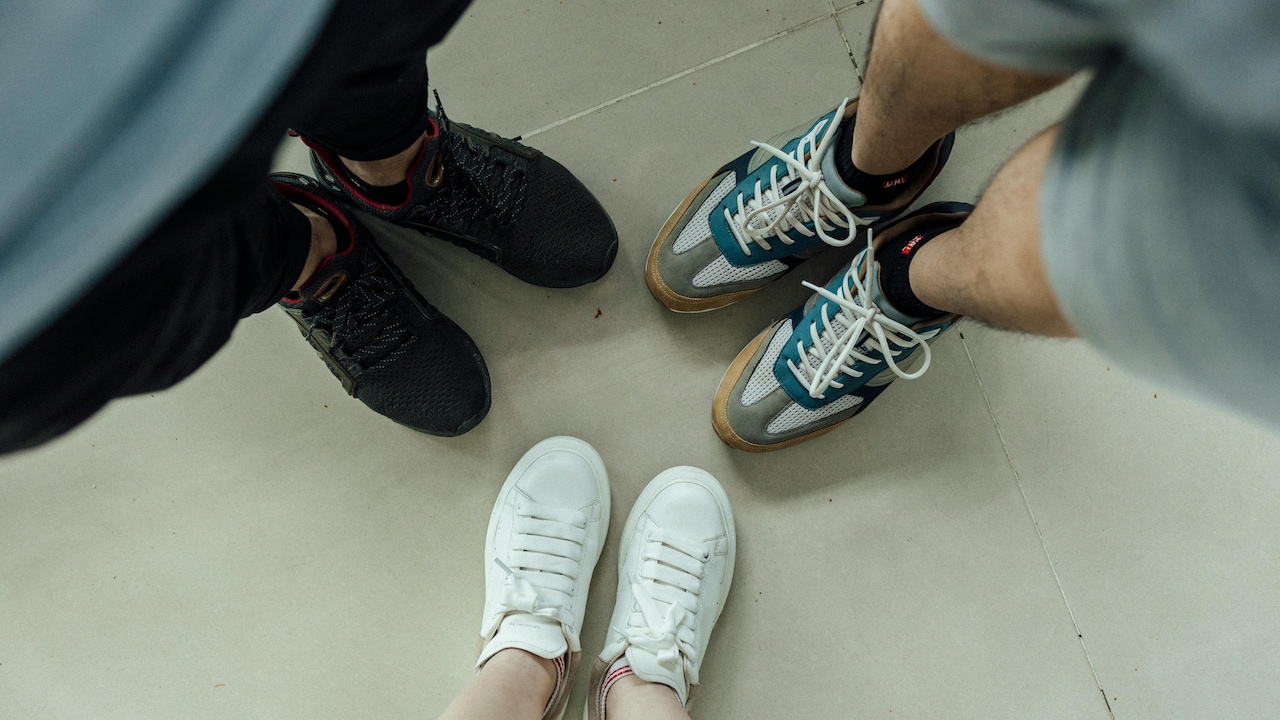
Why New Shoes Cause Blisters And How To Break Them In Without Pain; Photo Credit: Pexels
Dry Skin And Moist Skin Both Cause Problems
Skin condition plays a bigger role than most expect. Extremely dry skin lacks elasticity and cracks under pressure. On the other hand, overly moist skin softens and becomes more vulnerable to friction.
Sweaty feet, especially in closed shoes, create a slippery surface. The foot moves more inside the shoe, increasing rubbing. Combine that with heat, and blisters appear faster than expected.
At the same time, cracked heels or rough patches create uneven surfaces. These areas catch against the shoe lining and worsen irritation.
Balanced skin care makes a difference. Light moisturising keeps skin flexible without making it slippery. Breathable socks help manage moisture levels throughout the day.
Ignoring skin condition turns even the most comfortable shoes into a problem. Paying attention to it reduces friction before it even begins.
Socks Can Make Or Break The Experience
Socks rarely get the attention they deserve. The wrong pair can turn a good shoe into a painful one. Thin socks offer little protection, while thick ones may create unnecessary tightness.
Material matters too. Cotton holds moisture, which increases friction over time. Synthetic blends designed for performance wick away sweat and reduce rubbing.
Seams inside socks can also create pressure points. A small ridge may not seem like much, but after a few hours, it becomes noticeable.
Choosing the right socks acts like adding a protective layer between the foot and the shoe. It reduces direct friction and absorbs impact.
Breaking in new shoes with slightly thicker socks can help stretch the material gently. Once the shoe softens, switching to regular socks feels far more comfortable.
It is a simple adjustment, yet it often gets overlooked.
Why New Shoes Cause Blisters And How To Break Them In Without Pain; Photo Credit: Pexels
Short Wear Sessions Help Shoes Adapt Naturally
One of the biggest mistakes involves wearing new shoes for an entire day right away. That enthusiasm usually ends in discomfort.
Shoes need time to adapt. Short wear sessions at home or during quick outings allow the material to soften gradually. The foot and shoe learn each other's shape without excessive strain.
Walking around the house for an hour or two may not feel like much, but it makes a significant difference. It identifies pressure points early and prevents major damage to the skin.
This slow approach also builds tolerance. Feet adjust to the new structure, reducing sensitivity over time.
Rushing the process rarely works. Breaking in shoes is less about endurance and more about consistency.
Simple Pre-Stretching Tricks Can Save You Pain
New shoes often feel tight in specific areas. Instead of waiting for them to loosen naturally through painful wear, a few simple techniques can help.
Using a shoe stretcher or stuffing the shoes with socks overnight can create extra room. Gentle flexing of the sole and upper material also reduces stiffness.
Some even use heat, like a hairdryer, to soften certain materials slightly before wearing them with thick socks. This encourages the shoe to mould to the foot shape faster.
These methods work best when done carefully. Overstretching can ruin the structure of the shoe.
A little preparation goes a long way. It transforms a rigid pair into something far more wearable within days instead of weeks.
Protective Barriers Reduce Immediate Damage
Sometimes, prevention needs to be direct. Applying protective barriers on areas prone to blisters helps reduce friction immediately.
Heel pads, blister plasters, or even simple tapes act as shields. They absorb the rubbing instead of letting the skin take the hit.
Petroleum jelly or anti-friction balms create a smooth surface, reducing resistance between the shoe and skin.
These solutions work especially well during the initial break-in phase. They do not fix the shoe, but they protect the foot while the shoe adjusts.
It is a practical approach. Instead of suffering through pain, it manages the problem until it resolves naturally.
Walking Style And Posture Matter More Than You Think
The way a person walks influences how shoes interact with the feet. Uneven weight distribution, dragging steps, or poor posture can create extra friction in certain areas.
Some tend to put more pressure on one side of the foot. Others may walk faster or take longer strides, increasing impact.
New shoes highlight these patterns. What felt comfortable in old footwear may suddenly feel awkward.
Paying attention to posture and walking style helps reduce unnecessary pressure. Small adjustments, like maintaining even steps or avoiding dragging the feet, make a noticeable difference.
Shoes do not just adapt to feet. They also respond to movement patterns.
Breaking In Does Not Mean Tolerating Pain
There is a fine line between mild discomfort and actual pain. Many assume that pain is part of the process, but that belief often leads to avoidable injuries.
A slight stiffness or tightness is normal. Sharp pain, intense rubbing, or visible redness is not. Ignoring these signs only worsens the situation.
Taking breaks, switching footwear, and allowing the skin to recover prevents long-term issues.
Comfort should improve with each wear. If it does not, the shoe may not be right.
Breaking in shoes should feel like progress, not punishment. Listening to the body makes all the difference.
Products Related To This Article
1. VENDOZ Women Loafers
2. Sole Saga Women Block Mary Janes with Buckles
3. Mast & Harbour Women Suede Comfort Flats
4. Marc Loire Pointed Toe Kitten Slingback Heel Pumps
5. HRX by Hrithik Roshan Women Mesh Walking Shoes
New shoes should feel like an upgrade, not a challenge to survive. Blisters may seem unavoidable, but they follow clear patterns. Friction, poor fit, and rushed wear create most of the trouble. Once those factors get addressed, the experience changes completely.
A thoughtful approach makes all the difference. Choosing the right fit, wearing shoes gradually, and protecting vulnerable areas can turn even the stiffest pair into a comfortable favourite. It takes a bit of patience, but it saves days of discomfort.
Footwear is meant to support movement, not interrupt it. Treating the break-in process with care ensures that every step feels better than the last.
(Disclaimer: This article may include references to or features of products and services made available through affiliate marketing campaigns. NDTV Convergence Limited (“NDTV”) strives to maintain editorial independence while participating in such campaigns. NDTV does not assume responsibility for the performance or claims of any featured products or services.)