Why Your Clothes Twist At The Seams After Washing And What That Says About Fabric Quality
Twisting seams after washing isn’t random; they reveal flaws in fabric quality, yarn balance, and construction. Understanding why this happens helps in choosing clothes that last longer and keep their shape.
Read what makes your favourite clothes twist at the seams
There's a quiet kind of disappointment that comes with laundry day. Clothes go in crisp and well-fitted, only to emerge slightly off. A sleeve seam creeps forward. A side seam refuses to sit straight. That once-neat T-shirt now looks like it has opinions of its own.

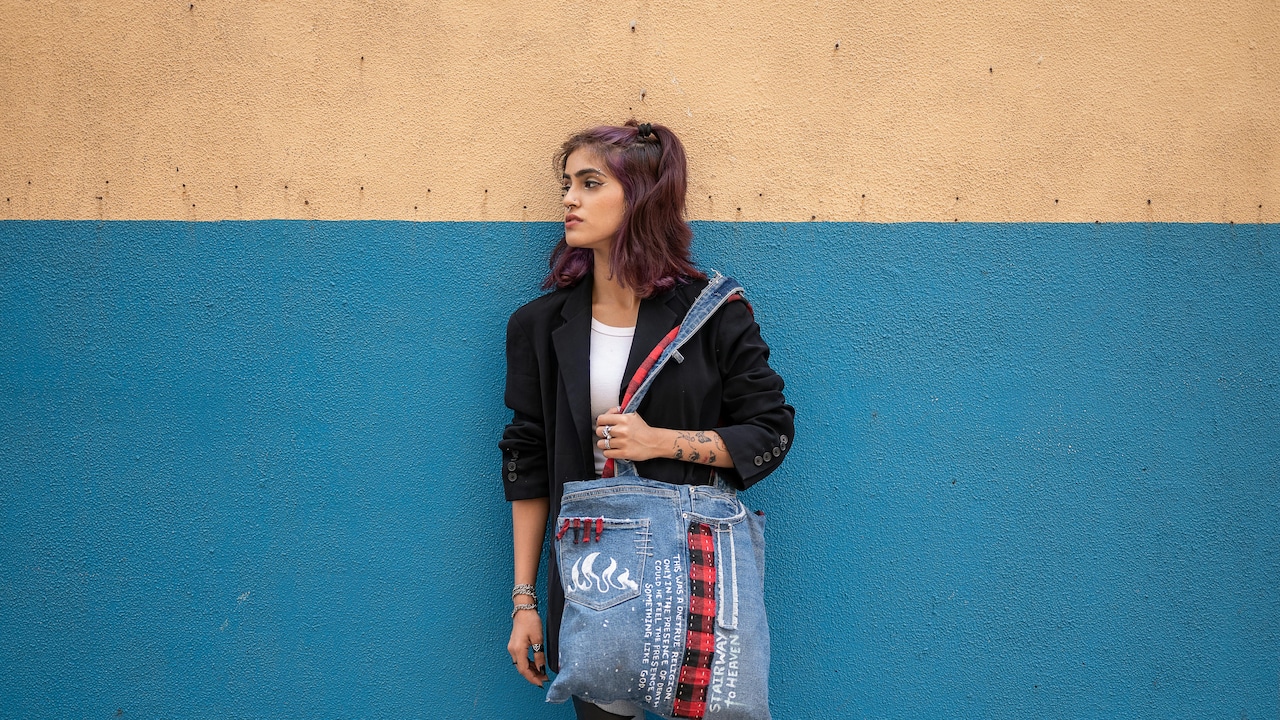
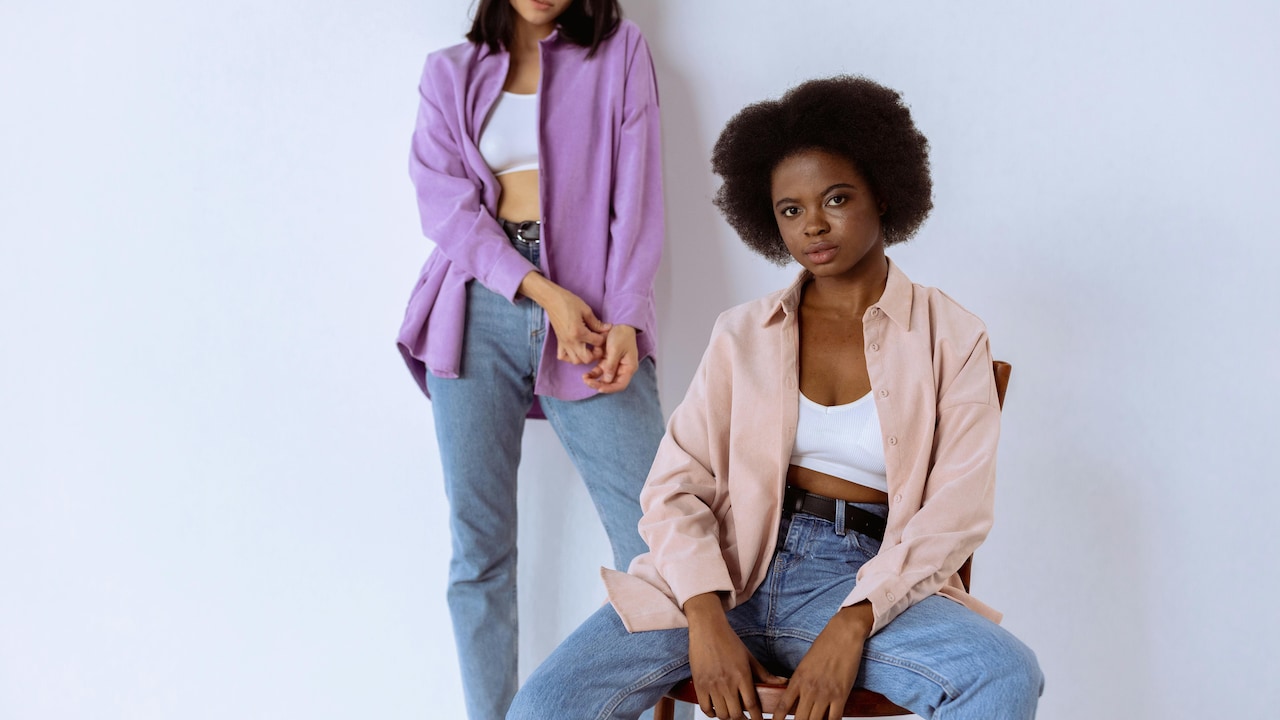
Common reasons why some clothes twist at the seams; Photo Credit: Pexels
At first glance, it feels like a washing machine mishap or perhaps a drying error. But the truth runs deeper, woven right into the fabric itself. Twisting seams are not random. They reveal clues about how a garment was made, the quality of the material, and even the choices manufacturers make to keep prices attractive.
In a market where a decent T-shirt can cost anywhere between ₹299 and ₹2,999, understanding these small details matters. After all, nobody wants to keep replacing basics every few months. The good news? Once the reasons behind seam twisting become clear, it becomes easier to spot quality garments and avoid common pitfalls.
Also Read: Athleisure For More Than The Gym? This Fashion Trend Is Taking Over Everyday Life
Inside The Twist: What Your Clothes Are Really Telling You
The Hidden Story In Fabric Grain
Every fabric has a grain, much like wood. It refers to the direction in which threads run. When fabric gets cut properly, the grain aligns neatly with the garment's structure. But when manufacturers cut corners, sometimes quite literally, the grain goes off track.
When this misaligned fabric goes through a wash cycle, it reacts to water and movement. The fibres relax and shift, pulling the seams along with them. That's when the twist begins. It may start subtly, but over repeated washes, the distortion becomes more obvious.
In well-made garments, careful alignment ensures that seams stay where they belong. Unfortunately, aligning fabric correctly takes time and precision. In fast production cycles, this step often gets rushed. The result? A shirt that looks fine on the rack but slowly reveals its flaws after a few washes.
The Role Of Yarn Twist In Fabric Behaviour
Before fabric even becomes fabric, it begins as yarn. These yarns are twisted fibres, and the direction and tightness of that twist play a crucial role. If the yarn twist isn't balanced, the fabric carries a built-in tendency to rotate.
Think of it like winding a rubber band too tightly. Once released, it tries to unwind. Similarly, yarn with uneven tension creates fabric that subtly pulls itself in one direction. Washing amplifies this behaviour, especially in softer materials like cotton.
Lower-cost garments often use cheaper yarns that lack proper balancing. This reduces production costs but compromises durability. Over time, these garments don't just twist; they lose shape altogether. Paying attention to fabric feel and structure can often hint at whether the yarn has been handled with care.
Knitting Techniques And Their Impact
Most casual wear, especially T-shirts, uses knitted fabric rather than woven fabric. Knitting creates stretch and comfort, but it also introduces risks. Single jersey knits, commonly used in affordable clothing, are particularly prone to twisting.
This happens because of how loops form in the knit structure. If the knitting process lacks precision, these loops don't sit evenly. When washed, they shift and settle unevenly, dragging seams along with them.
Higher-quality garments often use tighter knitting techniques or stabilising treatments to counter this issue. These processes cost more, which explains why cheaper T-shirts tend to twist more frequently. It's not just bad luck; it's a direct result of how the fabric was constructed.
Fabric Cutting Shortcuts That Show Later
Mass production thrives on efficiency. Cutting multiple layers of fabric at once speeds up manufacturing, but it also increases the chance of misalignment. When stacks of fabric shift even slightly during cutting, each piece ends up with a slightly different grain direction.
Once stitched together, the garment may look perfectly fine at first glance. But washing exposes these inconsistencies. The fabric tries to return to its natural alignment, and seams get pulled along for the ride.
This explains why two identical-looking T-shirts can behave very differently after washing. One might stay perfectly straight, while the other twists dramatically. The difference lies in how carefully, or carelessly, the fabric was cut.
The Influence Of Fabric Quality And Cost
Price often reflects quality, though not always perfectly. Lower-priced garments typically use less refined fibres and quicker production methods. This combination increases the likelihood of seam twisting.
For example, a ₹399 T-shirt might look appealing on the shelf, but it may skip several quality control steps. On the other hand, a ₹1,499 option often involves better yarn selection, improved knitting techniques, and more careful cutting.
That said, a higher price doesn't guarantee perfection. Some brands focus heavily on branding rather than construction. Still, understanding this connection between cost and craftsmanship helps in making informed choices. It's less about spending more and more and more and more about knowing what to look for.
Washing Machines: The Final Trigger
Even the best fabrics face stress during washing. The tumbling action, combined with water absorption, loosens fibres and allows them to shift. If a garment already has structural weaknesses, the washing machine simply accelerates the inevitable.
Front-load machines tend to be gentler than top-load ones, but both can reveal flaws in poorly made clothing. Overloading the machine or using harsh cycles makes things worse.
Gentle care can slow down twisting, but it cannot fully prevent it if the root issue lies in fabric construction. That's why some clothes twist after just one wash, while others stay intact for years. The washing machine isn't the villain; it's just exposing what's already there.
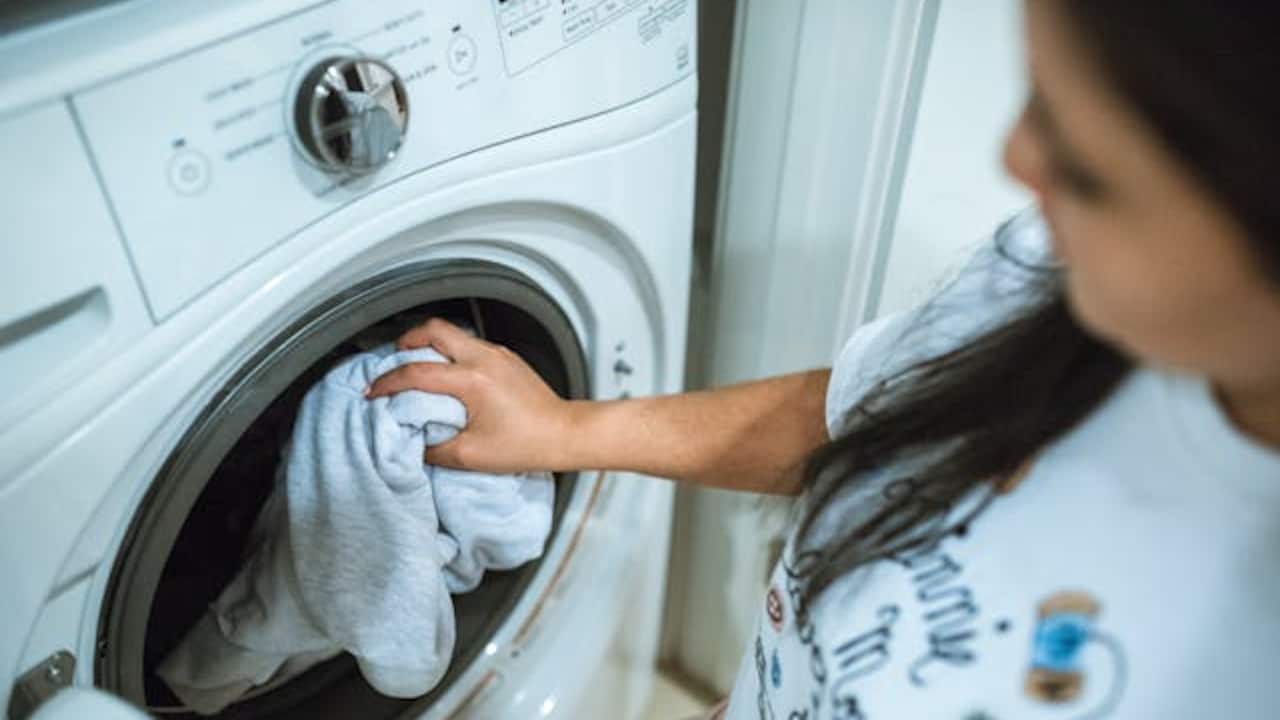
Overloading the machine or using harsh cycles can make clothes twist after washing; Photo Credit: Pexels
The Effect Of Drying Methods
Drying plays a bigger role than most realise. Hanging clothes unevenly or drying them in direct, harsh sunlight can exaggerate twisting. Wet fabric becomes heavy, and gravity pulls it downward, especially if seams are already slightly misaligned.
Clipping a garment at odd angles or wringing it tightly after washing can also distort its structure. Over time, these small habits contribute to visible twisting.
Air drying flat or reshaping garments before drying helps maintain their form. While this won't fix poor-quality fabric, it does minimise additional stress. It's a small step that can extend the life of everyday clothes.
Stitching Quality And Seam Construction
Seams themselves play a role in whether twisting becomes noticeable. Strong, well-placed seams can resist fabric movement better than weak or uneven stitching.
In cheaper garments, stitching often prioritises speed over precision. This leads to slight irregularities in seam tension. Once the fabric begins to shift, these seams follow along rather than holding the structure in place.
Well-constructed garments use reinforced seams and consistent stitching patterns. These details may not stand out immediately, but they make a significant difference over time. A quick glance at seam straightness in-store can reveal more than expected.
Fabric Blends Versus Pure Fibres
Blended fabrics, such as cotton-polyester mixes, behave differently from pure cotton. While blends often resist shrinking, they can still twist if the fibre combination isn't balanced properly.
Pure cotton, especially softer varieties, tends to twist more if not processed correctly. However, high-quality cotton fabrics undergo treatments that stabilise their structure. These treatments reduce twisting but increase production costs.
Blends can offer a middle ground, but quality still matters. A poorly made blend will twist just as much as a low-grade cotton garment. The key lies in how the fibres are processed, not just what they are made of.
What Seam Twisting Reveals About Brand Priorities
At its core, seam twisting reflects the choices brands make. It highlights whether a company prioritises durability or simply focuses on quick sales.
Brands that invest in better yarns, careful cutting, and proper finishing processes produce garments that maintain their shape. Others cut costs at every stage, resulting in clothes that look good initially but degrade quickly.
For shoppers, seam twisting becomes a subtle but powerful indicator. It's a reminder that quality isn't always visible at first glance. Sometimes, the real test comes after a few spins in the washing machine.
Understanding this helps shift focus from short-term appeal to long-term value. After all, a slightly higher upfront cost often saves money and frustration in the long run.
Products Related To This Article
1. SZN Floral Print Ethnic Cotton Tunic
2. ECOLINE Clothing Men Antimicrobial Solid Polo Collar Organic Cotton T-shirt
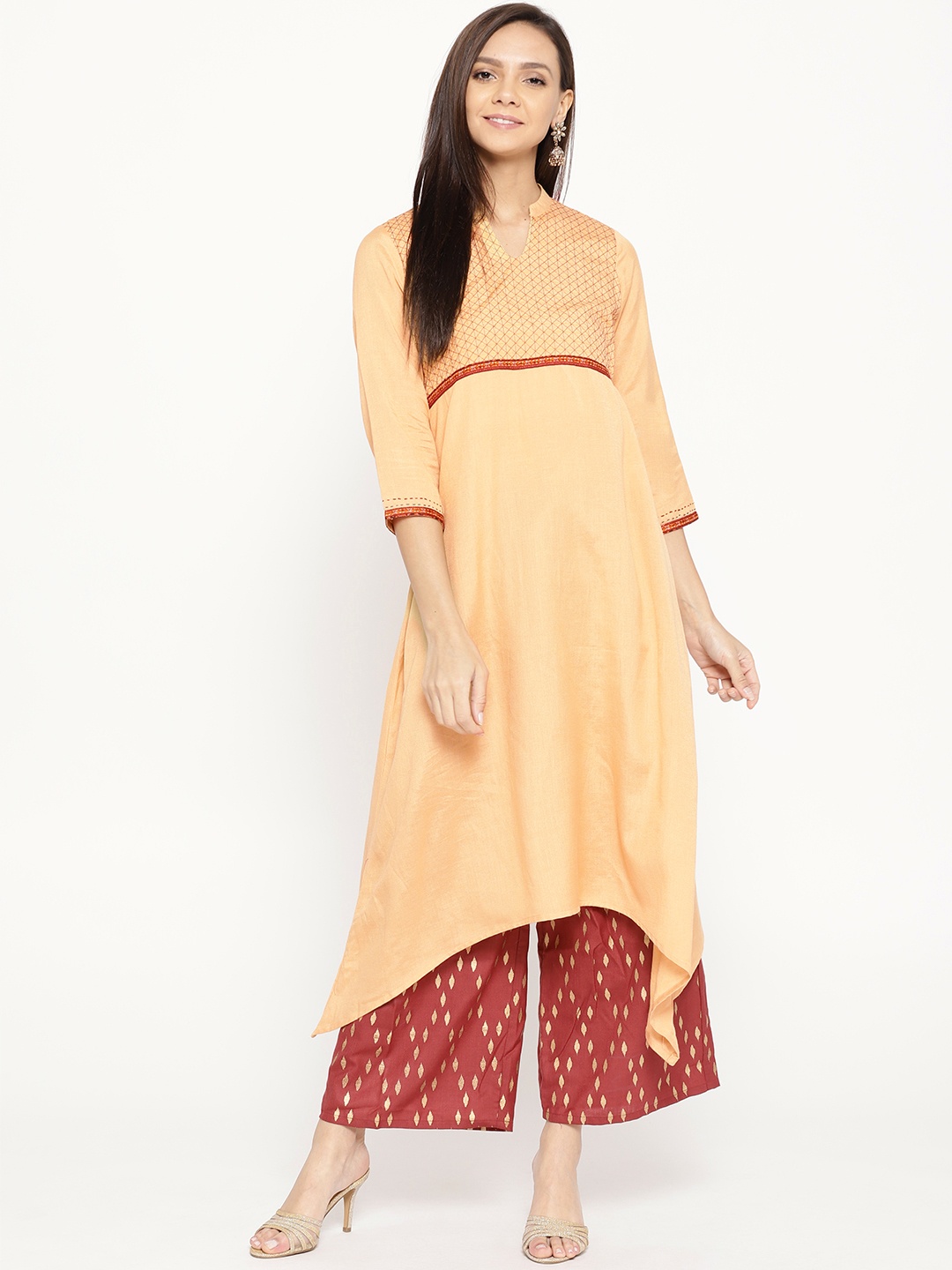
3. MOKOSH Women Paisley Printed Regular Pure Cotton Kurta with Palazzos
4. Silver Moon Clothing Men Typography Printed T-shirt
5. Anouk Women Printed Regular Mirror Work Pure Cotton Kurta with Palazzos & With Dupatta
A twisting seam might seem like a minor inconvenience, but it tells a much larger story. It speaks of fabric grain, yarn tension, cutting precision, and the quiet decisions made during manufacturing.
Clothes are more than just style statements. They are products of craftsmanship, or the lack of it. Recognising the signs of quality helps build a wardrobe that lasts longer and feels better to wear.
The next time a T-shirt comes out of the wash looking a little crooked, it won't feel like a mystery anymore. Instead, it becomes a clue. And with that understanding, choosing better garments becomes less of a gamble and more of a smart, informed decision.
(Disclaimer: This article may include references to or features of products and services made available through affiliate marketing campaigns. NDTV Convergence Limited (“NDTV”) strives to maintain editorial independence while participating in such campaigns. NDTV does not assume responsibility for the performance or claims of any featured products or services.)