Why Your Black Clothes Fade Too Fast: Fabrics That Hold Colour Longer
Black clothes fade faster than expected due to fabric type and care habits. Discover why this happens and which fabrics hold colour longer, so your wardrobe stays darker, sharper, and lasts longer.
Top reasons why black clothes fade easily and how to choose ones that don't
Few things feel as dependable as a good black outfit. It works for rushed mornings, formal evenings, and everything in between. Yet, the disappointment hits quickly when that crisp black kurta or favourite T-shirt turns dull grey after a few washes. The colour that once looked sharp now seems tired, almost reluctant to stay bold.

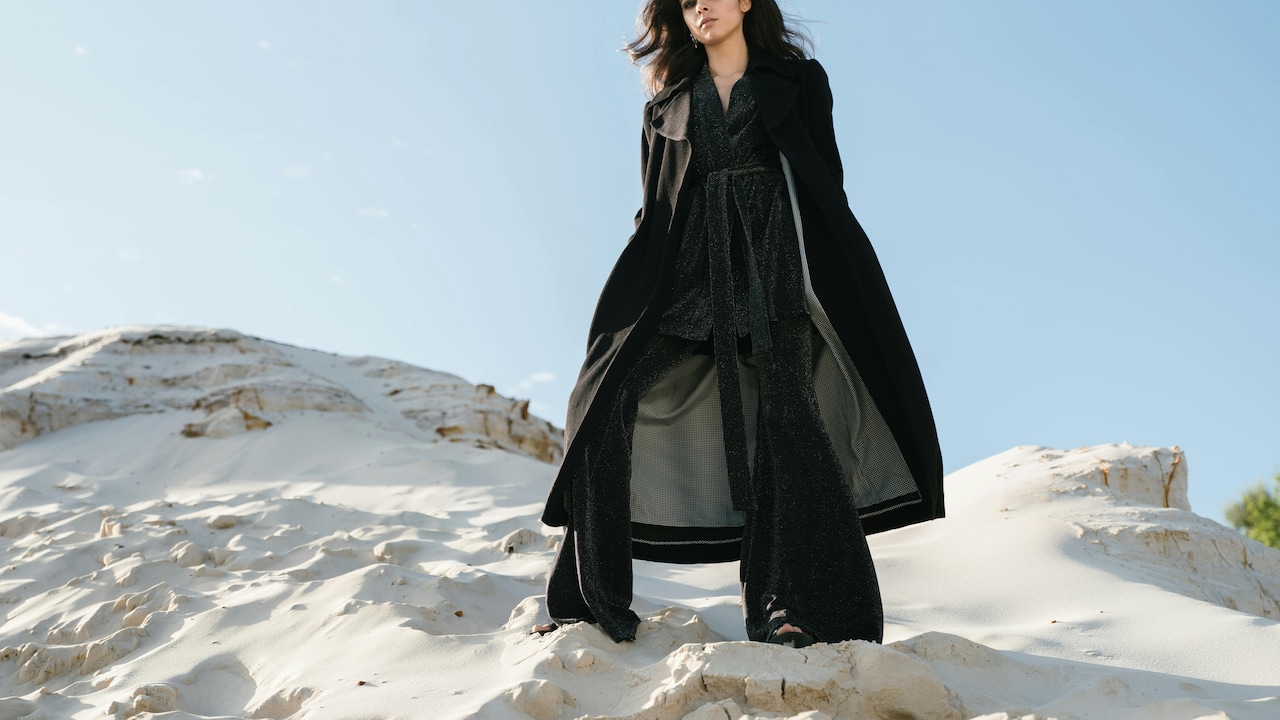
Common reasons why black colours fade a little too fast; Photo Credit: Pexels
This fading is not just bad luck or poor-quality clothing. It often comes down to fabric science, dyeing processes, and everyday habits that quietly strip colour away. Many wardrobes hold pieces bought with excitement, ₹1,200 spent on a trendy top or ₹2,500 on a formal shirt, only to watch them lose their charm far too soon.
Understanding why black clothes fade can save both money and frustration. More importantly, knowing which fabrics hold colour longer can help build a wardrobe that stays stylish without constant replacement. After all, black should stay black, not become a washed-out memory.
Also Read: Top 5 Black Jeans For Women Under ₹499: Perfect Affordable Bottoms For Your Holi Party Look
Key Reasons Black Clothes Fade And Fabrics That Last Longer
The Truth About Dye And Why Black Is Vulnerable
Black dye may seem strong, but it is surprisingly complex. Unlike lighter shades, black often comes from a mix of multiple dyes layered together. This combination creates depth but also introduces instability. Each dye reacts differently to water, detergent, and sunlight, which explains why black garments fade unevenly.
Many garments undergo quick dyeing processes to reduce production costs. This means the colour does not fully bond with the fibres. The first few washes then act like a test, pulling away loose dye. That is why water often turns grey or bluish during initial washes.
Heat plays another role. Warm water opens up fabric fibres, allowing dye to escape more easily. Even friction from washing machines contributes to gradual fading. Over time, the deep black begins to lose intensity.
The problem is not always visible immediately. It creeps in slowly, turning bold pieces into dull ones. Understanding this helps shift focus from blaming the garment to choosing smarter fabrics and care methods.
Cotton: Comfortable But Colour-Losing
Cotton feels like a dream, especially in warm weather. It breathes well and suits daily wear, but it struggles to hold onto black dye. The natural fibres absorb dye easily, yet they do not lock it in firmly. This makes cotton particularly prone to fading.
Repeated washing weakens the bond between dye and fibre. Add sunlight to the mix, and fading speeds up. Many have experienced that favourite black cotton T-shirt turning grey after just a few weeks of regular wear.
Cotton garments also face friction damage. Washing machines, especially during heavy cycles, rub fibres against each other. This creates a worn-out surface that reflects light differently, making the fabric appear faded even if some dye remains.
That does not mean cotton should be avoided. Instead, it helps to treat it gently. Cold washes, mild detergents, and air drying can slow down the fading process. Still, for long-lasting black colour, cotton alone may not always be the best choice.
Polyester: The Unsung Hero Of Colour Retention
Polyester often gets dismissed as less comfortable, yet it excels in one area, holding colour. Unlike natural fibres, polyester is synthetic and non-porous. This allows dye to bond more securely during manufacturing.
The result is impressive colour retention. Black polyester garments tend to stay darker for longer, even after repeated washes. This makes them ideal for items like sportswear, formal trousers, or everyday essentials that see frequent use.
Another advantage lies in durability. Polyester resists friction better than cotton, so the fabric surface remains smooth. This helps maintain that deep, rich appearance over time.
However, comfort can be a concern in humid climates. Many prefer blends that combine polyester with natural fibres. This offers a balance between breathability and colour longevity.
For those tired of faded blacks, polyester-based fabrics provide a practical solution. They may not feel luxurious, but they certainly keep their colour game strong.
Denim: Why Black Jeans Fade Differently
Black denim has its own personality. Unlike other fabrics, denim often uses surface dyeing techniques. The colour sits more on the outside rather than penetrating deeply into the fibres.
This gives black jeans their signature look, but also explains why they fade quickly, especially at stress points like knees and pockets. Friction from daily movement gradually removes the dye, creating lighter patches.
Some people appreciate this worn-in effect. It adds character, much like classic blue jeans. Others find it frustrating when jeans lose their original deep black shade too soon.
The washing process plays a huge role here. Frequent washing accelerates fading, while less frequent cleaning helps preserve colour. Turning jeans inside out before washing can also reduce surface abrasion.
Denim may never stay perfectly black forever, but understanding its nature helps set realistic expectations. It is not just fading, it is evolving, sometimes whether one likes it or not.
Wool: Surprisingly Strong With Colour
Wool rarely gets attention in discussions about colour retention, yet it performs remarkably well. Its fibre structure allows dye to penetrate deeply, creating a strong bond that resists fading.
Black wool garments often maintain their richness for years. This makes them a reliable choice for winter wear, formal coats, or sweaters. Even with occasional washing, the colour tends to stay intact.
Another advantage lies in wool's natural resilience. It resists dirt and odour, reducing the need for frequent washing. Less washing means less exposure to fading factors.
However, wool requires careful handling. Harsh detergents or hot water can damage fibres and affect colour. Gentle cleaning methods are essential to preserve both texture and shade.
For those seeking long-lasting black garments, wool offers a quiet but effective solution. It may not be suitable for all seasons, but when used right, it delivers both warmth and colour stability.

The fibre structure of wool allows dye to penetrate deeply and resist fading; Photo Credit: Pexels
Blended Fabrics: The Best Of Both Worlds
Blended fabrics combine different materials to balance comfort and durability. A mix of cotton and polyester, for example, can improve colour retention while maintaining breathability.
These blends often outperform pure cotton in keeping black shades intact. The synthetic component helps anchor the dye, while the natural fibre adds softness.
Many everyday garments use blends without much attention from buyers. Yet, they quietly solve the problem of fading. Shirts, trousers, and casual wear made from blends tend to look newer for longer.
The key lies in the ratio. Higher polyester content usually means better colour retention. However, too much can reduce comfort in warmer conditions.
Choosing blended fabrics can feel like a practical compromise. They may not offer the pure feel of cotton or the full durability of polyester, but they strike a balance that works well for everyday life.
The Role Of Washing Habits In Fading
Fabric choice matters, but washing habits often play an even bigger role. Many black garments lose colour not because of poor quality, but due to routine mistakes.
Hot water is one of the biggest culprits. It loosens dye bonds and speeds up fading. Similarly, strong detergents strip colour along with dirt. Even overloading the washing machine increases friction, which damages fabric surfaces.
Frequent washing also contributes to fading. Not every garment needs cleaning after a single wear. Allowing clothes to air out can reduce unnecessary washes.
Drying methods matter too. Direct sunlight fades black fabrics quickly. Shade drying or indoor drying helps preserve colour.
Small changes in routine can make a noticeable difference. Treating black clothes with a bit more care often extends their life significantly, saving both money and wardrobe frustration.
Sunlight: The Silent Colour Killer
Sunlight feels harmless, even comforting, but it quietly breaks down fabric dyes. Ultraviolet rays weaken the chemical bonds that hold colour in place.
Black garments are especially vulnerable because they absorb more heat and light. This accelerates the fading process. Clothes left to dry under harsh sun often lose their richness faster than expected.
Many households rely on outdoor drying, especially during hot seasons. While practical, it helps to turn clothes inside out before drying. This protects the outer surface from direct exposure.
Indoor drying or shaded areas can make a noticeable difference. It may take slightly longer, but the payoff comes in longer-lasting colour.
Sunlight does not just fade clothes, it changes how they age. Being mindful of this simple factor can help maintain that deep black look for much longer.
Fabric Quality And Price: Does More Money Help?
A higher price tag does not always guarantee better colour retention, but it often indicates better dyeing processes and fabric quality. Premium brands tend to invest in stronger dyes and improved techniques.
Garments priced around ₹2,000 to ₹4,000 may hold colour longer than cheaper alternatives, but this is not a strict rule. Some affordable pieces perform surprisingly well, especially if made from polyester blends.
The real difference lies in how the fabric is treated. Pre-washed or pre-treated garments often lose less colour over time. Checking labels for dye quality or colourfastness can also help.
Still, care remains crucial. Even expensive clothes can fade quickly if handled poorly. Spending more does not replace the need for proper washing and drying habits.
Smart choices combine reasonable spending with thoughtful care. That approach keeps black clothes looking sharp without constantly replacing them.
Choosing Smarter: Fabrics That Truly Last
Building a wardrobe with long-lasting black pieces comes down to informed choices. Polyester and blended fabrics stand out for durability. Wool offers excellent colour retention for colder months. Denim requires realistic expectations but can still look stylish as it ages.
Avoid relying solely on pure cotton for pieces expected to stay deep black for long. Instead, look for blends or fabrics specifically designed for colourfastness.
Pay attention to labels, feel the fabric, and consider how often the garment will be worn and washed. A gym outfit needs different durability compared to a festive kurta.
Small decisions at the time of purchase can prevent disappointment later. Choosing the right fabric means fewer faded clothes and more value from every rupee spent.
Black clothing should feel timeless, not temporary. With the right choices, it can stay that way.
Products Related To This Article
1. H&M Zip-Through Hoodie
2. Marks & Spencer Jersey Collarless Waistcoat
3. Sangria Black & Red Embroidered Tunic
4. KOTTY BIZwear Women Relaxed Straight Fit High-Rise Easy Wash Parallel Trousers
5. Anouk Women Printed Regular Kurta with Trousers
Black clothes carry a quiet confidence. They simplify decisions, suit every occasion, and rarely go out of style. Yet, their tendency to fade often turns them into short-lived favourites.
The real solution lies in understanding both fabric and care. Cotton offers comfort but fades quickly. Polyester and blends provide strength and colour retention. Wool quietly delivers long-lasting richness. Even denim, with its fading quirks, has its own charm when handled right.
Beyond fabric, everyday habits matter just as much. Gentle washing, avoiding harsh sunlight, and reducing unnecessary cleaning can extend the life of black garments significantly.
A wardrobe filled with well-chosen fabrics and thoughtful care does more than save money. It keeps that deep, confident black intact, just as it was meant to be.
(Disclaimer: This article may include references to or features of products and services made available through affiliate marketing campaigns. NDTV Convergence Limited (“NDTV”) strives to maintain editorial independence while participating in such campaigns. NDTV does not assume responsibility for the performance or claims of any featured products or services.)