Tote Bags That Feel Heavy Even When Empty: Material Choices Explained
Some tote bags feel heavy even when empty. The reason lies in their material. From canvas to leather, this guide explains why certain fabrics add weight and how to choose a lighter, more practical option.
Heavy Tote Bags Explained: How Fabric Choices Affect Weight And Comfort
A tote bag often feels like the simplest accessory, just a roomy carryall for daily chaos. Yet, the moment fingers curl around its handles, something odd becomes clear. Some totes feel weighty even before a single item goes inside. It's not imagination. Material choices shape not only durability and aesthetics but also the perceived and actual weight of the bag.
In bustling markets, crowded trains, or quick coffee runs, a bag's weight can quietly influence comfort. That stylish tote picked up for ₹1,500 during a festive sale may start to feel like a burden halfway through the day. Understanding why this happens can save both shoulders and money.
Let's explore what makes certain tote bags feel heavier than they should, and how different materials contribute to that unexpected heft.
Heavy Tote Bags Explained: How Fabric Choices Affect Weight And Comfort; Photo Credit: Pexels
Understanding Why Some Tote Bags Feel Heavier Than Others
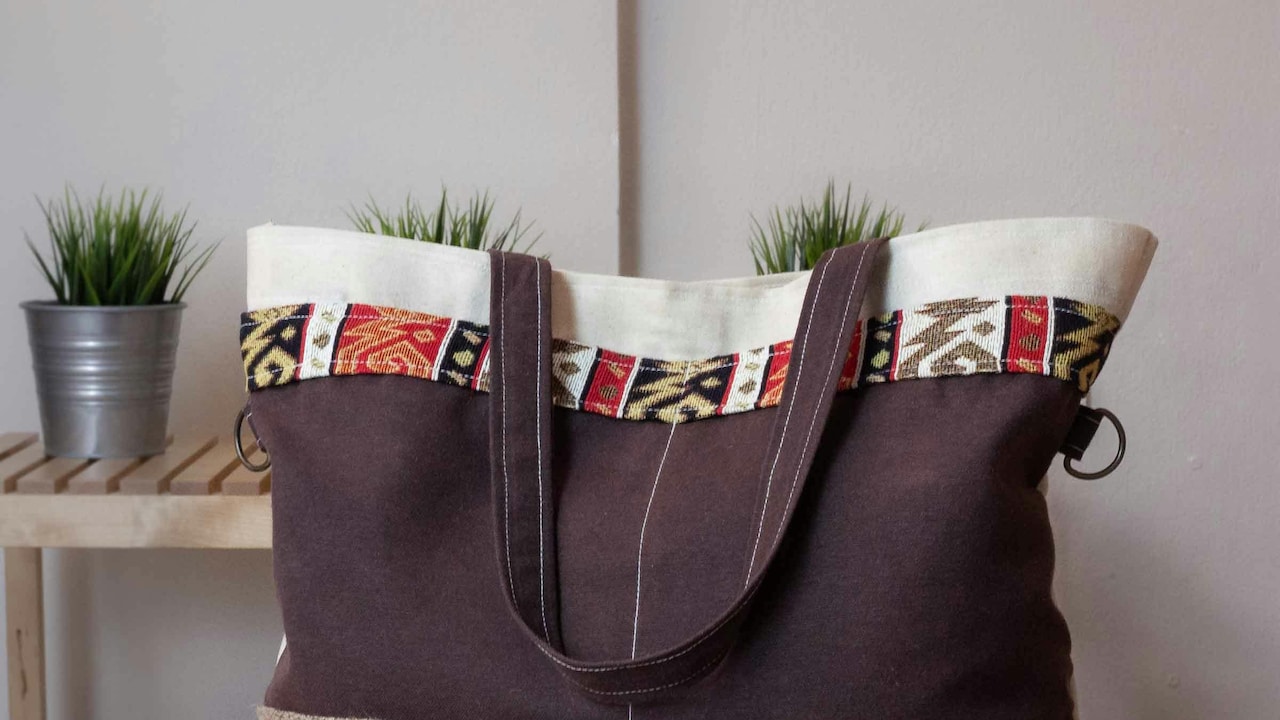
Dense Canvas: The Sturdy Yet Surprisingly Heavy Classic
Canvas totes have earned a loyal following for good reason. They promise durability, structure, and a casual aesthetic that fits everything from grocery runs to office days. However, dense canvas often carries a hidden drawback: it weighs more than expected.
The thickness of canvas fabric plays a major role. Heavier grades, designed to last years, contain tightly woven fibres that add bulk. Even before adding a laptop or water bottle, the bag itself contributes noticeable weight. On humid days, canvas can also absorb moisture from the air, making it feel slightly heavier.
Despite this, many still prefer canvas because it holds shape well and doesn't sag under pressure. It feels reliable, like a dependable friend who never flakes. But for long commutes or days packed with errands, that extra heft can quietly turn into fatigue.
Choosing lighter canvas blends or opting for unlined versions can make a difference. Otherwise, the sturdy charm comes with a literal weight to carry.
Leather: Luxury That Comes With Weight
Leather totes carry an undeniable sense of polish. They look sophisticated, age beautifully, and often feel like a worthwhile investment. Yet, the same qualities that make leather appealing also make it heavy.
Natural leather, especially full-grain or top-grain varieties, contains dense fibres that add substantial weight. Structured leather totes include reinforced panels, thick straps, and metal hardware, all of which contribute further. Even before adding essentials, the bag already feels like it means business.
There's also a psychological element at play. Leather feels substantial, and that tactile richness can make the weight more noticeable. Carrying one during a long day can feel like holding onto something luxurious but slightly demanding.
For those who love leather but want to avoid the heaviness, softer or thinner variants can help. Faux leather options may also reduce weight, though they often sacrifice longevity. In the end, leather remains a classic choice, but not the lightest companion for everyday hustle.
Also Read: Best 5 Spacious Tote Bags With Multiple Pockets For Work And Daily Use Under ₹2,000
Jute And Natural Fibres: Rustic But Weighty
Jute totes bring a rustic charm that feels earthy and grounded. They often appear lightweight at first glance, thanks to their natural texture and airy weave. Yet, many people feel surprised when lifting them.
Jute fibres, though coarse and breathable, can be dense when tightly woven. The stiffness of the material adds to the perception of weight, especially when the bag features thick handles or reinforced seams. Unlike soft fabrics, jute doesn't fold easily, so it carries a rigid presence.
These bags also tend to come with inner linings to improve usability, which adds another layer of weight. Combined with the natural fibre's texture, the tote may feel heavier than expected for something that looks so simple.
Still, jute remains popular for its eco-friendly appeal and unique look. It pairs beautifully with casual outfits and festive markets. The weight becomes noticeable only after prolonged use, reminding users that natural doesn't always mean light.
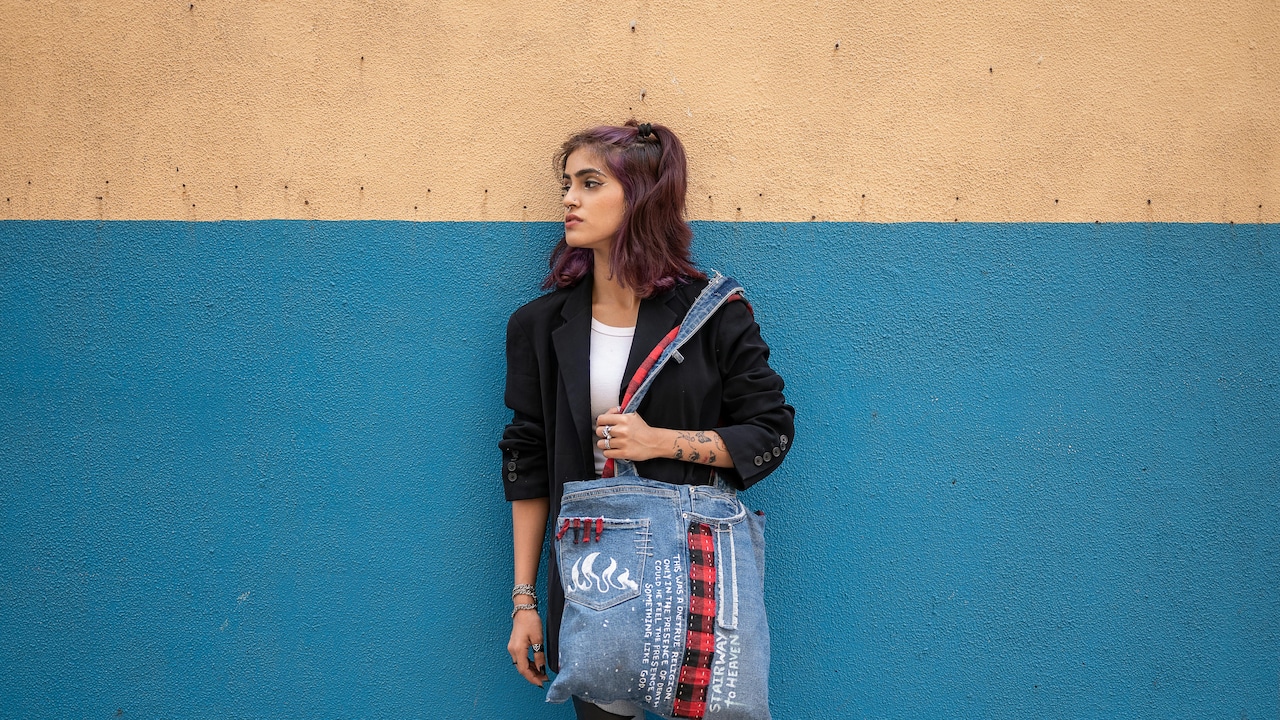
Denim: Casual Style With Hidden Bulk
Denim totes tap into a sense of nostalgia and effortless style. They feel familiar, like an old pair of jeans that fits just right. However, denim fabric often carries more weight than expected.
The twill weave used in denim creates a thick, durable material. While this ensures longevity, it also adds density. Many denim totes use repurposed or layered fabric, increasing thickness and, in turn, weight.
There's also the matter of structure. Denim bags often include double stitching, pockets, and reinforcements, all of which contribute to a heavier feel. Even when empty, the bag doesn't feel feather-light.
Yet, denim's charm lies in its versatility. It transitions easily from casual outings to errands without looking out of place. The slight heaviness becomes part of its personality, a reminder of its rugged origins.
Those seeking lighter options might explore thinner denim or blends. Otherwise, expect a tote that feels sturdy, stylish, and just a little heavier than it looks.
Heavy Tote Bags Explained: How Fabric Choices Affect Weight And Comfort; Photo Credit: Pexels
Polyester And Synthetic Blends: Light But Deceptive
Polyester totes often feel like the lightweight champions of the bag world. Smooth, flexible, and easy to carry, they rarely feel heavy at first. However, certain designs can still surprise users.
When polyester gets layered with padding, lining, or water-resistant coatings, the weight begins to add up. The fabric itself may be light, but the overall construction changes the experience. A structured polyester tote can feel heavier than a simple one, even if both use the same base material.
There's also a subtle illusion involved. Because polyester feels sleek and modern, people expect it to be light. When it isn't, the contrast makes the weight more noticeable.
Despite this, polyester remains a practical choice. It resists moisture, handles wear well, and often comes at accessible price points, sometimes under ₹800. With careful design, it can balance durability and comfort without tipping into heaviness.
Cotton Totes: Soft Yet Not Always Weightless
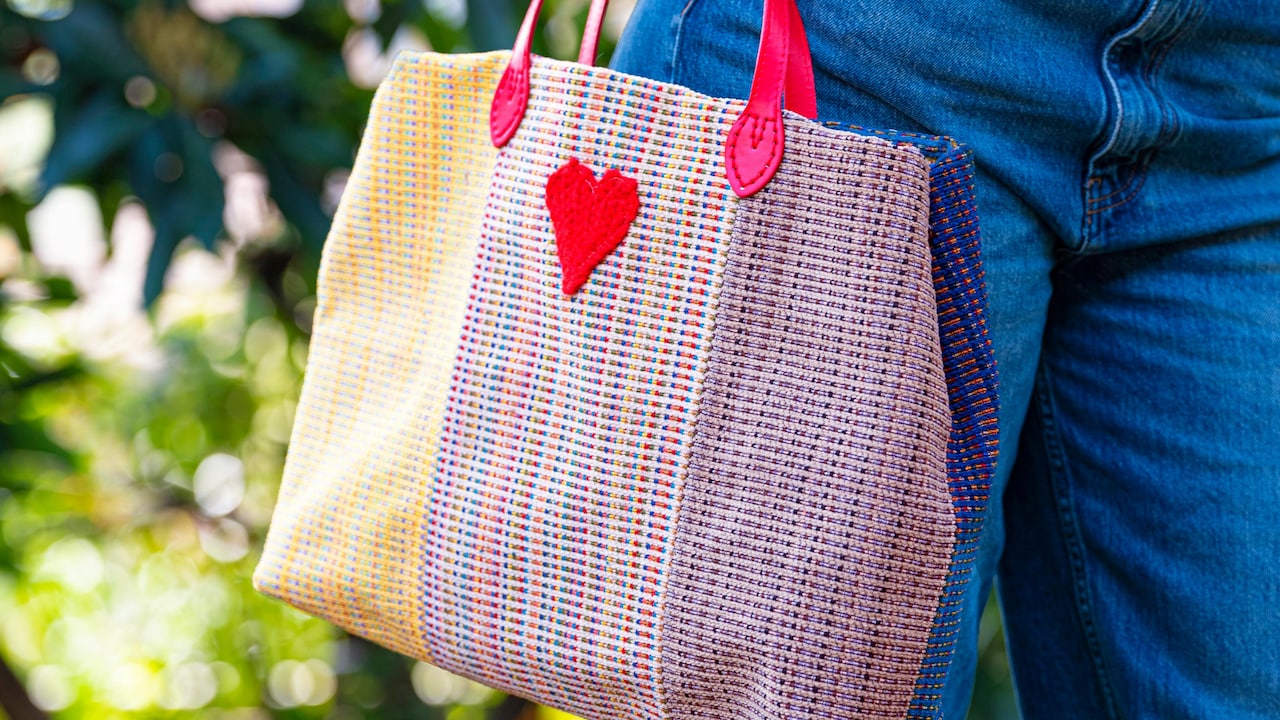
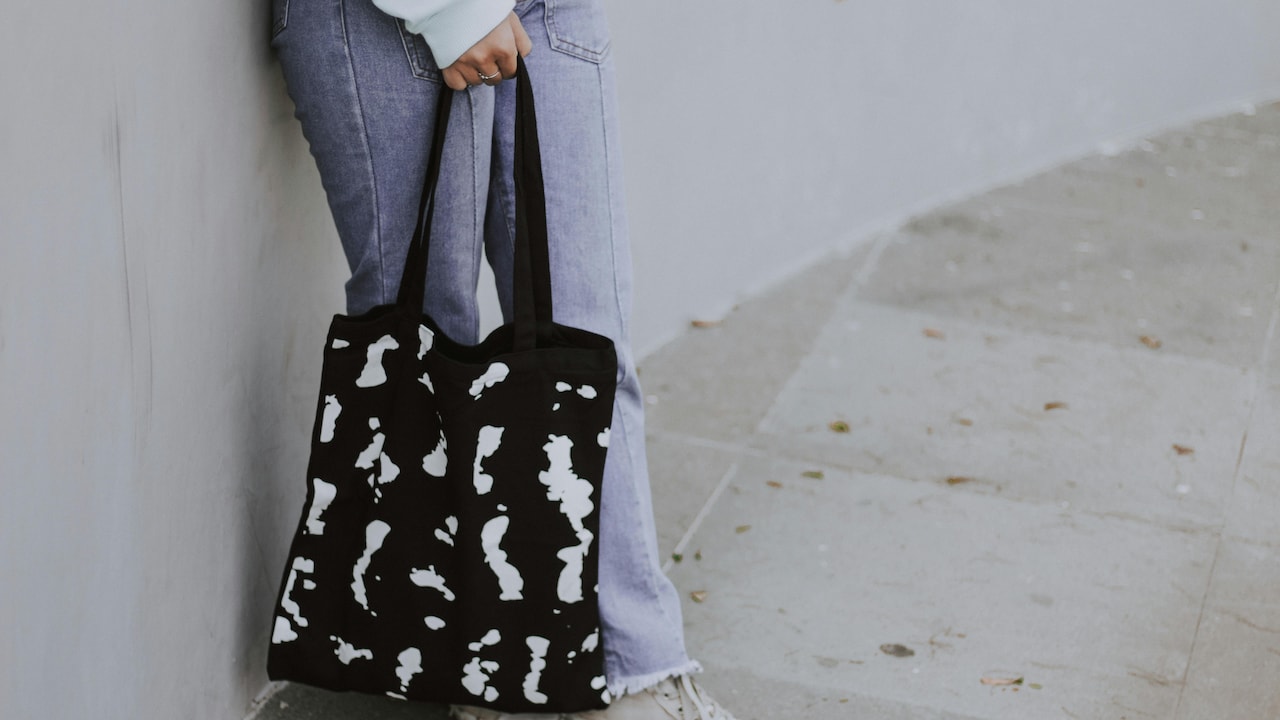
Cotton totes often get labelled as the easiest, breeziest option. They fold neatly, feel soft, and seem almost weightless. But not all cotton bags live up to that expectation.
Thicker cotton fabrics, especially those designed for durability, can carry more weight than lighter variants. Add prints, dyes, or linings, and the bag gains extra grams that become noticeable over time.
The softness of cotton can also create a misleading impression. A bag that feels light in the hand may feel heavier on the shoulder after hours of use. The lack of structure means the weight of the contents spreads unevenly, adding to the discomfort.
Even so, cotton remains a favourite for everyday errands. It feels approachable and easy to maintain. For those seeking true lightness, opting for thinner, unlined cotton can make a noticeable difference.
Linen: Elegant But Slightly Structured
Linen totes carry a quiet elegance. They feel breathable and refined, often associated with relaxed yet polished looks. At first touch, linen seems light, but it can feel heavier than expected once stitched into a bag.
The natural stiffness of linen fibres adds structure, which contributes to perceived weight. Many linen totes also include inner layers to prevent sagging, increasing overall heft.
Unlike cotton, linen doesn't drape as softly. This makes the bag feel more present, even when empty. The crisp texture adds to the sensation of weight, even if the actual difference remains small.
Still, linen works beautifully for those who appreciate understated style. It feels sophisticated without trying too hard. While not the lightest option, it strikes a balance between form and function.
Canvas Blends: The Middle Ground That Isn't Always Light
Canvas blends aim to offer the best of both worlds: durability and reduced weight. By mixing cotton with synthetic fibres, manufacturers try to create a lighter alternative to traditional canvas.
However, results vary. Some blends still lean towards heaviness due to added coatings or reinforcements. Others manage to reduce weight effectively but lose some of the sturdy appeal.
The inconsistency can make choosing the right bag tricky. Two totes may look identical, but feel entirely different when lifted. This unpredictability often leads to surprises after purchase.
Despite this, canvas blends remain popular for their versatility. They adapt well to different styles and uses. With careful selection, they can offer a comfortable balance without the burden of full-weight canvas.
Heavy Tote Bags Explained: How Fabric Choices Affect Weight And Comfort; Photo Credit: Pexels
Hardware And Reinforcements: The Invisible Weight
Material alone doesn't tell the full story. Metal zips, studs, buckles, and reinforced handles quietly add weight to a tote. These elements often go unnoticed until the bag gets lifted.
A tote with thick straps, padded bases, and multiple compartments may feel luxurious but heavier. Even small additions like magnetic closures or decorative accents contribute to the overall load.
This invisible weight often explains why two bags made from the same fabric feel different. One may feel effortless, while the other feels substantial.
Choosing minimal hardware can significantly reduce this effect. Simpler designs often feel lighter and more comfortable for daily use, especially during long commutes or crowded travel.
Perception Vs Reality: When Weight Feels Heavier Than It Is
Sometimes, the weight of a tote isn't just physical, it's psychological. Texture, stiffness, and structure influence how heavy a bag feels.
A rigid tote may seem heavier because it doesn't move naturally with the body. In contrast, a soft bag may feel lighter even if it weighs the same. Colour and design also play subtle roles; darker, structured bags often appear heavier.
Daily context matters too. Carrying a tote during a long day amplifies its weight. What feels fine in the morning may feel exhausting by evening.
Understanding this difference between perception and reality helps in making better choices. A bag that feels right in hand and on the shoulder often matters more than the number on a scale.
Products Related To This Article
1. ZAINTO Tote Bag
2. Anouk Shopper Tote Bag
3. PARSLEY Shopper Tote Bag
4. Mast & Harbour Tote Bag
5. Berrylush Structured Tote Bag
A tote bag may look simple, but its material tells a deeper story. From dense canvas to refined leather, each choice shapes not only style but also how the bag feels throughout the day. What seems like a minor detail can quietly influence comfort, posture, and even mood.
The next time a tote feels heavy despite being empty, it's worth pausing to consider its fabric, structure, and design. A thoughtful choice can turn an everyday essential into something that feels effortless rather than burdensome. After all, a good tote should carry life's essentials, not add to the load.
(Disclaimer: This article may include references to or features of products and services made available through affiliate marketing campaigns. NDTV Convergence Limited (“NDTV”) strives to maintain editorial independence while participating in such campaigns. NDTV does not assume responsibility for the performance or claims of any featured products or services.)