Comfortable Support Bras: How To Choose The Right Size, Band And Straps For Pain-Free Wear
Most comfortable support bras for everyday wear: Here is a practical guide to finding the right fit, support level, and design for your body.

A Complete Guide To Comfortable Support Bras For Pain-Free Everyday Wear, Better Posture, And Confidence.
Every day comfort often begins with small choices. A well-fitted bra ranks high on that list, yet it remains one of the most misunderstood garments. Many people adjust to discomfort without realising that the problem lies in fit rather than fabric. Tight bands, slipping straps, and gaping cups often steal comfort during long workdays, crowded commutes or festive evenings. Choosing the right support bra does not require expert jargon or endless trial rooms. It needs awareness, patience and a little body kindness. Bodies change with time, weather, routine and lifestyle. A bra that felt perfect last year may now feel restrictive or loose.
This article unpacks the basics in an easy, conversational way. From measuring size to understanding strap styles, each section focuses on practical comfort. So, if you are looking for comfortable support bras, here is how to choose the right size, band and straps.
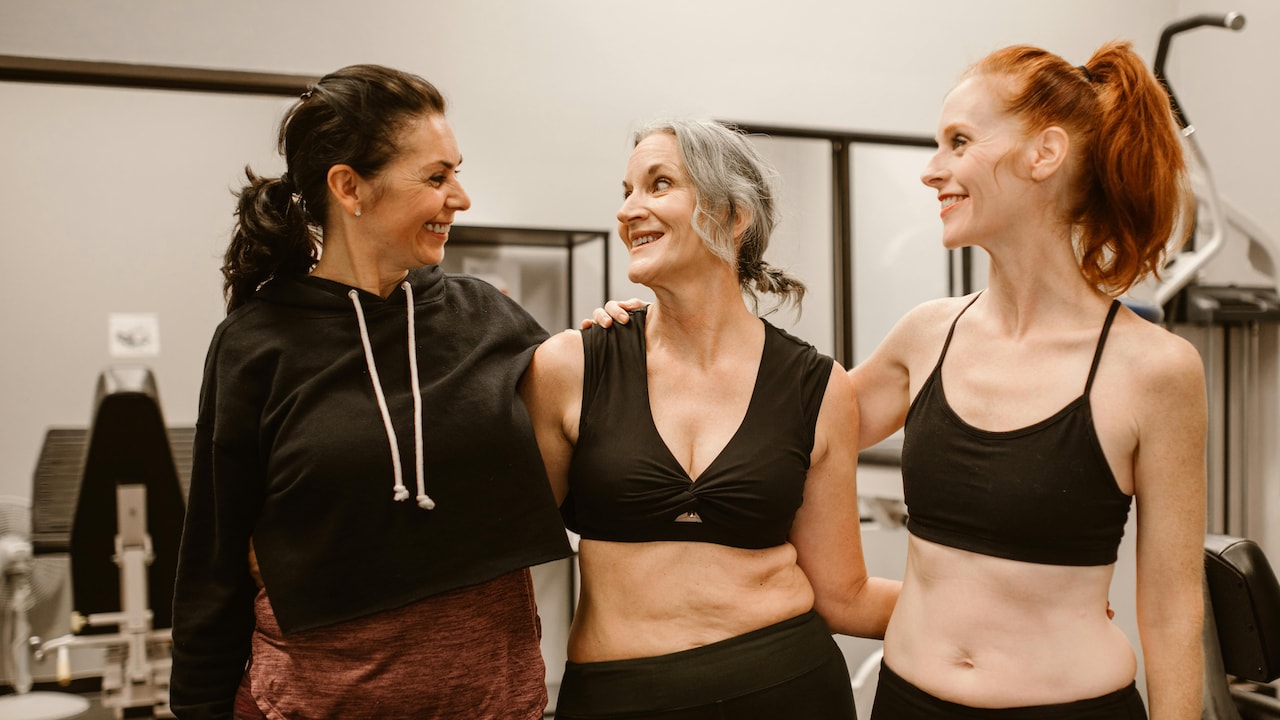
A Complete Guide to Comfortable Support Bras For Pain-Free Everyday Wear; Photo Credit: Pexels
The Small Fit Details That Make a Big Difference To Daily Comfort
1. Understanding Bra Size Beyond Numbers
Bra sizes often feel confusing, yet they follow a simple logic. The number reflects the band, while the letter shows cup volume. Many rely on guesswork, which leads to sore shoulders or breathless afternoons. Measuring at home helps. Use a soft tape and measure snugly under the bust for the band. Measure loosely around the fullest part of the cup.
A common mistake lies in sticking to one size for years. Weight shifts, hormonal changes and age influence bust shape. Even posture affects fit. Trying sister sizes also helps. For example, a 34C offers similar cup volume to a 32D. This trick saves time during sales when favourite sizes vanish.
Comfort shows instantly. Cups should sit smoothly without bulges. The centre should lie flat. A well-chosen size feels secure without shouting its presence during daily movement.
2. Why the Band Does the Heavy Lifting
The band carries most of the support, not the straps. Yet many choose loose bands for quick comfort, which backfires later. A firm band anchors the bra and reduces shoulder strain. It should sit level across the back and stay put during stretches or arm lifts.
A simple test helps. Slide two fingers under the band. If they fit snugly without struggle, the size works. If the band rides up, support drops, and discomfort follows. New bras should fasten on the loosest hook, allowing adjustment as the fabric relaxes over time.
Climate matters too. Humidity can make tight bands feel unbearable. Opting for breathable fabrics with firm elastics balances hold and comfort. A supportive band feels reassuring, not restrictive, even during long hours at a desk or traffic-heavy evenings.
Also Read: Bralette Vs Bra: Best Styling Tips And When To Choose A Bralette Over A Bra
3. Cups That Match Shape, Not Just Size
Cup fit goes beyond letter size. Bust shape varies widely. Some feel fuller at the bottom, others at the sides or top. Choosing cups that match the shape prevents gaping or spillage. Full-coverage cups suit everyday wear, while balconette styles offer lift without excess coverage.
Wrinkling signals cups that run large. Overflow hints at cups that run small. Adjusting cup style often solves issues faster than changing size. Seam placement also matters. Vertical seams lift, while horizontal seams shape.
Trying bras later in the day helps, as the body naturally expands. Movement matters too. Bend forward slightly and scoop tissue into the cups. This simple step improves fit and comfort. Cups should hug gently, offering space without pressure.
4. Straps: Small Detail, Big Impact
Straps influence comfort more than expected. Thin straps may look elegant, yet they dig into the shoulders during long wear. Wider straps distribute weight evenly and reduce red marks. Adjustable straps allow a custom fit, which matters for different outfits and postures.
Slipping straps signal loose adjustment or a poor band fit. Tightening straps alone rarely solves the issue. The band must support first. Racerback options work well for active days or narrow shoulders, while multiway straps add flexibility for festive outfits.
Padding on straps helps during extended wear, especially for fuller busts. Straps should sit securely without cutting into skin. When adjusted correctly, they support lightly and stay unnoticed throughout the day.
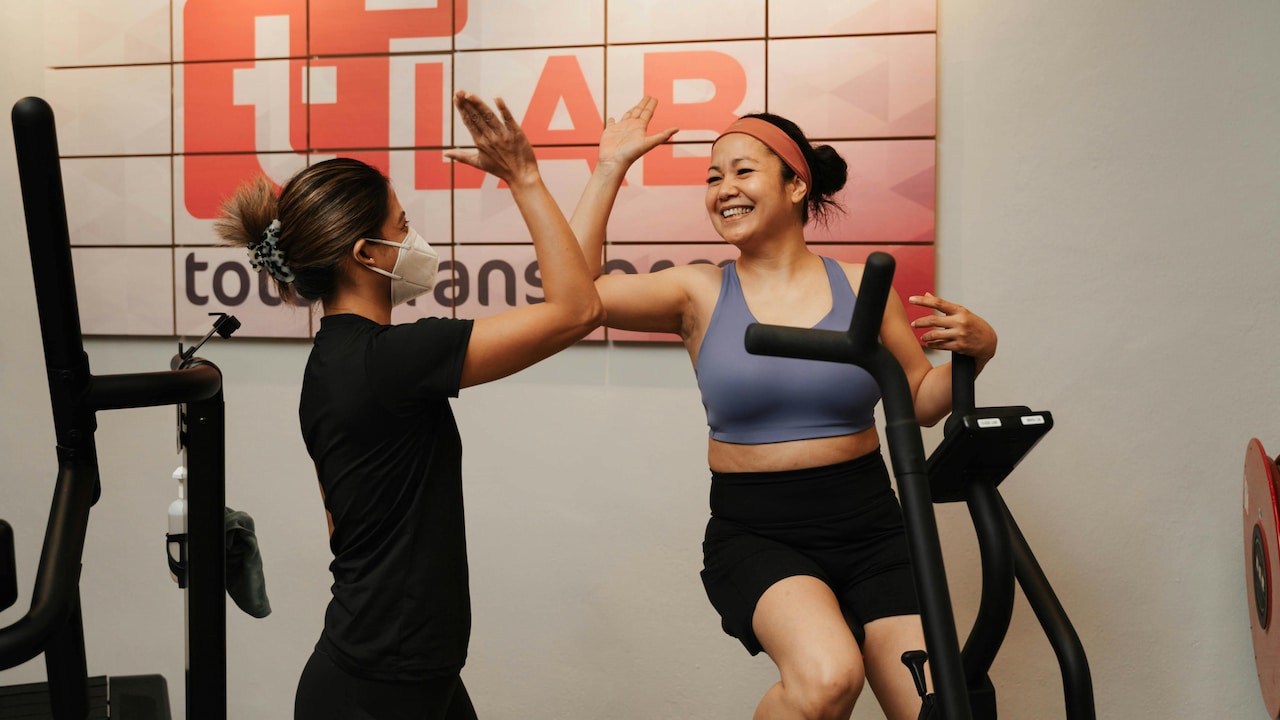
A Complete Guide to Comfortable Support Bras For Pain-Free Everyday Wear; Photo Credit: Pexels
5. Fabric Choices That Breathe and Support
Fabric affects comfort as much as fit. Breathable materials like cotton blends suit daily wear, especially in warm climates. They absorb moisture and reduce irritation. Microfibre feels smooth under fitted clothing and works well for office wear.
Lace looks delicate, yet modern designs combine stretch and support effectively. Look for lined lace that balances beauty and function. Avoid stiff seams or rough edges that cause chafing.
Elastic quality matters. Cheap elastics lose shape quickly, leading to sagging bands and slipping straps. Investing in better fabric saves money long-term. A well-made bra retains shape after multiple washes and continues to support without discomfort.
6. Choosing Bras for Different Occasions
One bra rarely suits every moment. Every day wear demands comfort and reliability. T-shirt bras offer smooth silhouettes under kurtas and tops. Lightly padded options provide modesty without bulk.
For active days, sports bras reduce bounce and protect tissue. Choose medium or high support based on activity level. For festive wear, plunge or strapless bras enhance outfits without compromising support. Ensure strapless styles have strong bands and silicone grips.
Rotating bras extends lifespan and maintains elasticity. Wearing the same bra daily strains the fabric. Keeping a small collection for work, rest and celebration ensures comfort across moods and moments.
7. Common Fit Mistakes That Cause Pain
Many tolerate discomfort without questioning fit. Common errors include wearing bands too loose, cups too small and straps too tight. Over-tightened straps cause shoulder pain and neck strain. Loose bands fail to support, shifting weight upwards.
Ignoring the centre gore fit leads to constant adjusting. If it floats, support drops. Wearing old, stretched bras also causes pain. Elastic loses strength over time, even if the bra looks fine.
Another mistake involves buying based on appearance alone. Style matters, yet comfort decides longevity. Trying bras with movement tests prevents regret. Lift arms, twist gently and sit down. A good bra stays comfortable through it all.

A Complete Guide to Comfortable Support Bras For Pain-Free Everyday Wear; Photo Credit: Pexels
8. How to Measure at Home with Confidence
Home measurement saves time and awkward fittings. Use a mirror and soft tape. Measure snug under the bust for band size. Measure loosely around the fullest part for cup size. Round numbers sensibly.
Avoid measuring over thick clothing. Stand relaxed and breathe normally. Recheck measurements every six months. Changes occur quietly and steadily.
Online size charts help, yet brand variations exist. Reading reviews offers insight into fit and fabric. When in doubt, order two sizes and return the misfit. Confidence grows with practice, turning measuring into a simple self-care ritual.
9. When to Replace a Bra
Bras do not last forever. Signs of wear include stretched bands, curling wires and fading elasticity. If the bra rides up or needs the tightest hook immediately, replacement time arrives.
Regular rotation extends life. Washing gently also helps. Hand wash or use a mesh bag on gentle cycles. Avoid wringing and direct heat. Dry flat to maintain shape.
Replacing bras every 8–12 months works well for regular wear. Budget planning helps. Allocating around ₹1,200–₹2,500 for a quality everyday bra offers comfort and durability. Investing in fit pays off daily, often unnoticed until discomfort disappears.
10. Building a Comfort-First Bra Wardrobe
A thoughtful bra wardrobe values comfort over trends. Start with neutral colours for daily wear. Add a darker option for deeper shades and a lighter one for pale outfits. Include one sports bra and one festive style.
Focus on fit checks during every purchase. Comfort changes with time and routine. Listening to the body prevents pain. A good bra feels supportive, light and reassuring.
Confidence often begins with comfort. When undergarments fit well, posture improves, and mood lifts subtly. Choosing the right size, band, and straps transforms daily wear into an effortless experience, proving that comfort and style can coexist beautifully.
Products Related To This Article
1. Anamta Pack of 3 Women Push-up Lightly Padded Bra
2. Clovia Women T-Shirt Lightly Padded Bra
3. Aurill Women Full Coverage Lightly Padded Bra
4. BOOMSHY Pack of 3 Women Everyday Non Padded Bra
5. Anumzee Women Bralette Non Padded Bra
Comfortable support bras form the foundation of daily ease. Understanding size, band and straps removes guesswork and prevents pain. Small adjustments create noticeable comfort shifts. With mindful choices and regular fit checks, bras become trusted allies rather than tolerated necessities. The right support quietly enhances confidence, movement and everyday joy, one comfortable day at a time.
(Disclaimer: This article may include references to or features of products and services made available through affiliate marketing campaigns. NDTV Convergence Limited (“NDTV”) strives to maintain editorial independence while participating in such campaigns. NDTV does not assume responsibility for the performance or claims of any featured products or services.)