Does A Good Chest Fit Mean A Denim Jacket Fits Properly? 10 Fit Myths Explained
A denim jacket can fit well at the chest and still feel wrong elsewhere. Discover 10 common fit myths about shoulders, sleeves, length, layering and sizing, and learn what a proper denim jacket fit really looks like.
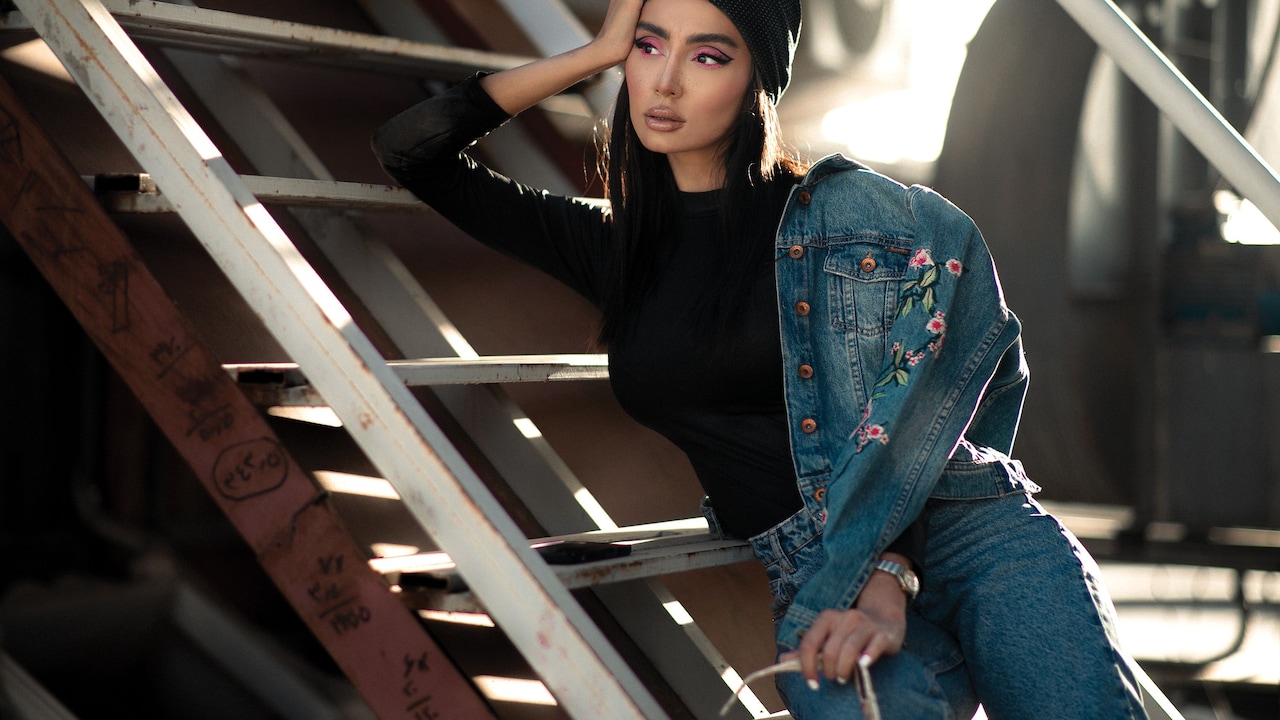
Myths about denim jacket fit and how to find the best option
A denim jacket has a funny way of looking easy to buy. Spot one on a rack, check the colour, try it on, button it up and glance at the chest. If nothing pulls, many shoppers assume the job is done. Not quite. Denim jackets are structured garments. Their fit depends on how the shoulders sit, where the sleeves end, how much room the body allows and whether the jacket works with the clothes underneath. Even the length matters more than most people realise. A jacket that feels fine while standing still may suddenly seem restrictive when reaching for a helmet, driving through traffic or carrying a backpack. That is where fit myths create trouble. Some come from old tailoring rules. Others come from copying celebrity outfits or assuming denim should behave like a T-shirt. Plenty sound sensible until the mirror tells a different story.

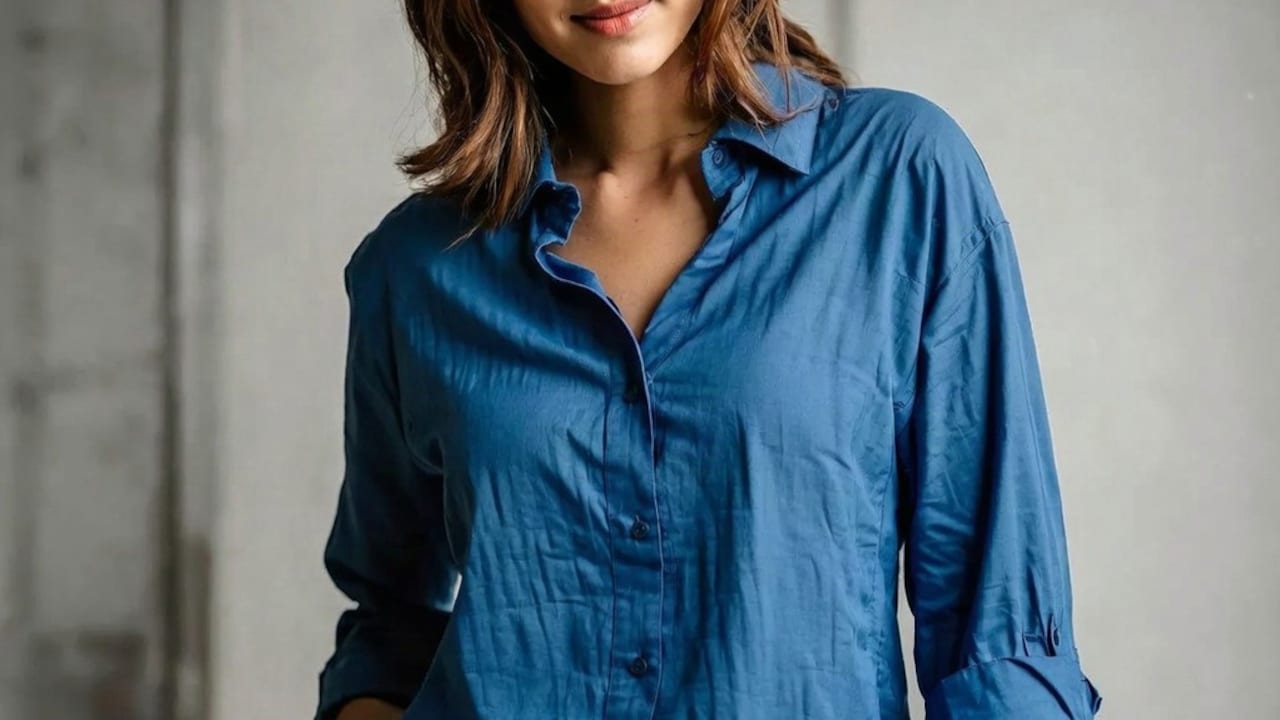
Denim jacket fit guide for women
Photo Credit: Pexels
A good chest fit certainly matters, but it is only one piece of the puzzle. Before spending ₹3,000, ₹6,000 or more on a jacket that lives at the back of the wardrobe, it helps to know what proper fit actually looks and feels like.
Also Read: Beat Monsoon Shivers: Explore Stylish Jackets For Lightweight Coverage Under ₹1000
10 Denim Jacket Fit Myths You Should Stop Believing
Myth 1: If The Chest Fits Well, The Whole Jacket Fits
A comfortable chest is a promising start, not a final verdict.
When the jacket is buttoned, the front should sit smoothly without deep horizontal pulling. At the same time, excess fabric should not balloon around the torso. Yet even when the chest looks perfect, problems can hide elsewhere.
The shoulders may extend beyond the natural shoulder line. Sleeves may run halfway over the hands. The armholes might feel too low, making every movement drag the entire jacket upwards. A long body can also turn a classic cropped denim silhouette into something closer to an overshirt.
Think of the chest measurement as one checkpoint on a longer journey.
Move the arms forwards. Lift them slightly. Sit down. Reach across the body as though grabbing a seat belt. These simple movements reveal far more than standing stiffly in front of a fitting-room mirror.
A properly fitting jacket should give enough room for movement while keeping its structure. If the chest feels great but everything else seems borrowed from an older cousin, the fit still needs work.
Myth 2: Denim Jackets Should Always Fit Tight
A fitted denim jacket can look sharp, but “fitted” and “tight” are not the same thing.
Tight denim often announces itself immediately. Buttons strain. The fabric pulls around the chest. Reaching forwards feels oddly athletic. Add a sweatshirt underneath and suddenly breathing becomes part of the styling challenge.
Classic denim jackets do tend to sit closer to the body than bulky winter coats. That does not mean they should grip every centimetre. There should be enough ease for natural movement and, depending on how the jacket will be worn, space for a light layer.
A useful test is to button the jacket and slide a hand comfortably between the fabric and the torso. There is no need for a cavernous gap, but some breathing room helps.
Climate also matters. In cities where afternoons remain warm for much of the year, a denim jacket may mostly sit over a T-shirt. In cooler months or during hill-station trips, a little extra room becomes valuable.
Sharp style should never require standing perfectly still.
Myth 3: Shoulder Fit Does Not Matter With Casual Jackets
Denim may be casual, but its shoulders still carry the entire silhouette.
The shoulder seam should generally sit close to the edge of the natural shoulder. When it falls too far down the arm, the jacket can appear oversized even when the chest measurement seems correct. When the seam sits too far inward, movement may feel restricted and the upper body can look cramped.
There is one exception: intentionally oversized designs. Those jackets often use dropped shoulders as part of the look. In that case, the looseness should appear deliberate throughout the garment rather than looking like an accidental size mistake.
For a classic denim jacket, neat shoulders usually create the cleanest appearance.
Check the back as well. Fabric should not form a dramatic ridge between the shoulder blades when the arms rest naturally. Neither should it look stretched across the upper back like a drum skin.
Shoulder alterations can be expensive and complicated. If a ₹4,500 jacket fits beautifully everywhere except the shoulders, choosing another size or cut usually makes more sense than hoping a tailor can perform magic.
Myth 4: Sleeve Length Does Not Matter Because Sleeves Can Be Rolled
Rolled sleeves can look stylish. They should not become an emergency repair strategy.
On a traditional denim jacket, sleeves usually look best when they finish around the wrist bone or slightly below it. When they cover much of the hand, the jacket can look oversized. When they end noticeably above the wrist, the proportions may feel awkward unless the design intentionally uses cropped sleeves.
Rolling the cuffs changes the character of a jacket. It works brilliantly with a casual T-shirt, chinos or relaxed weekend outfit. It may feel less appropriate when the goal is a cleaner, sharper look.
Long sleeves also create extra bulk when rolled several times. Thick denim does not always cooperate politely. The result can resemble two fabric doughnuts around the forearms.
Before buying, let both arms hang naturally. Then bend the elbows and reach forwards. Sleeves will rise slightly during movement, so judging them only while standing can be misleading.
A proper sleeve length gives options. A poor one forces them.
Myth 5: A Longer Denim Jacket Is Always More Flattering
Length changes the entire personality of a denim jacket.
Traditional trucker-style jackets usually finish around the waist or upper hip. That shorter shape helps define the torso and works well with jeans, chinos and casual trousers. A jacket that drops much lower can create a more relaxed overshirt effect.
Neither approach is automatically better.
Body proportions matter. Someone with a longer torso may find an extremely cropped jacket visually abrupt. Someone with shorter legs may prefer a jacket that ends slightly higher because it creates the impression of longer lower-body proportions.
The trousers underneath also influence the effect. Higher-rise trousers often pair naturally with shorter jackets, while longer cuts can sit comfortably over relaxed or wider silhouettes.
Avoid judging length in isolation. Try the jacket with trousers similar to those worn most often. Walk around. Sit. Check the side profile.
The best length should look intentional rather than simply “long enough”. Denim jackets have always relied on proportion for their charm. Too much fabric can quietly erase that advantage.
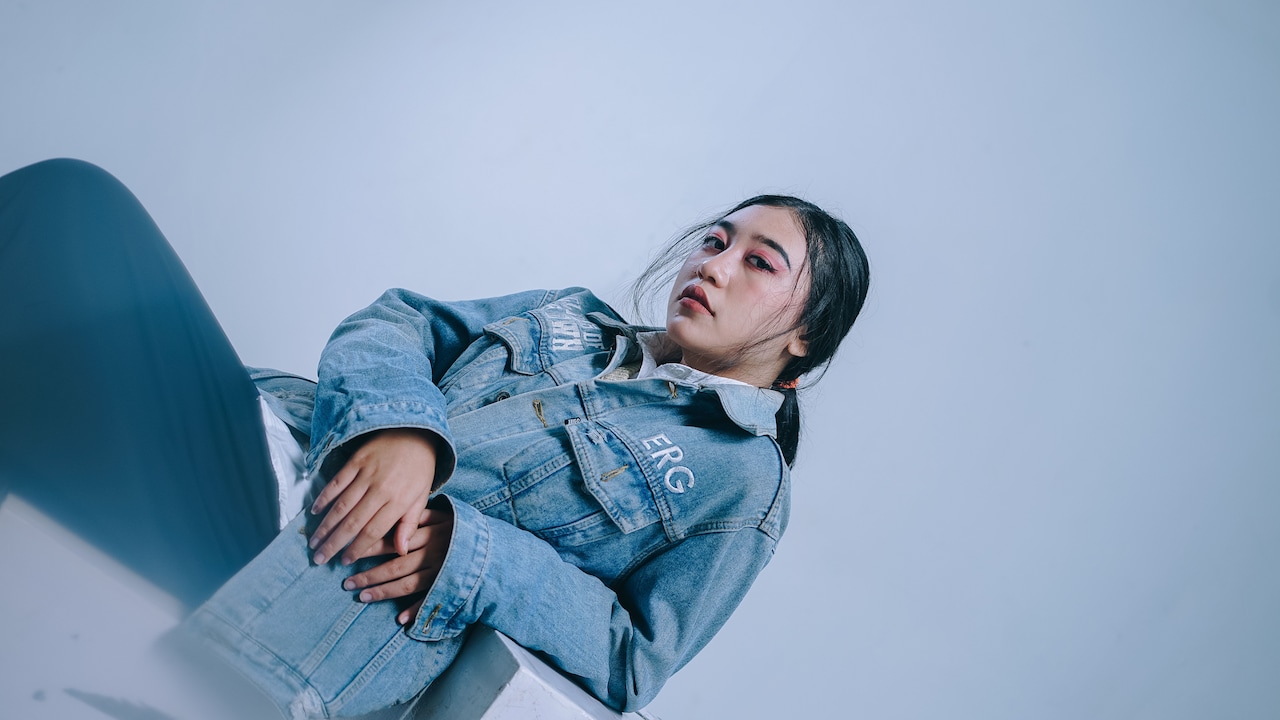
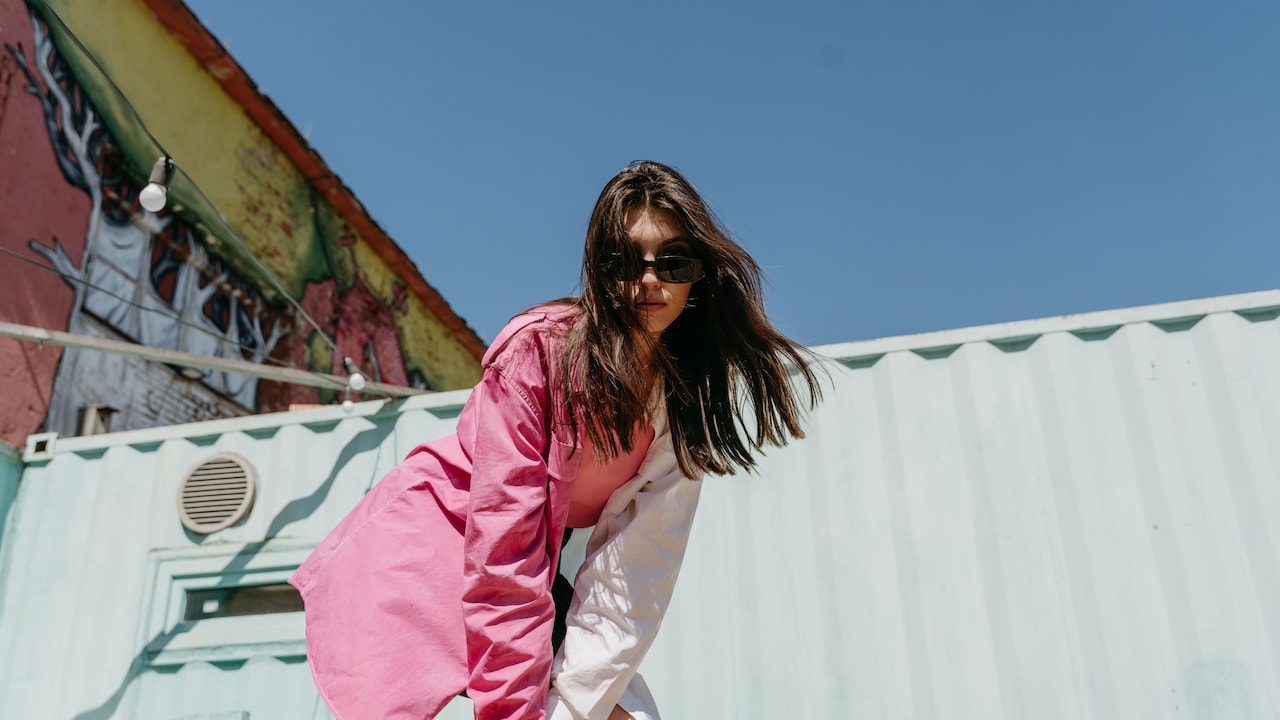
A long jacket may not suit every body type
Photo Credit: Pexels
Myth 6: You Should Buy A Size Bigger For Layering
Buying one size larger sounds like sensible winter preparation. Sometimes it works. Often it creates new problems.
A bigger size adds space everywhere, not just around the torso. Shoulders widen, sleeves become longer and the body may hang lower. A jacket that looks neat over a T-shirt can suddenly become boxy after sizing up.
A better approach is to choose a cut designed with enough ease for layering.
Try the jacket over whatever is realistically going underneath. If that usually means a lightweight sweatshirt, wear one during the fitting. There is little value in testing over a thin tee and imagining what December will feel like.
For many places, denim jackets serve as transitional outerwear rather than serious winter protection. A thick jumper plus stiff denim can become uncomfortable anyway.
If the larger size costs ₹5,000 but spends most of its life looking sloppy because it was bought for three chilly evenings, the calculation has gone wrong.
Layering room should come from thoughtful proportions, not automatically jumping to the next number on the size label.
Myth 7: Stretch Denim Guarantees A Better Fit
Stretch can improve comfort, but it cannot rescue poor proportions.
A little elastane allows denim to move more easily around the shoulders, elbows and chest. That can make a jacket pleasant for commuting, driving or long days out. Yet stretch does not correct sleeves that are too long, shoulders that droop or a hem that sits in the wrong place.
There is also a visual difference.
Rigid denim tends to hold its shape and develop character through wear. Stretch denim often feels softer from the first day. Neither is superior in every situation. It depends on whether structure or flexibility matters more.
The mistake is assuming that a stretchy jacket fits simply because movement feels easy.
Look at the silhouette before celebrating the comfort. Is the fabric pooling around the waist? Are the shoulder seams where they should be? Does the jacket retain a clean line when unbuttoned?
Stretch should make a good fit more comfortable. It should not disguise a bad one.
Comfort can be persuasive in the fitting room, but proportions are what everyone else sees.
Myth 8: An Oversized Jacket Means Any Size Will Work
Oversized style follows rules too. It simply follows different ones.
A well-designed oversized denim jacket often has deliberate volume through the body, broader shoulders and perhaps longer sleeves. The proportions work together. Wearing a standard jacket three sizes too large rarely produces the same effect.
Randomly sizing up can leave armholes hanging too low, sleeves swallowing the hands and the collar sitting awkwardly away from the neck. Instead of relaxed, the result may look accidental.
The key word is intention.
An oversized jacket should still create a recognisable shape. The shoulders may drop, but they should do so evenly. The sleeves may be generous without becoming unusable. The hem should relate to the rest of the outfit.
Balance becomes especially important with loose trousers. Too much volume everywhere can overwhelm the frame, while a slightly more structured bottom half can help the jacket stand out.
Oversized dressing looks effortless precisely because good examples are carefully proportioned.
“Big” describes a measurement. “Oversized” describes a design.
Myth 9: Denim Jackets Cannot Be Altered
Denim jackets can certainly be altered, but some changes make far more sense than others.
Shortening sleeves is often possible, although cuffs, buttons and contrast stitching can make the job more detailed. Taking in the sides may also work if the jacket is only slightly too loose around the body.
Major shoulder changes are another story. Adjusting the shoulder structure can affect the sleeves, armholes and overall balance. The labour involved may quickly become difficult to justify, especially on an affordable jacket.
Shortening the body can also interfere with pockets, waistband details and original stitching.
Before buying a ₹7,000 jacket with plans to rebuild half of it, compare the alteration cost with simply finding another cut.
There is also the question of character. Denim often uses visible seams, fading and heavy stitching as design features. Alterations can disturb those details.
Small tweaks can turn a nearly-right jacket into a favourite. Large structural corrections usually indicate that the starting size or pattern was wrong.
Tailoring works best as refinement, not rescue.
Myth 10: If It Looks Good In The Mirror, The Fit Is Perfect
Fitting-room mirrors are persuasive little optimists.
Good lighting, a flattering angle and thirty seconds of standing still can make almost anything look convincing. Real life is less cooperative.
A denim jacket needs to work while walking, sitting in a café, riding in a cab, carrying a backpack or reaching across a desk. Fit problems often appear only once the body starts moving.
Pay attention to what happens when the jacket is buttoned. Does it ride upwards when sitting? Do the shoulders pull when reaching forwards? Does the collar rub against the neck? Are the pockets easy to use?
Check the jacket open as well. Most denim jackets spend plenty of time unbuttoned. The front panels should fall neatly rather than flaring dramatically or collapsing inward.
Taking a quick photo can also reveal proportions more clearly than staring at the mirror from half a metre away.
A jacket should survive more than a fitting-room pose. If it looks good, moves comfortably and works with everyday clothes, that is when the fit deserves the word “proper”.
Products Related To This Article
1. Tokyo Talkies Women Denim Jacket
2. DressBerry Spread Collar Denim Jacket
3. Tokyo Talkies Women Blue Solid Jacket
4. DressBerry Women Spread Collar Denim Cropped Jacket
5. StyleCast Women Spread Collar Long Sleeves Faded Denim Jacket
6. HERE&NOW Pleated Detail Pure Cotton Denim Jacket
7. BAESD Washed Windcheater Cotton Denim Jacket
A good chest fit matters, but it does not prove that a denim jacket fits properly.
The best fit comes from several details working together: comfortable chest room, balanced shoulders, sensible sleeve length, flattering proportions and enough freedom to move. Even style choices such as oversized cuts or stretch fabric still need structure.
The smartest approach is surprisingly simple. Try the jacket with realistic layers, move around, check it buttoned and unbuttoned, and pay attention to how it feels rather than trusting the size label.
Denim jackets often stay in wardrobes for years. They soften, fade and collect the small marks that make them more personal over time. That makes getting the fit right from the beginning worth a little extra attention.
After all, a jacket should feel like an old favourite eventually. It should never feel like a fabric puzzle from day one.
(Disclaimer: This article may include references to or features of products and services made available through affiliate marketing campaigns. NDTV Convergence Limited (“NDTV”) strives to maintain editorial independence while participating in such campaigns. NDTV does not assume responsibility for the performance or claims of any featured products or services.)