How To Avoid See-Through Sports Leggings: 10 Checks For Stretch, Fabric Density, Fit And Colour
Avoid see-through sports leggings with 10 simple checks for stretch, fabric density, fit, colour, seams and opacity, so you can choose a pair that stays comfortable and covered through every squat, lunge and workout.
Are Your Sports Leggings See-Through? 10 Easy Checks For Better Coverage
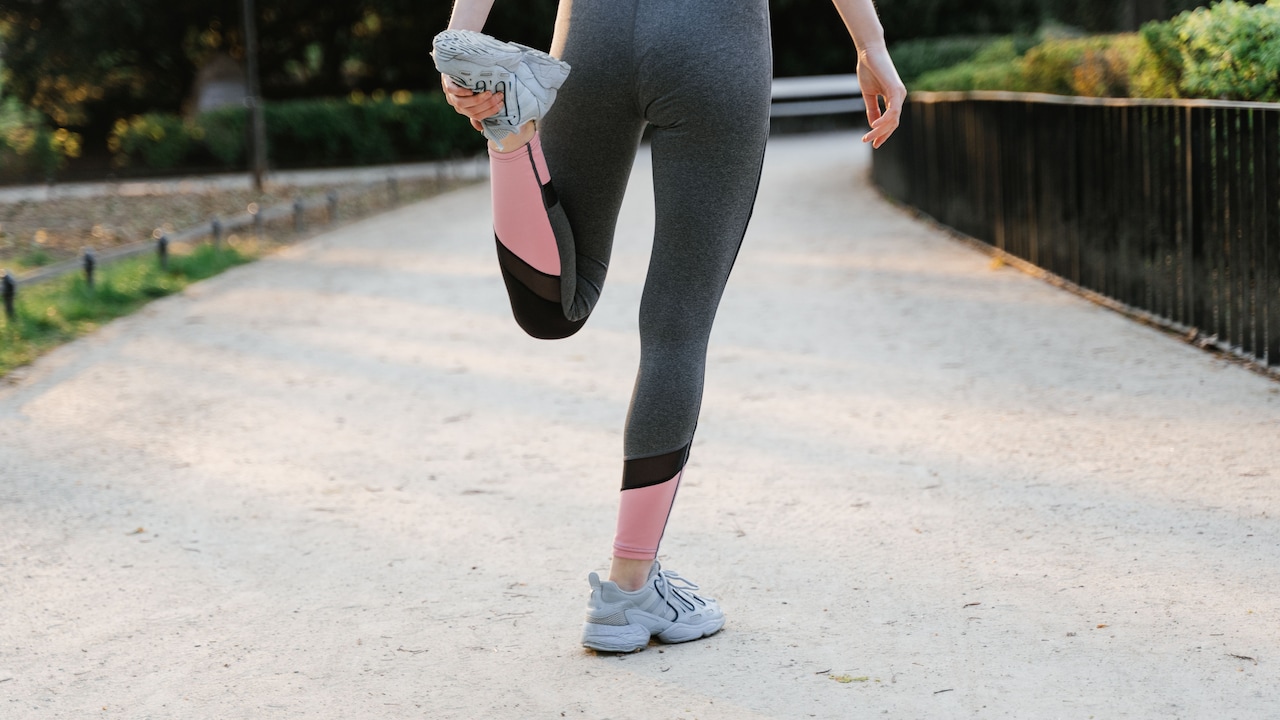
A good pair of sports leggings has a fairly demanding job. It needs to stretch, recover, stay comfortable, handle sweat and remain opaque while doing all of it. That sounds simple until a pair passes the mirror test at home and fails spectacularly halfway through a squat session. See-through leggings usually become a problem when fabric fibres spread too far under tension. Poor material density can cause it, but so can an incorrect size, excessive stretching, ageing fabric or even an unforgiving colour. Bright lighting often makes the issue more obvious too.
Are Your Sports Leggings See-Through? 10 Easy Checks For Better Coverage
Photo Credit: Pexels
This matters beyond appearance. Constantly checking whether leggings have turned transparent can ruin focus during a workout. Nobody wants to spend a yoga class adjusting a T-shirt or wondering what the person behind them can see.
Fortunately, most transparency problems can be spotted before buying. These ten checks make it easier to judge leggings for opacity, stretch, fit and everyday performance without relying on vague claims such as “premium fabric” or “gym ready”.
10 Simple Checks To Make Sure Your Sports Leggings Aren't See-Through
1. Do The Squat Test Before Trusting The Mirror
Standing still tells very little about how sports leggings will behave during movement. Fabric that looks completely solid while upright may become surprisingly transparent once stretched across the hips and thighs.
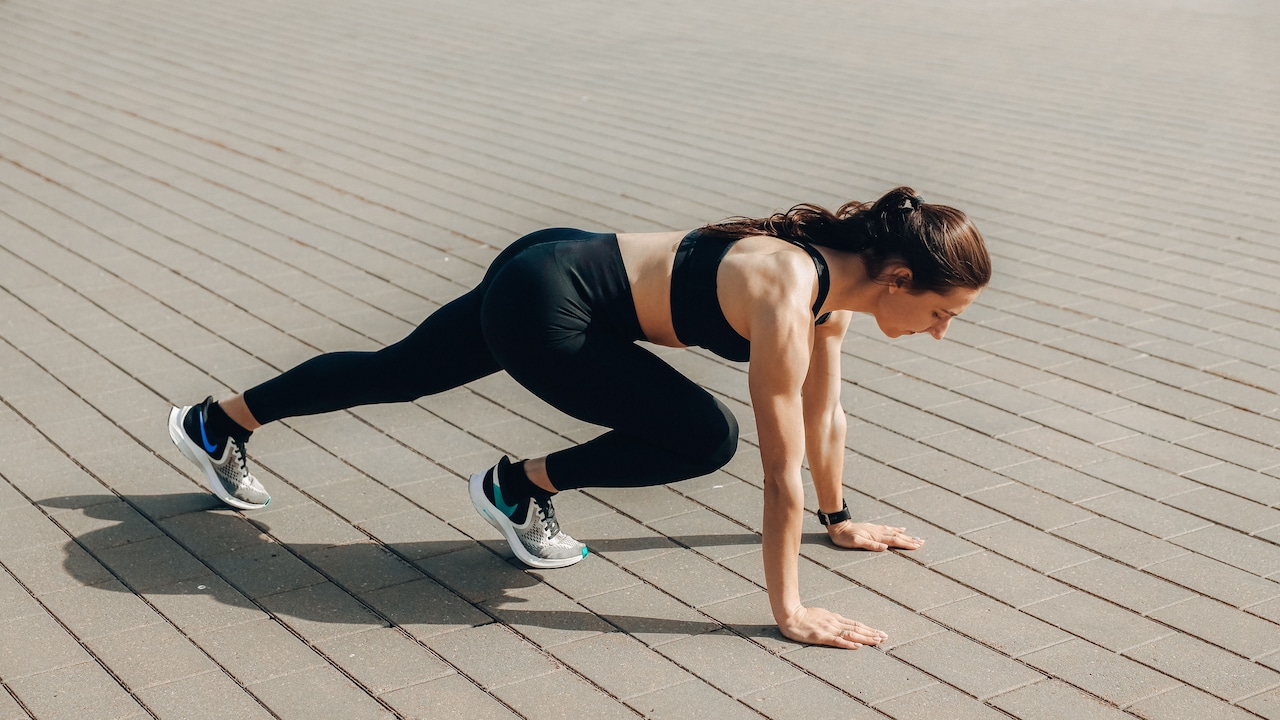
The squat test remains one of the simplest checks. Wear the leggings, stand in bright light and perform a deep squat while checking the back in a mirror. If possible, use natural daylight as well as indoor lighting. Fabric can behave differently under each.
Pay close attention to the seat and upper-thigh area. These sections experience the greatest tension during squats, lunges and bending movements. If underwear outlines, skin tone or labels beneath the fabric become clearly visible, opacity is already compromised.
A phone camera can help when a mirror angle feels awkward. Record a few squats, lunges and forward bends, then review the footage.
It may feel slightly dramatic for a changing-room test, but it beats discovering the problem during a crowded gym session. If leggings cannot survive one deep squat before purchase, they are unlikely to become more dependable after several washes.
2. Check Fabric Density With Your Hand
Fabric density often matters more than thickness alone. Some leggings feel thick but stretch so widely that tiny gaps appear between the fibres. Others feel relatively light yet remain opaque because their knit is tight and compact.
A quick hand test can reveal the difference. Place a hand inside one leg of the leggings and stretch the fabric gently over the fingers. Look closely under strong light. If the outline or colour of the fingers becomes clearly visible with only moderate stretching, the material may struggle during exercise.
The aim is not to find fabric that resembles upholstery. Heavy material can become uncomfortable during warm workouts, particularly during humid mornings or crowded fitness classes. Instead, look for a dense knit that stretches without visibly opening up.
Smooth, tightly constructed performance fabrics often provide a better balance between breathability and coverage.
Try the test on darker and lighter sections if the leggings include prints or colour panels. Some patterns hide transparency better than others.
A strong pair should feel flexible without suddenly turning into something resembling a window curtain when stretched. Density gives the fabric its visual security, especially during movements that place pressure on one specific area.
3. Make Sure The Size Is Not Too Small
Sizing down may create a sculpted look, but squeezing into leggings that are too small can stretch the fabric beyond its intended limit. Once the fibres pull apart, even high-quality material can become noticeably sheer.
The right fit should feel supportive rather than restrictive. Leggings should sit firmly around the waist and hips without digging deeply into the skin or creating excessive tension across the seat.
Several warning signs suggest the size may be too small. The waistband may roll repeatedly, seams may feel unusually tight and the fabric may look shiny when stretched. Horizontal pull lines around the hips or thighs can also signal excessive tension.
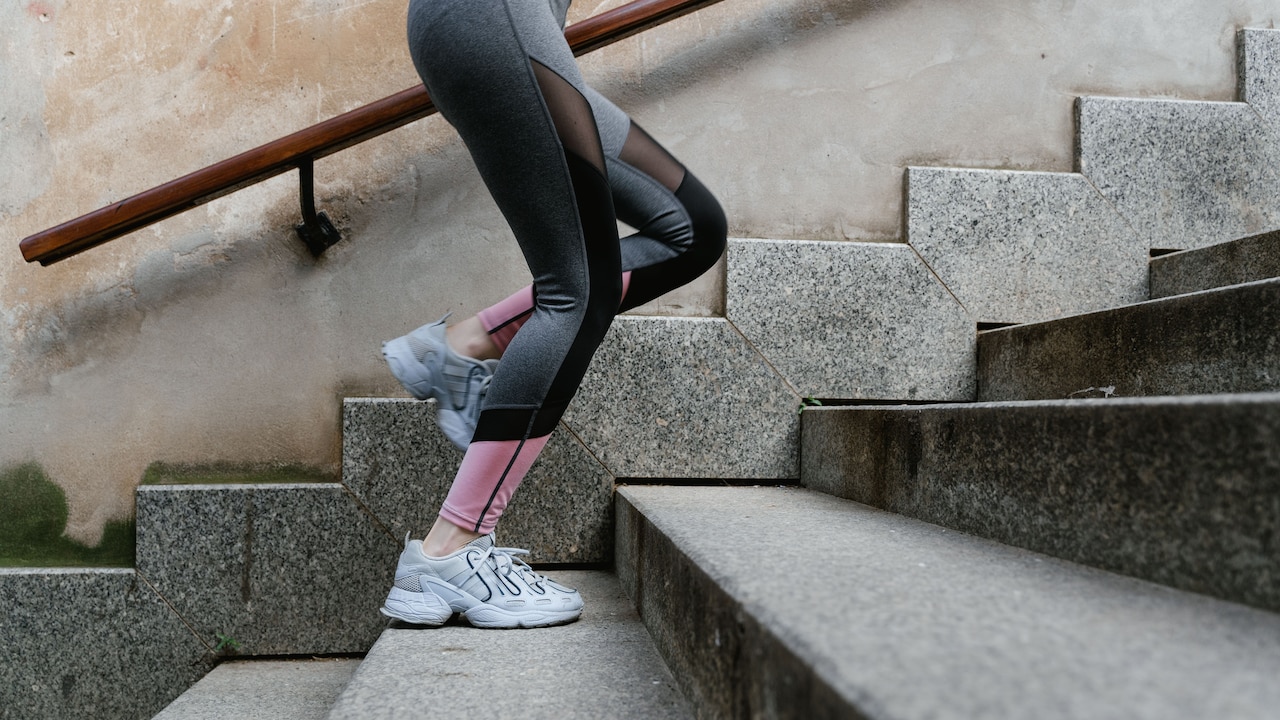
Try walking, sitting, squatting and lifting one knee towards the chest. Movement should feel natural. If every motion feels as though the fabric is fighting for survival, moving up a size may actually improve both comfort and opacity.
Ignore the emotional drama often attached to the number on a clothing label. A medium from one brand may fit like a small from another.
Good leggings should fit the body. The body should not have to negotiate with the leggings.
4. Look Closely At The Fabric Composition
The fibre blend can offer useful clues about how leggings will stretch and recover. Many sports leggings combine synthetic fibres such as polyester or nylon with elastane, sometimes labelled spandex.
Elastane provides flexibility, but more stretch does not automatically guarantee better opacity. The surrounding fabric still needs enough density and structure to prevent excessive fibre separation.
Nylon blends often feel smooth and resilient, while polyester blends can handle moisture effectively and appear in a wide range of performance wear. Both can work well when properly constructed.
What matters is balance. Fabric should stretch comfortably and then return to shape instead of staying loose around the knees or waistband.
Rub the material lightly between the fingers. A quality performance knit often feels substantial without becoming stiff. Extremely thin fabric with very high stretch deserves extra scrutiny, especially if the leggings are intended for squats, strength training or yoga.
Composition labels cannot tell the whole story, but they provide context. Combine them with the stretch and squat tests.
Think of fibre content as the recipe rather than the finished meal. Good ingredients help, but construction decides whether the result actually works.
5. Test The Leggings Under Bright Light
Lighting can be wonderfully deceptive. A softly lit trial room can make almost any fabric appear richer, smoother and more opaque than it really is.
Bright light tells a less flattering but more useful story.
Stand near a window during daylight or under strong overhead lighting and repeat a few basic movements. Turn sideways, bend forward and squat. Look for changes in opacity across the hips, knees and seat.
Sunlight is particularly revealing because it can expose thin areas that artificial lighting hides. This matters if workouts include outdoor runs, terrace yoga sessions or walks in strong afternoon light.
Home lighting can also become part of the test. A white LED bulb often exposes more than warm yellow lighting.
When shopping online, check the leggings as soon as they arrive rather than removing labels and assuming they are suitable. Trying them under multiple lighting conditions makes return decisions easier.
Nobody wants a pair that works perfectly in a dim bedroom but develops unexpected ambitions as tracing paper outdoors.
Opacity should remain reasonably consistent regardless of whether the workout takes place under studio lights, sunlight or bright gym LEDs.
Are Your Sports Leggings See-Through? 10 Easy Checks For Better Coverage
Photo Credit: Pexels
6. Choose Colours That Offer Better Coverage
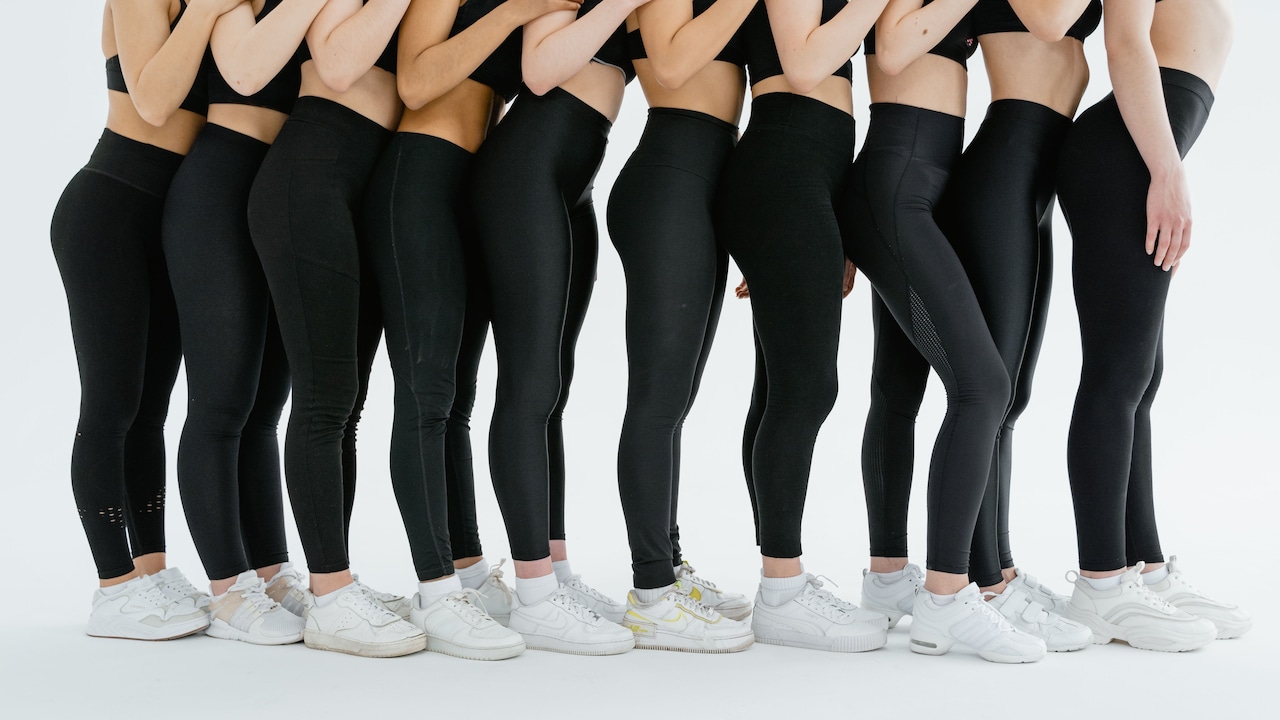
Colour does not fix poor fabric, but it can influence how obvious transparency becomes. Dark shades generally conceal minor stretching better than very pale colours because they reduce visible contrast between skin and fabric.
Black remains popular for a reason. Deep navy, charcoal, chocolate brown, burgundy and dark green can also provide forgiving coverage.
Lighter shades require more careful testing. Beige, pastel pink, pale grey, mint and cream may look stylish but can reveal underwear lines or skin tone more easily when stretched.
That does not mean light-coloured leggings should be avoided altogether. A dense, well-constructed pale fabric can outperform a badly made black pair. The point is simply that lighter colours leave less room for error.
Prints deserve attention too. Busy patterns may disguise slight transparency, although stretched prints can become distorted if the fabric is too thin.
When deciding between colours, test each one separately. Manufacturers sometimes use slightly different fabric constructions or dye processes across shades within the same collection.
The prettiest colour on the rack is not necessarily the safest for squat day. Sometimes dark charcoal quietly wins while neon peach waits for a gentler workout.
7. Inspect The Seams And High-Stress Areas
Transparency rarely appears evenly across an entire pair of leggings. High-stress zones usually show trouble first, especially around the seat, inner thighs, crotch and seams.
Inspect these sections closely before buying. Stretch the fabric around the seams gently and look for widening stitches or tiny gaps.
Good sports leggings usually use strong, flexible seams that move with the body rather than pulling sharply against it. Flat seams can also reduce irritation during longer workouts.
The crotch construction deserves particular attention. A gusset, which is an extra fabric panel built into the crotch, can improve mobility and reduce strain on surrounding seams. It may also help the leggings sit more comfortably during deep stretches.
Check whether stitching appears straight and secure. Loose threads, uneven seams or sections where the fabric already looks strained can become bigger problems after repeated washing.
A ₹2,000 pair with weak stitching can cause more frustration than a ₹900 pair with sensible construction. Price alone does not guarantee durability.
Leggings face constant pulling during movement. Strong seams help distribute that tension instead of forcing one small patch of fabric to absorb everything.
8. Check How The Fabric Recovers After Stretching
Stretch is only half the story. Recovery matters just as much.
Pull a section of fabric gently for a few seconds, then release it. Good performance material should return close to its original shape fairly quickly. If it stays stretched, rippled or loose, the leggings may lose their structure after repeated wear.
Poor recovery often shows up around the knees first. After sitting or exercising, the fabric begins to sag instead of fitting smoothly. Over time, weakened fibres can also contribute to increased transparency because the knit no longer holds its original density.
The waistband deserves the same test. Stretch it gently and watch how it responds. A waistband that already feels tired in the shop may become even less supportive after washing.
Fabric recovery becomes especially important for workouts involving repeated movement, such as running, dance training or strength sessions.
A reliable pair should move away from the body and return without behaving like chewing gum.
This quality may not look exciting on a product tag, but it separates leggings that survive months of regular use from pairs that start looking permanently exhausted after three weekend workouts.
Also Read: Beyond Everyday Basics: Bottomwear Styles That Can Refresh Your Wardrobe Instantly
9. Wear The Right Underwear During The Test
Sometimes leggings receive the blame when underwear choice is making the transparency problem look worse.
High-contrast colours can show through fabric more easily, particularly under pale leggings. For example, black underwear beneath beige or light pink leggings may create a visible outline even when the leggings themselves provide reasonable coverage.
For the most accurate test, wear seamless underwear in a shade reasonably close to the skin tone. This reduces contrast and makes it easier to judge the actual opacity of the fabric.
Avoid assuming that skin-coloured underwear can rescue genuinely see-through leggings, though. If the material becomes clearly transparent during stretching, camouflage does not solve the construction problem.
Seamless styles can also reduce visible lines under close-fitting sportswear, which helps create a smoother appearance.
Comfort matters just as much. Underwear that shifts, bunches or digs in can become distracting during exercise.
A practical fitting-room rule works well: test the leggings with the kind of underwear likely to be worn during workouts.
The goal is not to create a perfect illusion. It is to find a combination that lets the focus stay on the workout rather than on repeated wardrobe adjustments.
10. Consider What Happens After Washing
New leggings can look perfect because the fibres, elastic and surface finish are still fresh. Washing reveals whether that quality lasts.
Repeated hot washes, harsh detergents and tumble drying can weaken elastic fibres. Over time, the material may become thinner, rougher or less capable of returning to shape.
Check the care label before buying. If the leggings require complicated maintenance that does not suit everyday life, they may not be practical no matter how impressive they look on day one.
Gentle washing in cool water usually treats stretch fabrics more kindly. Turning leggings inside out can also reduce surface friction during the wash.
Avoid excessive heat unless the manufacturer specifically recommends it. Heat can damage elastane and reduce recovery.
Older leggings deserve regular squat tests too. A pair that stayed perfectly opaque for a year may eventually thin around high-friction areas.
Watch for pilling, shiny patches and fabric that feels noticeably lighter than before. These signs can indicate wear.
Sportswear is not immortal. When leggings begin revealing more than expected, retirement may be kinder than trying to squeeze another six months from them.
Are Your Sports Leggings See-Through? 10 Easy Checks For Better Coverage
Photo Credit: Pexels
Products Related To This Article
1. RiACTIVE Contour-Fit Dodger Blue Ankle-Length High-Rise Sports Legging
2. CAVA Petite Hourglass Flare Legging
3. Blissclub Women The Ultimate Leggings - Lite with Hidden Back Pocket
4. Decathlon Kiprun - Women Black Run 100 Warm Moisture Managing Running Leggings
5. Fashiol Women High-Rise Ankle Length Yoga Tights
6. Technosport Slim Fit Ankle Length Sports Tights
7. Nykd Women Solid Iconic Comfort Cotton Leggings
Avoiding see-through sports leggings comes down to looking beyond colour, brand names and flattering changing-room mirrors. The real test begins when the fabric stretches.
A squat test can expose weak opacity immediately, while hand stretching helps reveal fabric density. Correct sizing reduces unnecessary tension, and thoughtful attention to fibre composition, stitching and recovery gives a clearer idea of long-term performance. Lighting matters too, as does colour choice, underwear and proper washing.
No single check guarantees perfection. Together, however, these ten checks make disappointing purchases far less likely.
The best sports leggings almost disappear from attention once the workout begins. They stay in place, stretch comfortably and provide enough coverage to make constant checking unnecessary.
That freedom matters. Whether the plan involves an early-morning run, a crowded gym session, a home workout between meetings or a weekend yoga class, clothing should support movement rather than create another thing to worry about.
A reliable pair of leggings does not need to perform miracles. It simply needs to stretch without turning the squat rack into an accidental transparency test.
(Disclaimer: This article may include references to or features of products and services made available through affiliate marketing campaigns. NDTV Convergence Limited (“NDTV”) strives to maintain editorial independence while participating in such campaigns. NDTV does not assume responsibility for the performance or claims of any featured products or services.)