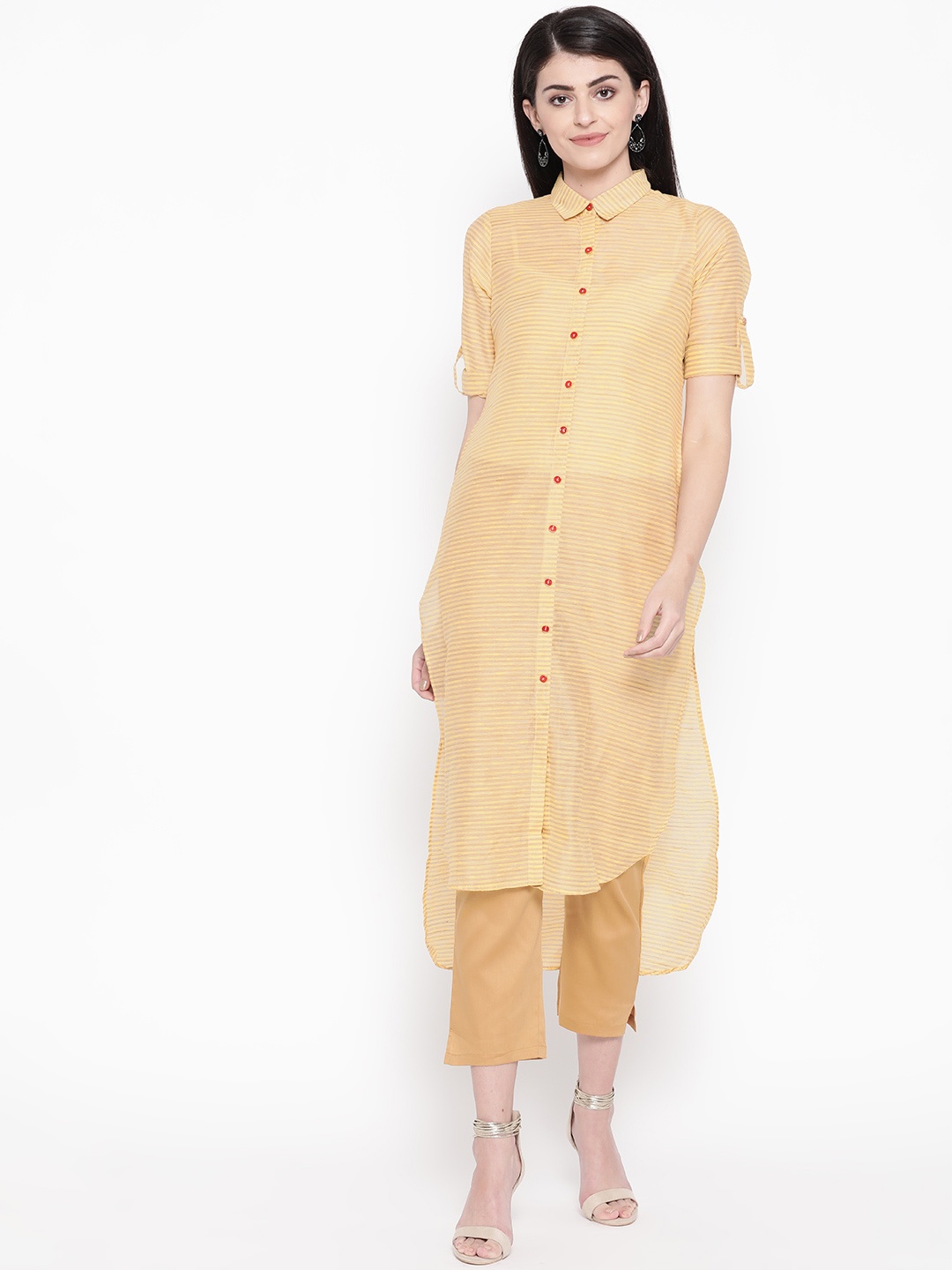
Old Money vs Clean Girl: What Is The Actual Difference
Old money and clean girl look similar at first glance, but they come from very different places. Here's what actually separates the two aesthetics.

Old Money vs Clean Girl: What Is The Actual Difference
Scroll through fashion content for more than five minutes, and you'll bump into both terms in the same breath. Old money and clean girl aesthetics. Two aesthetics that keep getting mentioned together, almost as if they mean the same thing. They don't, though. Not even close. Somewhere along the way, the internet decided that "quiet" and "minimal" are interchangeable words. However, a closer examination of the foundations of each look reveals that their underlying intentions diverge significantly. One is rooted in inherited privilege and old rulebooks. The other is rooted in daily skincare, control, and a very modern kind of polish. This confusion frequently arises among younger shoppers who are selecting outfits for college, work, or a wedding function where they want to appear wealthy without putting in too much effort. So, in this guide, we'll discuss the actual difference to help you figure out your fashion choices.

Old Money vs Clean Girl; Photo Credit: iStock
What Old Money Style Actually Means
Old money isn't really a "style" in the way we usually use that word. It's closer to a set of unspoken rules passed down in families that never had to prove their wealth to anyone. Think tailored blazers, muted browns and navies, and clothes that are expensive but never loud about it.
1. The Wardrobe Rules Nobody Says Out Loud
Nothing here is trend-driven. A cashmere sweater purchased five years ago remains "correct" today, which is the essence of the concept. Old money dressing avoids logos, avoids anything shiny, and leans hard into fabric quality rather than flash. You won't see bold prints often. You will see a lot of beige, cream, forest green, and camel.
2. Where The Money Really Goes
The spending, if there is any, goes into fit and fabric rather than branding. A well-stitched pair of trousers that skims the ankle just right, or a coat that hangs perfectly on the shoulder – that's where old money puts its budget. It's less about owning ten things and more about owning three things that last decades.
3. Is Old Money About Money At All?
Here's the funny part. You don't actually need generational wealth to dress old money; you just need to understand restraint. Most people who nail this look are buying well-cut basics off regular retail sites, not literally inheriting a trust fund. The "money" in old money is more about the mindset of never over-accessorising than about an actual bank balance.
Also Read: From Blazers To Halter Tops: 5 Low Maintenance Apparels That Look High Standard
What Clean Girl Aesthetic Actually Means
The Clean Girl aesthetic is fundamentally distinct. It came up through skincare culture and social media, not inherited family closets.
1. The Skin-First Philosophy
This look starts with skin, not clothes. Glowing, dewy, almost no-makeup makeup is the base of everything. Slicked-back buns, gold hoops, and a tinted lip balm – that's the whole vibe. It photographs well, which is probably why it took off so fast on Instagram and TikTok.
2. The Uniform That Isn't Really A Uniform
Clothes here tend to be simple too, but in a different way. Think basic tees, straight-leg jeans, and a linen shirt tucked in. The focus stays on looking put together with minimum effort, or at least minimum visible effort. Old-money clothes are formal by default. Clean girl clothes are casual by default.
3. Is Clean Girl About Being Rich or Just Looking Effortless?
A clean girl gets accused of being expensive because of skincare and grooming costs, and to be fair, some of that is true. But the clothing side of it is genuinely budget-friendly for most people. A plain white tee and good jeans go further here than a designer bag ever would.
The Actual Differences Between The Two
1. Colour Palette And Mood
Old money adheres to earthy, formal tones. Clean girls lean towards whites, soft neutrals, and pastel undertones that feel fresh rather than heritage. One feels like a library, the other feels like a gym smoothie place, if that makes sense.
2. Accessories and Detailing
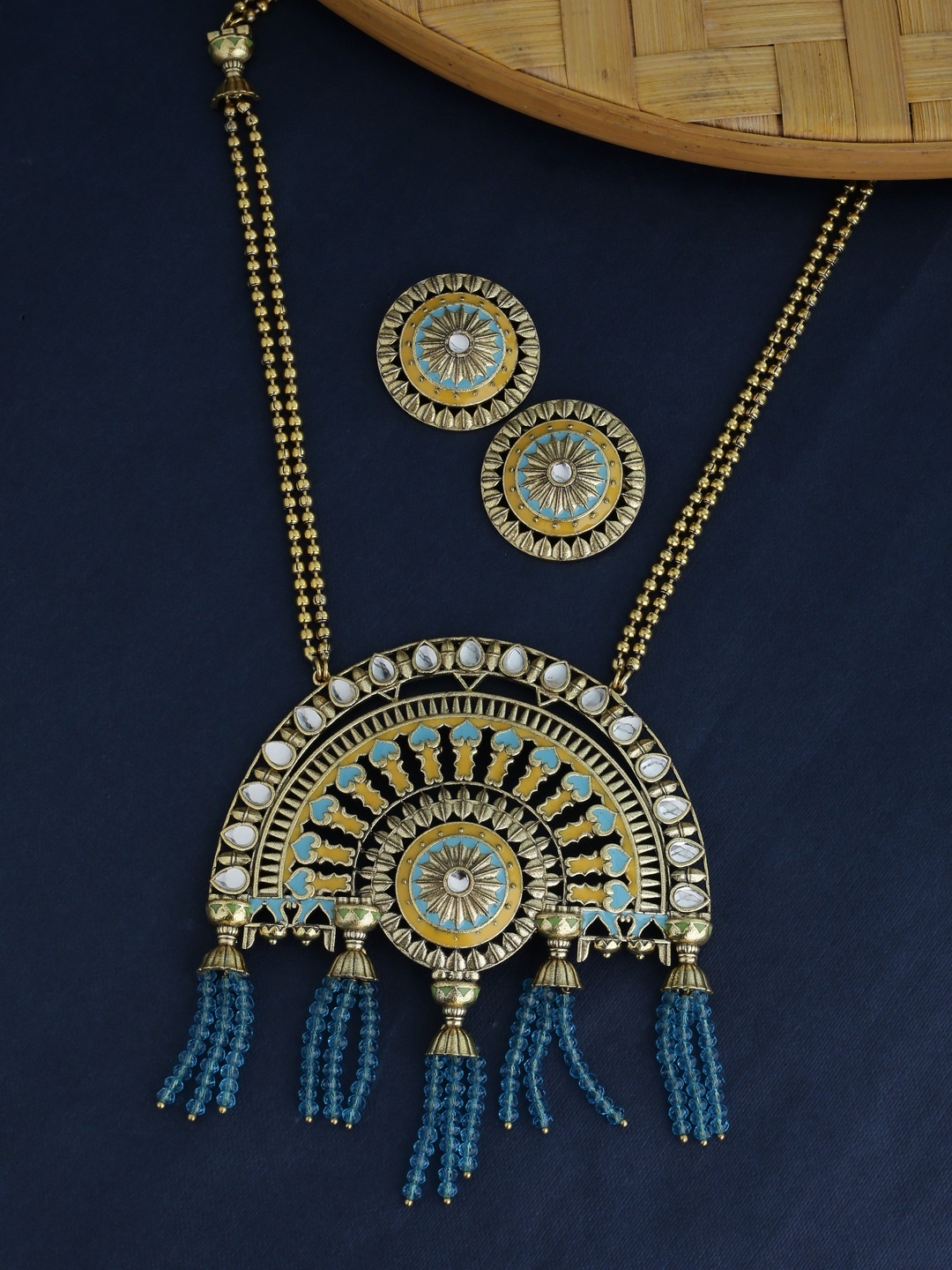
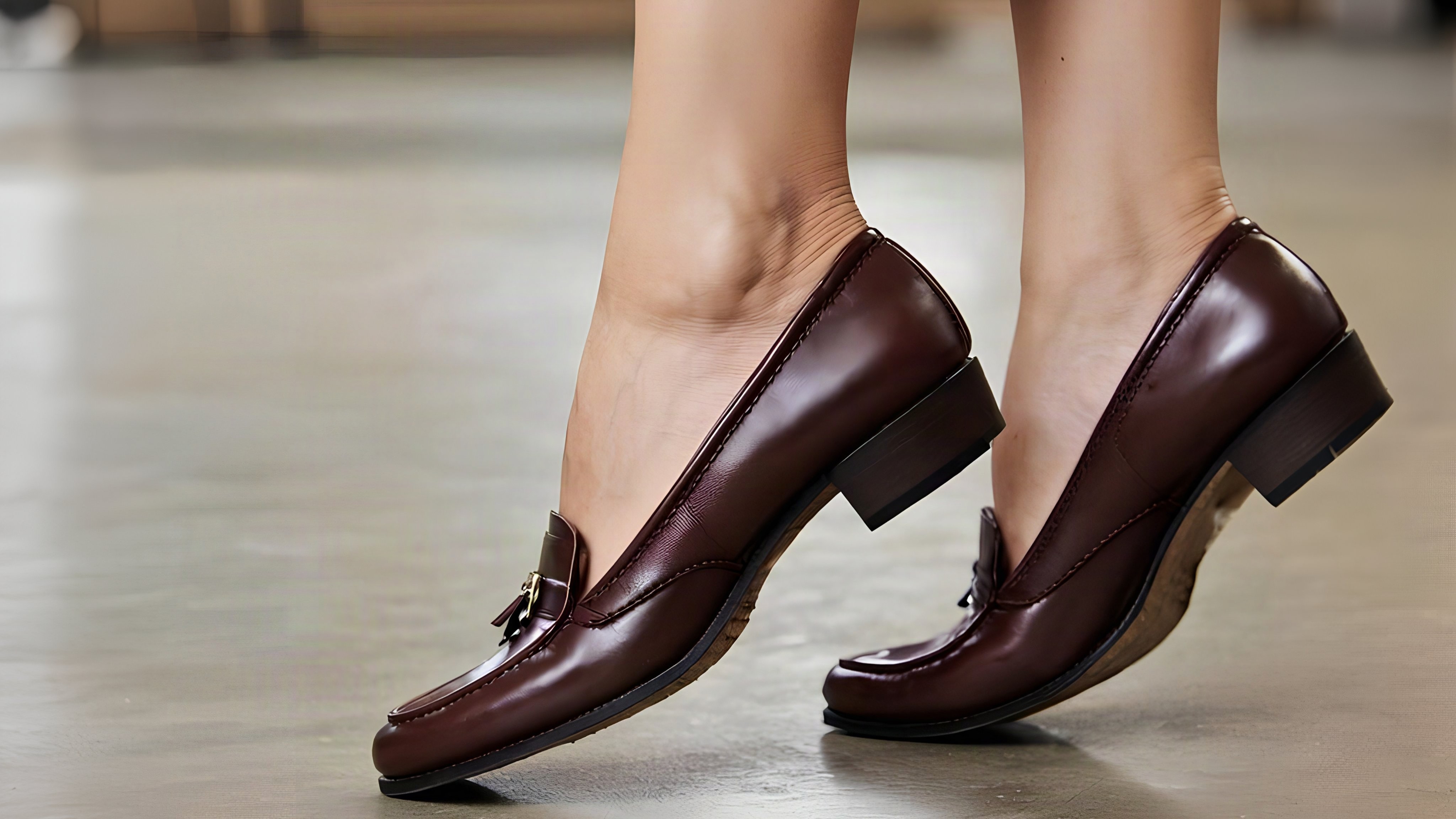
Old money loves subtle gold jewellery, leather belts, structured bags, and loafers. Clean girl sticks to smaller, minimal pieces, like tiny hoops, a delicate chain, and claw clips. Both avoid anything loud, but for very different reasons. One avoids loudness out of tradition. The other avoids it because loudness doesn't photograph "clean".
Ultimately, these two aesthetics now constantly borrow from each other, and that's perfectly acceptable. You can choose to embrace both styles. A beige blazer with slicked hair and gold hoops works just as well as a full tweed set with a silk scarf. Mix what feels like you.
Old Money vs Clean Girl: What Is the Real Difference? Photo Credit: iStock
Some Old Money & Clean Girl Products You May Like
1. Moda Rapido Notched Lapel Collar Single-Breasted Formal Blazer
2. Mast & Harbour Women's Straight Fit Parallel Trousers
3. Celestique Pearls Beaded Contemporary Shaped Drop Earrings
4. Zaveri Pearls Set Of 2 Gold-Plated Contemporary Drop Earrings
5. Marks & Spencer Leather Structured Tote Bag
6. COLOR CAPITAL Relaxed Poplin Shirt
7. Kenneth Cole Women's Leather Penny Loafers
8. QUECY Women's Printed Scarf
These picks reflect India's rich textile history while meeting the demands of today's fast-moving world. Whether you're dressing up for work, a festive get-together, or a relaxed day out, there's something in this collection for every mood and moment. By choosing these pieces, you're not only elevating your style but also empowering Indian craftsmanship, one outfit at a time. Shop now on Myntra
Frequently Asked Questions (FAQs)
1. Can I mix old money and clean girl in one outfit?
Yes, and a lot of people already do this without realising it. A tailored blazer with slicked hair and minimal jewellery blends both looks pretty naturally.
2. Is the clean girl aesthetic only for people with clear skin?
Not really; skincare and grooming help, but the look is more about routine and finish than having naturally flawless skin to begin with.
3. Why does old money style avoid logos and branding?
Because the whole idea is quite confident. Flashing a logo suggests you need to prove something, and that goes against the entire point of the aesthetic.
4. Is old money fashion expensive to recreate?
Not necessarily. You can get the look with well-fitted basics in neutral tones; it's more about restraint in styling than the price tag on each piece.
5. Which aesthetic works better for summers?
A clean girl aesthetic tends to work better in heat since it relies on lighter fabrics and simpler layering, while old money often leans on structured pieces that can feel heavier. Shop now on Myntra.
(Disclaimer: This article may include references to or features of products and services made available through affiliate marketing campaigns. NDTV Convergence Limited (“NDTV”) strives to maintain editorial independence while participating in such campaigns. NDTV does not assume responsibility for the performance or claims of any featured products or services.)