Myth Buster: Do Expensive Innerwear Sets Really Last Longer Than Budget Ones?
Do expensive innerwear sets really outlast budget ones? The answer depends less on price and more on fabric, stitching, fit, elastic quality, and how well you care for them.
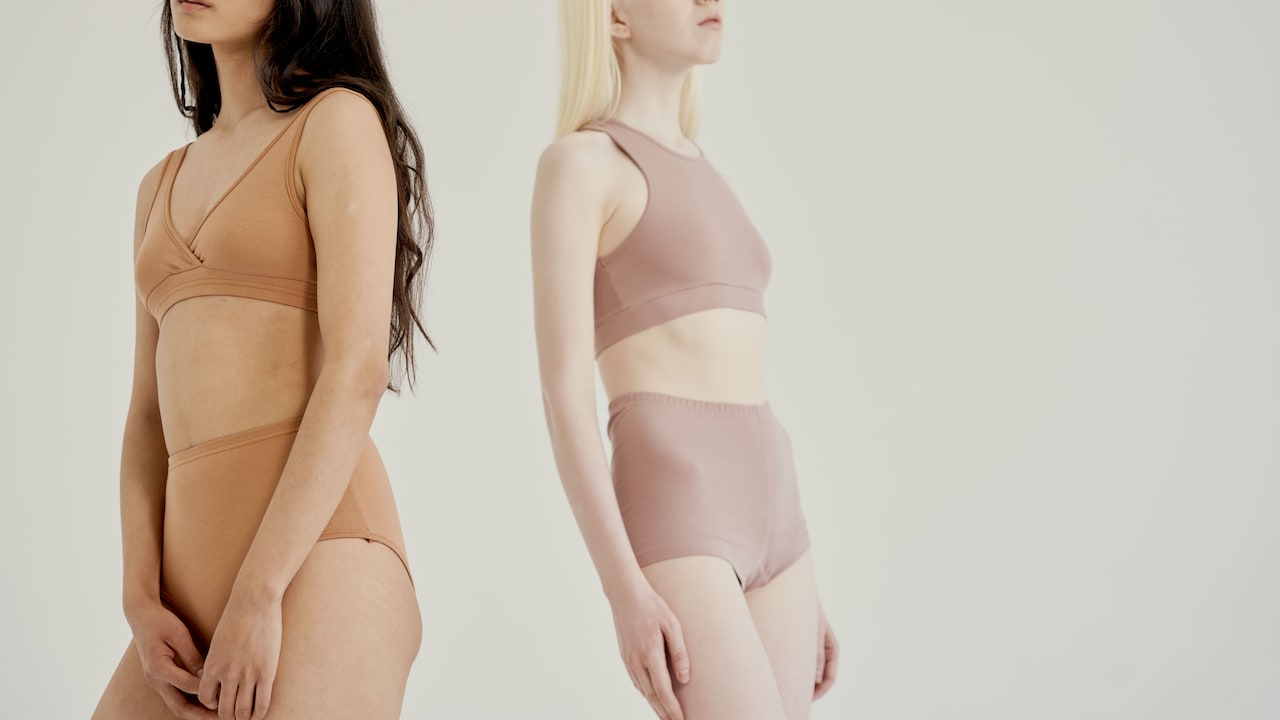
Do Expensive Innerwear Sets Last Longer Than Budget Ones?
Innerwear shopping often feels like a quiet tug-of-war between comfort, cost, and that tiny voice saying, “This expensive one must be better.” Walk through a mall store, browse a festive sale online, or visit a trusted local shop, and the price range can feel almost dramatic. One set costs less than a plate of chaat for four. Another could cover a weekend grocery run. The big question remains simple: does a higher price actually mean a longer life? Not always. Expensive innerwear sets can last longer, but only when they use better materials, stronger stitching, smarter design, and receive proper care. Budget sets can also perform surprisingly well when chosen wisely. The trick lies in spotting value, not just price.
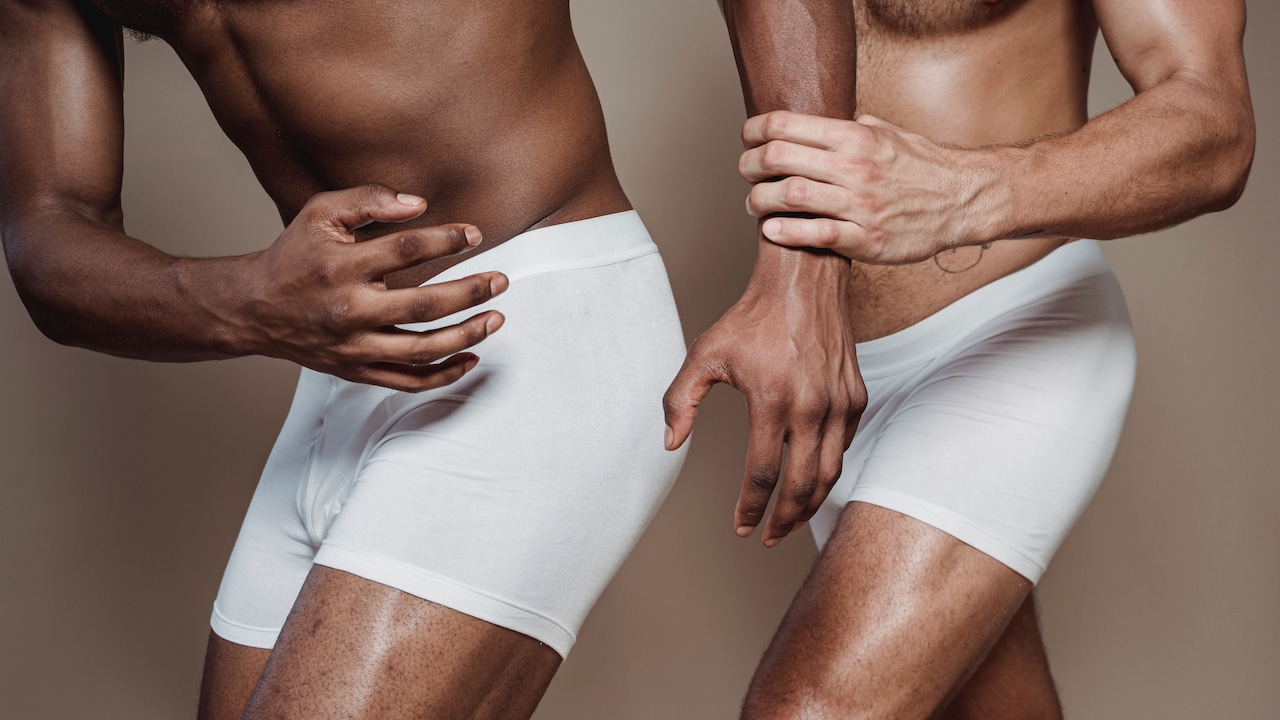
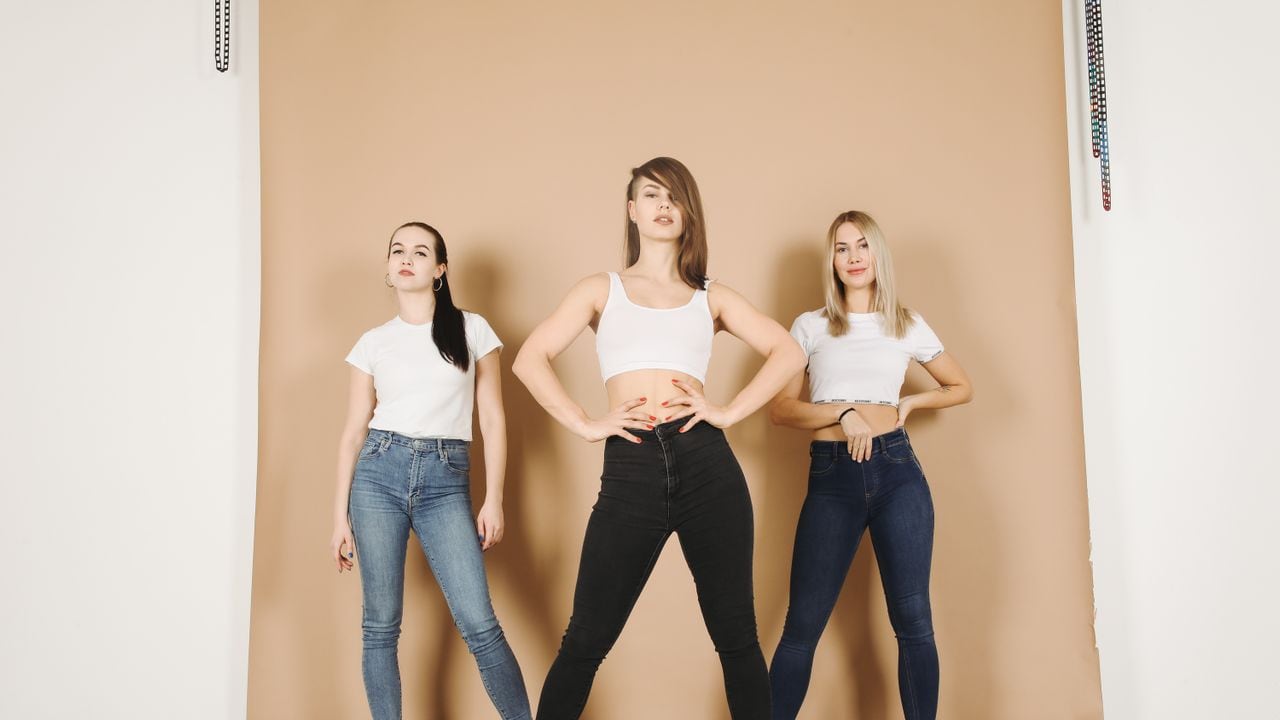
Do Expensive Innerwear Sets Last Longer Than Budget Ones?; Photo Credit: Pexels
What Really Decides How Long Innerwear Lasts
Fabric Quality Makes The First Difference
Fabric decides how innerwear feels on day one and how it behaves after twenty washes. Premium sets often use finer cotton, modal, microfibre, bamboo blends, or lace that feels soft without scratching the skin. These materials usually hold shape better, breathe well, and resist that tired, stretched-out look. A well-made ₹2,000 set may still feel smooth after months of use because the yarn quality supports daily wear.
Budget sets, however, do not always lose this round. Many affordable cotton options work beautifully in hot weather, especially for everyday use. A simple ₹399 cotton set from a reliable brand can outlast a flashy synthetic one bought only for its looks. The real test lies in touch and stretch. Fabric should feel firm yet soft, not thin like tissue or overly shiny like plastic gift wrap. A higher price may buy better fabric, but smart fingers can judge quality faster than any tag.
Also Read: Top 5 Winter Thermal Innerwear For Men And Women
Stitching Can Reveal The Real Story
The seams tell the truth when the price tag tries to show off. Strong stitching keeps innerwear from twisting, tearing, or digging into the skin. Expensive sets usually come with cleaner seams, reinforced bands, and smoother edges. These details may look small in the trial room, but they matter after repeated washing, drying, and wearing through long office days or crowded metro rides.
Budget innerwear often cuts costs in stitching. Loose threads, uneven elastic joins, and rough seams can reduce comfort and lifespan. That said, some affordable brands now offer neat construction because shoppers have become sharper. No one wants a waistband that gives up before the month ends.
Before buying, stretch the band gently. Check whether the seam lies flat. Look at the hooks, gusset, straps, and leg openings. A durable set should feel secure, not delicate. Good stitching works like good tailoring in a blouse or kurta. It may not shout, but it quietly holds everything together.
Elastic Quality Often Decides Longevity
Innerwear rarely fails because the fabric disappears. More often, the elastic loses its spirit. Waistbands roll, straps loosen, and cups stop sitting properly. Elastic faces sweat, heat, detergent, body movement, and careless drying. That makes it one of the biggest clues in the expensive versus budget debate.
Premium sets often use better elastic that stretches and returns without becoming wavy. They also cover the elastic neatly so it does not rub or fray quickly. This can make a clear difference, especially for bras, shapewear, and briefs worn for long hours.
Budget sets may use thinner elastic that feels fine at first but starts relaxing after a few washes. The set then becomes annoying rather than unusable, which somehow feels worse. A ₹599 set that loses grip in two months costs more in the long run than a ₹1,499 set that stays dependable for a year.
Still, price alone does not protect elasticity. Hot water, harsh detergent, and direct afternoon sun can ruin even a premium waistband.
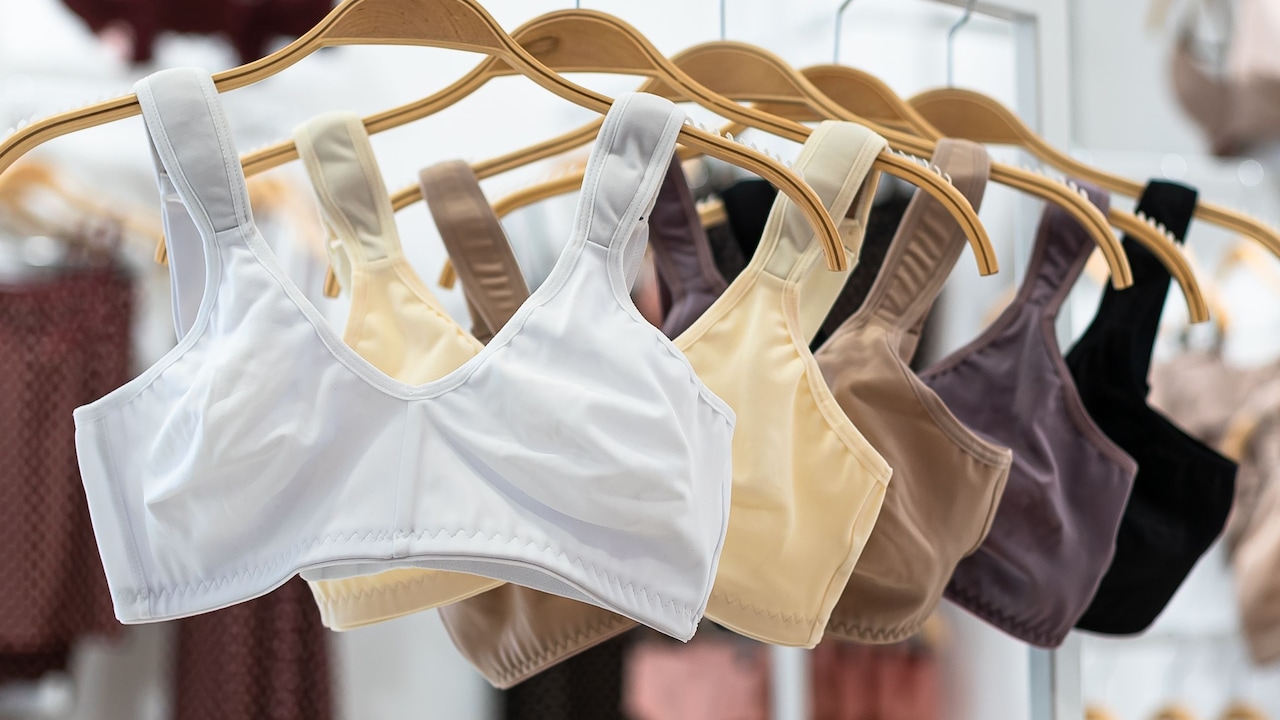
Do Expensive Innerwear Sets Last Longer Than Budget Ones?; Photo Credit: Pexels
Fit Matters More Than The Price Tag
A costly innerwear set in the wrong size will age badly. Tight bands overstretch. Loose cups crease. Straps carry pressure they should not. Briefs that sit wrong at the waist or thighs face constant pulling and friction. No fabric enjoys that kind of daily wrestling.
Many people buy innerwear based on the size they have always worn, even when their bodies change with weight shifts, workouts, hormonal changes, or daily lifestyle. A perfectly fitted ₹799 set can last longer than a ₹3,500 designer piece bought in the wrong size during a sale rush.
Fit should feel supportive, not controlling. The band should sit level. The cups should not gape or spill. Briefs should move with the body, not behave like stubborn luggage straps on a packed train.
The smartest purchase begins with measurement. Not once in five years, but every few months. Innerwear lives close to the body, so guessing the size invites discomfort and early damage.
Daily Wear Needs Practical Choices
A delicate lace set may look lovely in a wedding trousseau drawer, but daily life demands patience from clothing. Long commutes, humid weather, office chairs, college corridors, hostel laundry routines, and packed family washing machines all test innerwear. Expensive sets designed for occasional wear may not survive rough daily use as well as sturdy basics.
Everyday innerwear needs breathable fabric, firm elastic, easy washing, and a fuss-free fit. Cotton-rich or modal blends often make sense for regular use. Smooth T-shirt bras, seam-free briefs, and simple cuts usually outlast heavily embellished pieces.
Budget sets can shine here because they focus on function. A pack of three comfortable briefs for ₹699 may deliver excellent value when the material feels thick enough and the waistband has strength. Meanwhile, a premium embroidered set may need hand washing, air drying, and gentle storage.
The question should not only be “Is it expensive?” It should also be “Can it handle real life?”
Washing Habits Can Change Everything
Laundry can turn a premium set into a sad rag faster than poor fabric ever could. Hot water weakens the elastic. Strong detergents strip fibres. Machine washing with jeans, towels, hooks, and zips creates friction. Dryers and harsh sunlight can make bands brittle. Even a ₹4,000 set cannot fight careless washing forever.
Gentle care extends lifespan across every price range. Innerwear prefers mild detergent, cold water, and light squeezing instead of aggressive twisting. Bras do better in mesh laundry bags when machine washing becomes unavoidable. Hooks should stay closed so they do not attack lace or straps like tiny villains.
Drying also matters. Shade drying protects the elastic and colour. Direct terrace sun may feel efficient, but it can age fabric quickly, especially during peak summer.
A budget set washed carefully may outlast an expensive one thrown into a heavy wash cycle every week. Care does not sound glamorous, but it saves money quietly, month after month.
Branding Adds Comfort, But Also Cost
A known brand can offer better sizing, dependable fabric, and quality checks. It may also bring cleaner packaging, softer labels, improved cup shapes, and wider size options. These benefits matter. Innerwear needs trust because returns can feel awkward, and poor fit can spoil an entire day.
Yet branding also adds cost. Store rent, advertising, celebrity campaigns, glossy photoshoots, festive packaging, and marketplace commissions all enter the final price. Sometimes the buyer pays for research and quality. Sometimes the buyer pays for the mood board.
This does not mean branded innerwear lacks value. It means the price needs questioning. A ₹2,499 set from a trusted label may prove worth it when it fits well and lasts. A ₹2,499 set from a trend-driven brand with poor stitching may only look impressive online.
The clever approach treats brand names as clues, not guarantees. Reputation helps, but inspection matters more. Comfort has no respect for logos.
Budget Sets Can Be Brilliant Buys
Budget innerwear has improved a lot. Many shoppers now find comfortable, durable sets under ₹1,000, especially during sales or multi-pack offers. Local shops also understand practical needs well. The shopkeeper who knows which waistband survives summer often gives better advice than a glittering product page.
Affordable sets work best when they keep things simple. Plain cotton, strong seams, soft waistbands, and classic cuts usually offer better value than cheap lace, stiff padding, or overly decorative straps. When a low-cost set tries too hard to look premium, it may compromise comfort.
Budget buying also allows rotation. Owning more everyday pieces reduces repeated wear and gives elastic time to recover between uses. Three decent sets can sometimes last longer together than one expensive favourite worn too often.
The goal is not to buy the cheapest option. The goal is to find the sweet spot where comfort, durability, and price meet without drama.
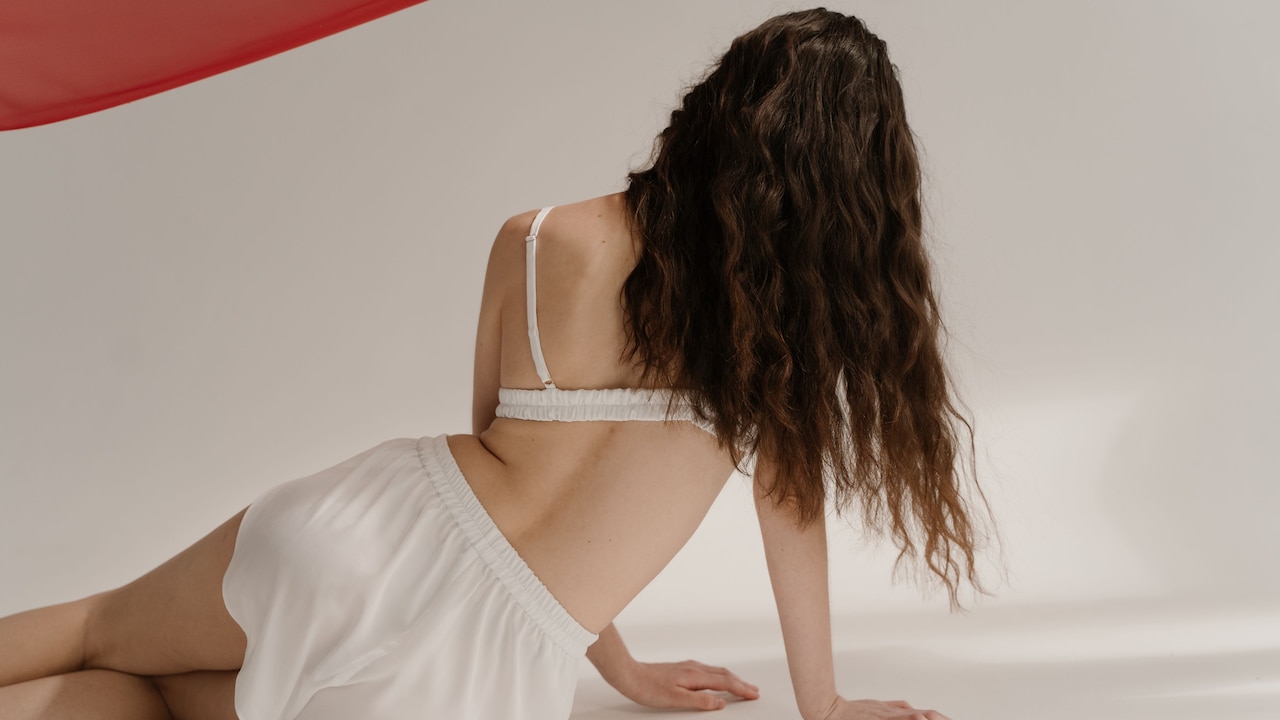
Do Expensive Innerwear Sets Last Longer Than Budget Ones?; Photo Credit: Pexels
Expensive Sets Win In Some Cases
Premium innerwear earns its price in certain situations. Better bras for fuller support, maternity needs, post-surgery comfort, sports activity, bridal wear, and seamless outfits often justify spending more. These categories demand engineering, not just pretty fabric. A well-designed sports bra, for example, protects comfort during movement in a way a basic budget option may not.
Expensive sets also offer better size ranges and more thoughtful design details. Wider straps, stronger side panels, breathable cups, smoother closures, and skin-friendly trims can make daily life easier. For someone who struggles with fit, spending more on the right set can feel less like luxury and more like relief.
Premium pieces may also last longer when used for the purpose they suit. A quality T-shirt bra worn in rotation and washed gently can stay reliable for many months.
The myth breaks here: expensive does not automatically mean longer-lasting, but well-made expensive innerwear often solves problems that cheaper sets ignore.
Cost Per Wear Gives The Honest Answer
Price becomes clearer when divided by use. A ₹2,400 set worn twice a week for one year costs roughly ₹23 per wear. A ₹600 set that loses shape after twenty wears costs ₹30 per wear. Suddenly, the cheaper choice does not look so cheap.
Cost per wear helps remove guilt from practical spending. It also exposes impulse shopping. A fancy set bought for ₹3,000 and worn three times costs ₹1,000 per wear. That number can make even a generous festival mood pause.
This simple calculation works well for innerwear because durability depends on rotation. More sets mean less pressure on each piece. A sensible drawer may include a few sturdy everyday options, one or two premium support pieces, and a special set for outfits that need smoother lines.
The best purchase earns its place through comfort and repeated use. A forgotten expensive set offers no value. A budget favourite that performs every week deserves applause.
The Final Verdict On The Myth
So, do expensive innerwear sets really last longer than budget ones? Sometimes, yes. Always, no. The longer-lasting set usually wins because of fabric, stitching, elastic, fit, care, and purpose. Price can support these qualities, but it cannot promise them.
A premium set makes sense when it offers better support, thoughtful design, accurate sizing, and fabric that feels good after many washes. A budget set makes sense when it uses strong basics, fits well, and suits everyday routines. The worst buys sit at both ends: costly pieces that rely on glamour alone, and cheap ones that give up after a few wears.
Innerwear shopping should feel less like a status contest and more like choosing a dependable daily companion. No one sees it during a Monday morning rush, but the body knows. Comfort changes posture, mood, and confidence in small, powerful ways.
Products Related To This Article
1. DressBerry Pack Of 3 Non-Padded Lingerie Sets
2. ONN Pack of 3 Innerwear Vests
3. Soie Women's Full Coverage Padded Bra and Mid Rise Brief With Lace Detailing-Sets
4. Eleg & Stilance Women's Bralette & Panty Set Soft Comfortable Innerwear Set
5. Van Heusen Innerwear Men's Assorted Pack Of 2 Printed Pure Cotton Boxers
6. PAAVKI Pack Of 2 Cotton Non-Padded Non-Wired Seamless Lingerie Sets
7. XYXX Pack Of 2 Combed Cotton Boxers
8. Eleg & Stilance Women Non-Padded Bra & Panty Set Soft Comfortable Everyday Innerwear Set
The real myth is not that expensive innerwear lasts longer. The real myth is that price alone can judge quality. A higher tag may bring better materials and design, but only sharp selection and gentle care turn that promise into durability.
Before buying, check the fabric, stretch the elastic, inspect the seams, and choose the right size. Think about where and how often the set will be worn. Treat it kindly in the wash. Innerwear has a tough job, after all. It works quietly through heat, movement, long days, and festive chaos.
The best innerwear set is not always the one with the fanciest label or the lowest price. It is the one that stays comfortable, keeps its shape, survives real routines, and makes the wearer forget about it completely. That is true luxury, whether it costs ₹499 or ₹2,999.
(Disclaimer: This article may include references to or features of products and services made available through affiliate marketing campaigns. NDTV Convergence Limited (“NDTV”) strives to maintain editorial independence while participating in such campaigns. NDTV does not assume responsibility for the performance or claims of any featured products or services.)