Dresses That Hide Belly: How To Choose The Right Fit For A Flattering Look
Discover the best dress styles that flatter your tummy without clinging. From A-line to wrap fits, learn how to choose silhouettes, fabrics, and details that smooth the midsection and boost confidence.
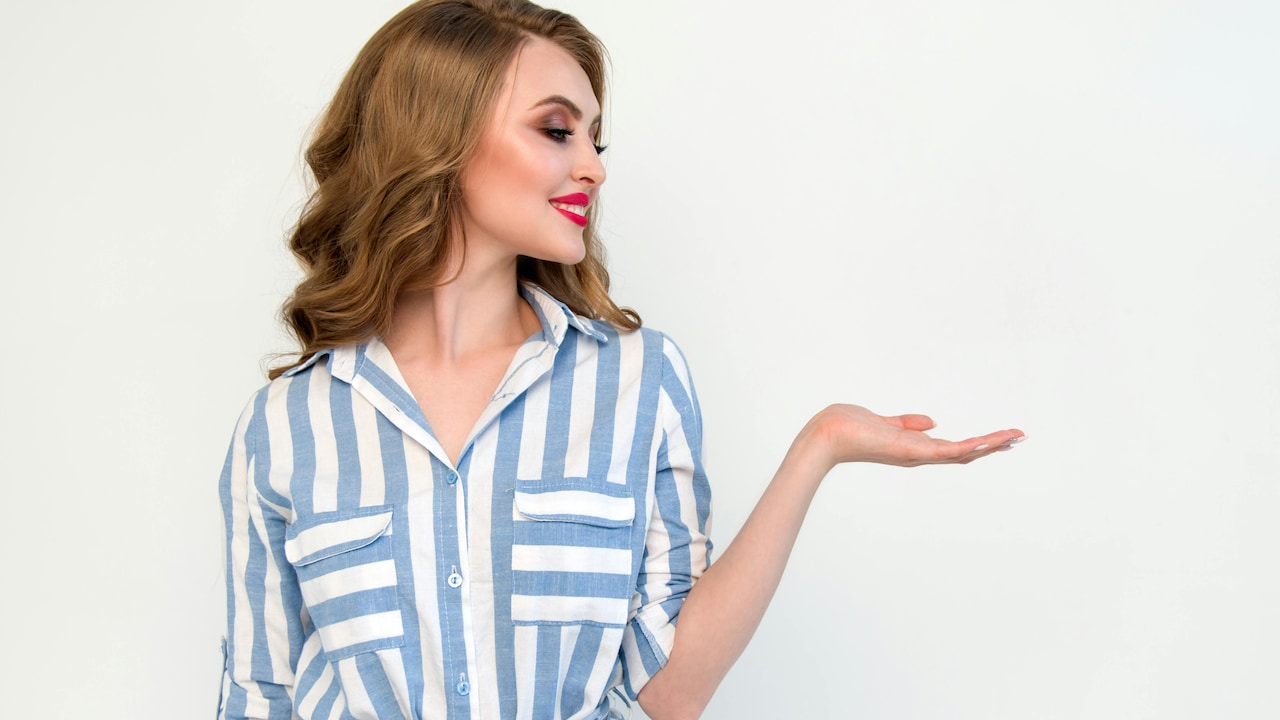
Dresses That Hide Belly: How To Choose Flattering Fits That Don't Highlight Your Stomach.
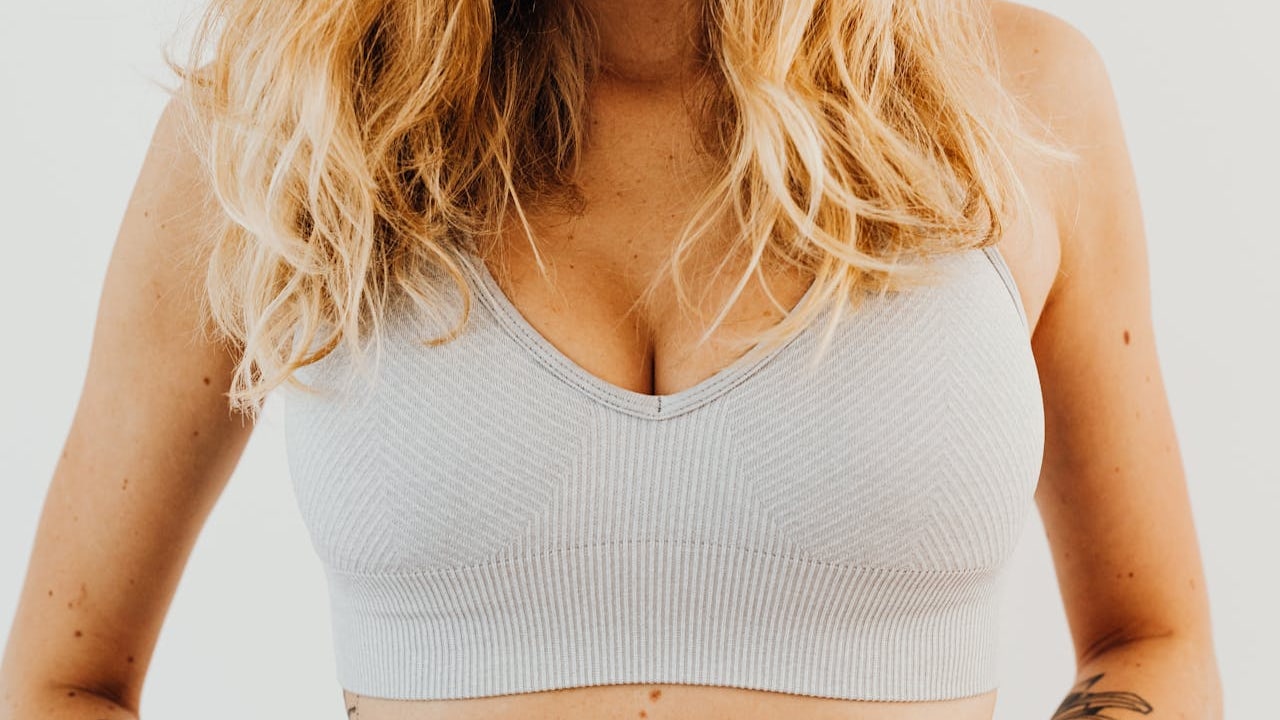
Let's get one thing out of the way: having a belly is not a problem to solve. It's a body feature, like shoulders or knees or that one eyebrow that refuses to cooperate, but wanting dresses that don't highlight your stomach? That's completely valid. Sometimes it's about comfort, sometimes it's about confidence, and sometimes it's about the simple desire to eat a full plate of biryani without a zipper staging a protest.
The good news is that you don't need complicated shapewear or “magic” clothing to feel good in a dress. What you need is a little strategy. The right silhouette can skim, flatter, and balance your proportions without looking like you're trying too hard. And yes, the right dress can make you feel like you've got your life together, even if you're running late and your hair is still damp.
This guide breaks it down into simple, wearable ideas. No harsh rules. No fashion snobbery. Just smart styling that works in real life.
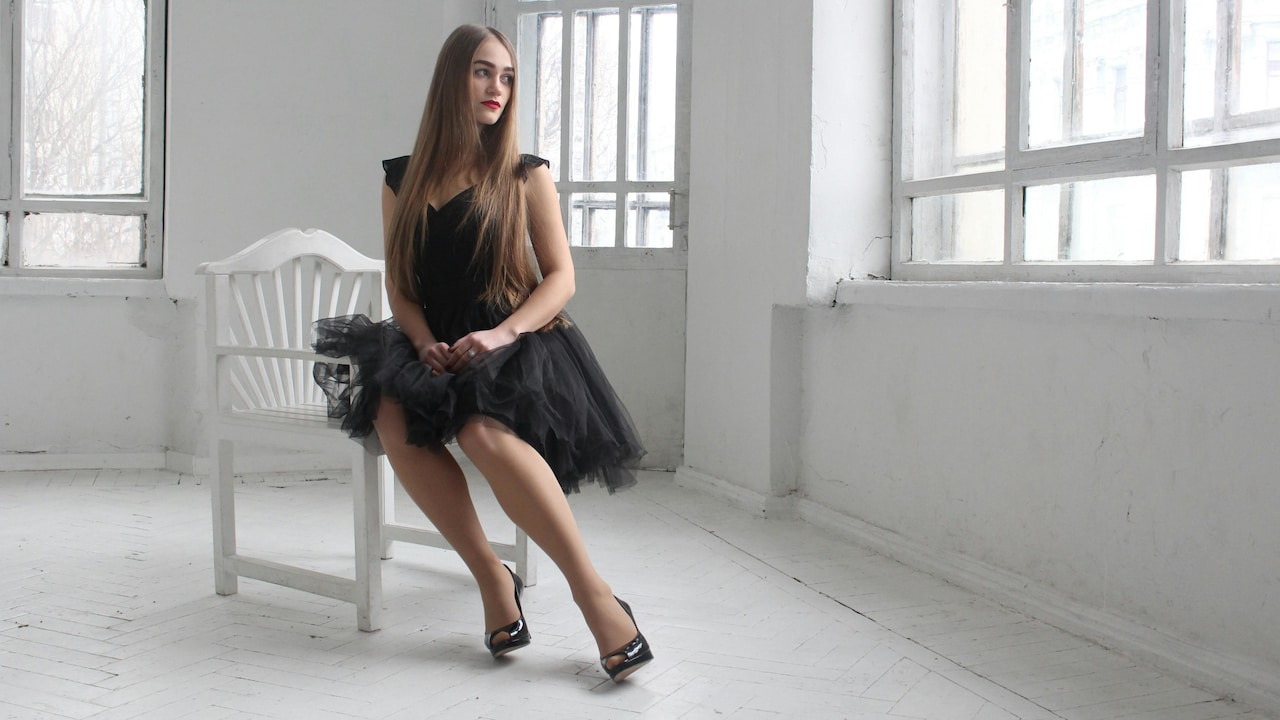
Dresses That Hide Belly: How To Choose Flattering Fits That Don't Highlight Your Stomach
Photo Credit: Pexels
10 Dress Tricks That Flatter The Belly Without Trying Too Hard
1) Choose A-Line Dresses That Float, Not Fight
If there's one dress shape that rarely betrays anyone, it's the A-line. It gently fits around the upper body and then flares out, creating a smooth line that doesn't cling to the stomach. The beauty of an A-line is how it moves. It doesn't sit on the belly and announce itself; it glides over it like it has better things to do.
This silhouette works especially well for daily wear because it looks put-together without feeling restrictive. A cotton A-line dress with a soft flare can be a summer hero, especially when the weather makes every tight outfit feel like a personal insult. For dressier occasions, a structured A-line in crepe or satin can look elegant without turning you into a statue.
The key detail is where the flare begins. If the dress starts flaring slightly above the natural waist, it creates a flattering shape without emphasising the stomach area. Pair it with comfortable footwear and a confident walk, and the dress will do the rest.
2) Go For Empire Waist Dresses That Lift The Focus Up
Empire waist dresses are often underestimated, but they're brilliant when you want a belly-friendly fit. They cinch just under the bust and then fall loosely over the midsection. This draws attention to the narrowest area of the torso and gives the stomach space to exist without becoming the main character.
The effect is soft, romantic, and surprisingly versatile. An empire waist dress in a flowy fabric can feel breezy for daytime, while a darker version with subtle detailing can work beautifully for evenings. It's also a great option for festive meals, where the goal is to enjoy the food and still feel comfortable afterwards.
The only thing to watch out for is overly thin fabric. If the material is too flimsy, it can cling in odd places. A slightly heavier rayon, georgette, or a lined cotton blend works better. Think graceful, not clingy. A good empire dress makes the whole outfit feel effortless, like you woke up with perfect taste.
3) Wrap Dresses: The Optical Illusion That Never Gets Old
Wrap dresses have earned their reputation for a reason. They create a V-neckline, define the waist, and drape across the stomach in a way that looks intentional. Instead of squeezing the belly, the wrap shape works with it, creating soft folds that camouflage without looking bulky.
The best part is that wrap dresses offer adjustability. If your body feels different from one day to the next, which it does, because bodies are not robots, you can loosen or tighten slightly without sacrificing comfort. That flexibility makes wrap dresses ideal for everything from office days to family gatherings.
For a flattering fit, look for wrap dresses with a tie that sits slightly above the natural waist. Also, choose fabrics that drape well, like crepe, jersey with structure, or soft viscose. If the dress is too stiff, the wrap won't fall smoothly. If it's too thin, it may cling. The right wrap dress feels like a fashion cheat code, and frankly, everyone deserves one.
4) Shift Dresses That Skim Without Looking Boxy
Shift dresses can be a lifesaver when you want something easy, comfortable, and belly-friendly. The trick is choosing a shift that skims the body rather than hanging like a curtain. A well-cut shift creates a clean silhouette without grabbing onto the stomach.
Many people avoid shift dresses because they fear looking shapeless. But modern shifts often come with small design tweaks that add polish: darts at the bust, subtle shaping at the shoulders, or a slightly tapered hem. These details make a big difference. They create structure where you want it and ease where you need it.
A shift dress in linen blend or cotton can be perfect for hot days when you want to feel breathable and still look smart. For workwear, a knee-length shift in a thicker fabric can look sleek without feeling tight. Add statement earrings or a scarf, and suddenly it's not “simple,” it's “minimalist chic.” And yes, that's a real thing.
5) The Magic Of Ruching: Soft Folds That Flatter
Ruching is one of the most underrated style tricks for the stomach area. It's basically gathered fabric, usually around the waist or midsection, and it creates texture. That texture breaks up outlines and smooths the look of the belly without needing compression.
A ruched dress can be fitted and still forgiving. That's the charm. It gives shape without harshness. It's especially flattering in solid colours because the folds add dimension, making the outfit look more styled and less basic. If you've ever put on a dress and thought, “Why does this look better than it should?” there's a good chance ruching was involved.
Look for ruching that sits diagonally or slightly off-centre. That kind of placement draws the eye across the body rather than straight to the middle. Avoid ruching that's too tight or too thin, as it can create odd bunching. The best ruched dresses look smooth, confident, and quietly glamorous, like you're not trying, but you absolutely are.
6) Pick Fabrics That Hold Their Shape (And Don't Cling)
The silhouette matters, but fabric is the silent deal-breaker. A flattering cut can still look unflattering if the fabric clings to the stomach. Thin jersey, overly stretchy knits, and cheap polyester blends often highlight every curve, including the ones you'd rather not spotlight.
For belly-friendly dresses, look for fabrics that drape but also have a little weight. Crepe, viscose, georgette, cotton blends, linen blends, and structured knits tend to behave better. They skim the body instead of hugging it. Lining also helps, especially in lighter colours, because it prevents the fabric from sticking in humid weather.
This is where budget choices matter. A ₹1,200 dress can look fantastic if the fabric has decent structure. A ₹3,500 dress can look awkward if it's flimsy and shiny. Fabric quality isn't about price alone, but it is about how the material falls. The best test is movement. If it flows smoothly when you walk, it's likely going to be kind to your midsection too.
7) Strategic Prints And Darker Tones: Style Without The Drama
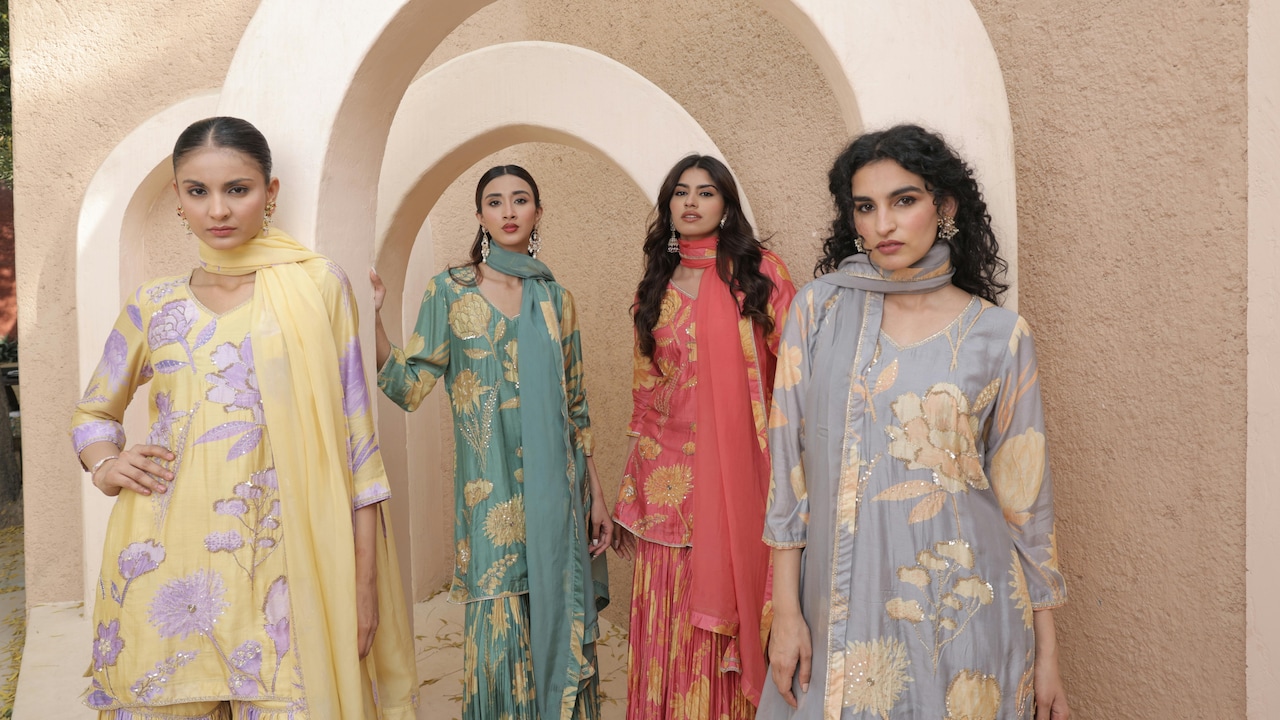
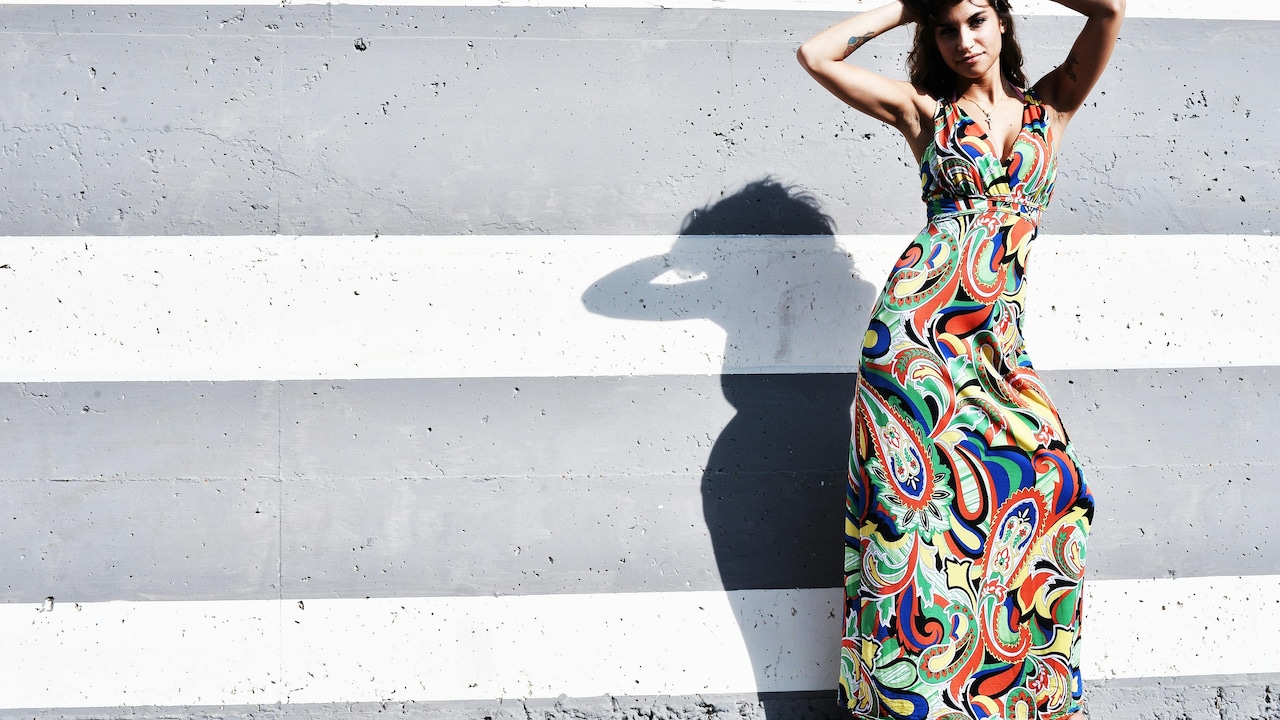
Prints are not the enemy. In fact, the right print can be your best friend. Small-to-medium prints, scattered florals, abstract patterns, and subtle geometrics can distract the eye from the stomach area by creating visual movement. The trick is to avoid prints that concentrate in one spot or have bold, centred motifs right on the belly.
Darker colours also help, but not because they “hide flaws.” They simply create a smoother visual line. Navy, deep green, wine, charcoal, and chocolate brown can look rich and elegant while being forgiving around the midsection. If black feels too harsh for daytime, these shades offer the same ease with more personality.
Colour-blocking can work too, but only when done smartly. If a dress has darker panels on the sides and a lighter panel in the centre, it can create the opposite effect and draw attention inward. Choose dresses where the darker area sits around the stomach or where the print is evenly spread. The goal is balance, not camouflage.
8) Necklines And Sleeves: The Distraction Technique That Works
When people think of hiding the belly, they often focus only on the waist. But a smarter approach is to balance the whole look. Necklines and sleeves can draw attention upward, creating a more proportionate silhouette.
V-necks are especially flattering because they elongate the neck and create a vertical line. Square necklines also work beautifully, giving structure and highlighting the collarbone. If you prefer something modest, a soft scoop neck can still do the job without feeling too open.
Sleeves matter too. If you feel self-conscious about the midsection, having a little sleeve can add confidence. Flutter sleeves, three-quarter sleeves, and lightly puffed sleeves add shape and visual interest. They make the outfit look styled, which takes attention away from the stomach. It's not about hiding; it's about giving the eye more places to look. A dress with a flattering neckline and thoughtful sleeves often feels more “complete,” which is half the battle.
9) Waist Placement: High, Soft, And Slightly Off-Centre
The most common mistake with belly-conscious dressing is picking a waistline that sits exactly on the fullest part of the stomach. That placement can create a “cut” across the body and make the belly look more prominent. A better option is a waistline that sits slightly higher, or that is defined softly rather than tightly.
Dresses with a gently cinched waist, a tie detail, or subtle shaping can define your figure without squeezing it. Even better are dresses where the waist detail is slightly off-centre, like a side knot or asymmetrical tie. This draws the eye diagonally, which is always more flattering than a straight horizontal line.
Belts can work, but only when used thoughtfully. A thick belt at the widest point can be unkind. A slimmer belt placed slightly above the natural waist can be flattering, especially over a dress that already has some structure. Think of it as guiding the silhouette rather than forcing it. Clothes should cooperate, not argue.
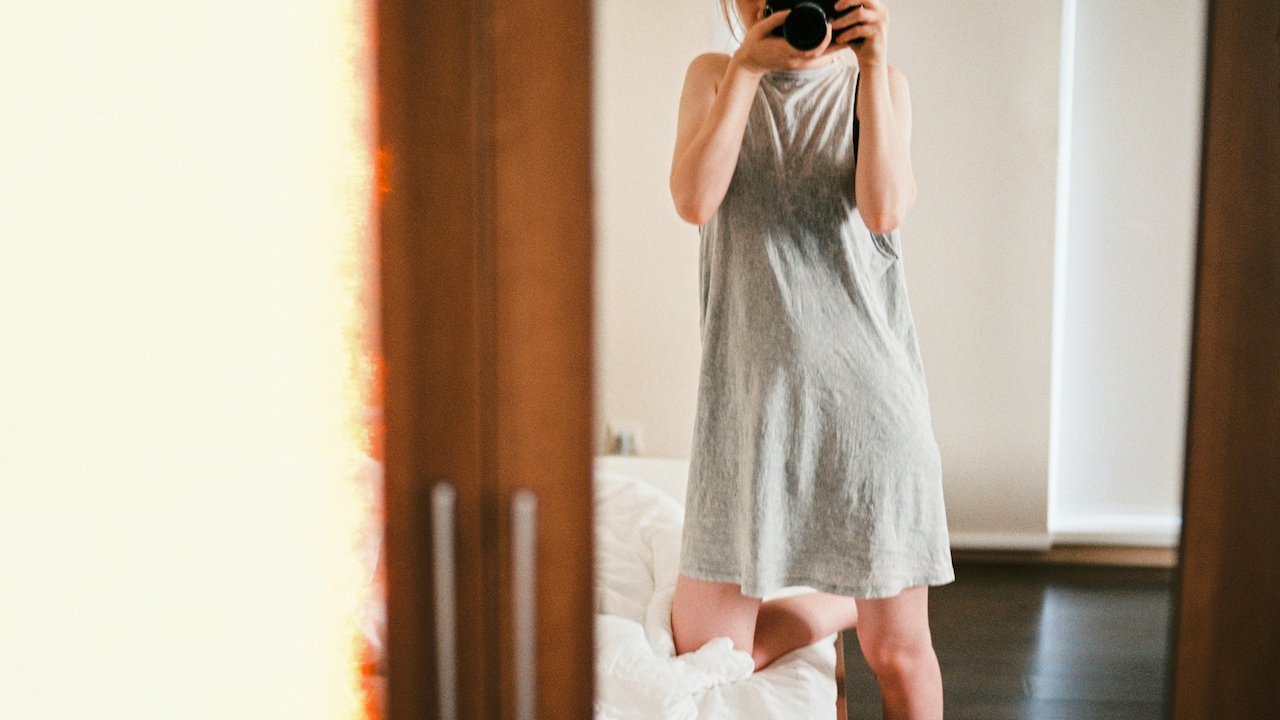
Dresses That Hide Belly: How To Choose Flattering Fits That Don't Highlight Your Stomach
Photo Credit: Pexels
10) Length And Hemlines: The Secret Weapon For Proportion
Hemlines don't just affect how tall you look; they also affect how balanced your outfit feels. When the proportions feel right, the stomach becomes less noticeable because the whole silhouette looks intentional.
Midi dresses are often the most forgiving. They create a long line, add elegance, and work across body types. A midi A-line or wrap dress can be especially flattering because it adds movement and makes the body look more streamlined. Knee-length dresses can work too, especially if they have a slight flare or structured shape.
Asymmetrical hems can also help. A hem that dips slightly at the back or has a soft diagonal cut creates flow and draws the eye downward. That movement naturally reduces focus on the midsection. Slits can work too, but subtle ones feel more wearable and less fussy.
If you're petite, don't fear midis. Just choose one that doesn't overwhelm you and pair it with footwear that gives a little lift. Proportion is the real magic. When the length works, everything else falls into place.
Products Related To This Article
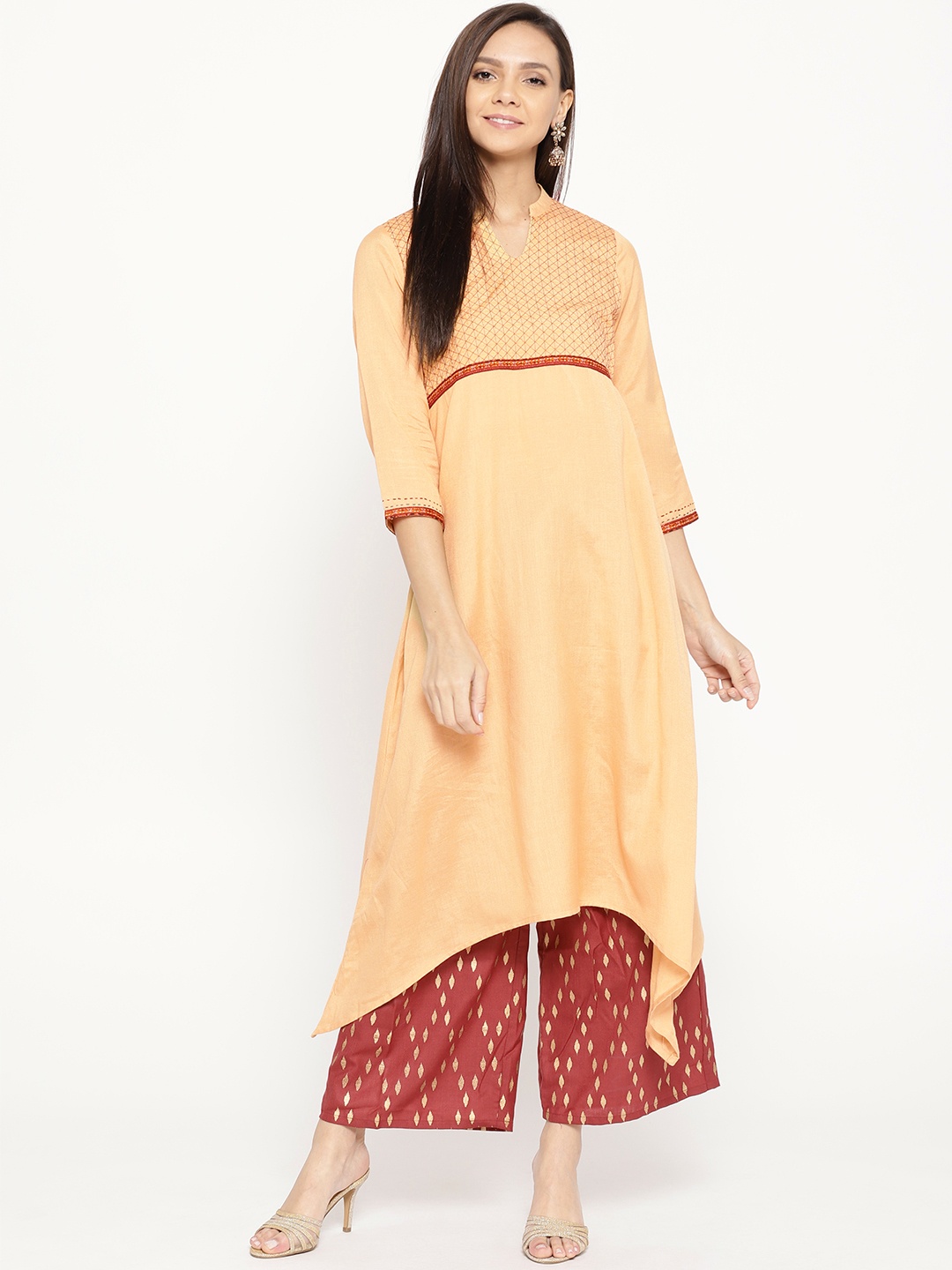
1. Anayna Women Checked Cotton Fit & Flare Maxi Dresses
2. Navibhu Printed V-Neck A-Line Ethnic Relaxed Work Dresses
3. Rain & Rainbow Women Floral Print Puff Sleeve Pure Cotton Fit & Flare Midi Dress
4. MANOJAVA Floral Print Flared Sleeve Kaftan Maxi Dress
5. Berrylush One Shoulder A-Line Maxi Dress
6. Bebe Women Pinafore Midi Dress
7. StyleCast Grey & Yellow Floral Printed Chiffon A-Line Dress
The best dresses that hide the belly don't actually “hide” anything. They simply skim, balance, and flatter. They give your body space to breathe and move, while still looking stylish and polished. A-line dresses, wrap silhouettes, empire waists, and structured shifts all work because they respect the natural shape of the body instead of trying to flatten it into submission.
More than anything, comfort matters. When a dress feels good, you stand differently. You smile more easily. You stop adjusting your outfit every five minutes like it's a part-time job. And that confidence is the most flattering thing you can wear, no matter the size of your stomach.
So the next time you're shopping, don't chase “perfect.” Chase ease. Choose dresses that let you sit, walk, eat, laugh, and live because the goal isn't to look smaller. The goal is to look like yourself, just a little more relaxed about it.
(Disclaimer: This article may include references to or features of products and services made available through affiliate marketing campaigns. NDTV Convergence Limited (“NDTV”) strives to maintain editorial independence while participating in such campaigns. NDTV does not assume responsibility for the performance or claims of any featured products or services.)