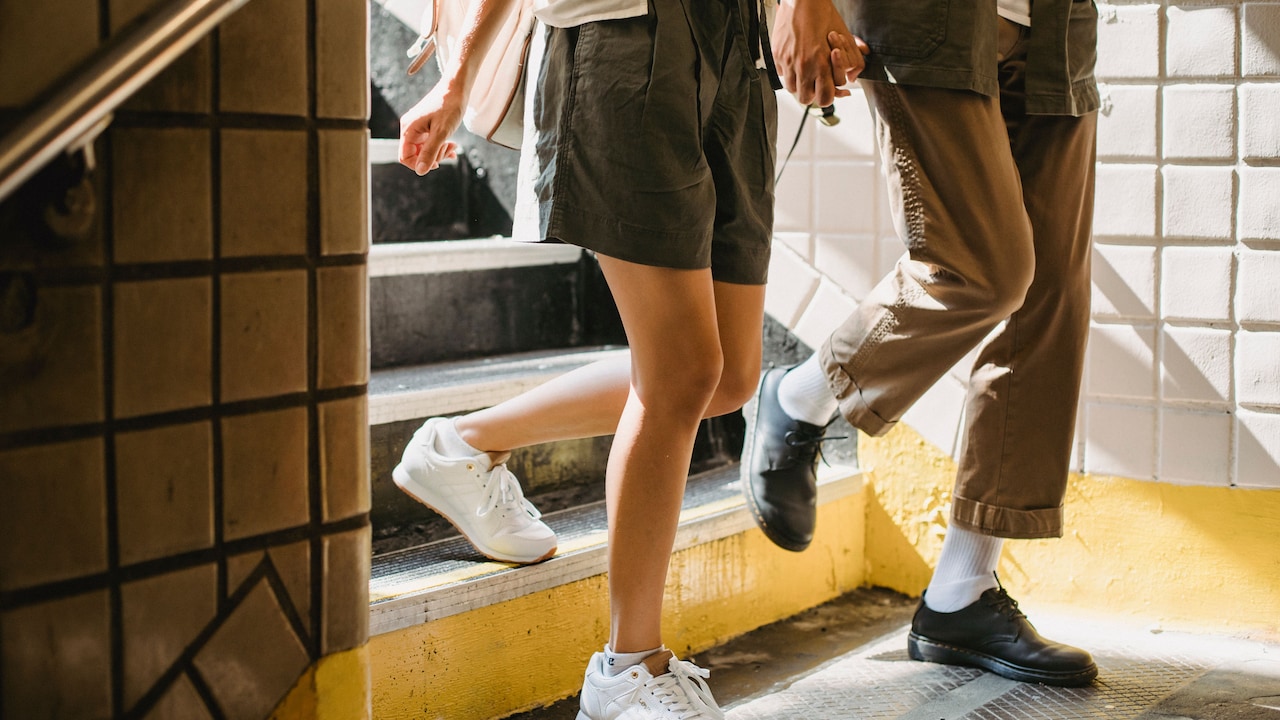
A-Line Kurtas That Still Look Boxy: What Fit Detail You Are Missing
A-line kurtas should flatter, not feel boxy. The problem often lies in overlooked fit details like shoulders, flare placement, and fabric. Here’s what actually makes the silhouette work.
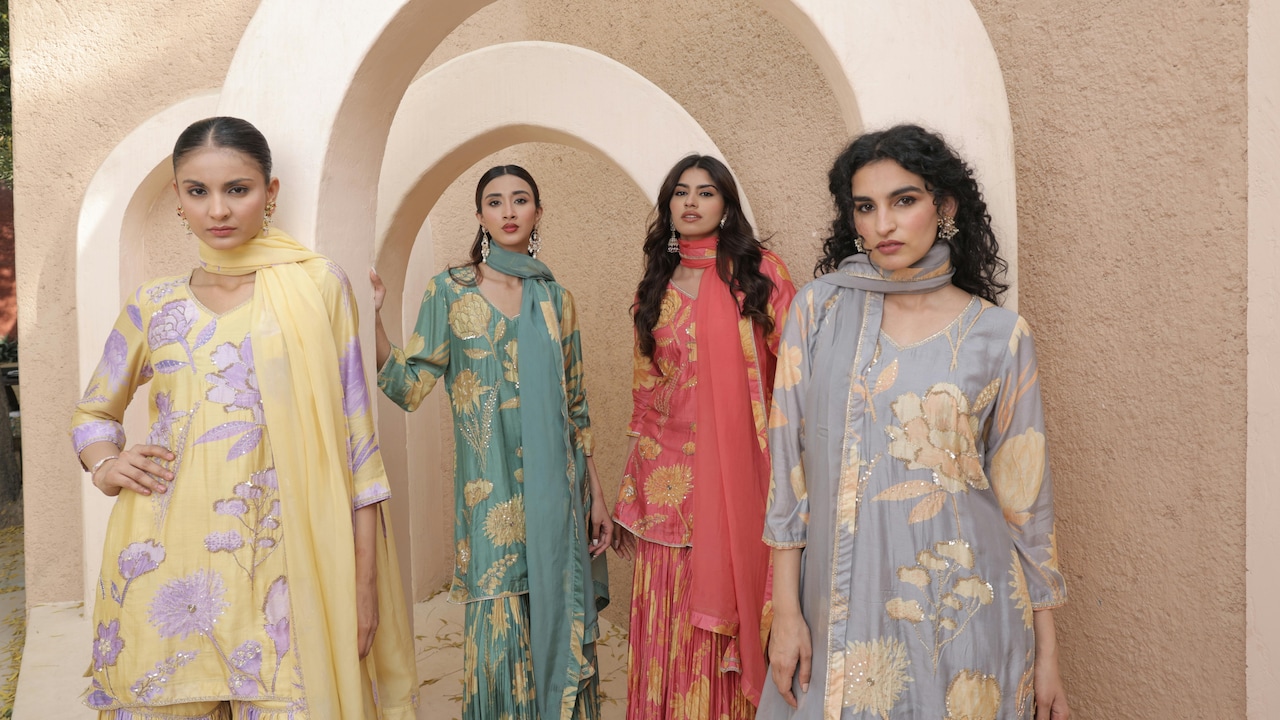
A-Line Kurtas That Still Look Boxy: What Fit Detail You Are Missing
A-line kurtas have long held a special place in wardrobes. Easy to wear, forgiving on most body types, and effortlessly elegant, they often seem like the safest pick for everything from casual errands to festive dinners. Yet, a familiar frustration creeps in. Despite choosing an A-line cut, the kurta still looks stiff, shapeless, almost… boxy.
The confusion is understandable. After all, isn't the A-line supposed to flare and flatter? The truth sits in the details—tiny, almost invisible decisions in tailoring and fit that make all the difference between graceful drape and awkward structure.
This isn't about changing personal style or chasing trends. It's about understanding why a seemingly perfect kurta doesn't quite work and how small tweaks can transform the entire look. From shoulder seams to fabric fall, each element plays a role in shaping the final silhouette.
Let's unravel the mystery behind boxy A-line kurtas and discover the fit details that truly matter.
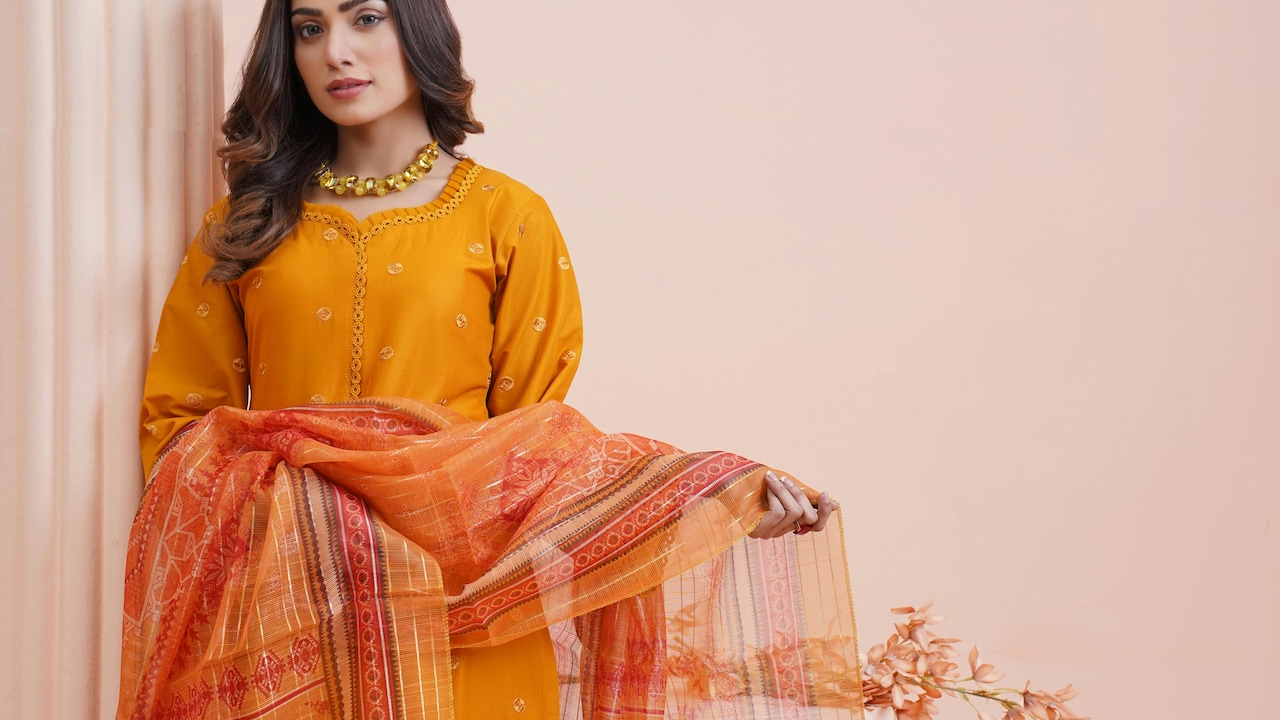
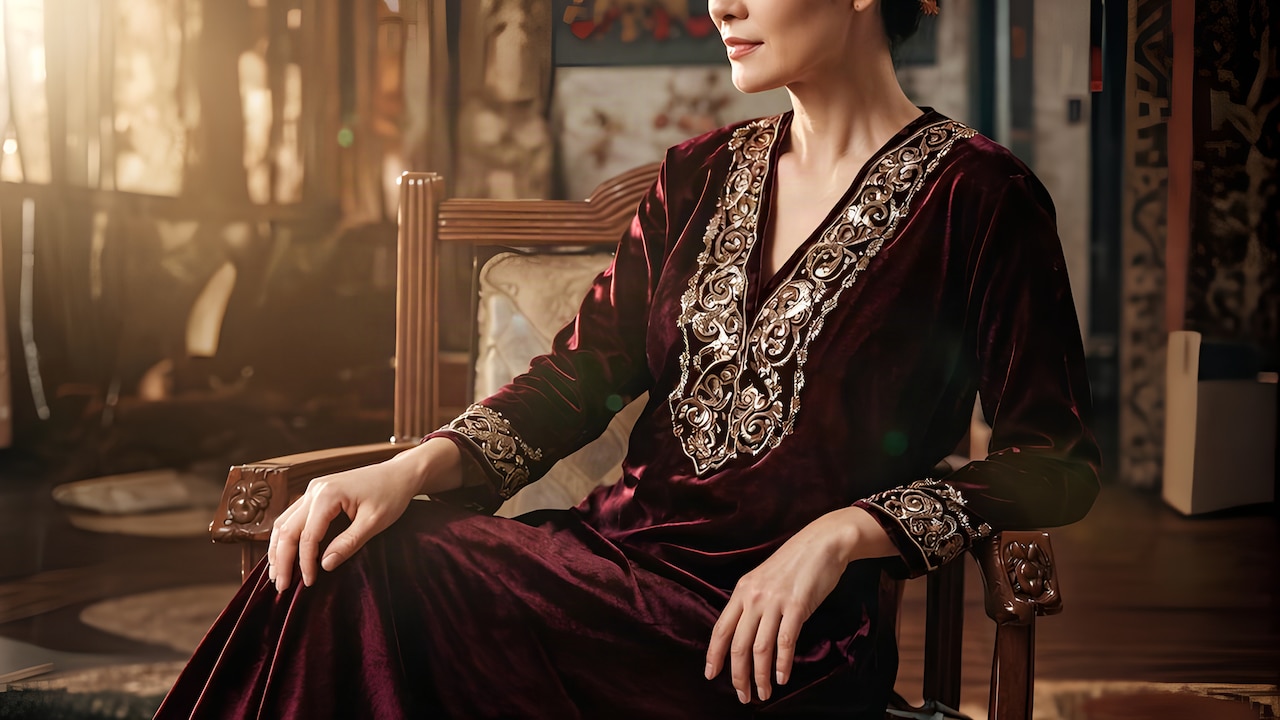
A-Line Kurtas That Still Look Boxy: What Fit Detail You Are Missing; Photo Credit: Pexels
The Subtle Fit Details That Make Or Break Your A-Line Kurta
The Shoulder Fit That Sets The Tone
The story of any kurta begins at the shoulders. A poorly fitted shoulder can ruin even the most thoughtfully designed A-line silhouette. When the shoulder seam extends beyond its natural line, the kurta immediately starts to look oversized rather than flowy.
Many assume that a slightly loose shoulder adds comfort, but it often leads to a droopy appearance. On the other hand, a shoulder that hugs just right creates a clean starting point for the flare below. It gives structure without stiffness.
Think of it like the frame of a painting. Even the most beautiful artwork loses charm if the frame feels off. Similarly, a well-fitted shoulder anchors the entire garment, allowing the A-line cut to fall gracefully instead of ballooning outward awkwardly.
In everyday settings, this becomes especially noticeable. Whether stepping out for a quick chai run or attending a small family gathering, a crisp shoulder fit instantly elevates the look without trying too hard.
Bust Fit: The Silent Game Changer
A-line kurtas often get blamed for looking boxy when the real culprit is an ill-fitted bust area. Too tight, and the fabric pulls uncomfortably, disrupting the flare. Too loose, and the kurta loses shape entirely.
The ideal fit skims the body without clinging. It allows enough ease for movement but still follows the natural contour. This balance ensures that the flare begins at the right point, rather than from an awkward mid-section.
Tailors often overlook this subtlety, especially in ready-made pieces. The result? A kurta that hangs straight down instead of gently widening.
A quick trick while trying one on involves observing how the fabric behaves when sitting down. If it bunches oddly or stretches too much, the bust fit needs attention. A well-fitted bust area quietly enhances the entire silhouette without drawing attention to itself.
Also Read: Look Taller Effortlessly: 10 A-Line Kurta Styling Hacks That Work Every Time
Armhole Depth And Its Unexpected Impact
Armholes rarely get the spotlight, yet they hold surprising power over how a kurta looks and feels. An armhole that sits too low creates excess fabric around the chest, making the upper body appear bulkier.
This extra space interrupts the clean fall of the A-line cut. Instead of a smooth transition, the kurta starts to look tent-like. On the other hand, an armhole that is too tight restricts movement and causes discomfort.
The sweet spot lies in a snug yet flexible fit that allows the arms to move freely without dragging the rest of the fabric along. It ensures that the kurta maintains its intended shape, even during everyday activities like reaching for something on a shelf or adjusting a dupatta.
This detail may seem minor, but it often marks the difference between a kurta that feels tailored and one that feels borrowed.
The Flare Placement That Truly Matters
Not all A-line kurtas flare the same way. Some start widening right from the bust, while others begin closer to the waist. This placement significantly affects how the kurta looks.
When the flare begins too early, the garment can resemble a trapeze rather than a graceful A-line. It adds unnecessary volume and often leads to that dreaded boxy effect. A later flare, starting around the waist or just below, creates a more defined shape.
This subtle shift helps maintain structure at the top while allowing movement and flow at the bottom. It brings a sense of proportion, which is key to avoiding a shapeless look.
Choosing the right flare placement also depends on height and body type. Petite frames often benefit from a slightly higher flare, while taller silhouettes can carry a lower one with ease.
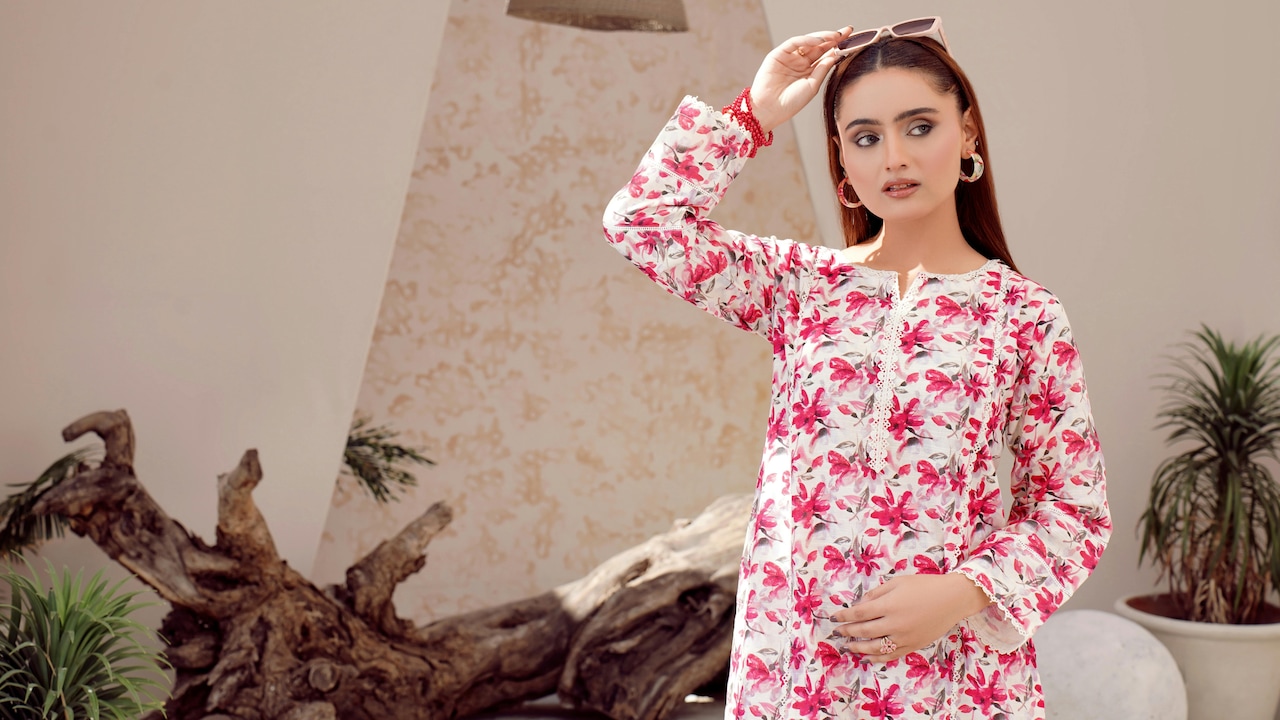
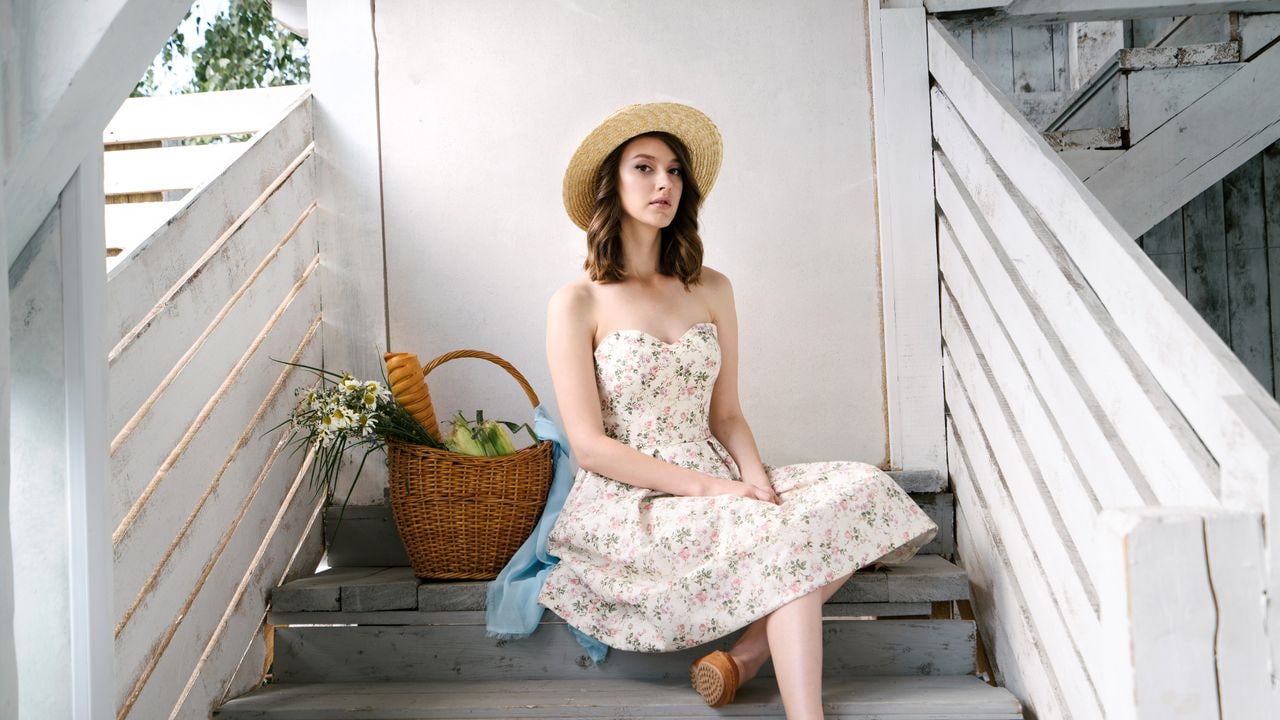
A-Line Kurtas That Still Look Boxy: What Fit Detail You Are Missing; Photo Credit: Pexels
Fabric Choice: The Hidden Influencer
Even the best tailoring can fall flat if the fabric doesn't cooperate. Stiff materials tend to hold their shape rather than drape, making the kurta look structured in all the wrong ways.
Soft, breathable fabrics like cotton blends, rayon, or light silk create a natural fall. They move with the body, enhancing the A-line effect instead of fighting it.
Heavier fabrics, while luxurious, often need precise tailoring to avoid stiffness. Without it, they can add bulk rather than elegance.
Consider the difference between a breezy kurta worn on a humid afternoon and a heavily embroidered one saved for festive occasions. The former flows effortlessly, while the latter demands careful styling to maintain balance.
Fabric isn't just about comfort; it directly shapes how the kurta looks on the body.
Side Slits And Their Role In Balance
Side slits are more than just a design element. They influence how the kurta moves and sits on the body. Low or absent slits can restrict movement, causing the fabric to bunch up and appear boxy.
Higher slits, when done right, create a sense of verticality. They break the monotony and allow the fabric to fall naturally. This simple detail adds both style and functionality.
However, the height of the slit must match the length of the kurta. Too high, and it risks looking disproportionate. Too low, and it loses its purpose.
In everyday wear, side slits make a noticeable difference. Whether walking through a crowded market or climbing stairs, they ensure ease without compromising on style.
Length That Complements, Not Confuses
Kurta length often gets overlooked, yet it plays a crucial role in the overall look. A length that cuts awkwardly around the hips can make the body appear wider.
Mid-calf lengths generally work well for A-line styles, offering a balanced silhouette. Shorter lengths can look chic but require careful pairing with bottoms to avoid a boxy appearance.
The key lies in proportion. A well-chosen length elongates the frame, while a poorly chosen one disrupts the flow.
In festive settings, longer kurtas paired with churidars or palazzos create an elegant look. For casual outings, slightly shorter styles with straight pants offer a modern twist.
Length isn't just about preference; it's about harmony.
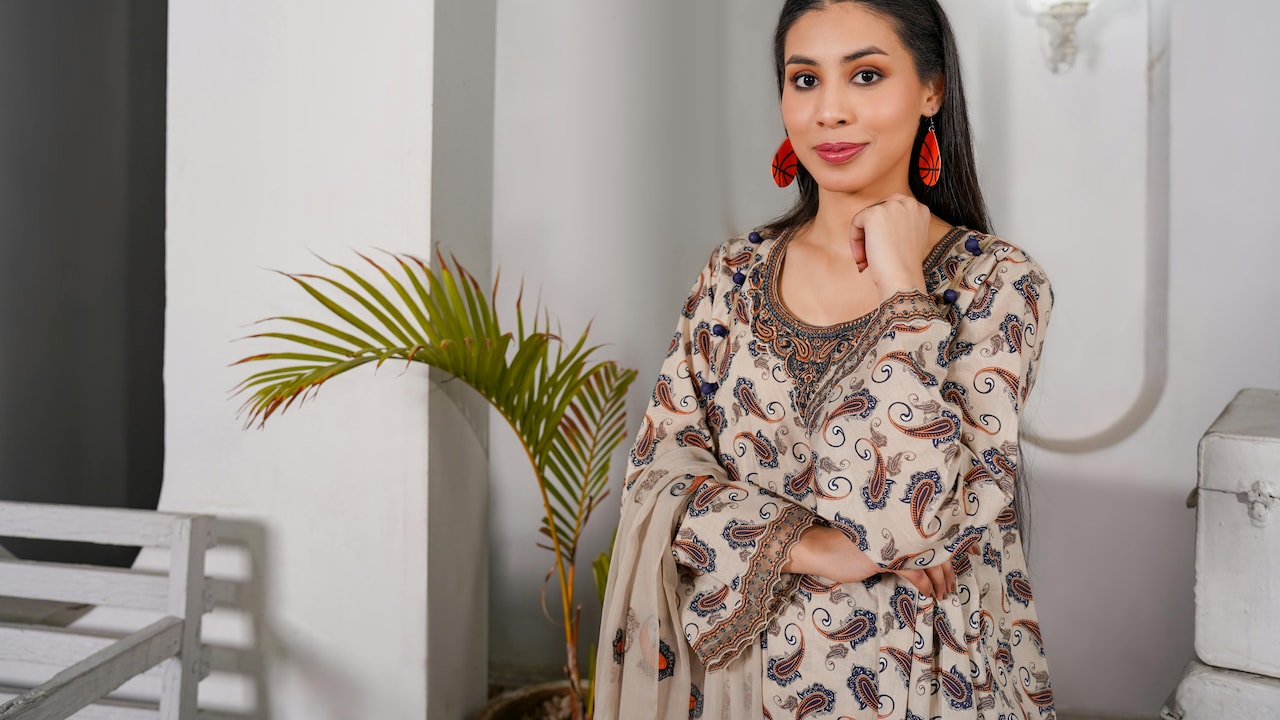
A-Line Kurtas That Still Look Boxy: What Fit Detail You Are Missing; Photo Credit: Pexels
Sleeve Design And Its Subtle Influence
Sleeves often get treated as an afterthought, but they significantly affect how a kurta looks. Loose, wide sleeves can add volume to the upper body, making the entire outfit appear bulkier.
Fitted or slightly tapered sleeves create a cleaner line. They balance the flare of the kurta, ensuring that the overall look remains structured.
Three-quarter sleeves, in particular, strike a good balance. They offer coverage while maintaining a light, airy feel.
In warmer climates, sleeve design also affects comfort. Breathable fabrics and thoughtful cuts can make a noticeable difference during long days.
A well-designed sleeve complements the kurta rather than competing with it.
Seam Lines And Panel Cuts
Panelled A-line kurtas often look more flattering than single-piece ones. The seams create vertical lines that elongate the body and add subtle structure.
Without these lines, the fabric can appear flat and shapeless. Panels introduce movement and depth, enhancing the overall silhouette.
This design detail works especially well for festive wear, where intricate patterns and colours can be showcased without overwhelming the look.
Even in simpler designs, panel cuts add a touch of sophistication. They guide the eye downward, creating a more streamlined appearance.
It's a small detail, but one that quietly elevates the entire outfit.
Styling Choices That Complete The Look
Sometimes, the issue isn't the kurta itself but how it's styled. Pairing an A-line kurta with overly loose bottoms can amplify the boxy effect.
Slim-fit pants, churidars, or even well-fitted palazzos create balance. They anchor the look, allowing the kurta to stand out without overwhelming the frame.
Accessories also play a role. A statement dupatta draped thoughtfully can add dimension, while minimal jewellery keeps the focus on the silhouette.
Footwear matters too. Slight heels or wedges can enhance posture and improve how the kurta falls.
Styling isn't just an afterthought; it completes the story that the kurta begins.
Products Related To This Article
1. Heartloom Women Embroidered Pure Cotton A-line Kurta (Multicolor)
2. SOVIRA FABS Women Embroidered Viscose Rayon A-line Kurta (Black)
3. sthreevsatra Women Embroidered Modal A-line Kurta (Light Blue)
4. RARE THREAD Women Embroidered Silk Blend A-line Kurta (Yellow)
5. usagi Women Printed, Abstract, Geometric Print Pure Cotton A-line Kurta (Grey)
A-line kurtas hold timeless charm, yet their true potential often hides behind overlooked details. The difference between a flattering fit and a boxy one rarely lies in the design alone. It emerges from a combination of thoughtful tailoring, fabric choice, and styling decisions.
From shoulders that sit just right to seams that guide the eye, each element contributes to the overall silhouette. Understanding these nuances allows for more informed choices, whether shopping off the rack or working with a tailor.
Fashion doesn't always demand dramatic changes. Sometimes, it's the quiet adjustments that make the biggest impact. The next time an A-line kurta feels slightly off, the answer might not be to replace it, but to refine it.
After all, the perfect kurta isn't just about how it looks on a hanger. It's about how it moves, feels, and fits into everyday life with ease and confidence.
(Disclaimer: This article may include references to or features of products and services made available through affiliate marketing campaigns. NDTV Convergence Limited (“NDTV”) strives to maintain editorial independence while participating in such campaigns. NDTV does not assume responsibility for the performance or claims of any featured products or services.)