Why Do Some Wallet Zips Break Early? Hardware Quality Check
Wallet zips often fail due to poor materials, weak sliders and everyday misuse. A closer look at hardware quality reveals what makes some zips last while others break far too soon.
Why Do Some Wallet Zips Break Early? Hardware Quality Check
A wallet often sits quietly in a pocket or a shoulder bag, doing its job without much attention. Until the zip jams. Or worse, breaks. Suddenly, coins spill, cards slip out, and that dependable accessory turns unreliable overnight. It raises a simple but curious question: why do some wallet zips give up so quickly while others seem to last for years without complaint? The answer rarely lies in one single factor. Instead, it is a mix of material quality, manufacturing precision, daily handling, and even the climate. A wallet bought for ₹800 at a roadside stall may behave very differently from one picked up at ₹3,000 from a premium store, but price alone does not tell the full story. This exploration breaks down the hidden details behind zip durability. It reveals what actually matters and what often goes unnoticed during purchase. From tiny teeth to stitching strength, every element plays a role in whether a zip survives the daily grind or fails far too soon.
Why Do Some Wallet Zips Break Early? Hardware Quality Check; Photo Credit: Pexels
Understanding The Key Factors Behind Wallet Zip Failure
The Role Of Zip Material
The material of the zip often determines its lifespan more than anything else. Metal zips usually feel sturdy and reassuring, but not all metals behave the same way. Cheap alloys tend to bend or corrode over time, especially with exposure to humidity and sweat. On the other hand, high-grade brass or stainless steel zips hold their shape better and resist wear.
Plastic zips, often used in lightweight wallets, offer flexibility but can crack under pressure. A wallet stuffed with cards, receipts, and coins puts constant strain on those tiny teeth. Over time, plastic teeth may lose alignment, causing the slider to skip or jam.
Many buyers overlook this detail while focusing on the wallet's design or brand name. Yet, a quick look at the zip material can reveal a lot. A smooth glide, a slight weight in the metal, and consistent tooth alignment often signal better quality. When a zip feels flimsy from day one, it rarely improves with use.
Manufacturing Precision Matters
Even the best materials fail without proper craftsmanship. Precision in manufacturing decides whether a zip works seamlessly or struggles from the start. Poorly aligned teeth, uneven spacing, or a loosely fitted slider can lead to early failure.
A well-made zip moves smoothly without catching or resisting. When a zip requires force or makes a scraping sound, it usually points to a manufacturing flaw. Over time, such imperfections worsen, leading to misalignment or breakage.
Mass-produced wallets often compromise on this aspect to keep costs low. A wallet priced at ₹500 may look stylish, but shortcuts in production often show up in the zip. In contrast, wallets made with attention to detail ensure each component fits perfectly.
This is where patience during purchase pays off. Testing the zip a few times in-store may seem trivial, but it reveals whether the hardware has been assembled with care or rushed through production.
Also Read: Best 7 Men's Leather Wallets On Amazon India With Honest Reviews And Style Insights
Quality Of The Slider Mechanism
The slider acts as the brain of the zip. It brings the teeth together and keeps them locked. When the slider is weak or poorly designed, the entire zip system suffers.
A common issue occurs when the slider loses grip. The zip may close initially but slowly opens on its own, creating a gap. This often happens when the internal mechanism wears out or lacks strength from the beginning.
Sliders made from cheap metal or thin plastic degrade quickly. They may bend slightly, which is enough to disrupt alignment. Once this happens, the zip becomes unreliable, even if the teeth remain intact.
A sturdy slider feels firm and moves with controlled resistance. It should not wobble or feel loose. A tiny component, yet its role is massive. Ignoring it often leads to frustration later.
Stitching And Attachment Strength
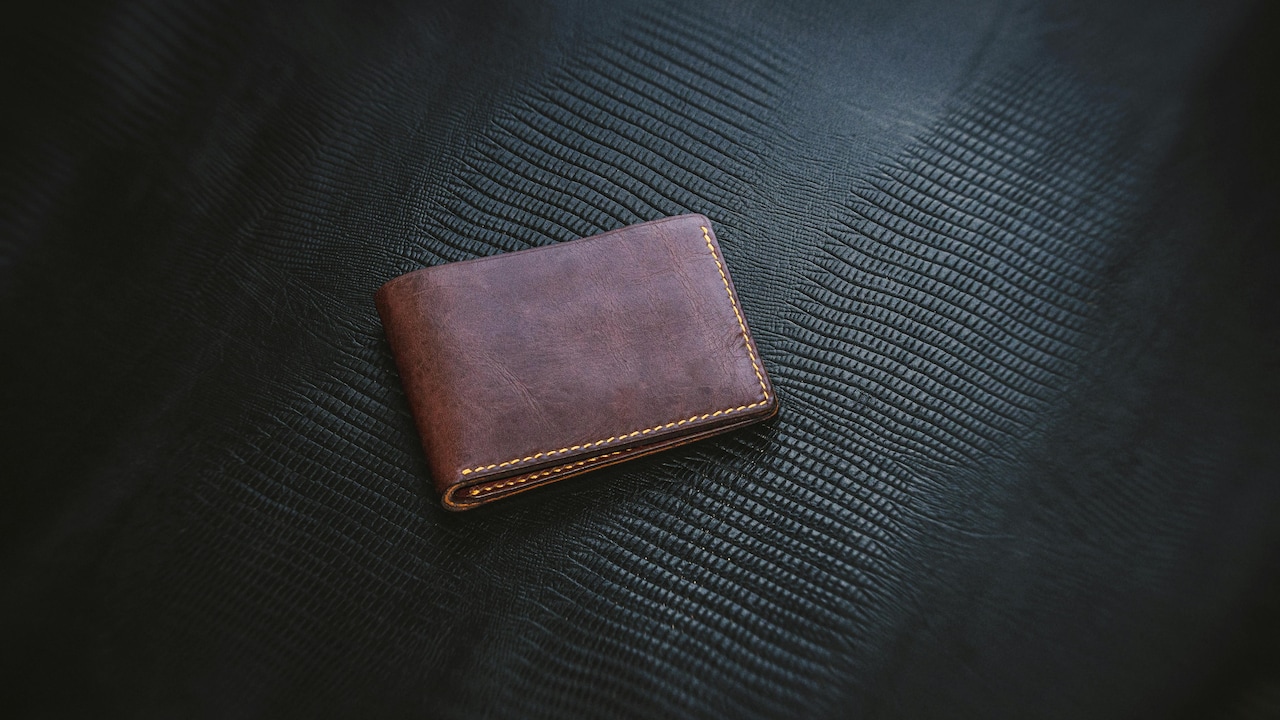
The way a zip attaches to the wallet matters just as much as the zip itself. Weak stitching can cause the zip to detach partially, putting uneven pressure on the teeth and slider.
Wallets that use thin threads or rushed stitching often show signs of wear around the zip line. Threads may loosen, creating small gaps. These gaps allow the zip to shift, leading to misalignment.
A well-stitched zip sits firmly in place, with tight and consistent stitches along the edges. The stitching should not appear uneven or loose. It should hold the zip securely, even when the wallet is full.
This detail often gets ignored during purchase. Yet, a quick glance at the stitching can prevent future issues. A zip is only as strong as its attachment to the wallet.
Why Do Some Wallet Zips Break Early? Hardware Quality Check; Photo Credit: Pexels
Overstuffing And Daily Habits
Even the strongest zip struggles when pushed beyond its limits. Overstuffing a wallet is one of the most common reasons for early zipper failure. Cards, receipts, coins, and even folded notes create pressure from inside.
This constant strain forces the zip to work harder than intended. Over time, the teeth may misalign, and the slider may weaken. The result is a zip that no longer closes properly.
Daily habits also play a role. Pulling the zip too quickly, yanking it when stuck, or forcing it closed can damage the mechanism. A wallet may survive occasional rough use, but repeated stress adds up.
A simple habit shift can extend the life of a zip. Keeping only essentials and handling the zip gently can make a noticeable difference. Sometimes, the problem lies not in the wallet but in how it is used.
Environmental Factors And Climate
Humidity and heat quietly affect zip performance. In coastal regions, moisture in the air can lead to corrosion, especially in low-quality metal zips. Sweat and dust further accelerate this process.
Plastic zips react differently. Heat can make them expand slightly, while cold can make them brittle. These changes, though subtle, impact how smoothly the zip functions.
A wallet carried daily absorbs these environmental effects over time. Exposure to rain, accidental spills, or even constant friction in a pocket contributes to wear.
Choosing a wallet suited to the environment can help. Metal zips with anti-corrosion coating or high-quality plastic alternatives perform better under varying conditions. Ignoring climate impact often leads to unexpected zip issues.
Brand Reputation Versus Reality
A well-known brand does not always guarantee better hardware. While many established brands maintain quality, some focus more on design and marketing than on durability.
A wallet priced at ₹2,500 may still have a mediocre zip if corners are cut in production. Conversely, a lesser-known brand might offer excellent craftsmanship at a lower price.
Blind trust in branding often leads to disappointment. Instead, examining the zip closely provides more reliable insight. A smooth glide, sturdy feel, and neat stitching matter more than a logo.
Consumers often associate a higher price with better quality. While this holds true in many cases, it is not a rule. A careful inspection reveals the truth behind the branding.
Wear And Tear Over Time
Every zip has a lifespan. Daily use gradually wears down the components, even in high-quality wallets. Teeth may lose alignment, and sliders may loosen.
However, the rate of wear varies significantly. A well-made zip ages gracefully, showing minor signs of use without affecting performance. A poor-quality zip deteriorates quickly, often within months.
Regular maintenance can slow down wear. Cleaning the zip occasionally and ensuring it remains free from dust helps maintain smooth operation. A tiny amount of lubrication can also improve longevity.
Ignoring early signs of wear often leads to sudden failure. Addressing small issues early can prevent bigger problems later.
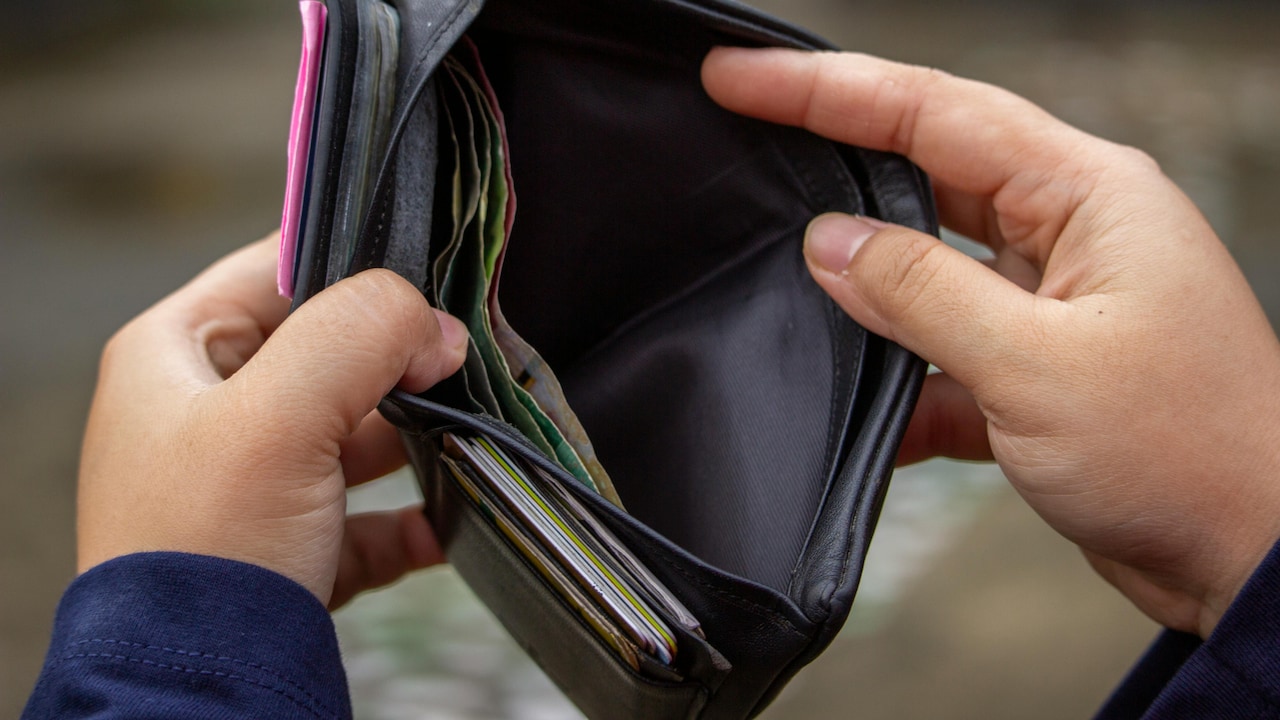
Why Do Some Wallet Zips Break Early? Hardware Quality Check; Photo Credit: Pexels
Counterfeit And Low-Grade Hardware
The market often sees products that mimic high-end designs but use inferior materials. These wallets may look appealing and cost around ₹700, but their zips tell a different story.
Counterfeit hardware often lacks durability. The metal may feel lightweight, the slider may appear flimsy, and the stitching may seem uneven. These signs indicate compromised quality.
Such wallets may function well initially but fail quickly under regular use. The disappointment often outweighs the initial savings.
Recognising these products requires attention to detail. A closer look at the zip, stitching, and overall finish reveals whether the wallet is built to last or simply designed to sell.
Importance Of Regular Maintenance
A little care goes a long way in extending the life of a wallet zip. Dust, lint, and small particles often accumulate between the teeth, causing friction.
Cleaning the zip gently with a soft brush or cloth helps maintain smooth movement. Occasional lubrication, using a wax-based product, can reduce wear and tear.
Neglect often leads to stiffness and eventual failure. Many assume a broken zip means poor quality, but sometimes it results from a lack of maintenance.
Treating a wallet as a long-term accessory rather than a disposable item changes how it performs. Small efforts in care can add months or even years to its lifespan.
Products Related To This Article
1. IRTH by House of Titan Women Zip Around Wallet
2. MANGO Women Zip Around Wallet
3. Van Heusen Men Leather Two Fold Wallet
4. Fastrack Women Textured Two Fold Wallet
5. Mochi Women Solid Two Fold Wallet
A wallet zip may appear insignificant, yet it plays a crucial role in everyday convenience. When it fails, the inconvenience feels immediate and frustrating. Understanding why some zips break early reveals a combination of factors: material quality, craftsmanship, usage habits, and environmental exposure.
Choosing a wallet wisely involves more than just style or price. It requires attention to details that often go unnoticed. A sturdy zip, neat stitching, and smooth operation signal reliability. Equally important is how the wallet is used and maintained over time.
A well-chosen wallet, handled with care, can serve faithfully for years. On the other hand, ignoring these details often leads to repeated replacements and unnecessary expense. In the end, a small component like a zip quietly defines the true value of a wallet.
(Disclaimer: This article may include references to or features of products and services made available through affiliate marketing campaigns. NDTV Convergence Limited (“NDTV”) strives to maintain editorial independence while participating in such campaigns. NDTV does not assume responsibility for the performance or claims of any featured products or services.)