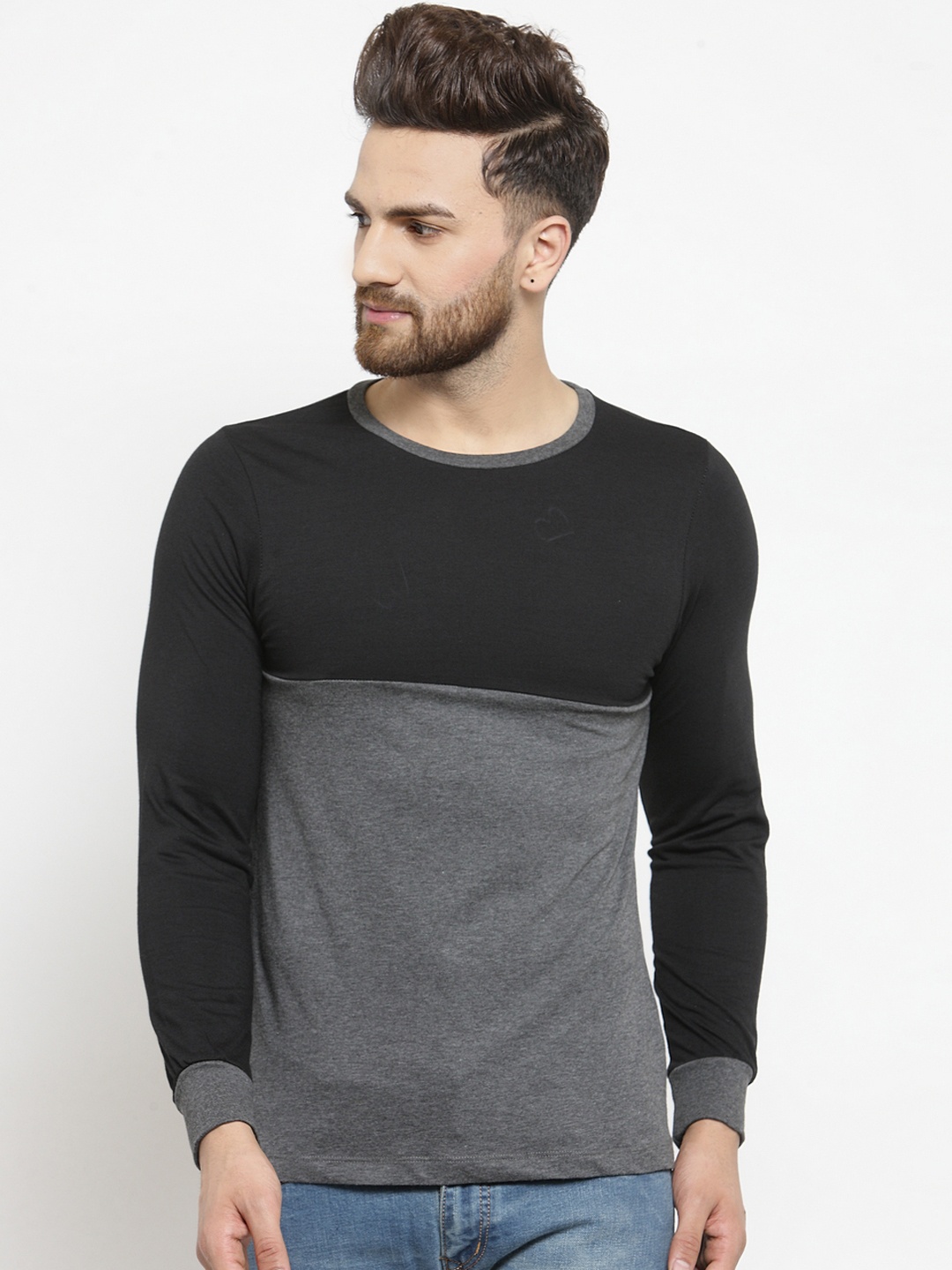
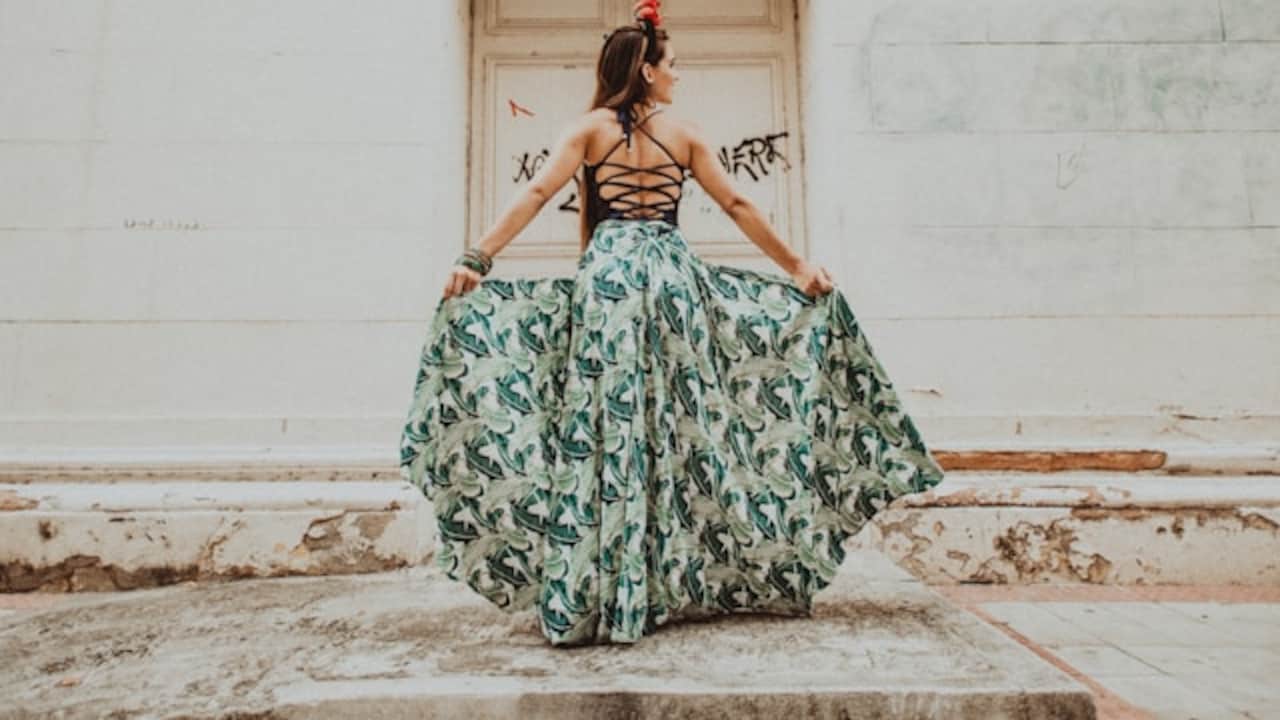
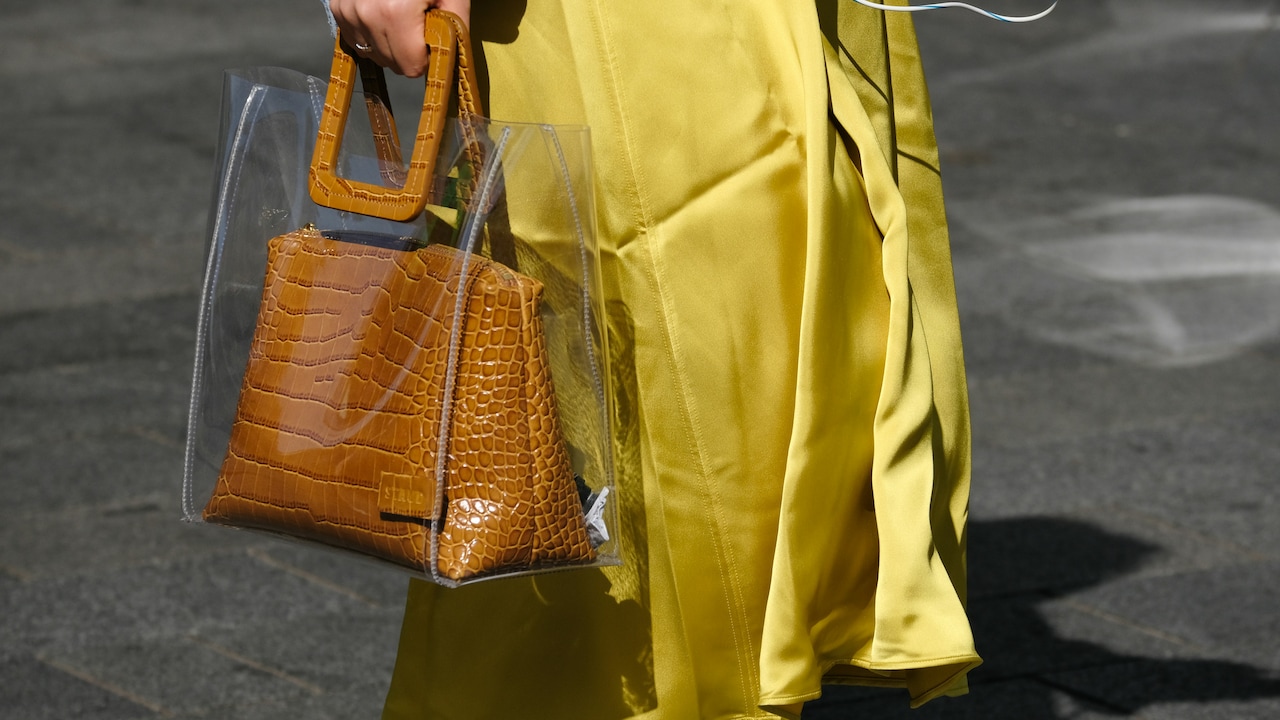
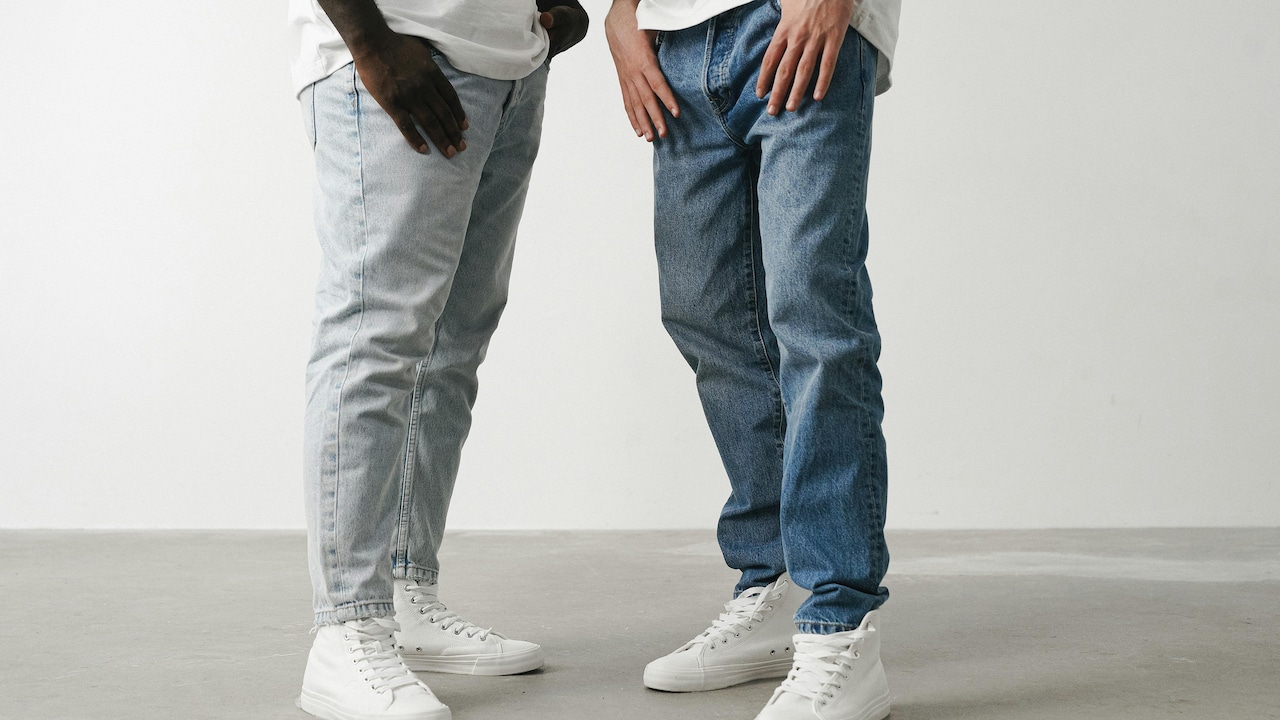
Know Why Wearing The Same Clothes Is Actually Powerful And Stylish
Outfit repetition is not a style failure; it is a sign of confidence. Rewearing clothes saves money, reduces waste, and builds a strong personal style in a world obsessed with constant newness.
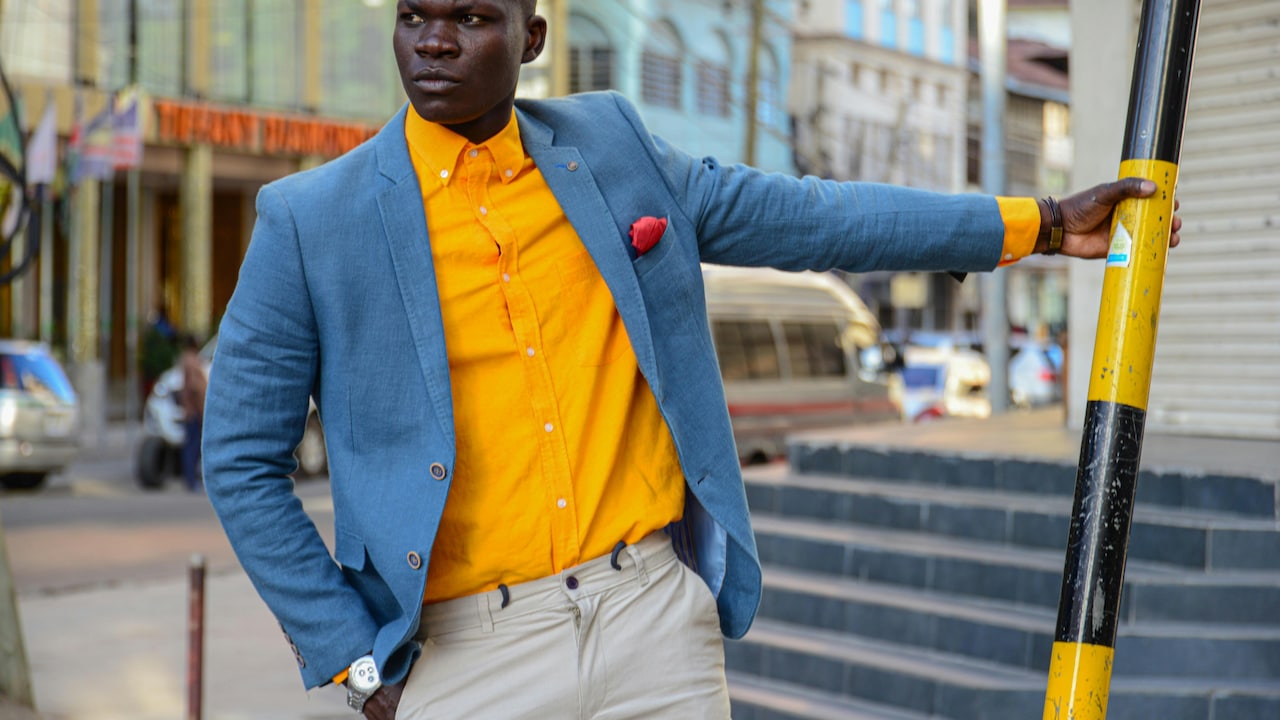
Learn how repeating fashion can save boost confidence and save money
A familiar moment plays out in wardrobes across cities. The closet is full, yet nothing feels right. The same kurta worn to a brunch last week suddenly seems “overused.” That shirt spotted in a colleague's Instagram story cannot possibly make another appearance so soon. Outfit repetition anxiety creeps in quietly, fed by social media scrolls, wedding seasons, office expectations, and an unspoken rule that style must always be new.
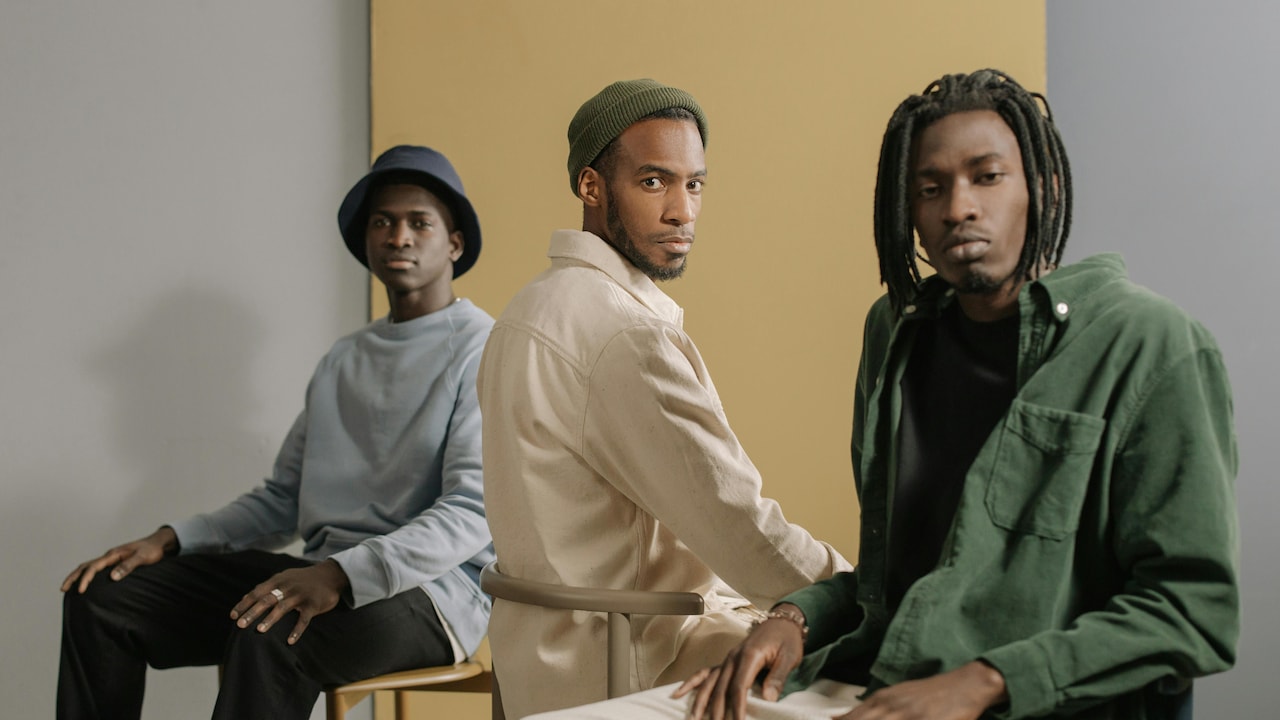
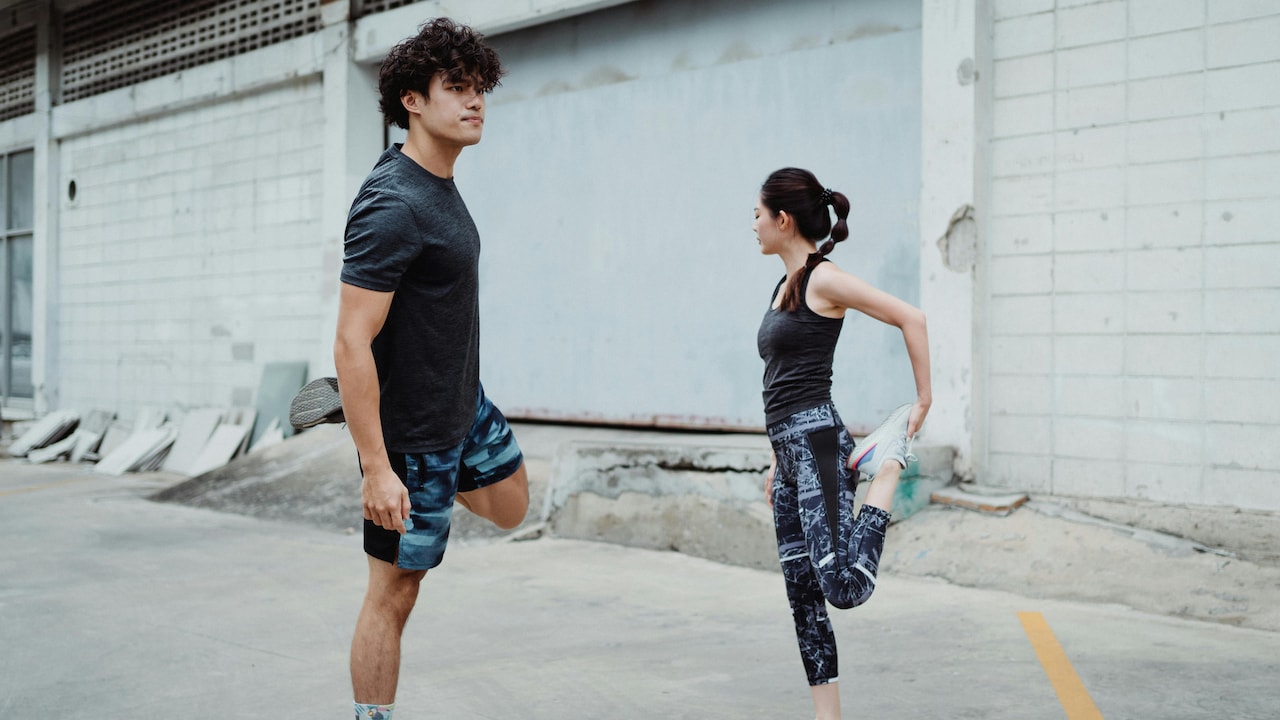
10 reasons why repeating outfits is the new cool; Photo Credit: Pexels
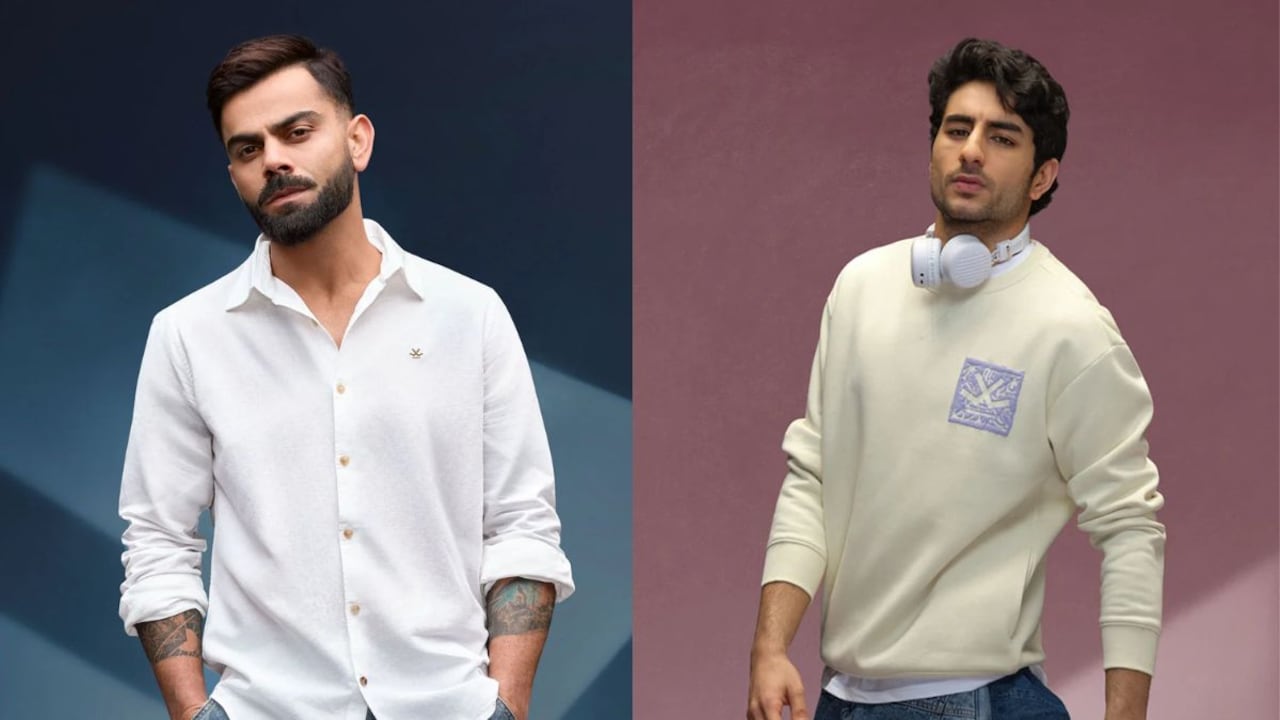
Yet, a closer look reveals something strange. The most iconic personalities rarely chase constant novelty. From entrepreneurs in identical turtlenecks to celebrities who swear by signature styles, repetition often signals clarity, not compromise.
The pressure to constantly reinvent appearances comes at a cost, financial, emotional, and environmental. But what if repeating outfits is not something to hide, but something to own? What if it reflects confidence rather than carelessness?
This conversation is not about abandoning fashion or creativity. It is about reclaiming control. It is about wearing clothes instead of letting them wear them.
Also Read: Best Neutral Outfits For Men: 10 Casualwear Essentials You Will Actually Wear
Rethinking Style: Why Repeating Outfits Deserves A Second Look
The Myth Of “New Equals Better”
Somewhere along the way, fashion became tied to the idea that new is always superior. Festive seasons, office events, weddings each occasion carries an unspoken expectation to showcase something fresh. The result is a cycle of constant consumption, where clothes lose value the moment they are worn.
Yet, the idea that novelty equals worth rarely holds up in real life. A well-fitted kurta worn multiple times often looks better than a rushed purchase worn once. Comfort, familiarity, and confidence cannot be bought overnight. They build over time.
Think of favourite outfits, the ones that always feel right. Those pieces carry memories, ease, and a sense of identity. They become extensions of personality, not just fabric.
Breaking free from the “new is better” mindset shifts focus from appearance to presence. Style stops being a performance and starts becoming a reflection. And suddenly, repetition does not feel like a limitation; it feels like ownership.
Social Media And The Illusion Of Endless Wardrobes
Scrolling through feeds creates the impression that everyone owns an infinite wardrobe. Influencers appear in fresh outfits daily, creating subtle pressure to keep up. What often goes unnoticed is the curated nature of this content. Photos are spaced out, sponsored, or styled specifically for visibility.
In everyday life, nobody tracks outfit frequency as closely as imagined. That friend at brunch is unlikely to remember what was worn last week. Most people are too occupied with their own concerns.
The illusion of constant novelty fuels unnecessary anxiety. It creates a gap between perception and reality. Bridging that gap starts with awareness, recognising that social media is a highlight reel, not a wardrobe diary.
Once that realisation sinks in, outfit repetition feels less like a flaw and more like normal life. And that normalcy is quietly liberating.
Confidence Is More Memorable Than Clothes
People rarely remember outfits in detail. What stays is energy, conversation, laughter, and presence. A person who walks into a room with ease leaves a stronger impression than someone wearing something brand new but feeling uncomfortable.
Confidence transforms repetition into signature style. That favourite cotton saree worn with different blouses becomes a statement. That well-loved shirt, paired each time creatively, tells a story.
Clothes do not create confidence; they support it. And when confidence leads, repetition stops being noticeable. Instead, it becomes part of a recognisable identity.
There is power in consistency. It signals clarity, knowing what works and embracing it fully. And in a world chasing constant change, that clarity stands out more than any new outfit ever could.
The Financial Relief Of Rewearing
Fashion expenses quietly add up. A single wedding season can stretch budgets, with outfits costing anywhere between ₹3,000 and ₹25,000, often worn only once. Multiply that across festivals, office events, and casual outings, and the numbers climb quickly.
Rewearing clothes shifts this pattern. It reduces impulsive purchases and encourages thoughtful choices. Investing in versatile pieces that can be styled differently offers more value than chasing trends.
There is also a sense of financial calm that comes with it. Money saved from unnecessary shopping can go towards experiences, travel, or even long-term goals.
Style does not need to come at the cost of financial stress. In fact, mindful repetition often leads to better style decisions, ones that last longer and feel more authentic.
Sustainability Begins In The Wardrobe
Clothing production has a significant environmental impact. Fast fashion encourages quick turnover, leading to waste and excessive resource use. While global conversations around sustainability continue, change often begins at an individual level.
Rewearing clothes extends their lifecycle. It reduces demand for constant production and minimises waste. A saree passed down, a kurta restyled, or a jacket worn across seasons contributes more than it seems.
Sustainability does not require drastic changes. It starts with small, consistent choices. Choosing to repeat outfits is one such choice, simple, effective, and impactful.
Over time, this shift creates a more mindful relationship with clothing. It transforms wardrobes from cluttered collections into curated spaces filled with pieces that truly matter.
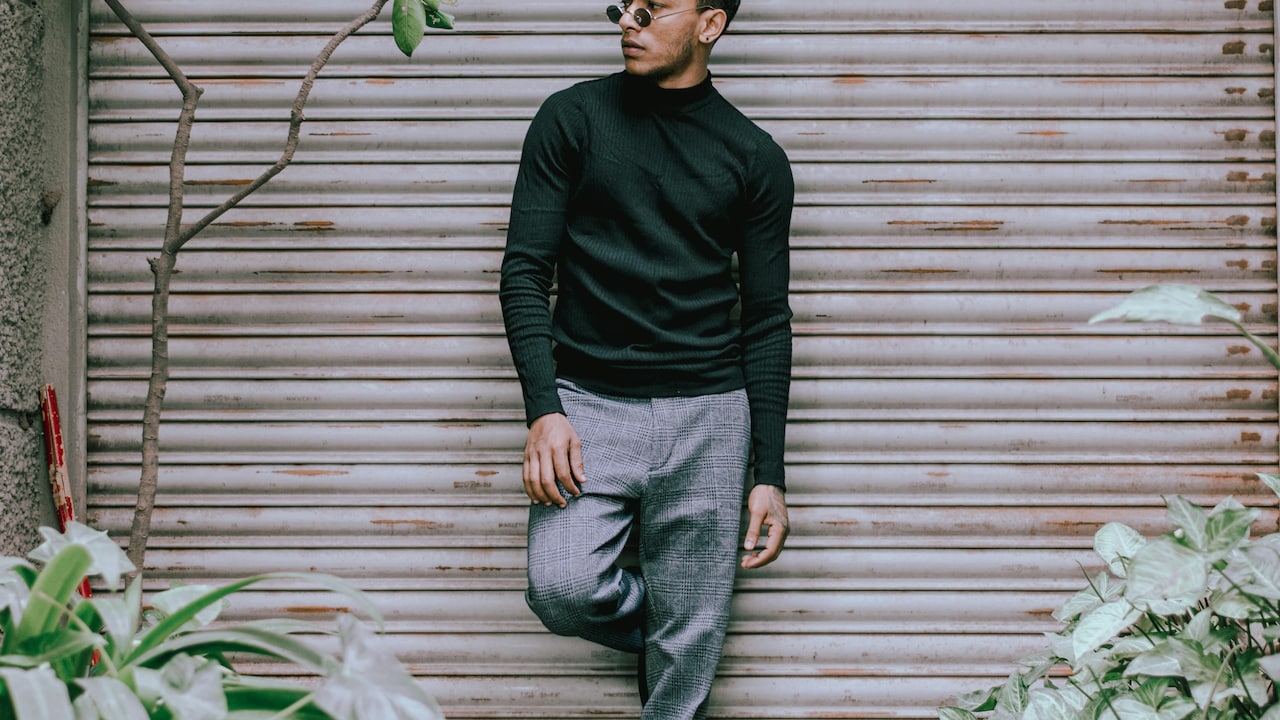
Rewearing clothes reduces demand for constant production and minimises waste; Photo Credit: Pexels
Creativity Thrives Within Limits
Restrictions often spark creativity. When options feel limited, styling becomes more inventive. The same outfit can look entirely different with a change in accessories, layering, or footwear.
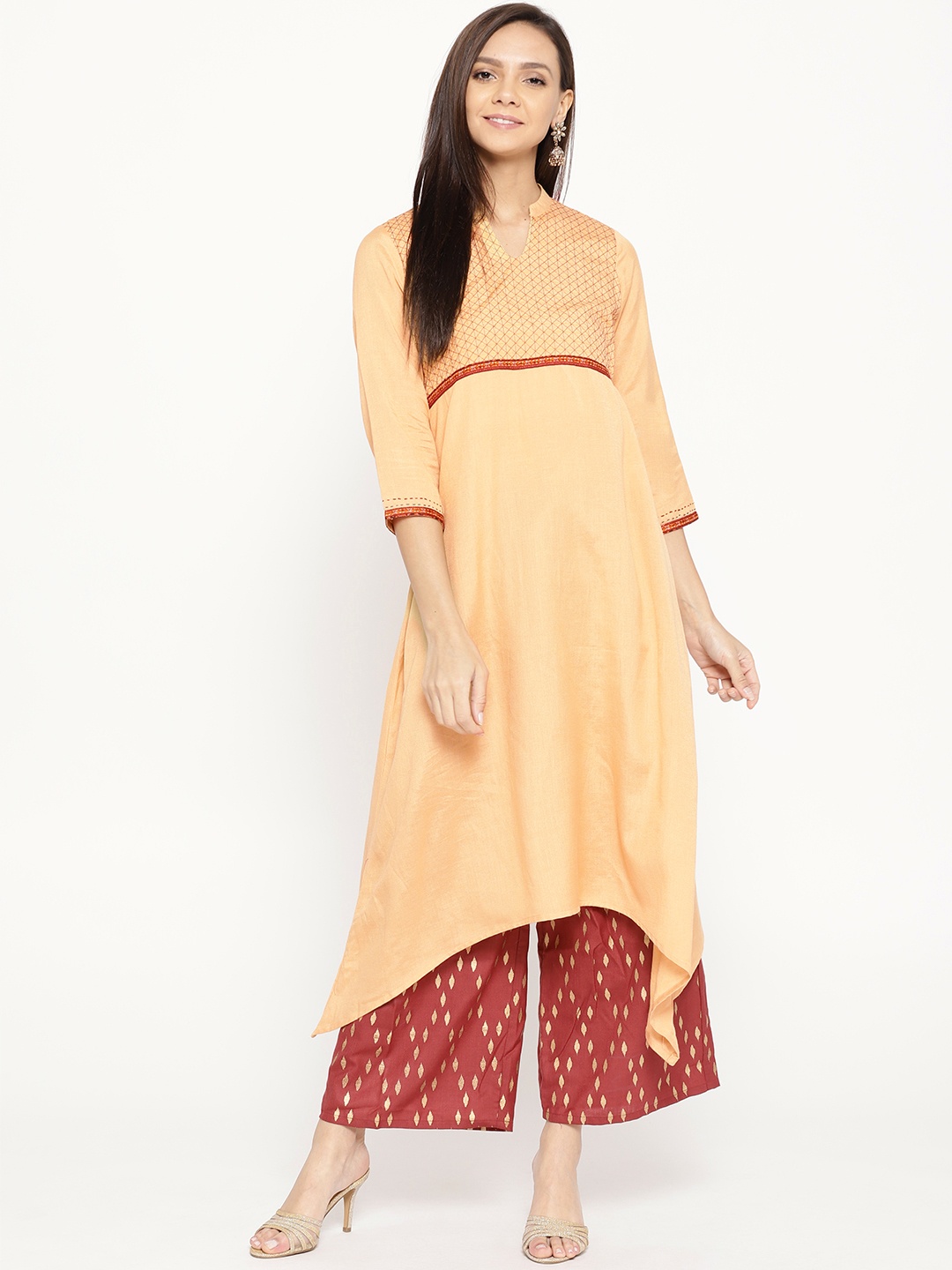
A kurta paired with jeans one day and palazzos the next creates variety without adding new pieces. Dupattas can transform looks dramatically. Jewellery, belts, and even hairstyles play a role.
This approach turns dressing into a creative exercise rather than a repetitive task. It encourages experimentation within existing wardrobes, leading to unique combinations.
Instead of relying on new purchases for freshness, creativity becomes the driving force. And that creativity often leads to a more distinctive personal style.
Signature Style Builds Identity
Some of the most recognisable figures are known for repeating elements of their style. A particular silhouette, colour palette, or fabric becomes their signature. This consistency builds identity.
Developing a signature style simplifies decisions. It removes the pressure to constantly reinvent and replaces it with refinement. Each repetition strengthens recognition.
In daily life, this might look like favouring certain cuts, colours, or combinations. Over time, these choices create a cohesive wardrobe that reflects personality.
Signature style is not about limitation. It is about clarity. And within that clarity lies confidence, ease, and a strong sense of self.
The Emotional Comfort Of Familiar Clothes
Clothes often carry emotional weight. A favourite outfit can feel like a safety net on a challenging day. Familiar fabrics, fits, and colours offer comfort that new clothes sometimes cannot.
Repetition strengthens this connection. It builds familiarity, turning clothes into reliable companions rather than occasional appearances.
There is also a subtle joy in wearing something loved. It brings ease, reduces decision fatigue, and allows focus to shift to more meaningful aspects of the day.
In a fast-paced world, such small comforts matter. They ground routines and add a sense of stability, something that constant novelty rarely provides.
Breaking The Fear Of Judgement
Much of the outfit repetition anxiety stems from perceived judgment. The fear that others will notice, comment, or form opinions. In reality, such scrutiny is far less common than imagined.
People are generally preoccupied with their own lives. Even when repetition is noticed, it rarely carries negative weight. In many cases, it goes unnoticed altogether.
Breaking this fear requires a shift in perspective. Instead of dressing for approval, dressing becomes an act of self-expression. The focus moves inward rather than outward.
This shift is empowering. It removes unnecessary pressure and replaces it with freedom. And with that freedom comes the ability to make choices based on comfort, practicality, and personal preference.
Repetition As A Quiet Form Of Confidence
Choosing to repeat outfits in a culture that values constant novelty is a subtle act of confidence. It signals comfort with one's choices and a refusal to be driven by external expectations.
There is strength in not needing validation through newness. It reflects a deeper understanding of style, one that values consistency, quality, and authenticity over fleeting trends.
This quiet confidence often goes unnoticed at first. But over time, it becomes evident. It shows in ease, in presence, and in the absence of unnecessary stress.
Repetition, in this sense, is not just about clothes. It is about mindset. It is about choosing substance over surface, and comfort over conformity.
Products Related To This Article
1. BELLO DONA CLOTHING Striped Regular Fit Cotton Shirt
2. CLOTHING VEDA Mandarin Collar Roll-Up Sleeves Kurta
3. Fabway Clothing Embellished Georgette Maxi Dress
4. Silver Moon Clothing Men Printed T-shirt
5. Anastay Clothing Women Ethnic Motifs Printed Pure Cotton A-Line Kurta with Front Slit
6. CARBONN CLOTH Men Loose Fit Mid-Rise Trousers
7. Cloth Bites Women Leheriya Printed Pure Cotton Kurti
Outfit repetition anxiety thrives on perception: what others might think, what social media suggests, what fashion trends dictate. But beneath all that noise lies a simpler truth. Clothes are meant to be worn, enjoyed, and lived in, not archived after a single use.
Repeating outfits is not a failure of style. It is an expression of clarity, creativity, and confidence. It saves money, supports sustainability, and reduces unnecessary stress. More importantly, it shifts focus from appearance to authenticity.
Style does not come from constant change. It comes from understanding what works and embracing it fully. And sometimes, the most powerful statement is not a new outfit, but the confidence to wear the same one again.
(Disclaimer: This article may include references to or features of products and services made available through affiliate marketing campaigns. NDTV Convergence Limited (“NDTV”) strives to maintain editorial independence while participating in such campaigns. NDTV does not assume responsibility for the performance or claims of any featured products or services.)