How Sandal Strap Placement Affects Toe Pain and Foot Comfort
Incorrect sandal strap placement can cause toe pain, fatigue and poor balance. This article explains how strap positioning affects foot comfort and what to look for when choosing sandals for everyday wear.
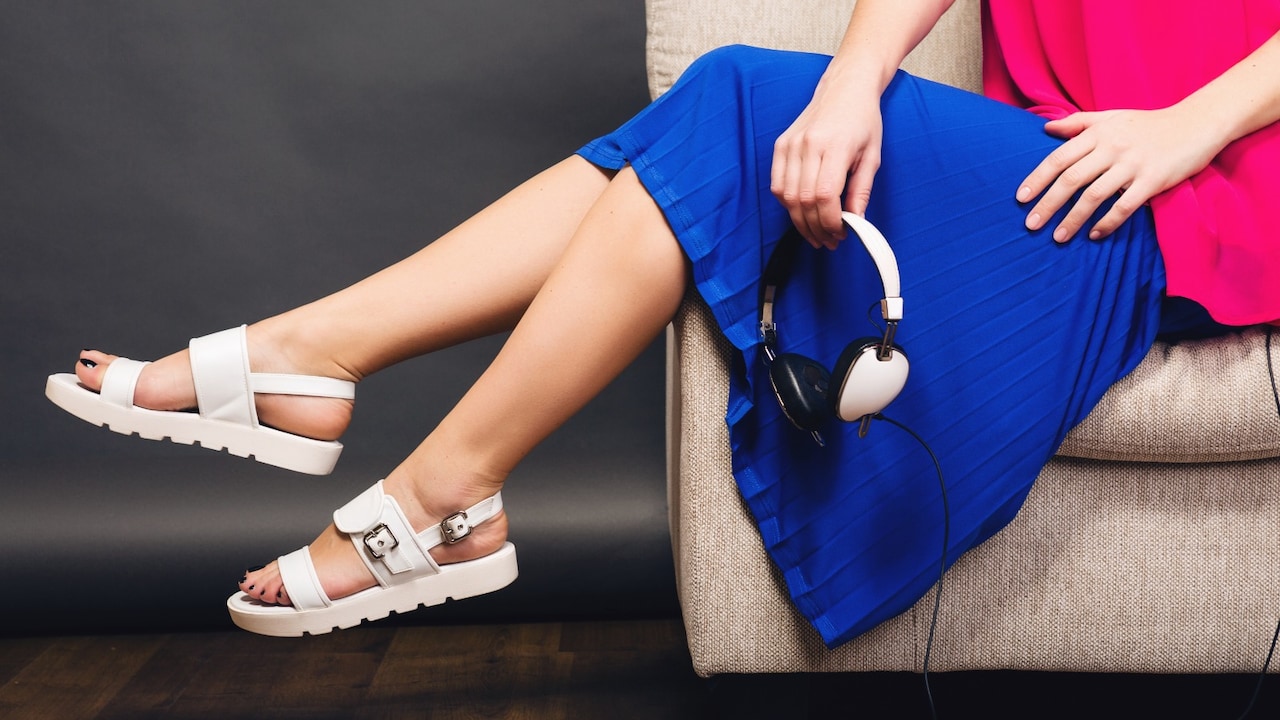
Exploring How Sandal Strap Placement Leads to Toe Pain and Reduces Foot Comfort.
Feet work hard every single day. They stand through traffic jams, walk across uneven pavements, and squeeze into buses and trains. Despite this effort, footwear often gets picked for looks or price alone, sometimes for as little as ₹499 during a sale. Comfort becomes an afterthought.
Sandals, in particular, seem harmless. They look open, breathable, and easy. However, the wrong strap in the wrong place can quietly cause toe pain, numbness, and even long-term foot issues. Many people only notice the problem once discomfort becomes routine.
Strap placement influences how weight spreads across the foot, how toes move, and how muscles behave while walking. A small design detail can create constant friction or pressure. This article explores exactly how that happens and what to look for when buying or wearing sandals. The aim stays simple: fewer aches, better balance, and feet that feel good from morning chai to late-night strolls.

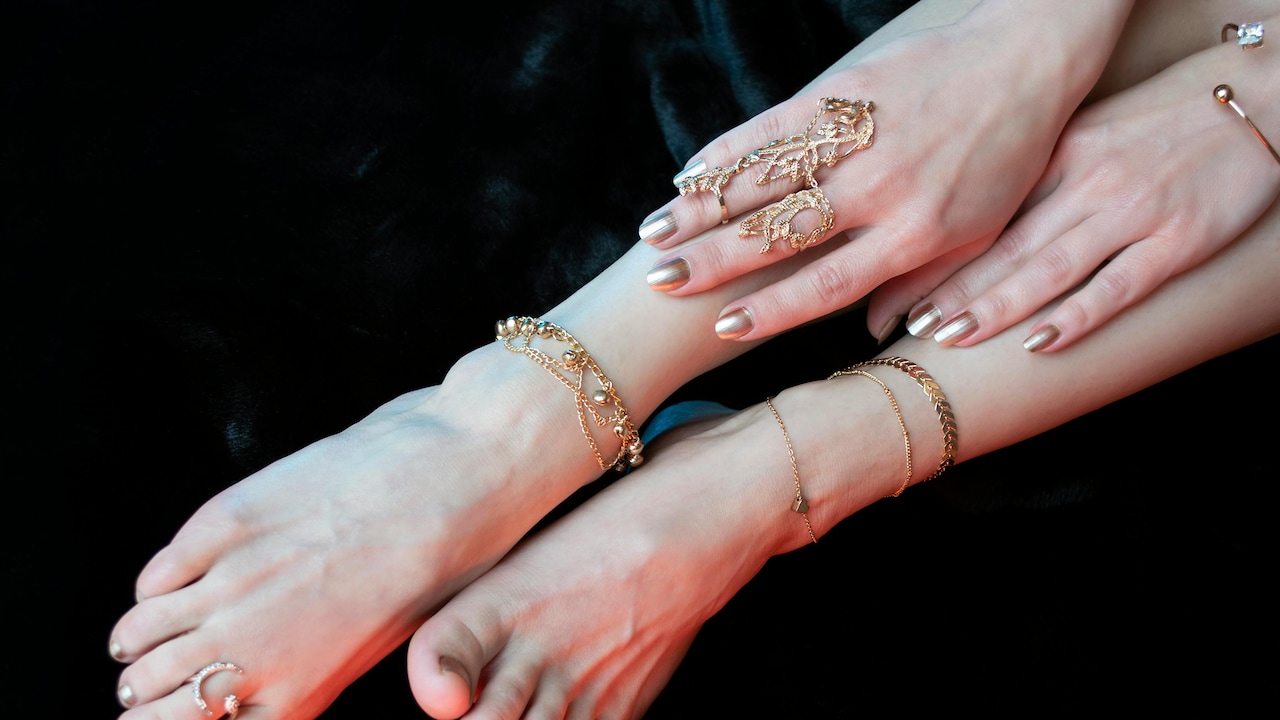
How Sandal Strap Placement Affects Toe Pain and Foot Comfort; Photo Credit: Pexels
Toe Pain from Sandals? How Strap Placement Impacts Foot Comfort
1. The Role of Strap Placement in Foot Mechanics
Every step involves a complex dance of bones, muscles, and tendons. Sandal straps act like traffic controllers for this movement. When placed well, they guide the foot smoothly. When placed poorly, they disrupt natural motion.
A strap that sits too close to the toes often restricts toe spread. Toes need space to grip the ground for balance. When they cannot move freely, smaller muscles overwork, leading to soreness by evening. This becomes noticeable during long walks, especially on uneven roads.
Straps positioned too far back cause a different issue. The foot slides forward with each step, forcing toes to curl for grip. Over time, this constant gripping results in fatigue and sharp pain near the ball of the foot.
Good strap placement supports the midfoot without squeezing the forefoot. It keeps the foot stable while allowing toes to relax and move naturally. This balance reduces strain and improves walking comfort, even during long, busy days.
2. Toe Straps and Pressure Points
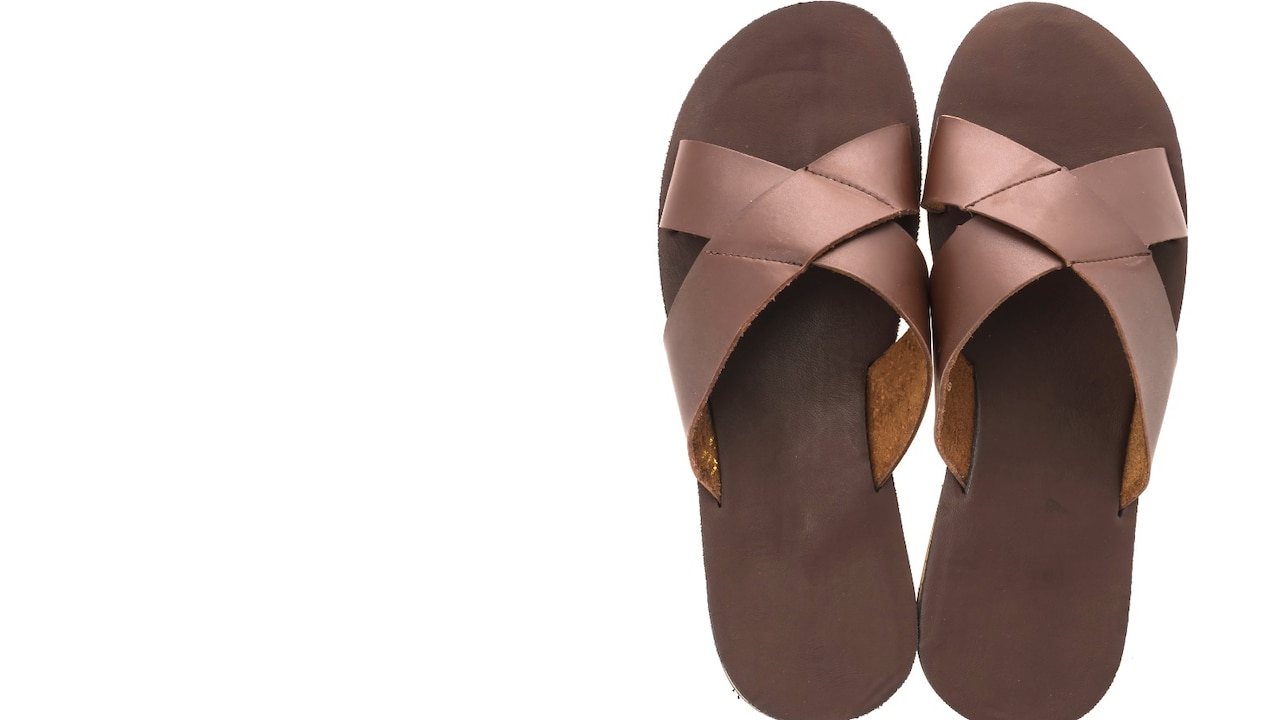
Toe straps, especially the thin ones, often look elegant. They also happen to be the biggest culprits behind toe pain. A strap running across the base of the toes can press directly on sensitive joints and nerves.
This pressure increases during walking, when body weight shifts forward. The toes bend, the strap digs in, and discomfort builds gradually. By the time shoes come off at home, redness and tenderness make their presence known.
Wider toe straps distribute pressure better. Soft materials help, too, but placement matters more than padding. A strap placed slightly higher on the foot, away from the toe joints, reduces irritation.
Many experience tingling or numbness after wearing tight toe straps all day. That sensation signals compressed nerves. Ignoring it invites long-term sensitivity. Choosing sandals with thoughtfully placed toe straps can prevent these silent warnings from turning into daily pain.
Also Read: 7 Comfortable Sandals For Women Who Stand For Long Hours
3. The Impact of Midfoot Straps on Stability
Midfoot straps sit across the arch area and play a crucial role in stability. When positioned correctly, they anchor the foot without locking it down. This helps maintain balance during walking, especially on slippery or uneven surfaces.
A midfoot strap placed too high can press into the top of the foot. This area contains tendons and blood vessels that dislike constant pressure. Swelling makes the strap feel tighter as the day progresses, creating a cycle of discomfort.
On the other hand, a strap placed too low offers little support. The foot shifts inside the sandal, causing toes to claw for balance. That repeated action strains the toe joints and muscles.
An ideal midfoot strap hugs the foot gently, keeping it centred. It should allow natural arch movement while preventing excessive sliding. This small design choice can mean the difference between confident steps and aching toes.
4. Ankle Straps and Toe Relief
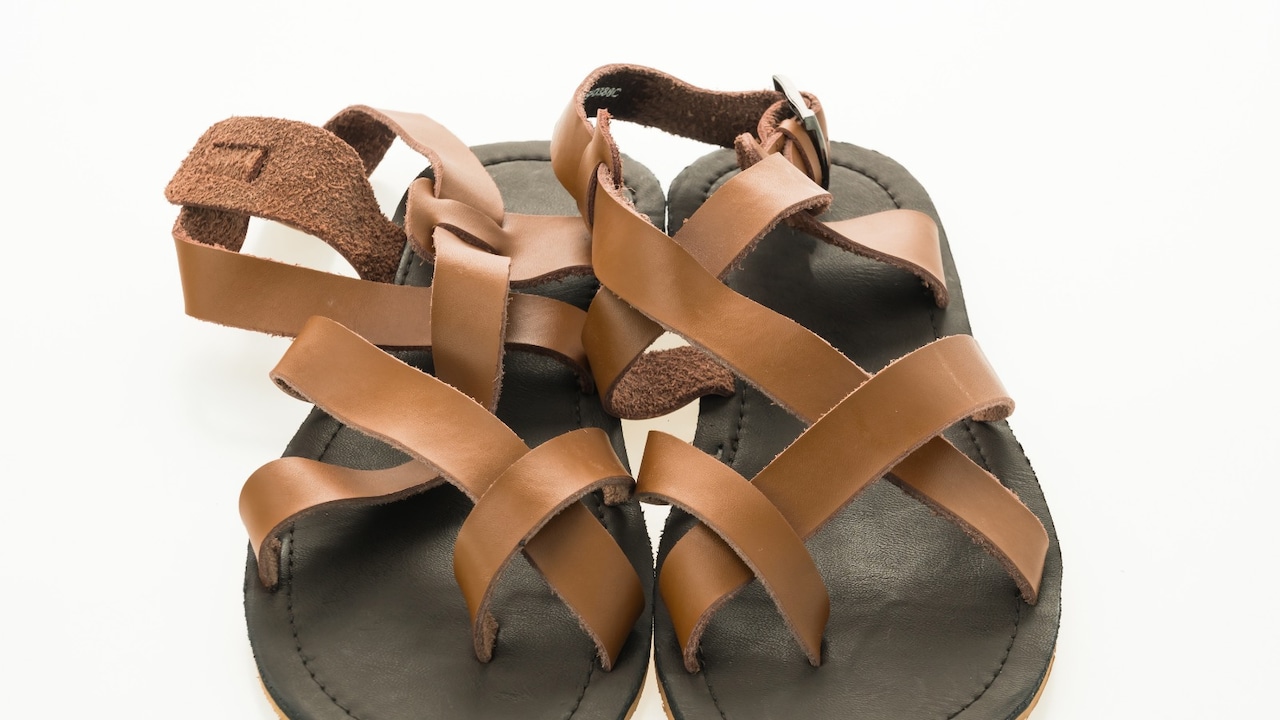
Ankle straps often get praised for style, but their comfort benefits deserve attention. A well-placed ankle strap reduces pressure on the front of the foot by holding the sandal securely from above.
Without ankle support, the foot tends to slide forward. Toes then work overtime to keep the sandal in place. This leads to soreness, especially after long hours of standing or walking.
An ankle strap positioned slightly above the ankle bone offers support without restricting movement. It keeps the heel aligned and reduces strain on the toes.
However, ankle straps that sit too low or too tight can rub against bones and cause blisters. Adjustability matters. A simple buckle or elastic section allows for swelling during hot days. When done right, ankle straps quietly protect toes by sharing the workload.
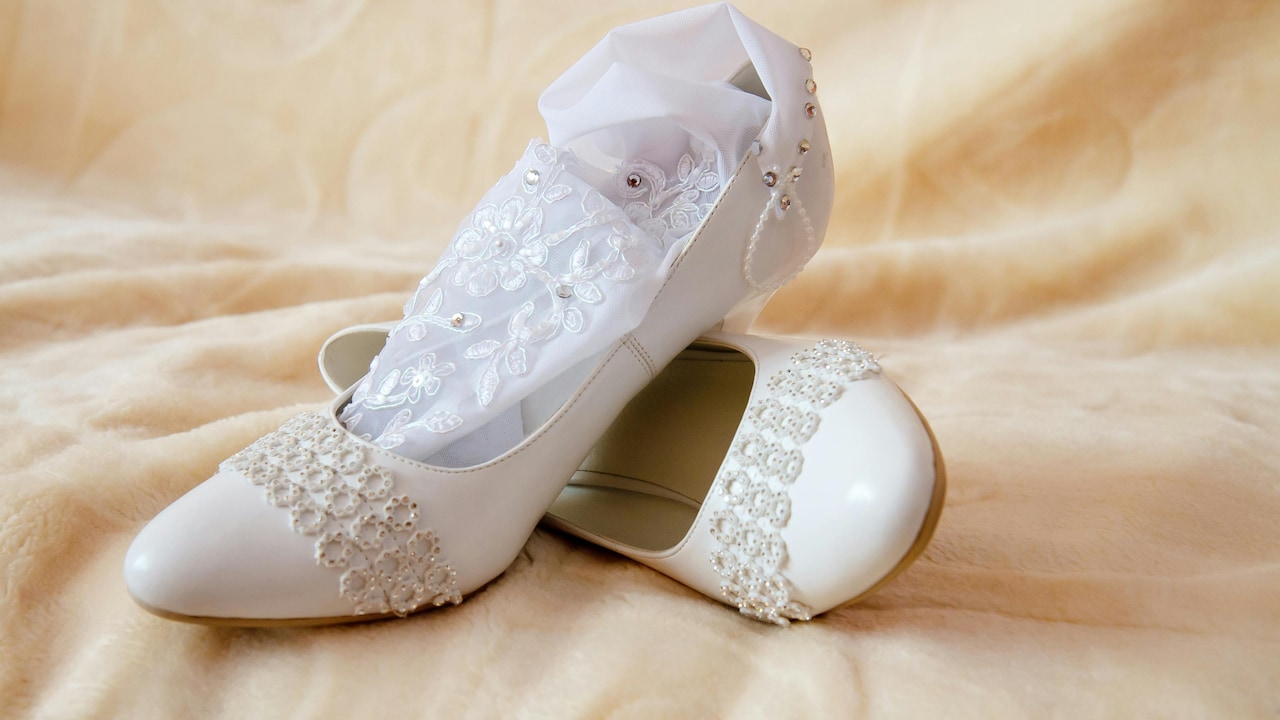
How Sandal Strap Placement Affects Toe Pain and Foot Comfort; Photo Credit: Pexels
5. Strap Width, Material, and Comfort
Placement works hand in hand with strap width and material. Thin straps concentrate pressure on a narrow area, increasing the risk of pain. Wider straps spread force evenly, reducing stress on toes and soft tissues.
Material choice also matters. Stiff synthetic straps resist movement and create friction. Soft leather or fabric adapts to foot shape, offering a gentler feel.
During festive seasons or weddings, many wear sandals for extended hours. A narrow, stiff strap may look good initially, but it becomes unforgiving by evening. The foot swells slightly, and the strap starts to bite.
Choosing sandals with wider, flexible straps placed away from sensitive toe joints improves comfort significantly. Feet feel supported rather than squeezed. This combination reduces hotspots and keeps walking pleasant, even during long celebrations.
6. How Poor Strap Placement Leads to Long-Term Issues
Occasional discomfort feels manageable. Daily pain signals a deeper problem. Poor strap placement can contribute to issues like bunions, hammertoes, and nerve irritation over time.
When toes constantly grip or get compressed, joints adapt to that position. Gradually, toes lose their natural alignment. What starts as mild soreness can turn into persistent pain.
Many dismiss foot pain as part of routine life. Yet, footwear choices play a huge role. Spending ₹1,200 on a better-designed sandal often costs less than repeated visits to a clinic.
Awareness prevents damage. Recognising how strap placement affects toe movement helps in making smarter choices. Comfortable sandals protect foot health in the long run, allowing movement without fear of pain.
7. Everyday Scenarios That Reveal Strap Problems
Real-life situations expose poor strap design quickly. Standing in a long queue at a bank, navigating a crowded bazaar, or attending a wedding reception all test footwear comfort.
In such moments, poorly placed straps reveal themselves through burning sensations near the toes or a constant need to adjust the sandal. The foot feels tired faster, and focus shifts from the task at hand to aching feet.
Well-placed straps go unnoticed. That is their success. They allow natural movement, support posture, and reduce fatigue.
Paying attention to how feet feel during daily routines provides useful feedback. If toes ache after simple activities, strap placement likely needs reconsideration.
How Sandal Strap Placement Affects Toe Pain and Foot Comfort; Photo Credit: Pexels
8. Choosing the Right Sandal for Daily Wear
Selecting a comfortable sandal requires more than checking size. Observing strap placement offers valuable clues. Straps should secure the foot without pressing on toe joints or cutting across sensitive areas.
Trying sandals later in the day helps, as feet tend to swell slightly. A comfortable fit during this time ensures all-day wearability. Walking around the shop reveals whether toes grip unnecessarily or feel relaxed.
Adjustable straps offer flexibility for different foot shapes. A design that suits one person may not suit another. Comfort remains personal.
Prioritising foot feel over trends makes daily life easier. A sandal that supports natural movement keeps toes pain-free and walking enjoyable.
9. Cultural Habits and Footwear Choices
Footwear habits often form early. Many grow up wearing flat sandals or slippers for most activities. While convenient, not all designs support healthy foot movement.
Traditional outings, temple visits, and social gatherings often involve walking barefoot or wearing minimal footwear. This makes comfort essential when sandals come back on.
Modern designs blend style with support, but only when chosen wisely. Strap placement becomes crucial during long days filled with errands and social commitments.
Understanding foot needs helps balance tradition and comfort. Sandals can remain simple yet supportive with the right design choices.
10. Listening to Feet and Making Better Choices
Feet communicate constantly. A dull ache, sharp twinge, or tingling sensation carries a message. Ignoring it leads to bigger problems.
Strap placement influences how the foot behaves throughout the day. When straps respect natural movement, toes stay relaxed. When they restrict or force movement, pain follows.
Paying attention while buying footwear saves discomfort later. A few extra minutes spent checking fit, strap position, and comfort make a noticeable difference.
Happy feet support an active, comfortable life. They deserve thoughtful care, starting with the sandals worn every day.
Products Related To This Article
1. TRYME Women Heels Sandal
2. SELFIEE Women Heels Sandal
3. JUMPLITE Women Flats Sandal
4. CBA Women Heels Sandal
5. Shozie Women Flats Sandal
6. Deals4you Women Heels Sandal
7. Hardwood Women Heels Sandal
Toe pain rarely appears without reason. Often, the cause hides in plain sight, woven into the design of everyday sandals. Strap placement affects balance, movement, and comfort more than many realise. A poorly placed strap turns simple walking into a tiring task, while a thoughtful design supports natural motion and eases strain.
Choosing sandals with well-positioned straps protects foot health and improves daily comfort. Small design details create lasting impact. When feet feel supported, the entire body benefits. Comfort stops being a luxury and becomes a quiet, reliable companion through every step of the day.
(Disclaimer: This article may include references to or features of products and services made available through affiliate marketing campaigns. NDTV Convergence Limited (“NDTV”) strives to maintain editorial independence while participating in such campaigns. NDTV does not assume responsibility for the performance or claims of any featured products or services.)