How To Choose Comfortable Kids Clothes That Prevent Rashes And Chafing
Chafing and skin irritation in children often begin with clothing choices. This guide explains what to check, fabric, seams, fit, and care, so kids stay comfortable all day.
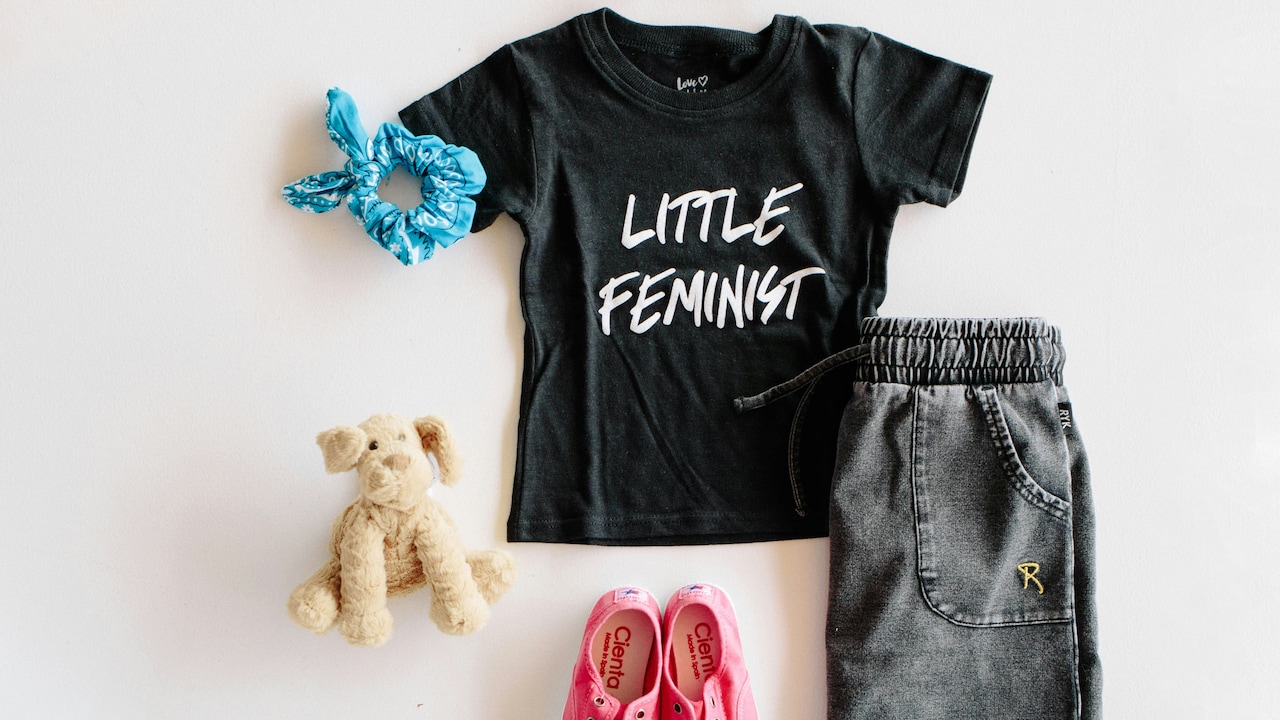
All The Things You Need To Check In Kids' Clothing To Stop Chafing And Skin Irritation.
Children move through the world at full speed. They run, climb, sprawl on the floor, and refuse to sit still for long. Their clothes must keep up. When outfits fail, skin pays the price. Red marks around the neck, angry rashes near the waist, or complaints about itching after school often trace back to clothing choices.
Warm weather, long school hours, packed tiffin boxes, and busy playgrounds add extra stress on young skin. Parents often focus on style, price, or school rules. Comfort slips down the list. Yet comfort shapes mood, confidence, and focus.
Chafing does not always announce itself loudly. It starts quietly, then grows into a full-blown irritation that spoils evenings and disrupts sleep. Thankfully, small checks prevent most problems. Fabric, fit, stitching, and finishing details matter more than brand names or trends.
The sections below break down what truly deserves attention while shopping or sorting wardrobes. These pointers suit everyday wear, festive outfits, school uniforms, and weekend clothes alike.
What To Check In Kids' Clothing To Stop Chafing And Skin Irritation
Photo Credit: Pexels
Because Comfortable Kids Worry Less And Play More
1. Fabric That Lets Skin Breathe
Fabric choice sets the foundation for comfort. Children sweat more than adults during play. Synthetic fabrics trap heat and moisture, which leads to friction and irritation. Natural fibres such as cotton, bamboo blends, and soft linen allow air to flow. They absorb sweat without sticking to skin.
Pure cotton works well for daily wear, especially during warmer months. It feels soft, washes easily, and rarely causes reactions. Blended fabrics often promise durability but may sacrifice comfort. Labels reveal the truth, so a quick check helps.
Rough textures deserve avoidance. Even stylish fabrics can feel harsh after a few hours. A simple touch test inside the store gives clues. If the fabric feels scratchy on adult skin, it will trouble a child even more.
Seasonal choices matter too. Lightweight cotton suits summer, while brushed cotton or soft wool blends work better during cooler months. The right fabric keeps skin dry, which cuts down chafing before it begins.
2. Seams That Stay Gentle
Seams often cause the most irritation. Thick, raised, or uneven stitching rubs against the skin with every movement. Over time, that friction leads to redness and soreness, especially around shoulders, thighs, and underarms.
Flat seams offer a safer option. Many well-designed children's clothes feature flatlock stitching that lies smoothly against the skin. Turning a garment inside out reveals seam quality quickly. Bulky joins and loose threads signal trouble ahead.
School uniforms deserve extra scrutiny. Children wear them for long hours. Poor seam placement along the waist or collar can cause daily discomfort. Soft seam tape or covered stitching adds protection.
Clothing for toddlers and infants needs extra care. Their skin reacts faster. Seamless designs or minimal stitching help greatly. Parents often notice fewer rashes once seam quality improves.
Seams may seem minor, but they play a major role in how clothes feel during a long, active day.
3. The Right Fit Makes All the Difference
Fit affects comfort more than fashion. Tight clothing increases friction. Loose clothing can bunch up and rub unpredictably. Balance matters.
Waistbands deserve close attention. Elastic that digs into the skin leaves marks and causes itching. A soft, flexible waistband with room to stretch works best. Adjustable drawstrings help achieve a better fit without pressure.
Sleeves and pant legs should allow movement. Clothes that ride up during play create friction at joints. Checking length while a child bends or stretches offers insight.
Buying clothes “to grow into” often backfires. Oversized garments twist and fold, which leads to rubbing. A slightly relaxed fit works better than extreme sizing.
Comfortable fit supports confidence, too. Children focus better at school and play freely when clothes feel right. A well-fitted outfit often goes unnoticed, which signals success.
4. Labels That Do Not Prick or Scratch
Labels cause surprising discomfort. Stiff tags rub against the neck or waist throughout the day. Many children complain about itching without realising the label causes it.
Tagless designs solve this problem neatly. Printed labels inside garments eliminate friction. When tags exist, soft fabric labels feel kinder than plastic or thick paper ones.
Cutting off tags helps, but rough edges sometimes remain. Trimming carefully and checking the seam avoids new irritation. Some parents sew a small patch of soft cloth over stubborn label areas.
Uniform shirts and innerwear need special care here. Children wear them daily for hours. A small scratch can turn into a persistent rash.
Labels carry useful information, but comfort should come first. Choosing tag-free or soft-label clothing saves trouble later.
Also Read: Why Do Cartoon Prints Fade? What Parents Need To Know Before Buying Kids' Clothes
5. Dyes and Prints That Respect Skin
Bright colours and bold prints attract attention, but dyes can irritate sensitive skin. Poor-quality dyes may bleed during sweat, which increases contact with skin.
Clothes labelled as skin-safe or azo-free reduce risk. Washing new clothes before first wear removes excess dye and chemical residue. This simple habit lowers irritation greatly.
Printed areas feel stiffer than plain fabric. Large rubberised prints trap heat and rub during movement. Minimal prints or fabric-based designs work better for daily wear.
Festive outfits often feature heavy embellishments and metallic prints. Limiting wear time and pairing with soft inner layers helps protect skin.
Colour should bring joy, not discomfort. A little caution ensures that style never compromises well-being.
6. Innerwear That Supports Comfort All Day
Innerwear sits closest to skin, so quality matters immensely. Poorly designed vests or underwear cause most chafing issues.
Soft cotton innerwear absorbs sweat and reduces friction. Seamless underwear works especially well for active children. Elastic bands should stretch gently without pinching.
Changing innerwear daily prevents moisture build-up. During hotter months or sports days, an extra set helps. Damp fabric against skin invites irritation quickly.
Sizing needs accuracy. Tight innerwear restricts movement and causes marks. Loose innerwear bunches up. Both scenarios lead to rubbing.
Parents often overlook innerwear while focusing on outer clothes. Prioritising comfort here prevents many skin complaints before they start.

What To Check In Kids' Clothing To Stop Chafing And Skin Irritation
Photo Credit: Pexels
7. Buttons, Zips, and Hardware Placement
Small hardware details often create big problems. Metal buttons press against skin during sitting or bending. Zips may scrape the chin or tummy.
Protective fabric flaps behind zips add a barrier. Soft button covers or well-placed buttons reduce direct contact with skin. Plastic buttons often feel lighter and smoother than metal ones.
Dresses and tops with back zips need checking. Children lean back against chairs all day. An exposed zip may rub continuously.
Overalls and jeans deserve attention too. Rivets near pockets sometimes press into skin during play.
Designs that prioritise safety and comfort always handle hardware thoughtfully. A quick check prevents hours of discomfort later.
8. Weather-Appropriate Choices
Clothing must match the weather, not just the occasion. Heavy fabrics in humid conditions trap sweat. Light fabrics during cooler days may cause dryness and irritation.
Layering helps during changing weather. A soft cotton vest under a uniform manages sweat better than a single thick layer. Removing layers as the day warms keeps skin dry.
Rainy days call for quick-drying fabrics. Wet clothes rubbing against skin cause instant chafing. Keeping spare clothes handy helps.
Seasonal sales tempt bulk buying, but storing unsuitable fabrics for months sometimes leads to discomfort when the seasons change.
Dressing for the day's weather keeps children comfortable from morning assembly to evening playtime.
9. Easy Movement for Active Days
Children rarely sit still. Clothes must support constant motion. Restrictive cuts increase friction at joints and seams.
Stretch panels, relaxed cuts, and breathable fabrics allow free movement. Sportswear-inspired designs often suit everyday wear due to flexibility.
Knee and elbow areas deserve special attention. Reinforced yet soft fabric here prevents rubbing during crawling, climbing, or falling.
Testing movement at home helps. Asking a child to squat, stretch, or run around briefly shows how clothes behave during action.
Comfort during movement reduces complaints and keeps spirits high. Clothes should support play, not interrupt it.
10. Washing and Care Habits Matter Too
Even perfect clothes can irritate skin without proper care. Strong detergents leave residue that triggers itching. Mild, fragrance-free detergents suit young skin better.
Rinsing thoroughly removes soap traces. Fabric softeners smell pleasant but often cause reactions. Limiting their use helps.
Sun-drying clothes keeps them fresh and soft. Damp storage creates stiffness and odour. Ironing also smooths fabric fibres, which reduces friction.
Separating heavily dyed clothes during washes prevents colour transfer. Gentle cycles preserve fabric softness over time.
Care habits extend the comfort of clothes long after purchase. Clean, well-maintained garments feel kinder against skin.
Products Related To This Article
1. Bella Moda Floral Print Fit & Flare Dress
2. Nap Chief Kids Unisex Marvel Spider Man Reversible Sequin Pure Cotton T-shirt
3. STYLE CONNECT Floral Print Flutter Sleeve Fit & Flare Dress
4. Marks & Spencer Kids Cotton Hooded Pullover Sweatshirt
5. Ariel Infants Cotton Fleece T-Shirt with Pyjamas
6. Max Girls Colourblocked Cotton Top
7. DHAIRYA INTERNATIONAL Unisex Kids Striped
Children express discomfort in simple ways. A tug at the collar, a refusal to wear a favourite outfit, or unexplained crankiness often signals irritation. Clothing plays a quiet yet powerful role in daily comfort.
Paying attention to fabric, seams, fit, and finishing details transforms how clothes feel on young skin. Small checks prevent rashes, tears and restless nights. Comfort supports confidence, focus, and joyful play.
Wardrobes need not overflow with expensive outfits. Thoughtful choices matter more. Clothes that respect skin allow children to move freely through their day, from classrooms to playgrounds, without distraction. When comfort comes first, everything else falls into place.
(Disclaimer: This article may include references to or features of products and services made available through affiliate marketing campaigns. NDTV Convergence Limited (“NDTV”) strives to maintain editorial independence while participating in such campaigns. NDTV does not assume responsibility for the performance or claims of any featured products or services.)