Why Do Cartoon Prints Fade? What Parents Need To Know Before Buying Kids' Clothes
Do cartoon prints fade faster than plain clothes? From fabric quality to washing habits, this guide breaks down what really affects print longevity and how parents can keep kids' outfits brighter for longer. Here is the truth about whether cartoon printed clothes fade faster than usual.
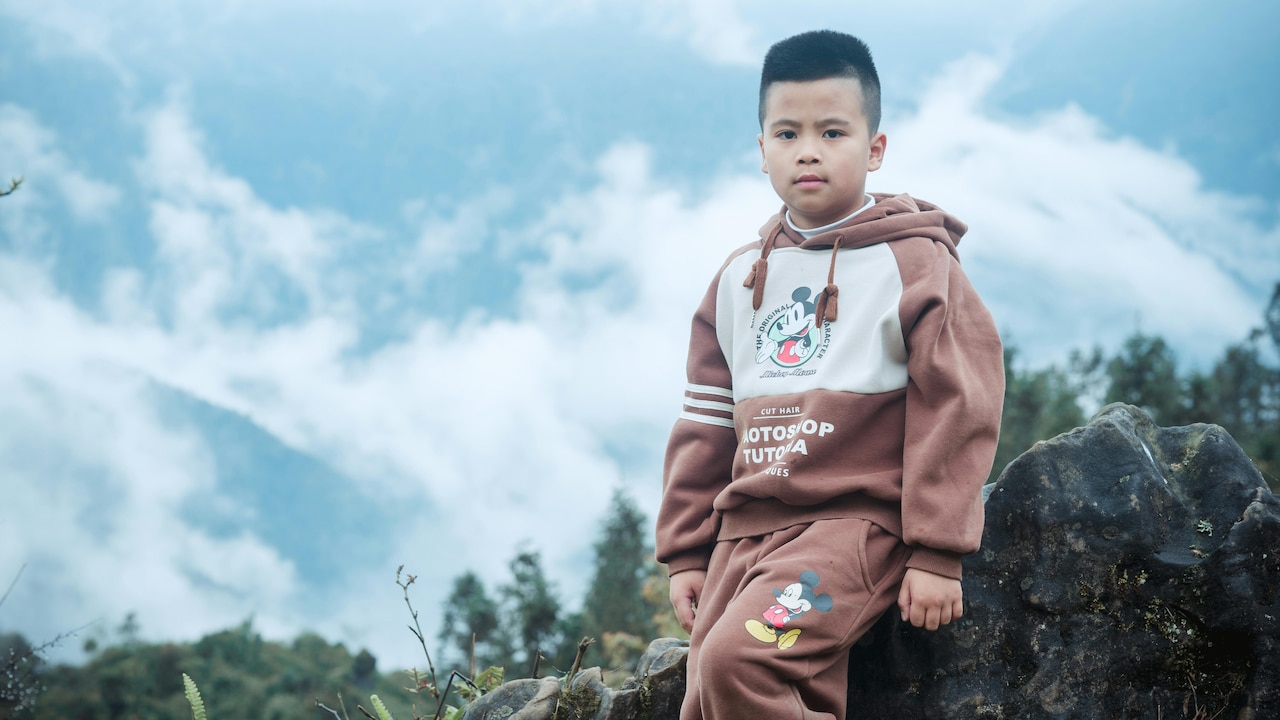
Do cartoon prints fade faster? What parents must know about kids colorful clothing choices.
Children and cartoon prints share a magical bond. A favourite character can turn an ordinary morning into an adventure and make dressing up a joy instead of a struggle. Parents happily invest in colourful clothes, trusting that quality and care will help them last. Still, questions arise when colours fade sooner than expected. Was the fabric at fault? Did washing habits play a role? Or do cartoon prints simply age faster than plain designs?
The good news is that fading does not follow a single rule. Several factors work together, from the type of print and fabric to how often the outfit meets soap and sunshine. Understanding these details helps parents make smarter choices at the shop and gentler ones at home.
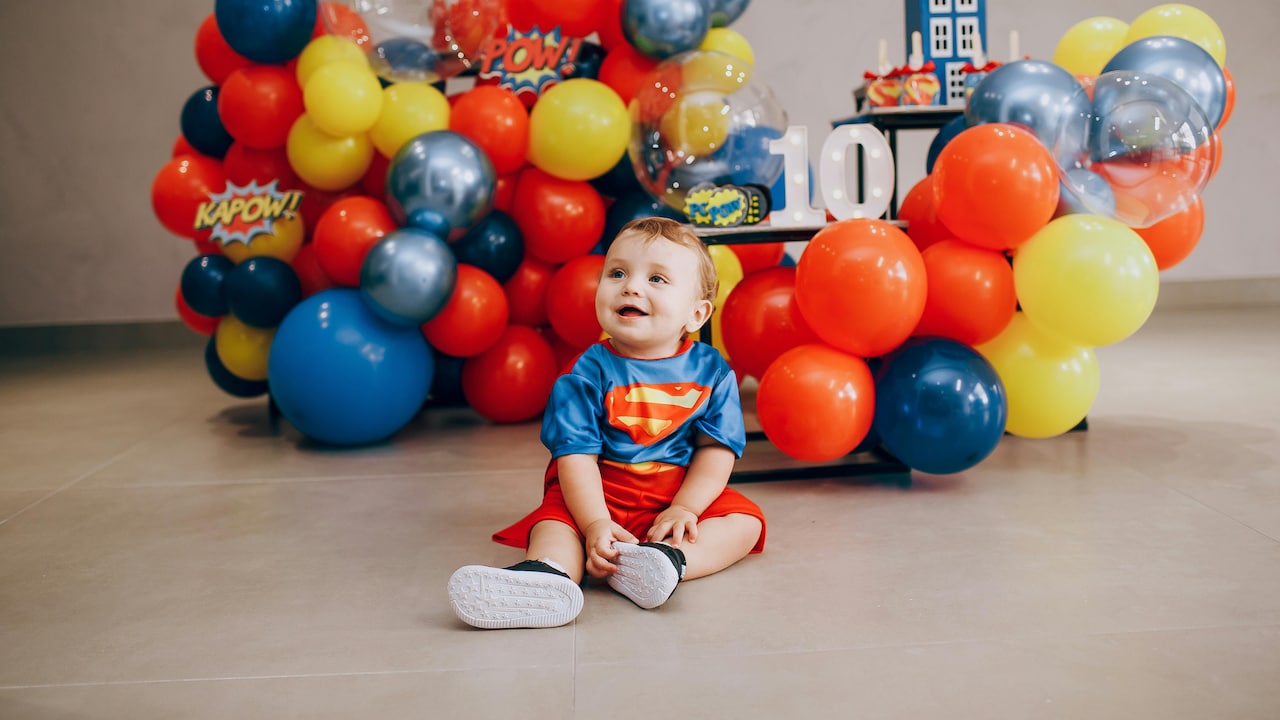
Discover important features of cartoon printed clothes before buying for your kids; Photo Credit: Unsplash
Also Read: Quirky Cartoon Outfits For Kids From Gini and Jony: Get The Best On Myntra
Before Blaming the Print, Here's What Parents Should Know
1. Why Cartoon Prints Look Brighter to Begin With
Cartoon prints often burst with colour. Designers use bold shades and sharp contrasts to grab attention and spark excitement. Bright reds, sunny yellows, and deep blues dominate these prints because children respond well to them. Such colours look stunning on the rack and irresistible to young eyes.
However, intense colours carry a small drawback. Strong dyes sit closer to the fabric surface, especially in printed designs. Plain fabrics often absorb colour evenly across the weave, while prints rely on layers applied on top. This difference can make fading more noticeable. A faded cartoon face stands out far more than a slightly dulled plain tee.
Parents may also compare cartoon prints unfairly with neutral clothing. A beige or grey outfit hides wear easily, while a colourful character reveals every change. The print may not fade faster in reality, but the eye catches the difference sooner. Awareness of this visual trick helps manage expectations and reduces unnecessary worry.
2. Fabric Quality Makes a Bigger Difference Than the Print
Many assume the cartoon print causes fading. Fabric quality often plays a larger role. Soft cotton, blended knits, and synthetic fibres behave differently when washed and worn. Lower-quality fabrics struggle to hold dyes, whether printed or plain.
Children's clothes sometimes prioritise softness and price over durability. A ₹499 tee may feel lovely but lack the fibre strength needed to keep colours locked in. Better-quality cotton, though slightly pricier, holds both colour and print longer. Parents who check fabric labels often spot the difference after months of use.
Breathable fabrics also reduce friction during washing. Less rubbing means less colour loss. A sturdy weave supports the print and protects it from cracking or peeling. In short, the print sits only as strong as the fabric beneath it. Choosing better fabric often solves half the fading problem.
3. Printing Techniques Matter More Than Many Realise
Not all cartoon prints follow the same process. Screen printing, digital printing, and heat transfer methods each create different results. Screen printing presses thick layers of ink into the fabric. This technique offers rich colour but may crack over time if handled roughly.
Digital printing uses advanced technology to bond dyes directly with fibres. This method produces detailed designs and often fades more evenly. Heat transfer prints, common in cheaper garments, stick a printed film onto the fabric. These prints may peel or fade faster with repeated washing.
Parents rarely receive this information at the shop. Still, a quick feel test helps. Prints that feel heavy or rubbery often use heat transfer. Softer prints that blend into the fabric usually last longer. Understanding these methods empowers parents to choose wisely without needing technical expertise.
4. Washing Habits Can Make or Break a Print
Laundry routines play a crucial role in how long cartoon prints stay bright. Frequent washing, though necessary for active children, takes a toll. Hot water, strong detergents, and rough cycles speed up colour loss.
Turning clothes inside out before washing protects the print from direct friction. Using mild detergent also helps preserve dyes. Many parents pour detergent generously, hoping for extra cleanliness. In reality, excess soap strips colour faster and leaves residue behind.
Cold or lukewarm water works best for printed clothes. It cleans effectively while treating colours gently. Washing similar colours together prevents dye transfer and dullness. Small changes in routine often extend the life of favourite outfits by months, sometimes years.
5. Sunlight: A Silent Colour Thief
Drying clothes under the sun feels natural and cost-effective. Bright sunlight, however, acts as a powerful bleaching agent. Cartoon prints, with their vivid hues, suffer the most. Extended exposure fades colours and weakens ink bonds.
Hanging clothes inside out reduces direct sunlight on the print. Shaded areas or indoor drying racks offer even better protection. During peak summer months, sunlight grows harsher, and prints feel the impact quickly.
Parents often notice that clothes dried indoors retain colour longer. While sunlight kills germs and dries clothes fast, balance matters. Alternating between sun and shade keeps hygiene and colour intact. A little planning preserves those cheerful characters without sacrificing practicality.
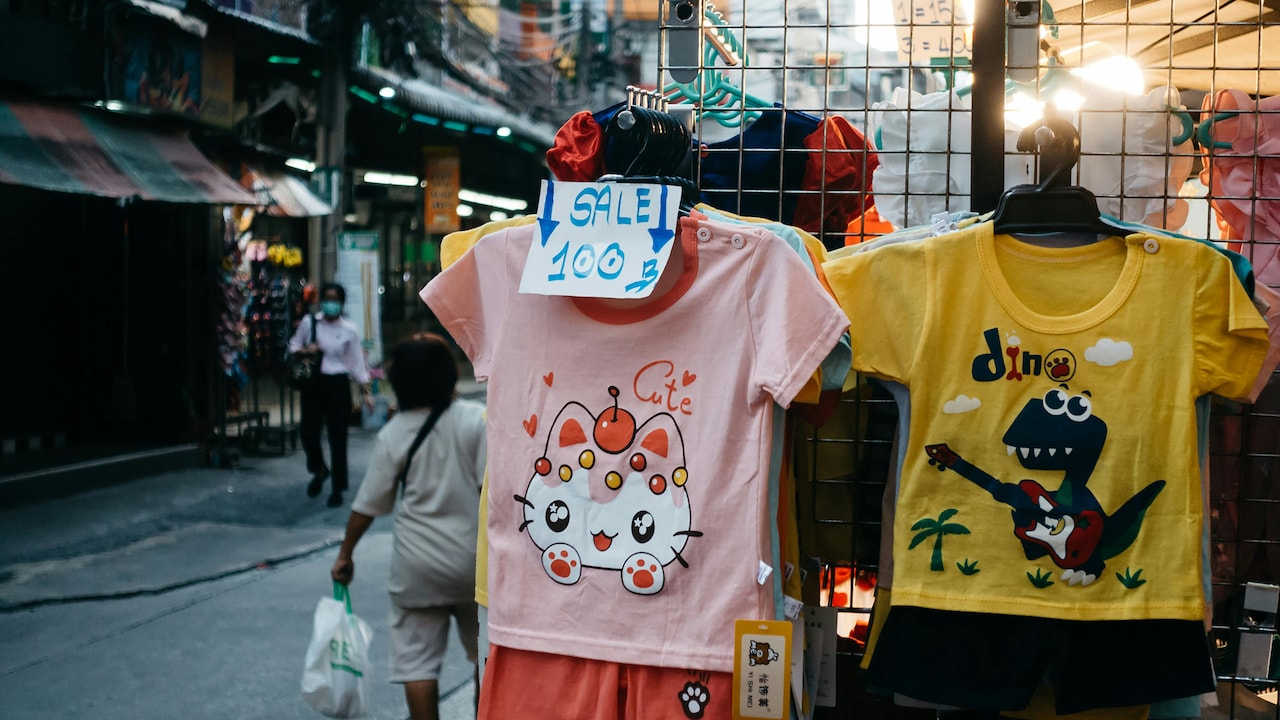
Drying clothes under direct sunlight can cause their prints to lose the colour; Photo Credit: Pexels
6. How Playtime Wear Adds to Fading
Children rarely sit still. Crawling, running, climbing, and rolling on the floor form part of daily life. This constant movement causes friction, especially on printed areas. Knees, chests, and backs take the brunt of it.
Cartoon prints placed on high-contact areas fade faster due to repeated rubbing. A print on the chest of a crawling toddler faces more wear than one on the sleeve. Parents who rotate outfits reduce excessive wear on a single favourite tee.
Choosing clothes with prints placed strategically also helps. Smaller designs or all-over prints distribute wear evenly. Understanding how children move allows smarter wardrobe choices that balance fun and durability.
7. Price Does Not Always Reflect Longevity
Many parents believe higher price guarantees longer-lasting prints. Reality tells a more complex story. Some affordable brands invest in good printing techniques and fabric sourcing. Meanwhile, certain expensive labels focus more on design than durability.
A ₹1,200 outfit may fade faster than a ₹600 one if the latter uses better dye fixation. Reading reviews, touching the fabric, and checking stitching quality offer better clues than price tags alone.
Brand loyalty helps once trust builds. Parents often discover a few reliable stores where cartoon prints survive multiple washes. Over time, experience guides purchasing decisions more effectively than marketing promises.
8. Storage Habits Also Influence Fading
Storage rarely enters the fading conversation, yet it plays a quiet role. Damp cupboards encourage mildew, which stains and weakens fabric. Overcrowded wardrobes cause friction as clothes rub against each other.
Storing printed clothes clean and dry preserves colour. Folding instead of hanging heavy printed tees prevents stretching and cracking. Cedar blocks or natural repellents protect clothes without harsh chemicals.
Parents who declutter wardrobes regularly reduce overcrowding. This simple habit keeps clothes fresher and prints brighter. Thoughtful storage extends garment life beyond what washing alone can achieve.
9. Teaching Children to Care for Their Clothes
Children love independence. Teaching simple care habits builds responsibility and protects clothes. Encouraging kids to change out of play clothes after school reduces unnecessary wear.
Older children can learn to turn clothes inside out before placing them in the laundry basket. Making this a game or routine adds fun to responsibility. Small actions empower children and lighten parental workload.
When children understand why care matters, they value their belongings more. Favourite cartoon characters last longer, and lessons in care extend beyond clothing into life skills.
10. When Fading Tells a Story Worth Keeping
A faded cartoon print often carries memories. That superhero tee may have witnessed first bike rides, muddy adventures, and countless laughs. While parents aim for longevity, some fading feels inevitable and even charming.
Repurposing faded clothes offers creative solutions. Soft tees become sleepwear or cleaning cloths. A beloved print can find new life as a cushion cover or memory quilt piece.
Rather than viewing fading as failure, it helps to see it as part of childhood's messy beauty. Clothes serve their purpose, and memories outlast colour. Balance practicality with sentiment, and every faded print finds its place.
Products Related To This Article
1. Dezin Boys Printed Polyester Regular T Shirt
2. dhyana fashion Daisy Girls Mini/Short Casual Dress
3. Bornlov Boys & Girls Printed Cotton Kids Nightwear
4. EMBLICA Baby Girls Casual T-shirt Shorts
5. The Souled Store Girls Full Sleeve Graphic Print Sweatshirt
Cartoon prints do not fade faster by default. Fabric quality, printing methods, washing habits, sunlight, and daily wear all shape their lifespan. Bright designs simply reveal change more clearly than plain ones. With mindful choices at the shop and gentle care at home, parents can keep favourite characters cheerful for longer. Whether colours stay bold or soften with time, each outfit plays a small role in growing up. And that, more than perfect prints, remains worth every wash.
(Disclaimer: This article may include references to or features of products and services made available through affiliate marketing campaigns. NDTV Convergence Limited (“NDTV”) strives to maintain editorial independence while participating in such campaigns. NDTV does not assume responsibility for the performance or claims of any featured products or services.)